

- Emmanuel de Merode, Director of Virunga National Park in the Democratic Republic of the Congo, believes that conservation can succeed only—and exclusively—if it improves the living conditions of local communities. Protecting nature without addressing poverty and basic needs often leads to resistance and conflict.
- Drawing on the experience of Virunga, he explains how investments in hydroelectricity, access to electricity, and local economic opportunities have helped reduce reliance on charcoal, alleviate pressure on forests, and build trust with neighboring communities.
- Despite the progress made, de Merode acknowledges that challenges persist—notably insecurity, poverty, and continued reliance on charcoal—emphasizing that conservation and development must go hand in hand.
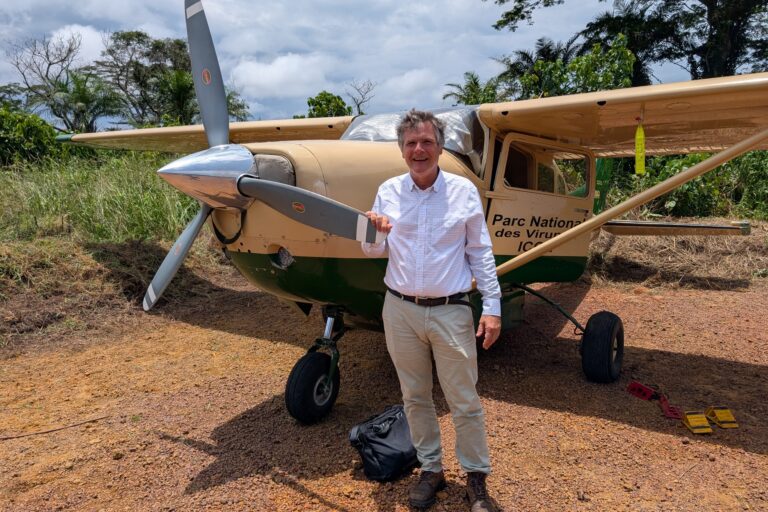
SALONGA NATIONAL PARK, Democratic Republic of the Congo — For over two decades, Emmanuel de Merode has worked at the intersection of conservation, conflict, and development in the eastern Democratic Republic of the Congo. As director of Virunga National Park, he has overseen one of Africa’s most ambitious—and controversial—conservation experiments: protecting biodiversity by improving the living conditions of the millions of people living around the park.
His guiding principle, shaped by years of experience, rests on the idea that conservation must benefit local populations.
“If conservation creates hardships, it won’t work,” he said during a recent visit by Mongabay to Salonga National Park.
Established in 1925, Virunga National Park is Africa’s oldest national park and one of its most biodiverse. Stretching from the Rwenzori Mountains to the volcanic plains along the border between Rwanda and Uganda, it is home to mountain gorillas, forest elephants, and three species of great apes. Yet it has also been shaped by decades of conflict, the presence of armed groups, and the illegal exploitation of resources—making conservation far more complex than the mere protection of wildlife.
For de Merode, these realities profoundly transformed his approach to conservation. In 2007, a particular scene left a lasting impression on him, helping to crystallize his thinking. A group of women clung to the legs of an armed ranger, pleading with him to grant them access to the forest. They were not asking to hunt wildlife , they wanted to cut down trees to produce charcoal—the only means they had to cook meals and boil water for their families.
“The women were clearly the victims,” de Merode said. “Without charcoal, they cannot feed their children. They cannot boil water.”
This image exposed a deeper tension: conservation regulations designed to protect forests and wildlife often clash with fundamental human survival needs.
At the time, cities in eastern Congo—particularly Goma—relied heavily on charcoal for cooking. A significant portion of this charcoal came from forests located within or surrounding Virunga. Armed groups had entrenched themselves in this trade, generating revenue that fueled the ongoing conflict. Rangers attempted to enforce conservation laws, but doing so often led to violent confrontations.
“We realized that we weren’t just facing a conservation problem,” he said. “We were facing an economic [one].”
Rethinking Conservation
For de Merode, the lesson was clear: conservation could not succeed without addressing the issues of poverty and access to energy.
“We cannot tell people not to use natural resources without offering them an alternative,” he said. “They need energy.”
This realization prompted Virunga to adopt a different strategy—one that integrates conservation with economic development. Rather than focusing solely on enforcing regulations, park authorities have begun investing in infrastructure and livelihoods in order to reduce dependence on forest resources.
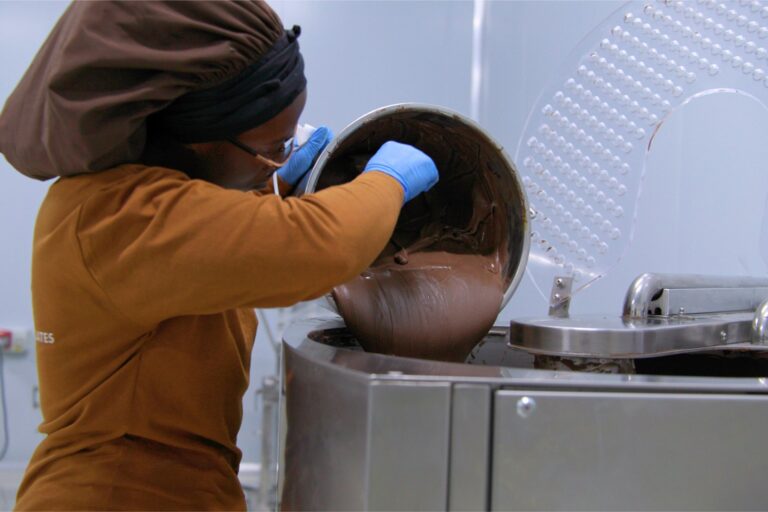
Hydropower has become central to this vision. The mountainous terrain of Virunga and the heavy rainfall create ideal conditions for small- and medium-scale hydroelectric power plants. Over the past decade, the park has developed a network of power plants designed to supply electricity to surrounding communities.
According to project figures, electricity generated by these facilities now powers parts of North Kivu, providing energy to homes, hospitals, water systems, and small businesses. As a result, more than 40,000 households now have access to electricity.
“The idea is simple,” he said. “If people have electricity, they no longer need charcoal.”
Building Trust Through Development
For de Merode, energy was not merely a matter of electricity , it was also about rebuilding trust between local communities and conservation authorities.
For years, many communities perceived the park as an obstacle to their livelihoods—a space that restricted access to land and resources. By providing electricity, jobs, and infrastructure, Virunga has helped to change this perception.
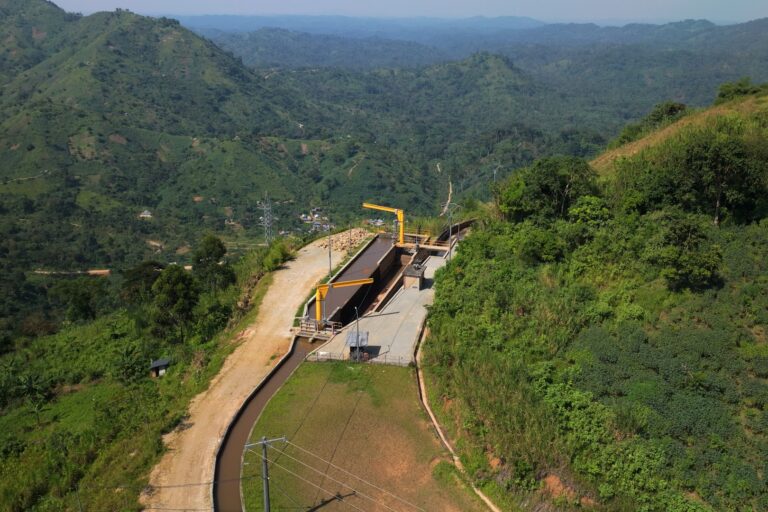
Small businesses have emerged in the electrified zones. Welding workshops, grain mills, refrigeration facilities, and other local economic ventures have sprung up. The park has also supported agriculture, tourism, and other activities designed to offer alternatives to the illegal exploitation of natural resources. This approach—often described by park authorities as a “green economy”—aims to reduce pressure on the forests while improving living conditions.
Persistent Challenges
The park director acknowledges that this model remains imperfect. “There is progress,” he said. “But [the work] is not finished.”
Charcoal production continues, particularly in areas without access to electricity. Infrastructure has been damaged by conflict. Armed groups remain active in parts of eastern DRC. And, for many households, charcoal remains the most affordable fuel source.
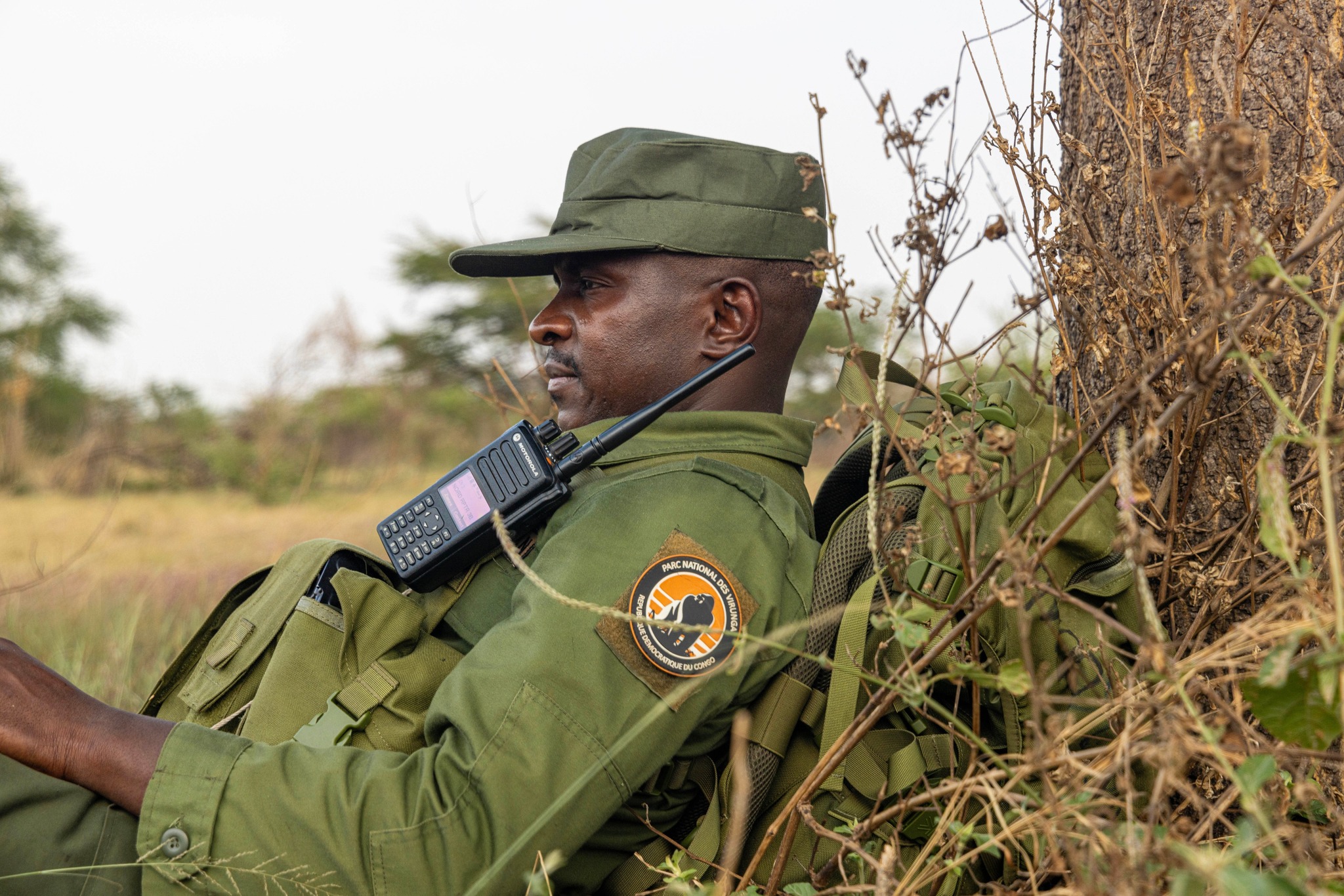
Banner Image: Fabrice—a ranger at Virunga National Park since 2013 and now a deputy sector warden—pauses during a patrol. Virunga has lost more rangers than any other protected area in Africa, illustrating the human cost of conservation and raising the question of whether new conservation models can better protect both biodiversity and those tasked with defending it. Image courtesy of Virunga National Park.
Feedback: Use this form to send a message to the author of this post. If you want to post a public comment, you can do that at the bottom of the page.