

- A 30-year forest restoration project in India’s Western Himalayas transformed degraded land into a biodiverse ecosystem through the participation of local communities.
- According to a recently published study, the project resulted in the establishment of 88 tree species that are now naturally multiplying, and employed simple bioengineering techniques to retain soil moisture, resulting in long-term natural regeneration and ecological stability.
- The restored site, named Surya-Kunj, or Sun-Grove, now supports rich biodiversity, including more than 160 bird species as well as medicinal plants.
- Strong community participation and educational value has helped turn the project into a scalable model for mountain ecosystem recovery, researchers say.
A recent study in the journal Frontiers in Conservation Science shows why community engagement in forest restoration is a win-win game. The research documents a three-decade-long land restoration project on a 28-hectare (71-acre) slope of India’s Western Himalayas, in the state of Uttarakhand. The local communities in the surrounding villages cultivated a forest, with the help of researchers, and are now reaping the fruits of their collective effort.
Before rehabilitation, the slope was inhabited by shrub species, dotted with the occasional longleaf Indian pine (Pinus roxburghii), a native tree that spread through monoculture cropping for resin and timber during British colonial rule. This landscape was prone to wildfire, which led to degradation.
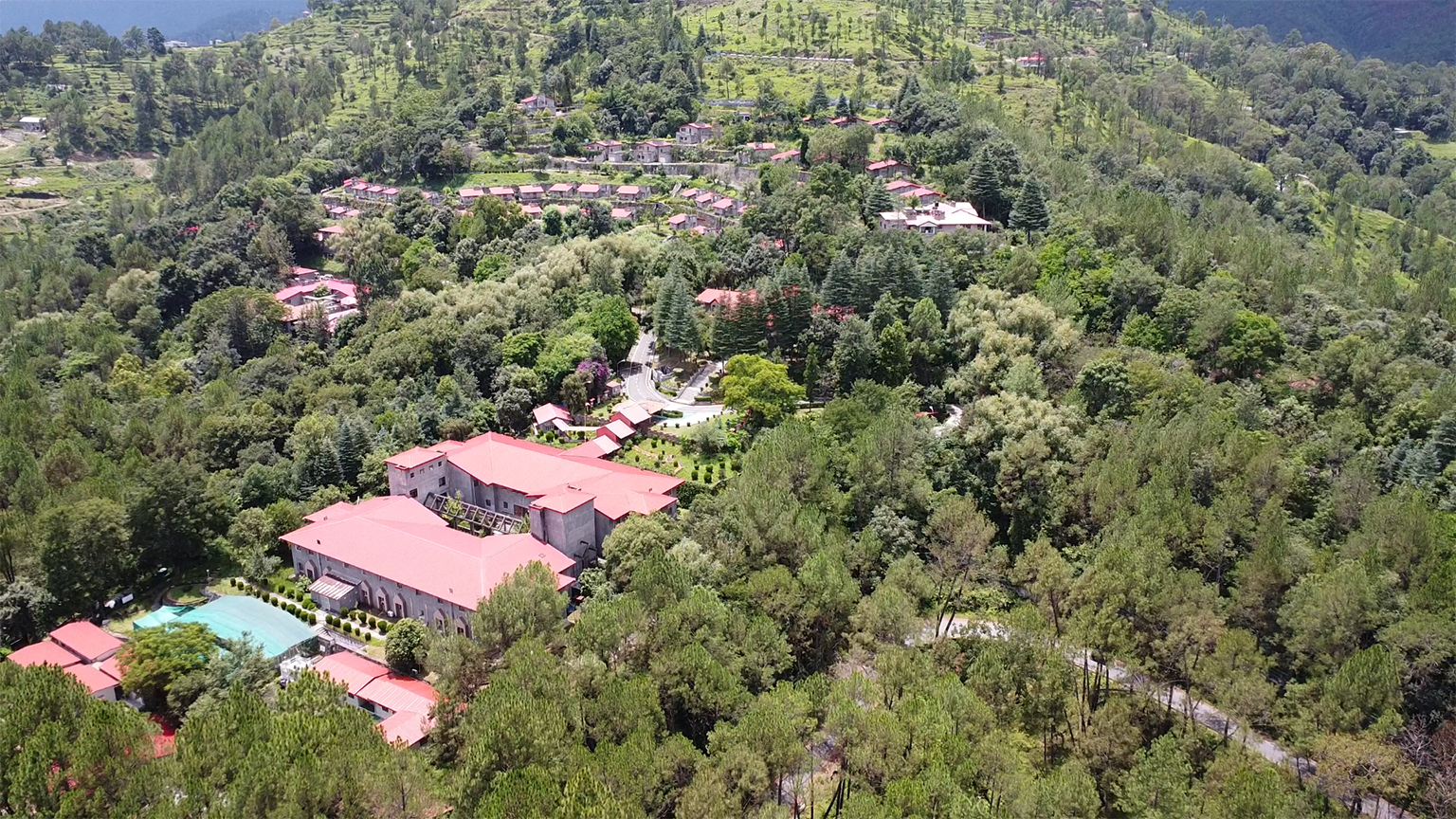
A team of researchers from the G.B. Pant National Institute of Himalayan Environment (GBP-NIHE), an arm of the environment ministry, launched the restoration project in 1992. Now, according to the study’s authors, the land supports rich biodiversity, including more than 160 bird species, more than 100 butterfly species, and many medicinal plants, providing livestock fodder, medicine and livelihoods for the residents of surrounding communities.
The researchers named the site “Surya-Kunj,” or “Sun-Grove,” in a nod to the famous Katarmal Sun Temple, located about 12 kilometers (7 miles) away.
Indra D. Bhatt, co-author of the study and director of the GBP-NIHE, said the Surya-Kunj site acts as a framework for large-scale forest restoration efforts in the Himalayas for future conservation initiatives.
“We wanted to show that through community involvement, restoration and natural regeneration of degraded land is possible,” Bhatt said.
In addition to Surya-Kunj being a conservation site, the model forest is also a Nature Interpretation and Learning Centre (NILC). So far, the GBP-NIHE has conducted more than 60 conservation education workshops with more than 5,000 students and researchers at the site.
Bhatt said the researchers instilled awareness among the villagers to involve them in reforestation. Together, they planted 190 species representing 51% of the 372 known plant species native to the Western Himalayan region. The team also planted nonnative species. By 2024, three decades since inception of the project, 52% of the planted species had survived and 88 species have become established enough to begin multiplying naturally, according to the study.
Co-author Vikram S. Negi, assistant professor at HNB Garhwal University in Uttarakhand, said the Surya-Kunj site conserves several important and rare Himalayan plant species through protection, propagation and habitat improvement.
According to Negi, some notable species are the Himalayan yew (Taxus wallichiana), an endangered, high-value medicinal plant with anticancer properties , Podophyllum hexandrum, locally known as vankakri, also known for its anticancer properties and considered rare in the wild , Habenaria intermedia, a threatened orchid , Meizotropis pellita, an endemic and critically endangered shrub of the Western Himalayas , and Pittosporum eriocarpum, an endangered Himalayan tree.
“The site also maintains all five Western Himalayan oak species strengthening its role as a genetic repository and conservation model for rare and endemic flora,” he said.
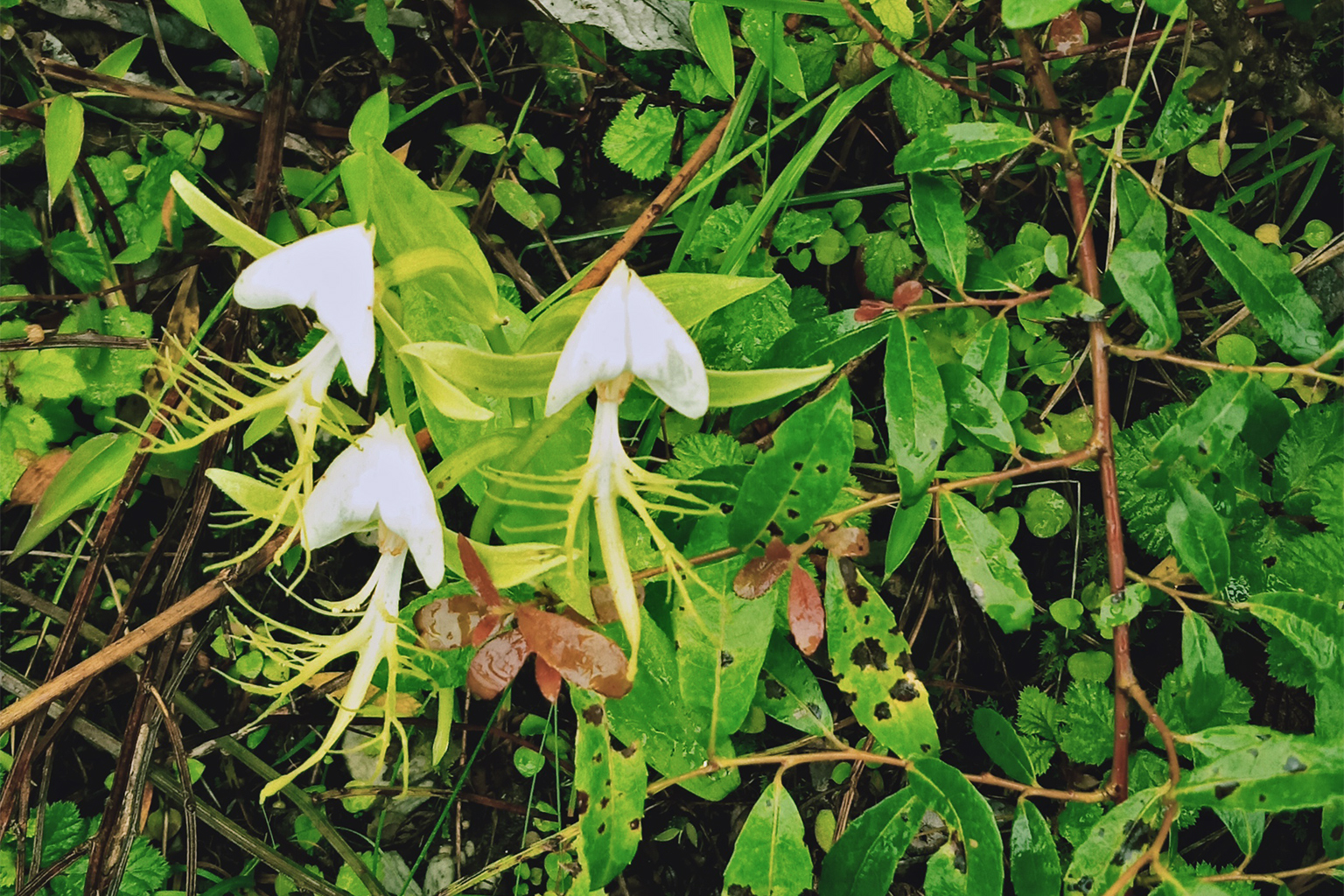
The researchers found that native species fared better over the long term than nonnative ones, with a survival rate of 62% compared to 38%.
Munib Khanyari, a researcher and program manager of the High Altitudes project at Indian NGO the Nature Conservation Foundation, who wasn’t part of this study, said that Surya-Kunj is truly unique.
“We really don’t have such long-term sites like the Surya-Kunj model,” Khanyari said. “It’s remarkable that it exists. We need more such sites. The more we have long-term data and long-term commitment to places, the more we learn.”
However, Khanyari expressed concern about the project’s use of nonnative species, saying it would have been better to restore the land with only native species.
In response to this, Negi said not all nonnative species are bad for ecosystems. “Species diversity is a key indicator of [a] better ecosystem,” he said.
Bhatt said restoration has resulted in measurable improvements in species richness, ecological composition and carbon storage potential of the Surya-Kunj site. But what set the restoration apart was the involvement of local communities from the beginning, according to Bhatt.
“We provided wages to the villagers to ensure active participation,” he said, adding that people in the surrounding villages can see the benefits of the forest, now “thriving” with wildlife and medicinal plants., and also providing local communities with leaf litter for composting and livestock fodder.
Restoration went beyond simply planting trees. Participants built trenches, water-harvesting tanks and small dams to increase water security , they also employed terracing and bunding to reduce soil erosion.
Kamala Devi, a resident of the village of Matela, said they dug pits, trenches and dams to store rainwater after consulting with the researchers.
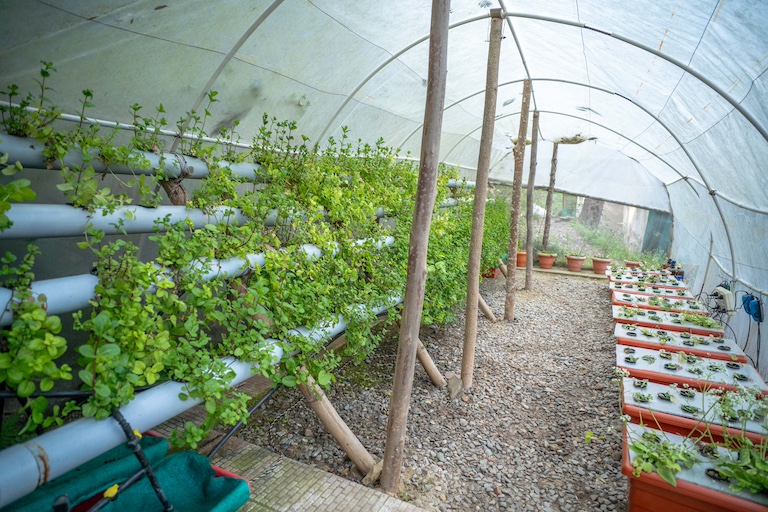
“We also developed an herbal garden with 30-35 medicinal plant species,” Devi said in an interview with GB-NIHE researcher officer Sachin Uniyal, which was shared with Mongabay. “People use these plants, and some are sent outside the village.”
Anant Singh Bisht, a resident of the community of Katarmal for more than 35 years, said he had noticed a significant drop in temperatures over the past few years as well as an improvement in air quality.
Nikita Mehta, a resident of Mahat Gaon and a researcher who helped build awareness among local communities, said challenges persist. She said wild boars (Sus scrofa) frequently damage nursery plants and young saplings, affecting restoration success.
“Forest fire risk remains a concern during dry seasons, even though moisture has increased,” Mehta added. She also said sustainable tourism management is needed to prevent seasonal water scarcity during summer, which affects nursery and plantation survival.
Yet amid these hurdles, hope continues to grow amid the restored habitat. Devi said around 20 villagers in Matela have found employment in nursery and forest-related work.
“We sell medicinally important herbs like bay leaf for a living,” she said. “Thirty years ago, we saw only thorns and bushes here. Now, the area remains green throughout the year.”
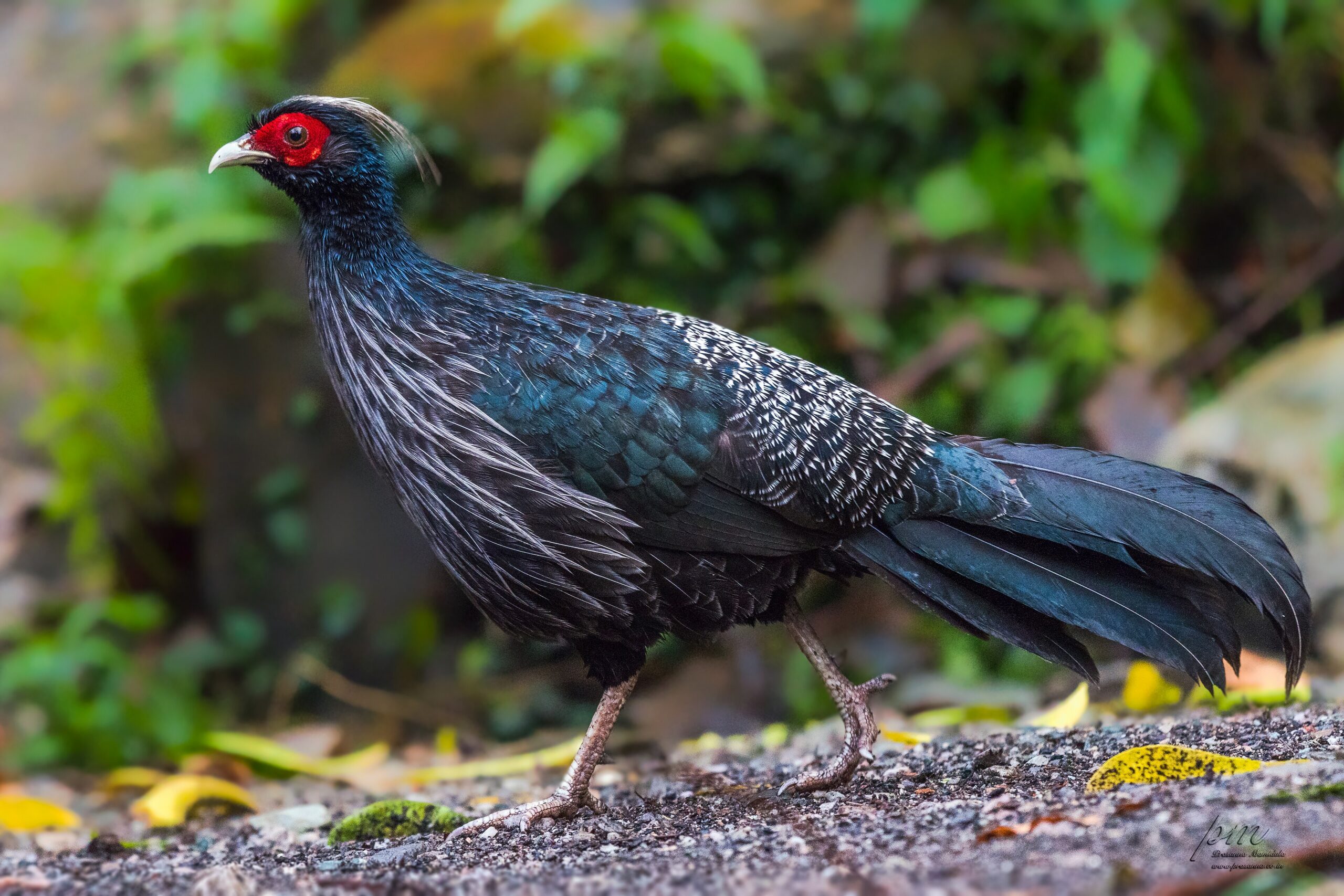
Banner image: Visitors report seeing kalij pheasants (Lophura leucomelanos), a forest-dependent native species, around the reforestation site. Image by Mprasannak via Wikimedia Commons (CC BY-SA 4.0).
Grassroots forest protection succeeds where planting drives fail in Nepal
Citation:
Samant, S. S., Negi, V. S., Pathak, R., Dangwal, B., Joshi, R. K., Airi, S., … Bhatt, I. D. (2025). Biodiversity conservation and management through forest landscape restoration in the Western Himalaya, India. Frontiers in Conservation Science, 6. doi:10.3389/fcosc.2025.1663322
Feedback:Use this form to send a message to the editor of this post. If you want to post a public comment, you can do that at the bottom of the page.
