

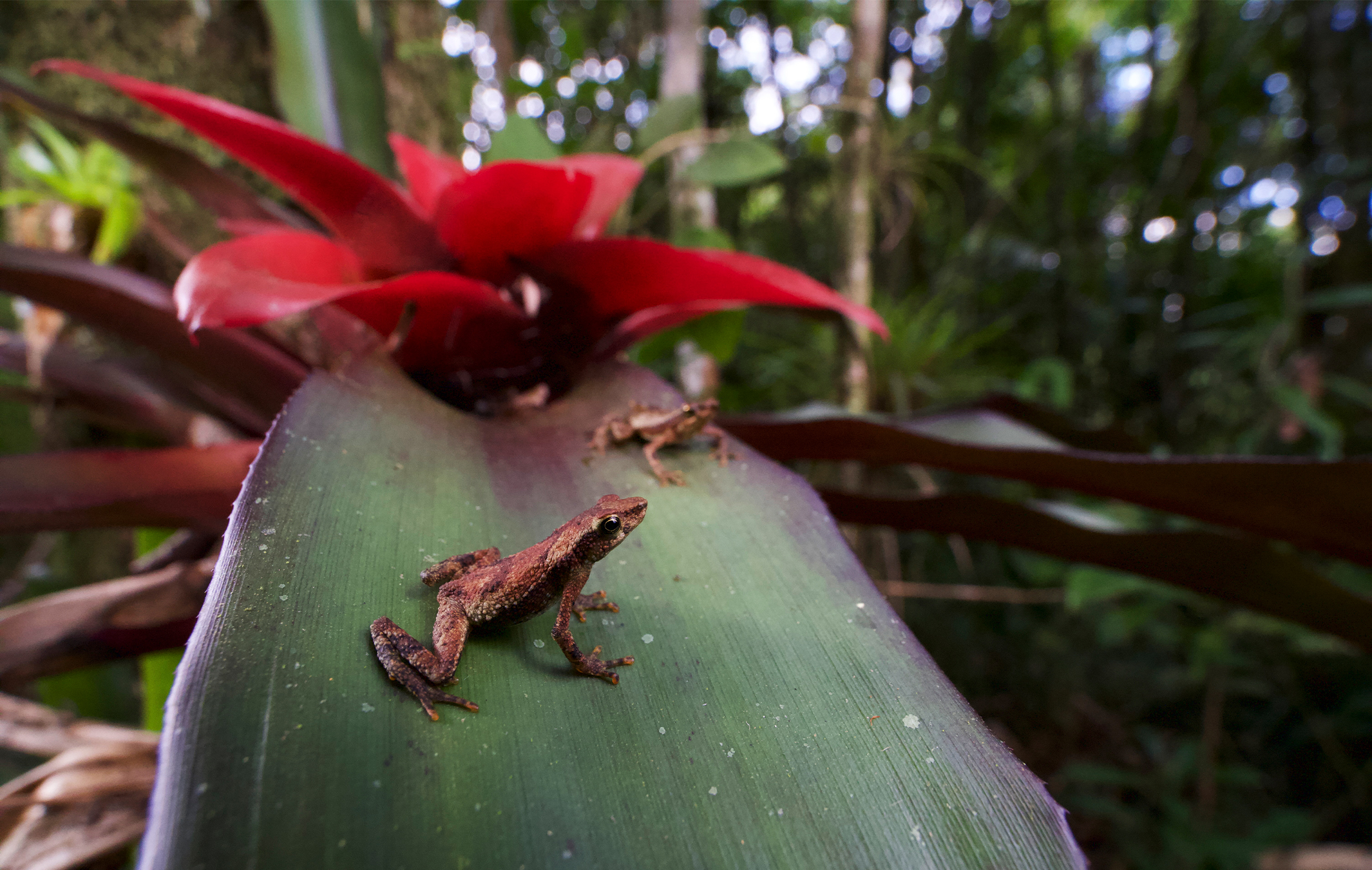
- It has long been known that when terrestrial and aquatic habitats, vital at various times during a species’ life cycle, become disconnected due to human activities (a process known as habitat split), the impacted species can become more vulnerable to disease and see major population declines.
- A new study pinpoints one mechanism contributing to such losses. Researchers analyzed habitat split impacts on the skin microbiomes of frog species in Brazil’s Atlantic Forest and detected microbial changes that increased frog susceptibility to the chytrid pathogen, which is devastating amphibians globally.
- The scientists stress that their findings could likely apply elsewhere and to many species (such as birds, fish and mammals), which need varied habitats during their life cycles in order to maintain a diverse microbiome that enhances disease defenses.
- The researchers say their findings underline the need for conservation projects that protect and connect key habitats, such as forests and streams that are utilized at various life cycle stages, in order to better protect a multitude of species, not only at the macro scale, but also species at the micro scale.
A new study has found that when deforestation and land use change break up key habitats vital to amphibian life cycles, those disconnects can play havoc with the animals’ microbiome, leaving them more susceptible to disease.
This troubling finding could also apply to a host of other species, the study researchers say, but may also have positive implications for conservation to counteract the problem.
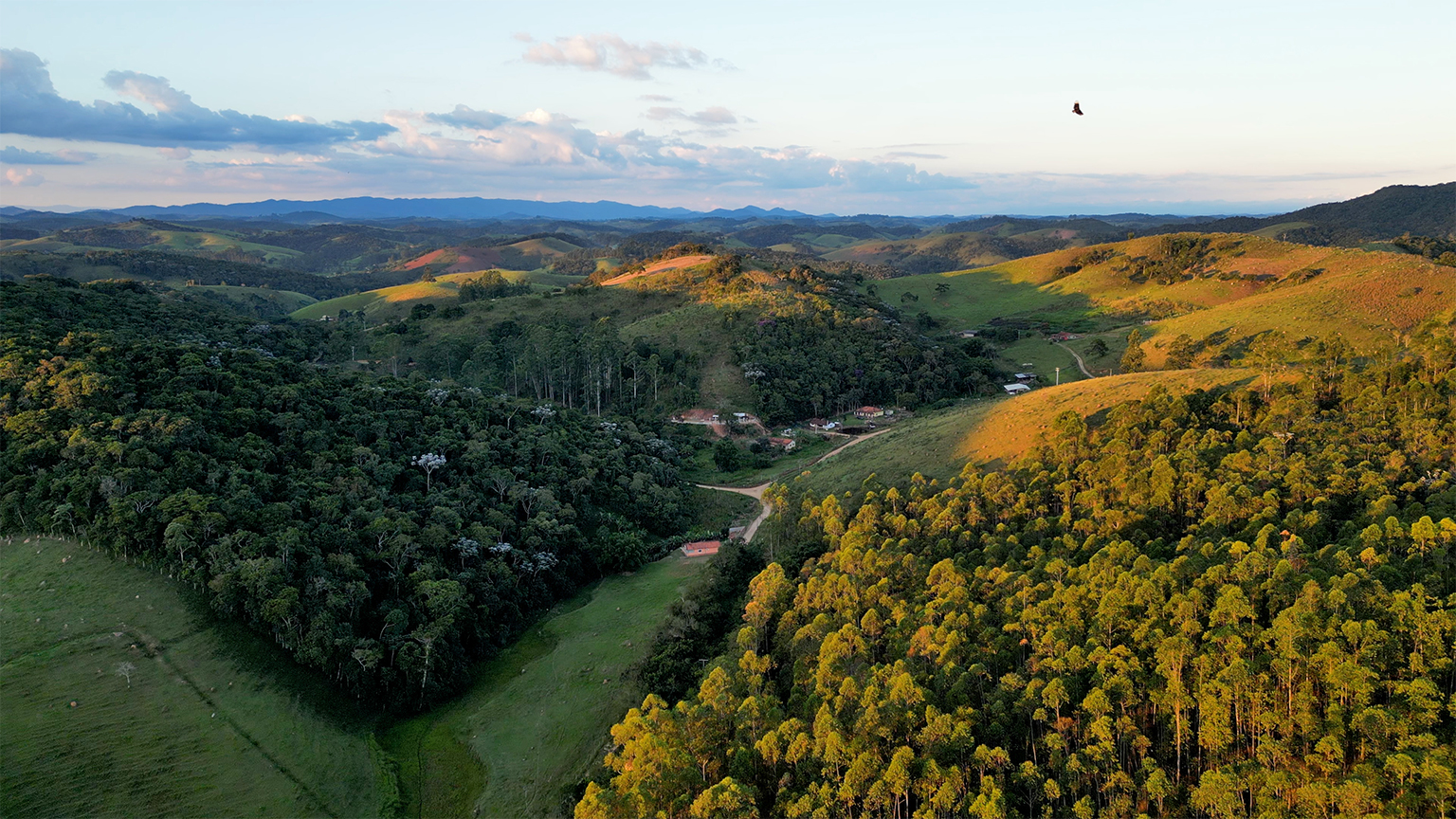
Habitat split, first associated with amphibian decline in a 2007 study, occurs when multiple “classes” of aquatic and terrestrial habitat — such as forests, streams and ponds — vital to a species’ life cycle are separated by human activities (such as agriculture), causing the species to decline. Studies have already shown that this phenomenon is a driver of localized frog extinctions in Brazil’s Atlantic Forest.
In the new study, published in the Proceedings of the National Academy of Sciences, scientists investigated the effect of “habitat split” on the microbiome of four frog species (Haddadus binotatus, Rhinella ornata, Boana faber and Ischnocnema henselii), all dwelling in the highly fragmented Atlantic Forest.
They found that where forest and aquatic habitats are linked, frogs are more likely to host skin microbes that inhibit the deadly fungal pathogen, Batrachochytrium dendrobatidis. This fungus, known as chytrid, is responsible for large-scale declines of hundreds of amphibian species across the globe.
Importantly, the skin microbiome of frogs living in areas where these habitats were split hosted fewer pathogen-fighting microbes, leaving the frogs more susceptible to infection. Two of the frog species sampled also had higher loads of chytrid on their skin.
Habitat fragmentation is well known as a driver of biodiversity loss. The study authors suggest their findings pinpoint one possible mechanism for such declines, with fragmentation and discontinuity of natural habitats weakening amphibians’ microbial defenses, leading to higher disease vulnerability.
“These animals cannot recruit a very effective and functional microbiome against certain pathogens like chytrid, if you disconnect the environment,” Gui Becker, associate professor of biology at Penn State and senior study author, told Mongabay in an interview. “Habitat split is a very strong predictor of diminished microbiome function against the chytrid pathogen.”
Macro and micro impacts
For study lead author Daniel Medina, a lecturer in tropical forest ecology and resource management at the School for Field Studies in Massachusetts, U.S., these findings add another layer of complexity and understanding to the impacts of habitat fragmentation.
“We’re not only losing biodiversity, per se, at the macroscale, but also losing the symbiotic microbes that live in these animals,” he said. This study “is also providing a mechanistic perspective in terms of how the loss of these symbiotic microbes might make animals more susceptible to disease.”
“One of the main takeaways for me is that this study really shows that habitat loss is not just about losing physical space, it’s about disrupting interactions and the biological systems that organisms rely on to survive,” Raquel Peixoto, co-chair of the IUCN Microbial Conservation Specialist Group and chair of the Marine Science Program at King Abdullah University of Science and Technology in Saudi Arabia, wrote in an email.
“What [the researchers] demonstrate quite clearly is that when habitats are split, amphibians lose access to the environmental microbes that help build and maintain their skin defenses,” added Peixoto, who wasn’t involved in the study.
Connecting habitat, boosting microbiomes
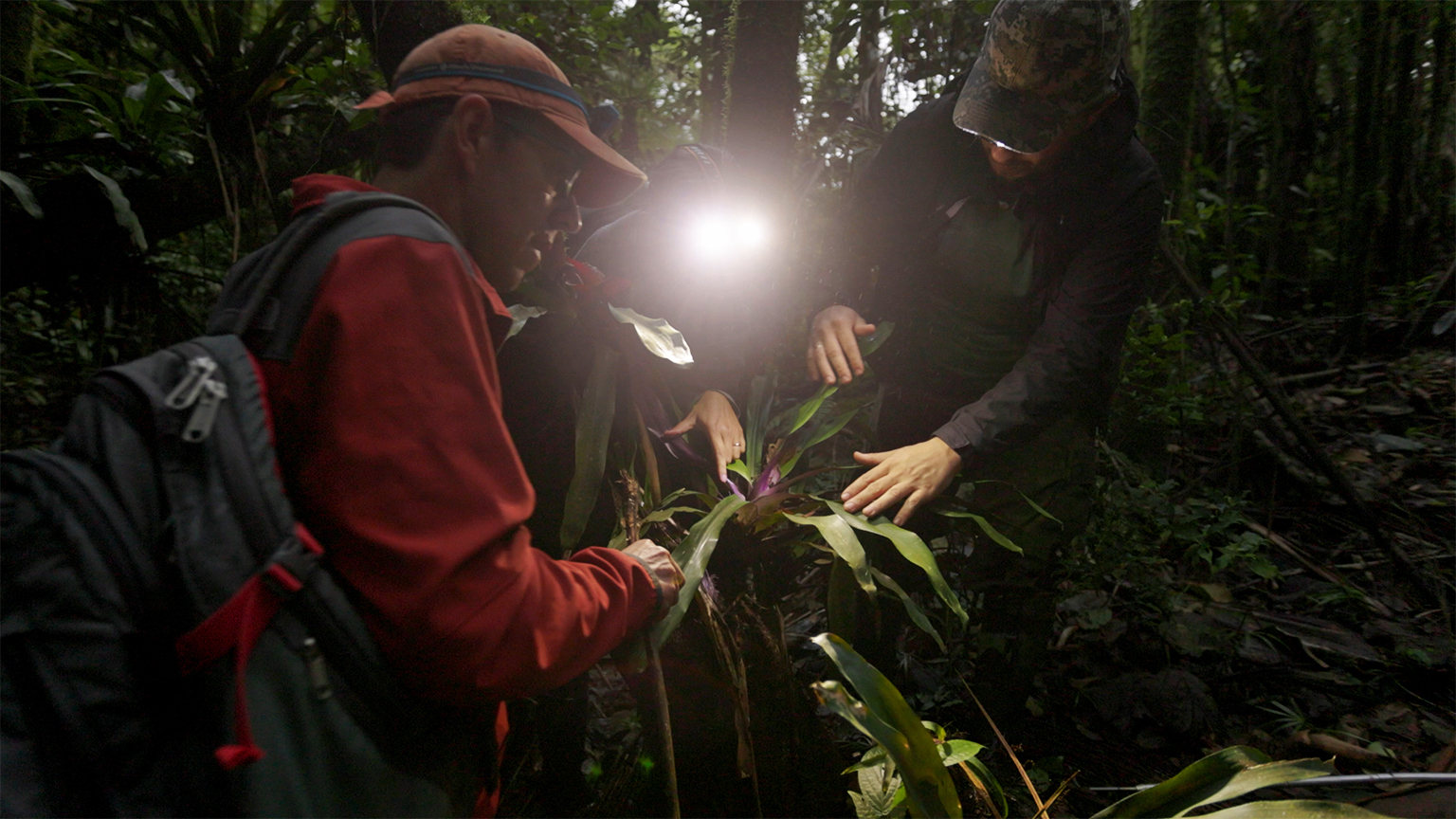
While the new study showed that habitat split can seriously degrade microbiomes, it also pointed to a potential solution: Conservation projects that include protection and connectivity for both terrestrial and aquatic classes of habitat could help preserve species at the macro and micro scales, acting as a defense against disease. Restoring forest fragments in the Atlantic Forest, for example, won’t be enough to save amphibians if vital classes of frog habitat, such as streams and ponds, aren’t included.
When landscapes are connected and intact, animals passing through them are exposed to both environmental microbes and low levels of pathogens. This can help them maintain microbial communities capable of fighting diseases like chytrid, Becker said. But when those habitats are split, wildlife species no longer gain exposure to beneficial microbes while possibly also encountering higher levels of pathogens.
When thinking about habitat restoration, the whole life cycle of the species has to be considered, Becker said. “If it’s a frog, we need to connect all the possible habitats that these frogs need to survive, not just forest and not just water.”
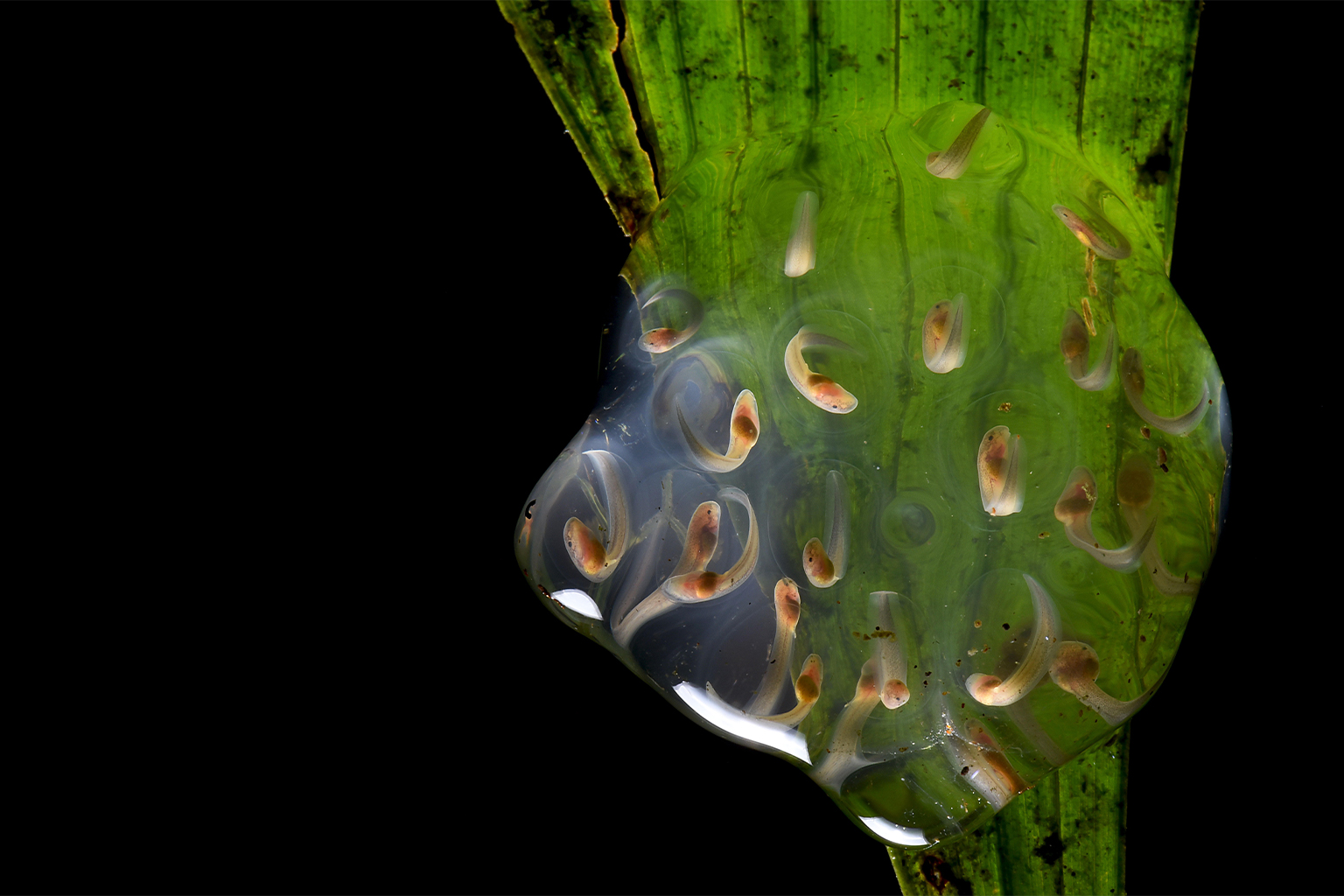
Restoring habitats and connecting them via wildlife corridors could prove especially beneficial. This is a well-known strategy to help improve gene flow between isolated populations. But, for Becker and Medina, restoring these connections could also help animals stave off disease by exposing them to the environmental microbial pools they need to assemble and maintain a healthy microbiome.
Though the new study focused only on amphibians, the researchers suggest that habitat split’s negative impact on wildlife microbiomes and the resultant risks of pathogen exposure likely apply to numerous species. Many bird, fish and mammal species depend on varied habitat during their life cycle stages to acquire beneficial microbes.
“It will be of critical importance to actually know the extent of this phenomena in other animals that might require more urgent conservation measures,” Medina said. “For example, big mammals that engage in large migrations through different kinds of habitat, from forest to prairies.”
Peixoto agreed the team’s findings have implications that likely go far beyond frogs. “In fact, I would argue that this is probably much more widespread than we currently appreciate,” she wrote. “This likely applies to marine systems, soil ecosystems, migratory species, and even, in different ways, to humans. So I think this study is capturing a general principle rather than a niche case.”
“This really pushes us to rethink what we are trying to protect. It’s not enough to conserve species or even habitats in isolation,” Peixoto said. “We also need to consider the microbial systems that underpin health and resilience.”
Banner image: An Atlantic Forest frog, Dendrophryniscus haddadi. Amphibians are susceptible to habitat split due to its negative impact on their life cycles, but the researchers note that such impacts (including microbiome changes) likely apply to numerous other species in wide-ranging ecosystems. Image courtesy of Renato Martins.
Citations:
Becker, C. G., Fonseca, C. R., Haddad, C. F., Batista, R. F., & Prado, P. I. (2007). Habitat split and the global decline of amphibians. Science, 318(5857), 1775-1777. doi:10.1126/science.1149374
Becker, C. G., Greenspan, S. E., Martins, R. A., Lyra, M. L., Prist, P., Metzger, J. P., … Savage, A. E. (2023). Habitat split as a driver of disease in amphibians. Biological Reviews, 98(3), 727-746. doi:10.1111/brv.12927
Medina, D., Martins, R. A., Prist, P. R., Buttimer, S., Neely, W. J., Schuck, L. K., … Becker, C. G. (2026). Connecting habitats, boosting disease resistance: Spatial connectivity enhances amphibian microbiome defenses against fungal pathogen. Proceedings of the National Academy of Sciences, 123(17). doi:10.1073/pnas.2520745123
FEEDBACK: Use this form to send a message to the author of this post. If you want to post a public comment, you can do that at the bottom of the page.
