

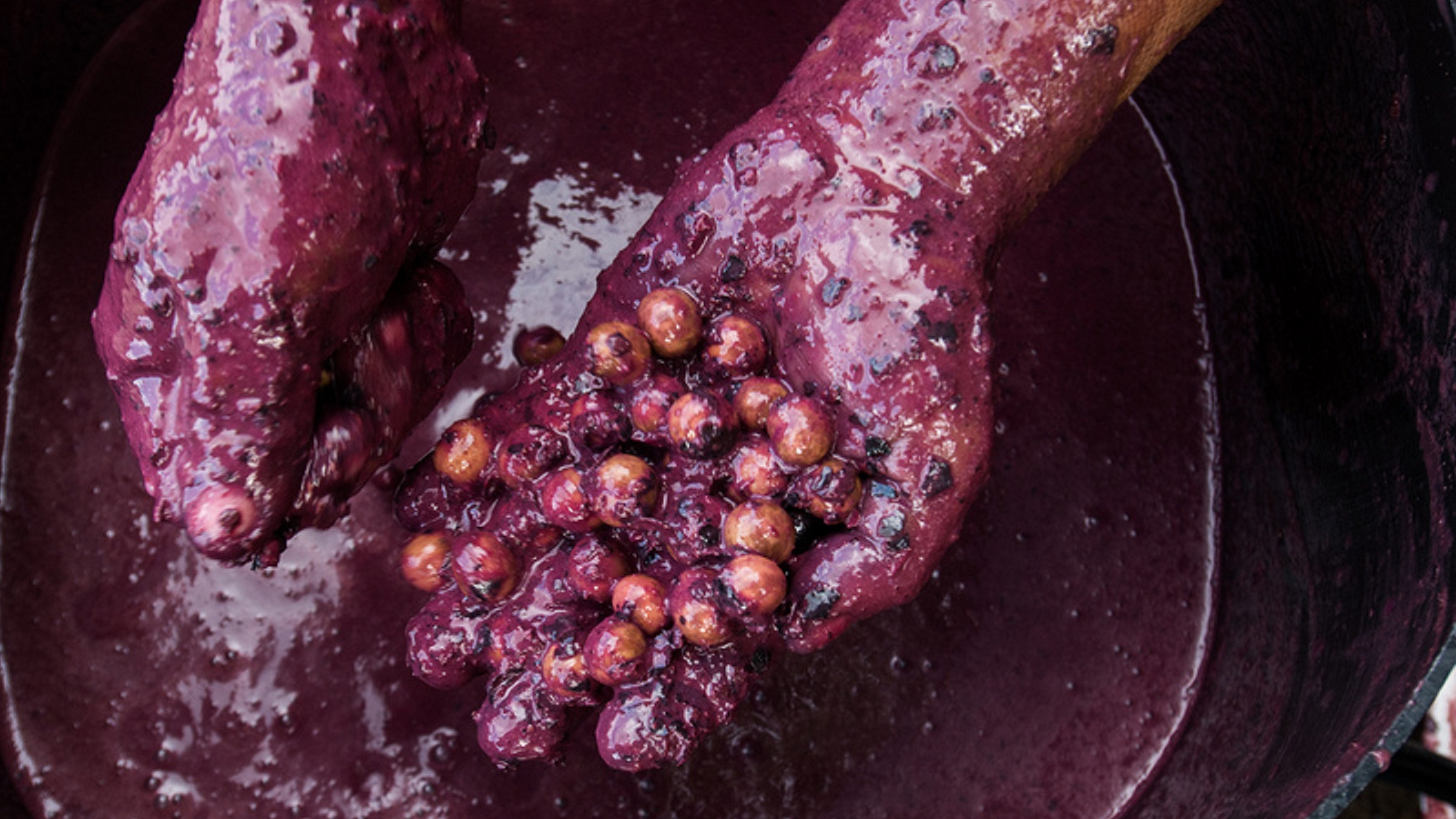
- Intensive farming of the popular açaí berry grew by 70% since 2015, while community cooperatives reported losses of 35% or more during recent heat waves and fires.
- Industrial açaí crops often rely on artificial irrigation and nonnative honeybees, adapting the Amazon to intensive methods rather than benefiting from the biome’s own systems.
- Market analysis indicates increasing international demand and rising prices, a trend that pushes for high-yield commercial monocultures over forest-based extraction.
ACARÁ, Brazil — “I’ve spent my whole life working with açaí,” said Eliseu Carvalho, 57, who cultivates the berry in a floodplain area next to his home in the municipality of Acará, in the Brazilian state of Pará. “I’ve always made a living from it.”
But after a devastating wildfire near his community, Carvalho is now considering abandoning açaí harvesting altogether.
Acará is one of the most productive açaí regions in the state of Pará, with thousands of small-scale producers working in forest patches and along riverbanks.
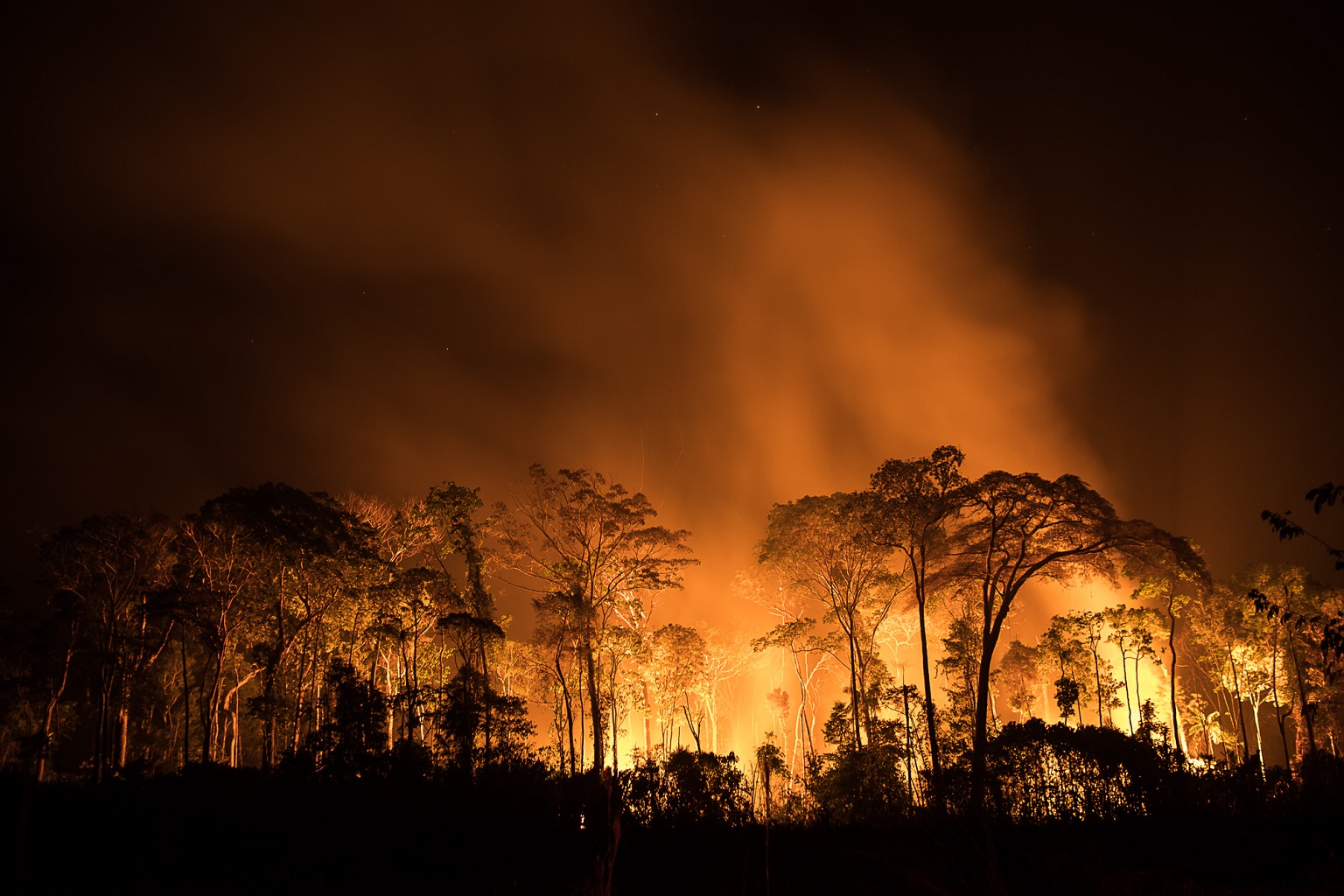
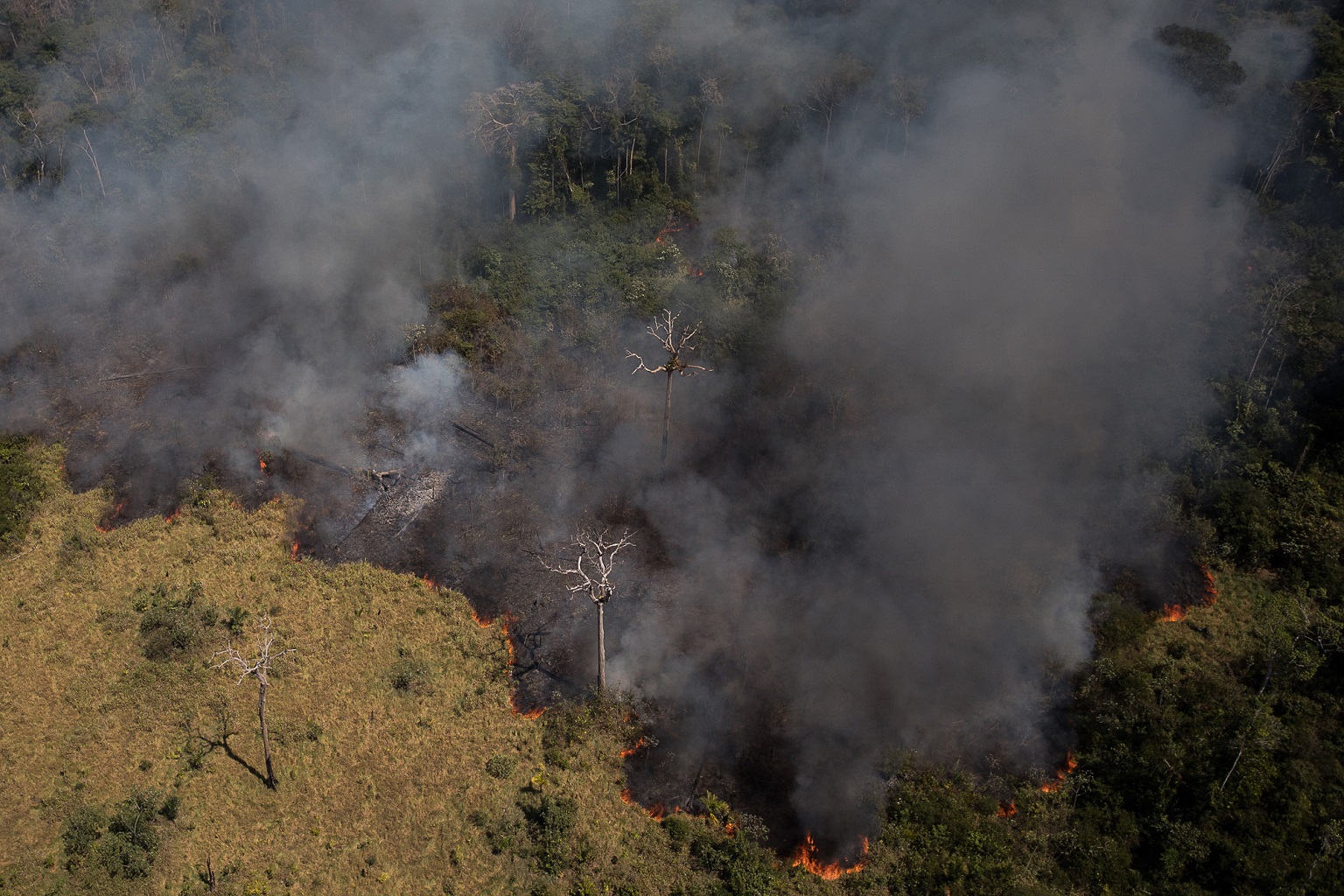
In 2024, the municipality was severely affected by an intense wildfire season. More than 18 million hectares (44.5 million acres) — an area the size of Cambodia — burned in the Amazon that year, according to the Brazilian collaborative research network MapBiomas. Most of the burning occurred in forest areas, threatening frontline communities.
Carvalho said he watched the flames burn for more than 20 days and consume almost 30 hectares (74 acres) of forestland. Prolonged drought conditions had left the humid vegetation unusually dry, leaving it much more susceptible to fire. “The flames spread through roots and organic matter,” he told Mongabay in Acará. “We would put them out on the surface, but they kept burning underground.”
When firefighters and volunteers finally managed to control the fire, about 2 hectares (5 acres) of açaí palms had burned to the ground. Carvalho estimated his financial losses at around $10,000. Even worse, his family lost their main source of income for years to come.
Today, much of that land is beginning to regenerate, but the soil remains degraded. It can take around six years for açaí trees to fully mature and produce fruit again. This uncertainty has forced Carvalho to consider abandoning açaí harvesting and turning to fish farming in floodplain pools. However, his family lacks the financial resources to purchase the fish needed to start the business, including tambaqui and tilapia.
While the Amazon Rainforest is known for its distinct dry and wet seasons, new weather patterns have been reshaping the region’s climate.
A recent study published in Nature found that the forest’s dry season, from July to November, when açaí fruit typically forms, has been steadily warming. Since the 1980s, temperatures have risen by an average of nearly 0.3° Celsius (0.5° Fahrenheit) per decade. Scientists have also recorded declining rainfall and more severe droughts, especially in parts of the central and southeastern Amazon.
In 2023, these trends, combined with a strong El Niño, triggered one of the region’s worst droughts on record. The Amazon Basin received its lowest rainfall in more than 40 years, according to analysis by the European Commission’s Joint Research Centre. As a result, some of the basin’s largest rivers, including the Negro, Madeira and Solimões, reached their lowest levels in more than a century.
In the following year, the Amazon, not surprisingly, saw one of its most intense fire seasons to date. Experts warn that fires in the Amazon are 30 times more likely due to rising heat.
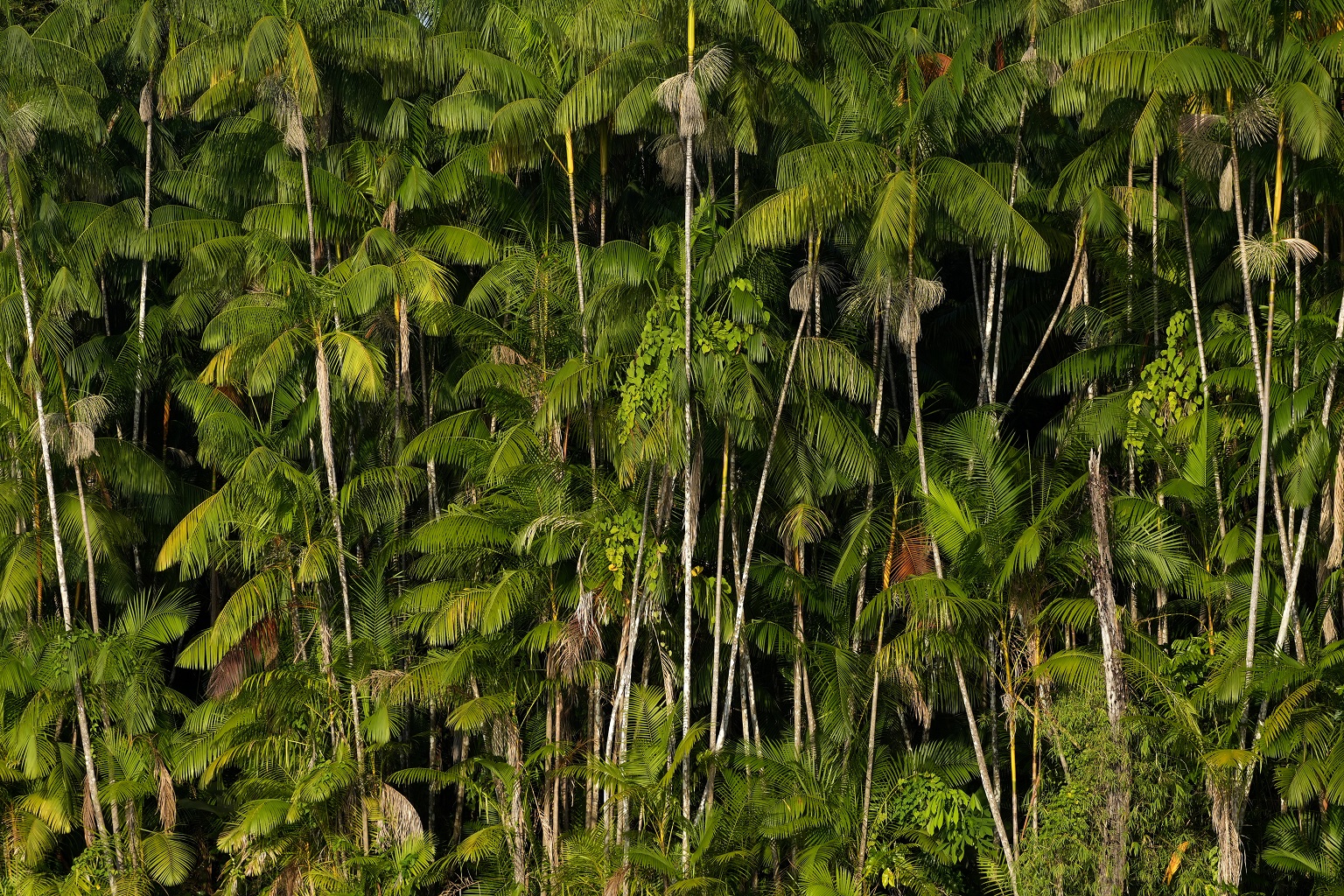
Meanwhile, species that drive the rainforest’s bioeconomy, like the native açaí (Euterpe oleracea), depend on a constant cycle of rainfall, flooding and humidity to survive. In floodplain areas, these palm trees are typically inundated for months with nutrient-rich water. In upland forests, they rely on predictable seasonal rainfall to grow.
Açaí boom
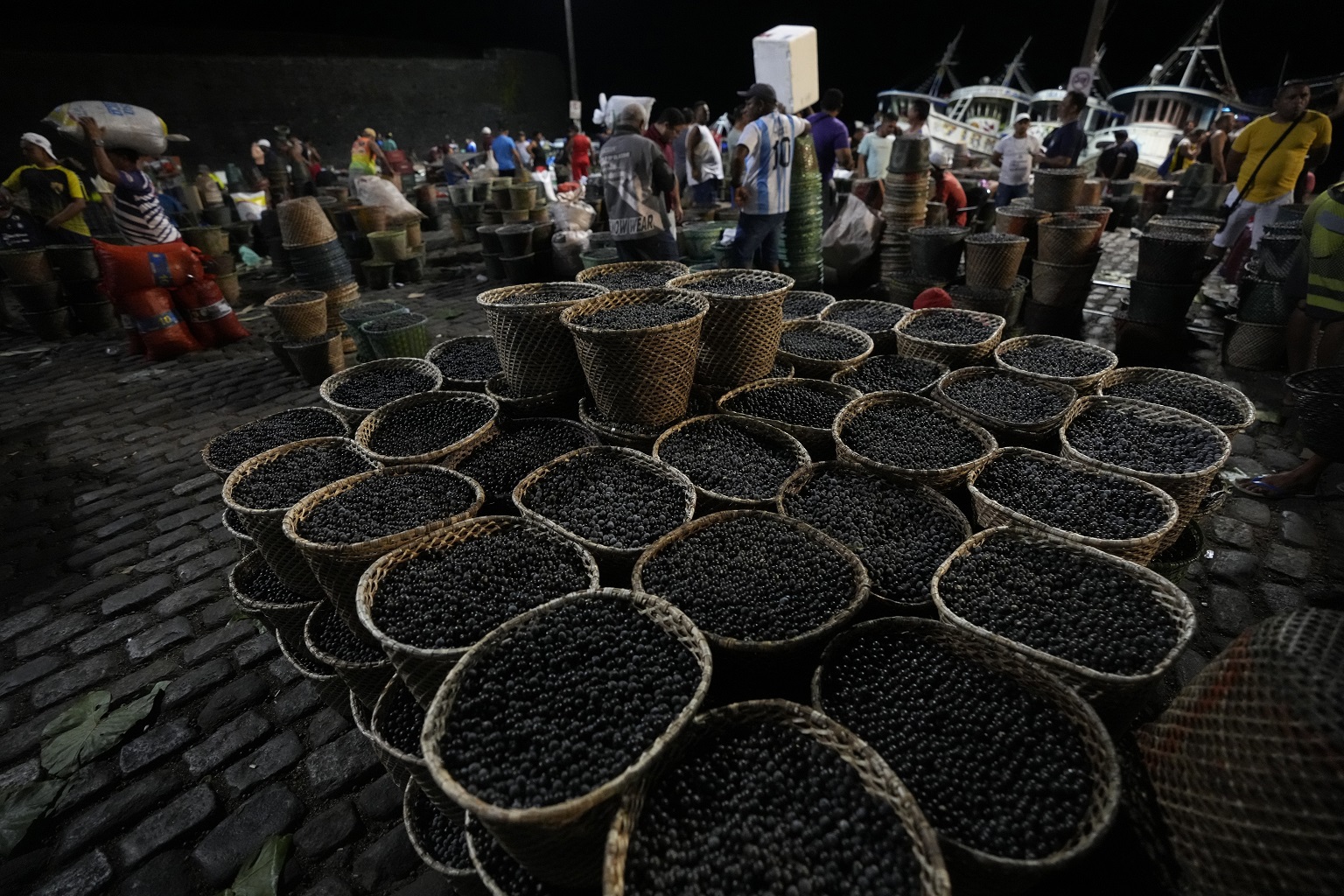
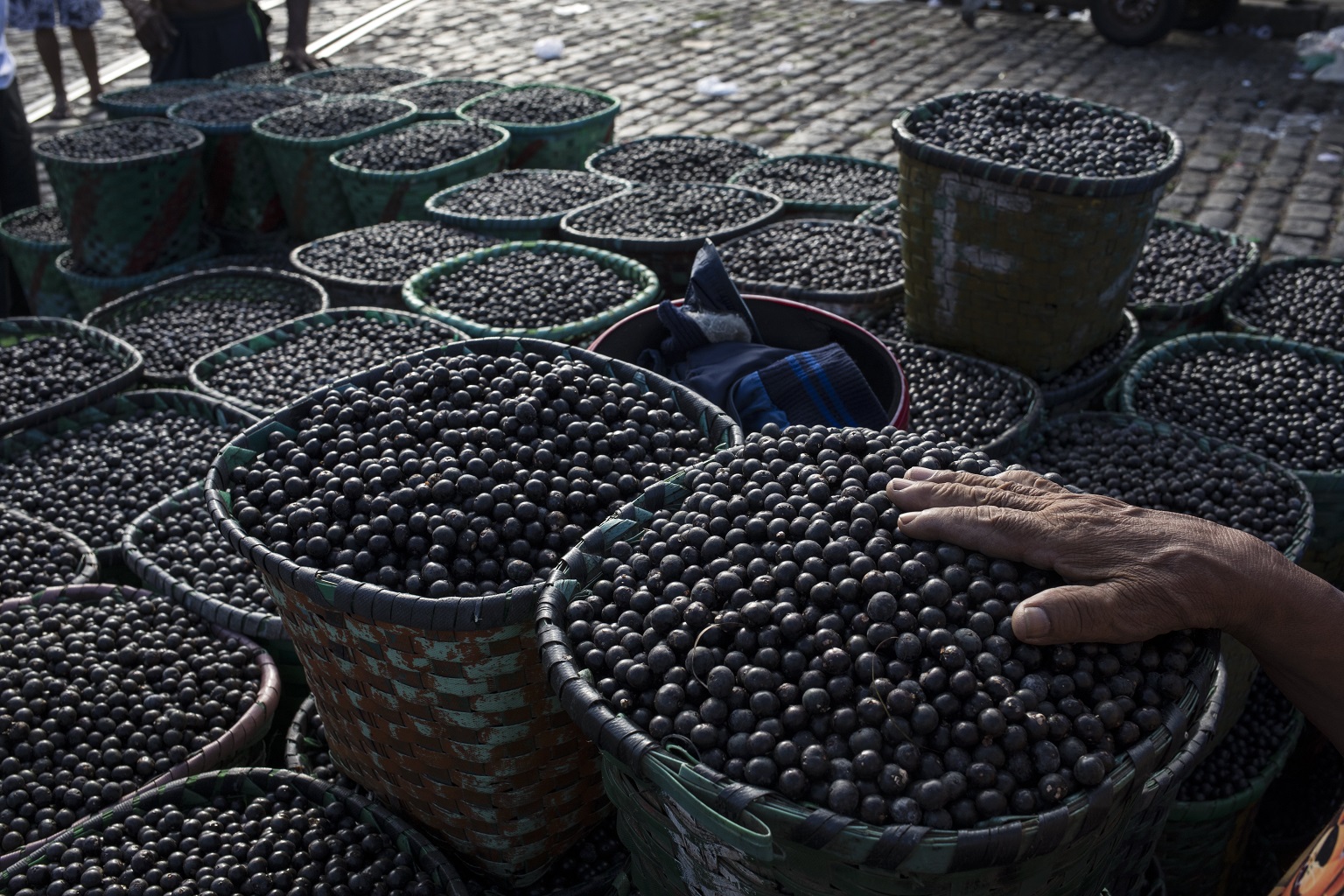
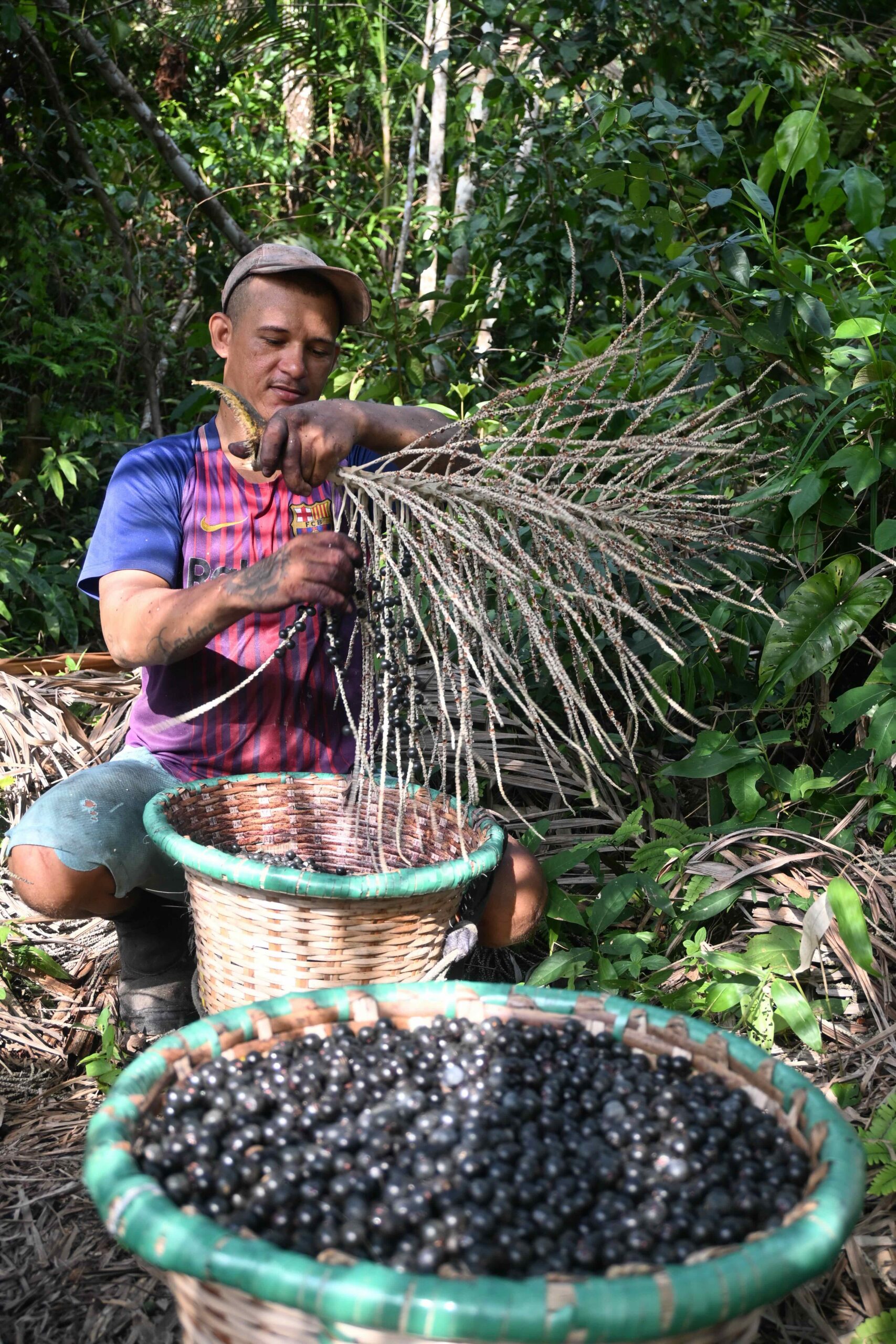
Until the 1990s, the açaí berry was a well-kept secret among Amazonian river communities, where it was consumed during meals as a thick pulp accompanied by regional fish and flours. With new processing techniques, the product was shipped throughout Brazil, where it gained popularity as a sweet snack similar to an ice cream.
By the 2000s, the berry had taken the world by storm, rebranded as a healthy “superfood” and promoted as an antioxidant with high-energy value. It has since become widely incorporated into smoothies, granola bowls, beverages and dietary supplements.
Meanwhile, the fruit’s harvesting remained deeply concentrated in the Brazilian Amazon. According to the country’s agricultural statistics, production reached a record 1.7 million metric tons in 2024. The state of Pará alone accounts for about 90% of total output.
Most of that volume continues to be consumed locally, where the berry is a staple of food and culture. Local industry groups estimate that only 5% of production is currently exported, primarily to the United States and Europe. But market analysis shows international demand continues to rise, and the global açaí market could reach nearly $3 billion by 2034.
As the berry’s popularity grew, many producers began changing their cultivation methods to increase output and fight a hotter climate. Official data suggest a 70% expansion of cultivated açaí palms — planted as part of agroforestry systems or intensive plantations between 2015 and 2023. Meanwhile, extractive production remained relatively stable.
Today, traditional extractive harvesting accounts for only 14% of Brazil’s total production, according to Brazil’s Institute of Geography and Statistics, IBGE.
“It all began in the 2000s, when a trend emerged of removing other tree species around açaí palms to increase production,” said researcher Hervé Louis Ghislain Rogez, a professor at the Federal University of Pará in Belém. “These practices kept intensifying and spreading as the price and demand for açaí continued to increase.”
By 2017, Rogez began to notice an extreme version of this trend. Larger producers and companies were planting monocultures of palm trees in upland forests. Today, these açaí farms are a common sight along highways in Pará.
“Farmers use tractors to clear the land and plant rows of açaí palm trees, very much following the North American agricultural model,” he said. “They use artificial irrigation and multiple products to fertilize the land. Some have even introduced nonnative Africanized honeybee hives for pollination.”
Rogez, whose work has helped reveal the nutritional properties of açaí, said these new models present a paradox. Açaí palms are being removed from their natural form and habitat in floodplains and dense forests, only to be planted in ways that require heavy intervention. “Instead of adapting the system to nature, producers have adapted nature to the system.”
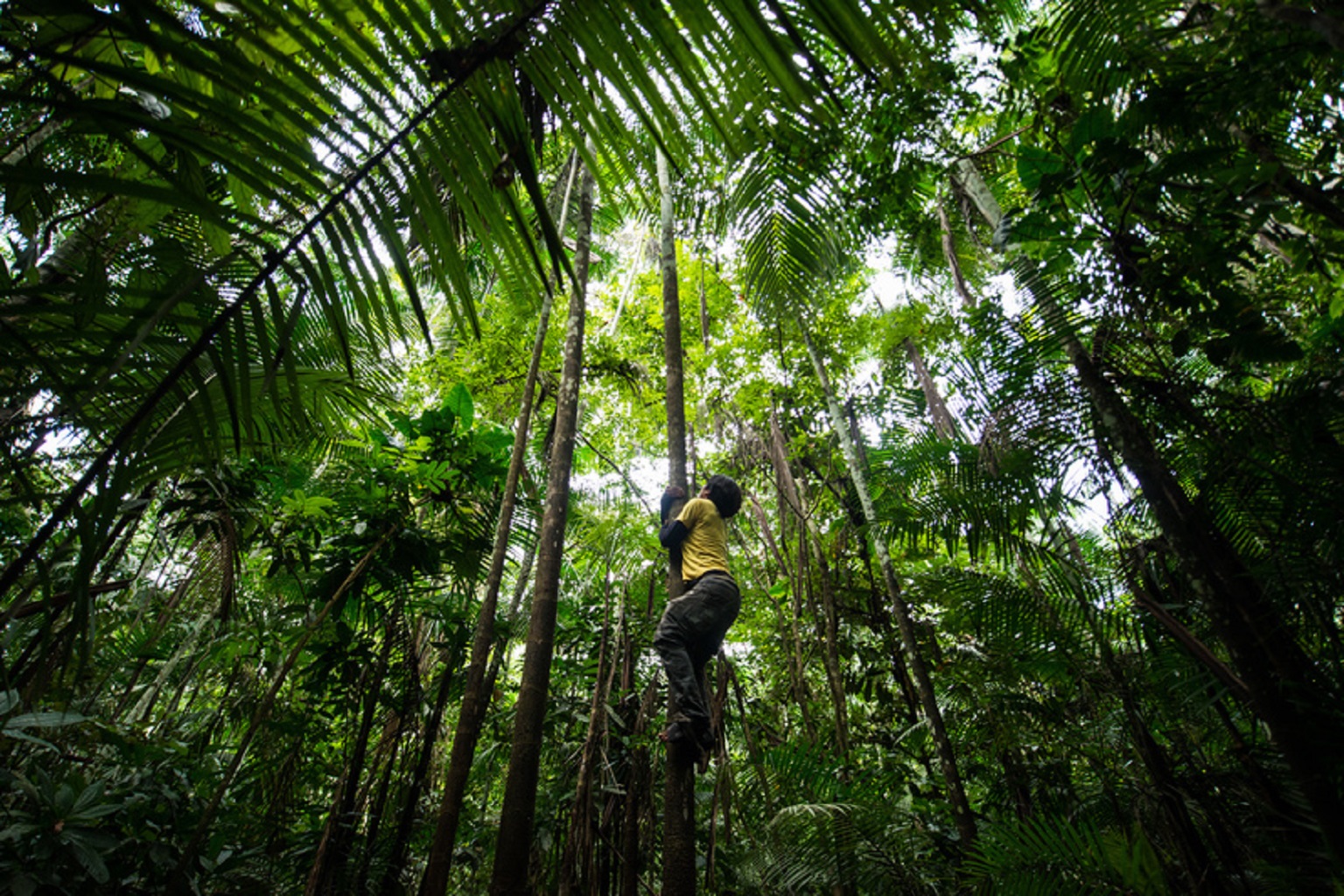
Gracionice Costa da Silva Correa is one of the açaí farmers still sticking with ancient methods. She grew up in a family of traditional açaí harvesters in Marajó, an island in the mouth of the Amazon River. At only 10 years of age, she first climbed a palm tree with her bare hands and feet to harvest a cluster of açaí berries. Now at age 45, Correa continues to harvest the berries on her own 3-hectare (7.4-acre) plot on the island. She prides herself on maintaining the same harvesting methods that her family has practiced for generations, with minimal intervention in the forest. No agrochemicals, no artificial irrigation and no excessive tree clearing.
But keeping these practices alive has become increasingly difficult. “The weather is a lot different than when I was a kid,” Correa told Mongabay. “Under extreme heat and drought, we are seeing weaker palm trees, with yellow leaves and thinner trunks. Açaí clusters that never flower and berries that dry out before developing.”
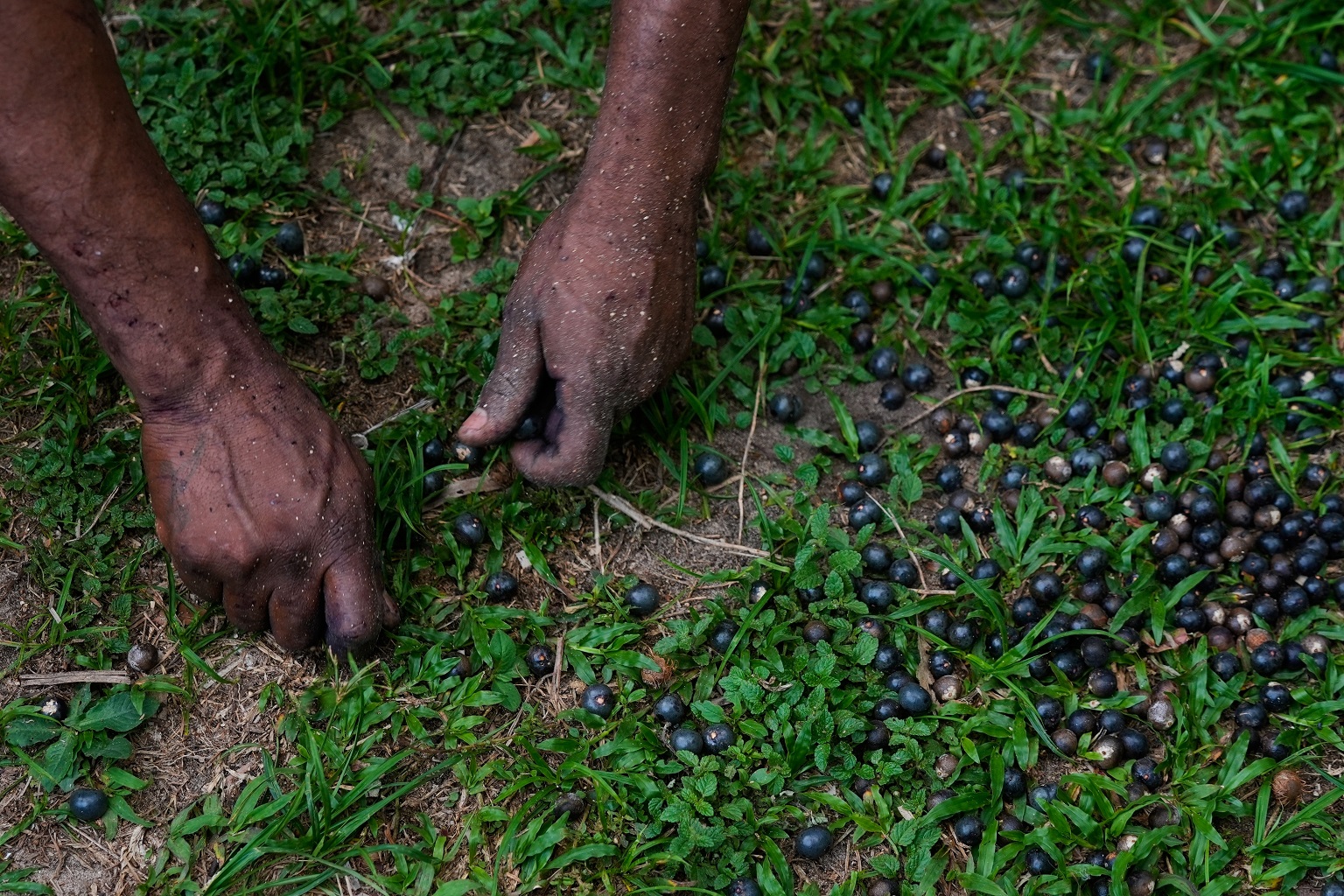
Correa said shifting climate patterns are especially hurting small producers who rely on low-intervention harvesting — often growing açaí for family consumption and local markets.
After attending school for the first time at age 18, she became the president of the local açaí cooperative Manejaí, made up of 27 traditional harvesters. The group typically produces around 20 tons (44,000 pounds) of berries per year from upland forest areas, which it sells to nearby schools and institutions. But since 2023, their total output has been down by 35%.
“The impact can last for years,” she said. “When the weather is very dry, the first harvest actually produces decent quality açaí. But in the second year, the açaí becomes dry and hard. By the third year, we have a lot of problems because the flowering becomes weak and produces very little fruit.”
Correa said climate extremes are also preventing harvesters from reaching their full potential. “We estimate that some of our producers could be harvesting up to 6,000 kilograms [13,200 lbs] of açaí during the season,” she said. “But right now, they’re getting no more than 4,000 kg [8,800 lbs].”
Similar concerns have been raised by extractive açaí producers across the region for more than a decade.
In 2014, researchers interviewed 424 river-dwelling producers in northeastern Pará, known locally as ribeirinhos. About 72% reported that their harvests suffered in hotter years. In a 2017 follow-up, in-depth interviews revealed that they experienced losses of around 22% during above-average temperatures.
“We wanted to understand not so much the science, but what the perceptions were for producers on the ground,” said Daniel Tregidgo, lead author of the 2020 study published in the journal Human Ecology. “It was interesting that even before climate change was widely understood, producers were already telling us it was getting hotter, and their açaí harvests were being affected.”
Forest impacts
More intensive plantations allow farmers to harvest larger volumes of açaí. They can also produce fruit outside the natural season through irrigation and fertilization. But scientists warn these practices could compromise the ecological balance long maintained by traditional harvesting.
In 2021, a study published in Human Ecology assessed the impact of açaí palm density in the Amazon River mouth, in Pará. In 47 selected floodplain areas, researchers examined the number of açaí palms per hectare, tree diversity and environmental factors such as soil fertility and canopy exposure.
Scientists found a clear pattern: The higher the density of açaí palms, the lower the diversity of other tree species. In the most intensively managed areas, almost half of the original species were disappearing. Some forest areas were almost entirely dominated by açaí palms.
Rogez warned that these clearing practices also have the unintended consequence of making açaí palms more vulnerable to climate change.
“Without so many trees around them, the impact of drought on açaí palm trees becomes even greater,” he said. “You lose the forest floor cover and the other species that help retain soil moisture. That is happening at the same time that there is less rain and river levels are lower.”
The removal of tree species near riverbanks can also lead to greater erosion. “When river levels are lower, the ocean tide pushes farther inland, and the water becomes more saline,” he explained. “With these palms growing right along the banks, we’ve seen areas with erosion up to 10 times higher than normal.”
To address these risks, the Brazilian Agricultural Research Corporation (Embrapa) has been hosting workshops to encourage more balanced forest management. José Antônio Leite de Queiroz, an analyst at Embrapa with 40 years of experience working with açaí, has led several training sessions for producers in the Amazon River mouth.
“We give basic talks on ecology, showing how açaí palms relate to other species and why it’s important to preserve those trees,” he said. “Our only challenge is reaching these producers. There are more than 10 million hectares [24.7 million acres] in the [Amazon River mouth] region, and we don’t have the capacity to reach everyone.”
However, Embrapa’s recommendations vary depending on where açaí is grown. In upland areas, Queiroz said producers have little choice but to adopt artificial irrigation.
“We are emphatic when it comes to cultivating açaí in upland areas. If you can’t irrigate, don’t even think about planting,” he said. “Otherwise, you will be very susceptible to climate shifts. We’ve seen areas where almost 100% of production has died.”
The amount of water used in these areas can be substantial, and it is increasing. Under normal conditions, Embrapa recommends applying about 120 liters (31.7 gallons) of water per palm clump per day during the dry season. During prolonged droughts, producers often increase that amount to around 180 l (47.6 gal) per day to maintain productivity.
Queiroz said 99% of upland producers currently use some form of artificial irrigation.
Communities on the edge
Back on Marajó Island, Correa said producers who use intensive cultivation methods are also suffering from climate change. “But it’s a different kind of suffering,” she said. “We suffer from drought and from reduced production, and they suffer from the financial costs, because it’s getting more expensive to keep up.”
But she also said traditional producers are at a greater disadvantage when facing the same challenge. “We don’t have the technologies and financial resources that they apply in great amounts, we just don’t. That allows them to recover much quicker from climate impacts.”
These differences are pushing many harvesting communities to the brink.
In the neighboring state of Amapá, traditional açaí communities on the Bailique Archipelago were forced to rely on government assistance after the 2023 drought severely disrupted production. With rising temperatures and oceans, locals are also experiencing longer periods of salty water in crops, a natural phenomenon that is becoming more usual due to climate change. Açaí berries are becoming saltier as a consequence.
These communities at the mouth of the Amazon River take pride in maintaining one of the Amazon’s most successful forest-based açaí production systems. The local cooperative Amazonbai, with 161 producers, has earned multiple sustainability certifications, including Forest Stewardship Council certifications for forest management, carbon storage and biodiversity conservation.
However, when local waterway levels dropped dramatically, the natural flood cycle that sustains their açaí forests was interrupted. “Our açaí depends on the river rising and falling every day,” said Amiraldo Picanço, 40, president of the cooperative. “When the drought came, that cycle was broken.”
Following the drought, the cooperative recorded açaí losses of more than 60%, with total output falling to about 72 tons (around 158,700 lbs), far below the 1.5 million kg (3.3 million lbs) expected in a normal year.
“It was an extremely difficult moment,” he said. “More than 10 communities became practically isolated because the river dried up.” With waterways cut off, transporting açaí and other goods became nearly impossible.
Picanço, who has worked with açaí for 17 years, said what scares him the most is food insecurity. About 20% of the cooperative’s output is usually kept for local consumption. When harvests fall and prices rise, communities struggle to access the fruit. “Our food here is açaí,” he said. “When production drops, it affects people’s ability to eat.”
Lack of support
For Maria Luiza de Andrade Benini, project manager at the Brazilian nonprofit Instituto Terroá, part of the problem is that these communities receive very little support to cope with a changing climate. “The ones who will suffer the most are already the most vulnerable — producers, cooperatives and local associations.”
The nonprofit works with the açaí supply chain to address these challenges. In 2018, it helped create Dialogues Pró-Açaí, a network that brings together producers, researchers, government agencies and the private sector to share knowledge and improve coordination across the industry.
In a recent policy brief, the network specifically examined the impacts of climate change on the açaí sector. “We are concerned because some production chains could stop existing with increases in temperature,” she said. “The Amazon could stop being a producer of açaí, which would be devastating for the region.”
The document argues that agroextractivist families and traditional communities are more vulnerable because they have long been marginalized within the açaí market. While they are an essential part of the supply chain, they often receive only a small share of the final value of açaí products.
After palm trees have been carefully managed for years and the berries have been harvested, they are transported to riverside towns, where the fruit is pulped and frozen for preservation. The pulp is then shipped to larger processing facilities in cities such as Belém, the capital of the state of Pará. From there, açaí products enter the market, where they sell for much higher prices than what producers receive.
Another issue is the high level of informality. Much of the local production and trade happens outside formal systems, often without written contracts or reliable records. As a result, the brief notes that the true value of the local industry is likely underreported and underestimated.
At the same time, Benini said these communities are being sidelined by public policies. “Many producers don’t have access to credit or the resources needed to adapt to climate change,” she said. “Let’s suppose temperatures continue to rise. Even if they wanted to start using irrigation systems, most of them would not be able to afford it.”
To address these vulnerabilities, the policy brief proposes new financing mechanisms to support these groups when production plummets in extreme climate years. The goal would be to guarantee income and protect food security. The document suggests international forest finance mechanisms, including the Amazon Fund and the Tropical Forests Forever Facility, could provide part of the funding.
The brief also highlights the need for more technical support to help producers improve forest management and expand production through agroforestry systems. “In the Amazon, there isn’t much diversification in production,” Benini said. “Communities that live from Brazil nuts focus on Brazil nuts. Those who work with açaí focus on açaí.”
She argued that families need a more varied production calendar so they are less dependent on a single successful açaí harvest each year. “It’s important that producers can sell other products and other foods in the off-season, because their system is very vulnerable right now.”
Holding on to tradition
On Marajó Island, Correa said that despite these challenges, she is determined to hold on to the açaí harvesting traditions. For her, it’s not only about making a living, but also about maintaining her community’s culture and identity. “My children are already watching what we do and learning from us,” she said. “We want this knowledge to be carried forward.”
Since 2012, her community has hosted workshops called Children of the Forest, in which older community members pass on lessons to pregnant women and children. This includes information on when to harvest açaí, how to manage palms without clearing the forest, and the role of rivers in açaí production. “This is what we call traditional knowledge,” she told Mongabay.
She sees these teachings as part of a broader set of environmental lessons crucial to their communities’ survival. “They need to understand how human life can coexist with the forest, with animals and with our territory,” she said. “No matter what happens in the future, we want them to continue living in nature.”
She also said this knowledge can be an important form of resistance to protect their threatened territory.
The communities on Marajó Island live in 10 land settlements created in the 1990s under Brazil’s federal agrarian reform program. Residents can legally occupy the land, practice extractivism and farm on a small scale. But they often face pressure from illegal loggers and land-grabbers trying to profit from the same forest. Traditional communities across the Amazon rainforest face similar threats.
“There is a lot of conflict here with gunmen, land-grabbers and illegal loggers all fighting over the forest,” she said. “I have faced this since I was 14 years old and have received many death threats. In fact, I can’t stay in my original community for more than 15 days at a time because it’s too dangerous.”
For her, the risks only reinforce what is at stake. “I intend to continue this work for as long as I live,” she said. “This açaí, and the forest that produces this fruit, are worth fighting for.”
Banner image: Açaí berry production in Sawré Muybu Indigenous Land, home to the Munduruku people, Pará state, Brazil. Image © Valdemir Cunha / Greenpeace.
Seminarian-turned-fire-agent preaches new tactics to fight Amazon’s burn crisis
Citations:
Flores, B. M., Montoya, E., Sakschewski, B., Nascimento, N., Staal, A., Betts, R.A., … Hirota, M. (2024). Critical transitions in the Amazon forest system. Nature. Retrieved from https://www.nature.com/articles/s41586-023-06970-0
Tregidgo, D. J., Campbell, A. J., Rivero, S., & Benjamin Freitas, M. A. (2020). Vulnerability of the Açaí Palm to Climate Change. Human Ecology. Retrieved from https://www.researchgate.net/
Freitas, M. A., Magalhães, J. L., Carmona, C. P., Arroyo-Rodríguez, V., Vieira, I. C., & Tabarelli, M. (2021). Intensification of açaí palm management largely impoverishes tree assemblages in the Amazon estuarine forest. Biological Conservation, 261, 109251. doi:10.1016/j.biocon.2021.109251
FEEDBACK: Use this form to send a message to the author of this post. If you want to post a public comment, you can do that at the bottom of the page.
