

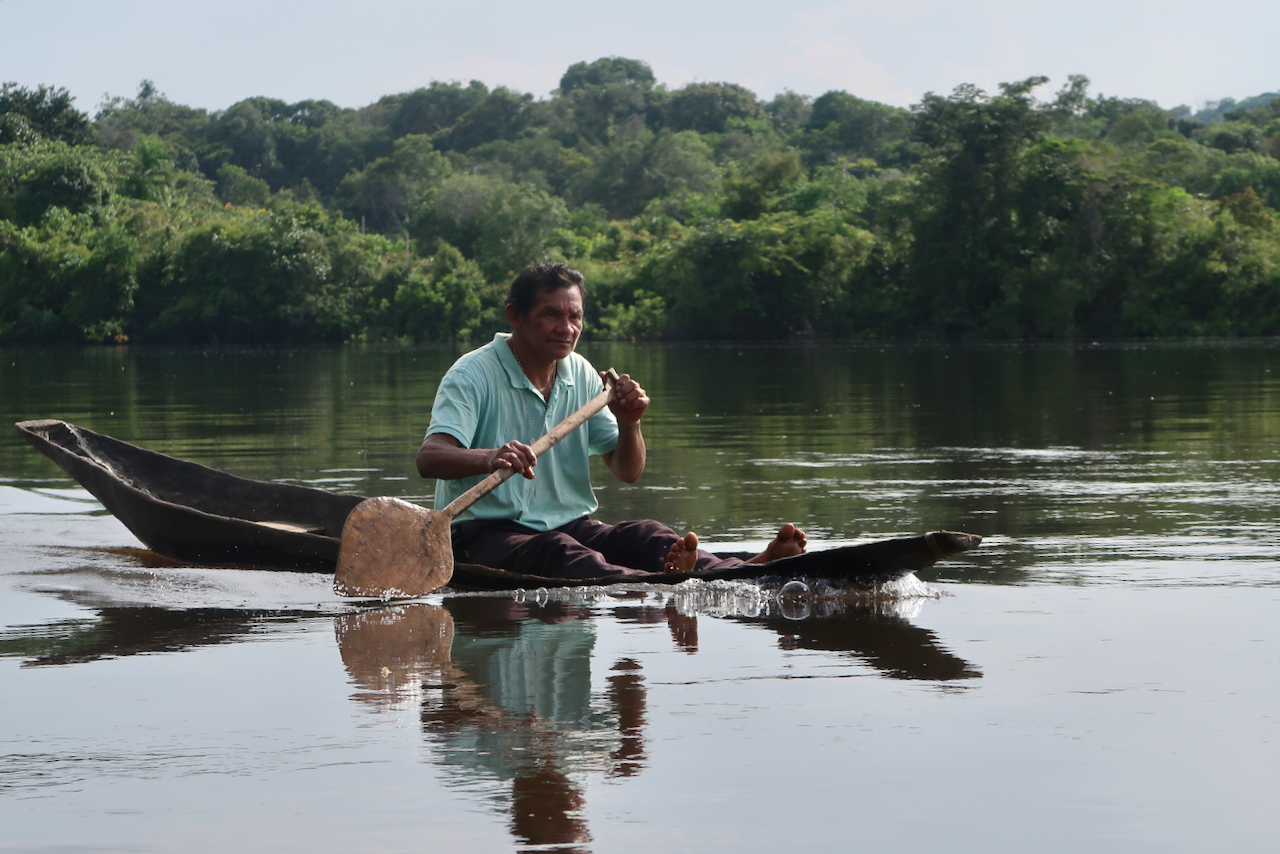
- Indigenous people who live downstream from a rapidly expanding Amazonian town on the banks of the Vaupés River told Mongabay the river is contaminated by sewage and has made people sick.
- To verify this, Mongabay obtained water quality studies from the Corporation for Sustainable Development of the Northern and Eastern Amazon, which confirmed that sewage contamination and organic load are above safe limits and may impact public health and the quality of the aquatic ecosystem.
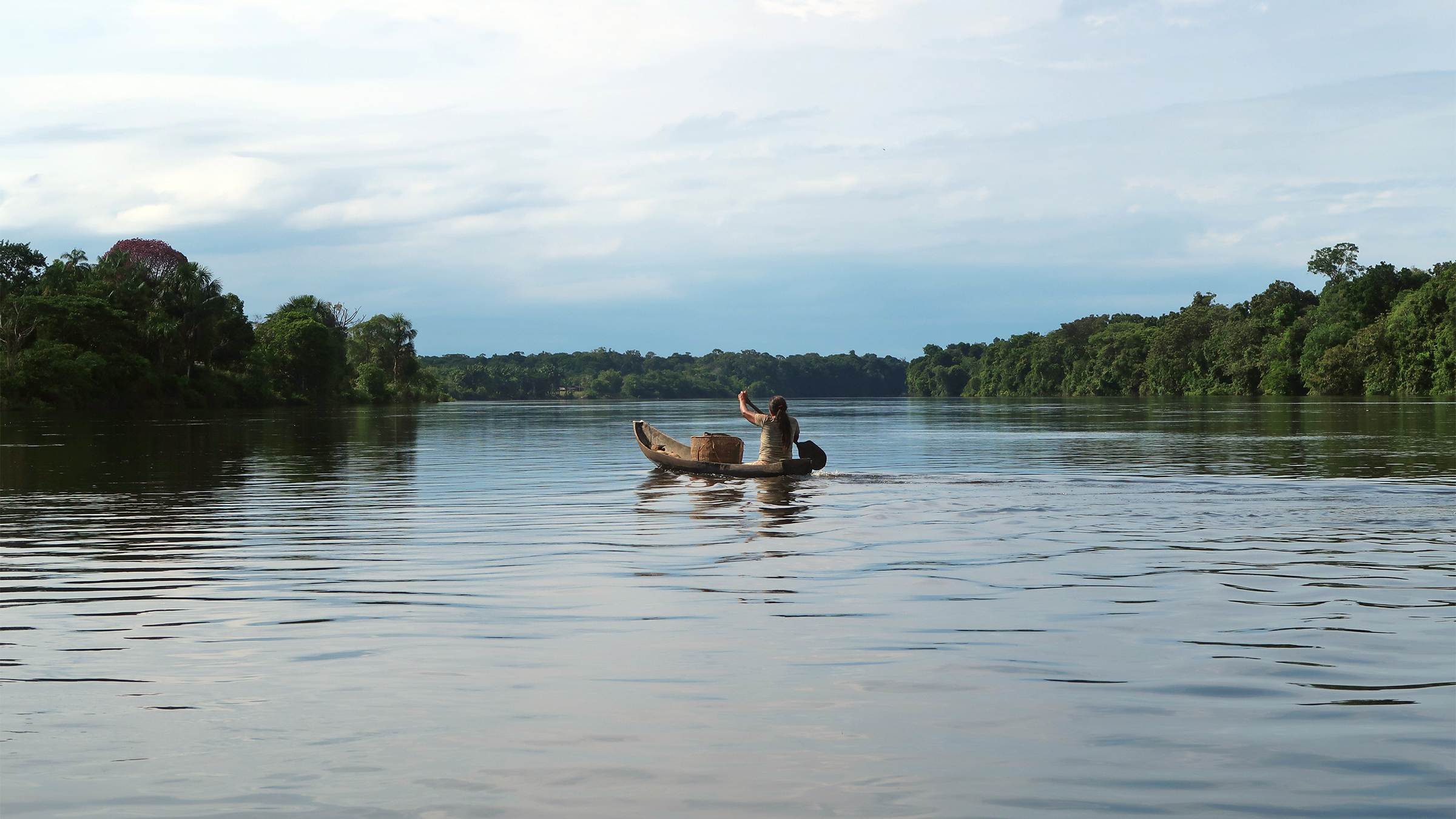
- Traditionally, the Macaquiño community downstream considers the Vaupés River to be a living being with whom they coexist and depend on it for bathing, fishing and human consumption.
- Public authorities in Mitú said the contamination stems in part from the municipality’s poorly constructed wastewater treatment plant, which was built on a flood zone and therefore frequently collapses, dumping untreated sewage into the river.
VAUPÉS, COLOMBIA — Traditionally, for members of the Indigenous Macaquiño community in the southeastern Colombian Amazon, the Vaupés River is not just a source of water, but a living being that must be respected. It supports all kinds of life, including fish, which have sustained the community for generations.
Now, as a nearby Amazonian town upstream rapidly transforms into an expanding urban municipality and increasingly brings untreated wastewater from its poorly constructed treatment plant to the banks of Macaquiño, that same water is bringing them sickness and disease, residents say.
During a visit to Macaquiño in September 2025, community members told Mongabay the Vaupés River is contaminated by untreated sewage dumped into it in the town of Mitú.
“It’s like an atomic bomb coming out of the sewer,” said Julian de Jesus Madrid Correa, a member of the Macaquiño community. He said it causes rashes, itches and fevers, especially in children, and has begun to spread diseases, such as dengue and hepatitis.
To verify what the community told us, Mongabay obtained water quality studies from the Corporation for Sustainable Development of the Northern and Eastern Amazon. Its latest report, which contains results from water samples taken in 2025 across four sites in Mitú, confirms there is contamination above safe limits in the Vaupés River that could impact public health and the quality of the aquatic ecosystem.
Fecal coliforms (fecal bacteria), which indicate sewage or manure contamination in water, far exceeded the safe limits of 2,000 MPN/100mL at 5,400 MPN/100mL. This sample was taken at the place where wastewater is discharged, which is an important site for artisanal fishing. This can increase the risk of disease, viruses or pathogens among populations that depend on the river and impact the water quality .
Another parameter that exceeded safe limits and confirms what community members, authorities and local NGOs, such as the Amazonian Scientific Research Institute (Sinchi) and the Center for Intercultural Medical Studies, told Mongabay, was the presence of total coliforms (bacteria found in soil, decaying vegetation and the intestines of warm-blooded animals), which also implies that the Vaupés River may be contaminated with sewage or other decomposing waste. This was at 22,220 MPN/100mL in the sites located downstream of the wastewater discharge point, despite the recommended safe limit of 20,000 MPN/100mL.
Levels of organic load and microbiological contamination were also registered above safe limits, meaning there is a high quantity of unwanted microorganisms in the water that could lead to high risks of disease or poor water quality.
Biochemical demand, which is the amount of oxygen consumed by bacteria when breaking down organic matter, such as sewage, has a safe limit of 5.0 mg/L, but it was registered at 7.4 mg/L. This can add greater pressure on wastewater treatment processes and increase the potential risk of oxygen depletion, which can impact aquatic life.
In an interview with Mongabay, Isabel Neuta Mendez, a university professional in environmental health at the Vaupés Departmental Health Secretariat, said she could not confirm whether there was water contamination in the river and that the health department had not received any reports of contamination-related infections or waterborne or foodborne illnesses, other than a few cases of hepatitis in Mitú in 2025, which is transmitted through water.
Mendez added that there may have been more cases, but this was not seen at the clinic. “The [Indigenous] communities in particular don’t like to visit the doctor,” she explained.
Inadequate wastewater treatment
In 2012, a wastewater treatment plant was constructed in Mitú to reduce the amount of pollution discharged into the Vaupés River by the municipality’s swelling sewage system. It was an important addition to the area, which had seen its population increase from just over 4,000 five decades ago to almost 30,000.
But there was one problem: The plant was constructed in a flood zone.
Vicente Enrique Hernández Quevedo, the director of public services in Mitú, told Mongabay over a phone call that because the plant was constructed on a wetland area, during the winter months, the system collapses and floods. “This wastewater goes directly into the river,” he said. “There is no treatment whatsoever.”
Quevedo explained that the Mitú sewage system also wasn’t designed for the current population. “Right now, the urban area of Mitú is growing very rapidly, and the sewer system wasn’t designed for that capacity, which is causing it to collapse.”
Mitú’s wastewater treatment plant is a mixed system, which means it receives both wastewater and rainwater, Mendez said. Heavy rain, which is common in Amazon regions, can overwhelm the system, diluting the bacteria that are responsible for consuming organic matter and carrying out the wastewater treatment.
“It’s like if you have a little bit of coffee and you add [a lot of] water,” she explained. “You’re not going to get the same coffee anymore.”
Quevedo said another issue is that in Mitú, residents have little environmental awareness and a lot of garbage is dumped on the ground. Therefore, when it rains, the garbage is washed away into the canals that transport the sewage, causing blockages in sections that lead to collapses and sewage overflows.
“The wastewater doesn’t reach the treatment plant where it would be properly treated,” he said. “Instead, it is dumped directly into the river due to overflows from the system.”
Mendez added that where the initial filtration takes place, they have found diapers, bottles and beer cans. “They even found a refrigerator there once, mattresses, all sorts of things.”
Health impacts
During our visit, Elisa Fernández Sánchez, the female commander (comandante de mujer) of the Indigenous Macaquiño community, told Mongabay that the community is suffering because of the pollution. “It’s serious,” she said.
Correa told Mongabay that during the summer months in Macaquiño, when the water levels drop, he finds that his face and body break out, he feels itchy, and these symptoms are sometimes followed by a fever.
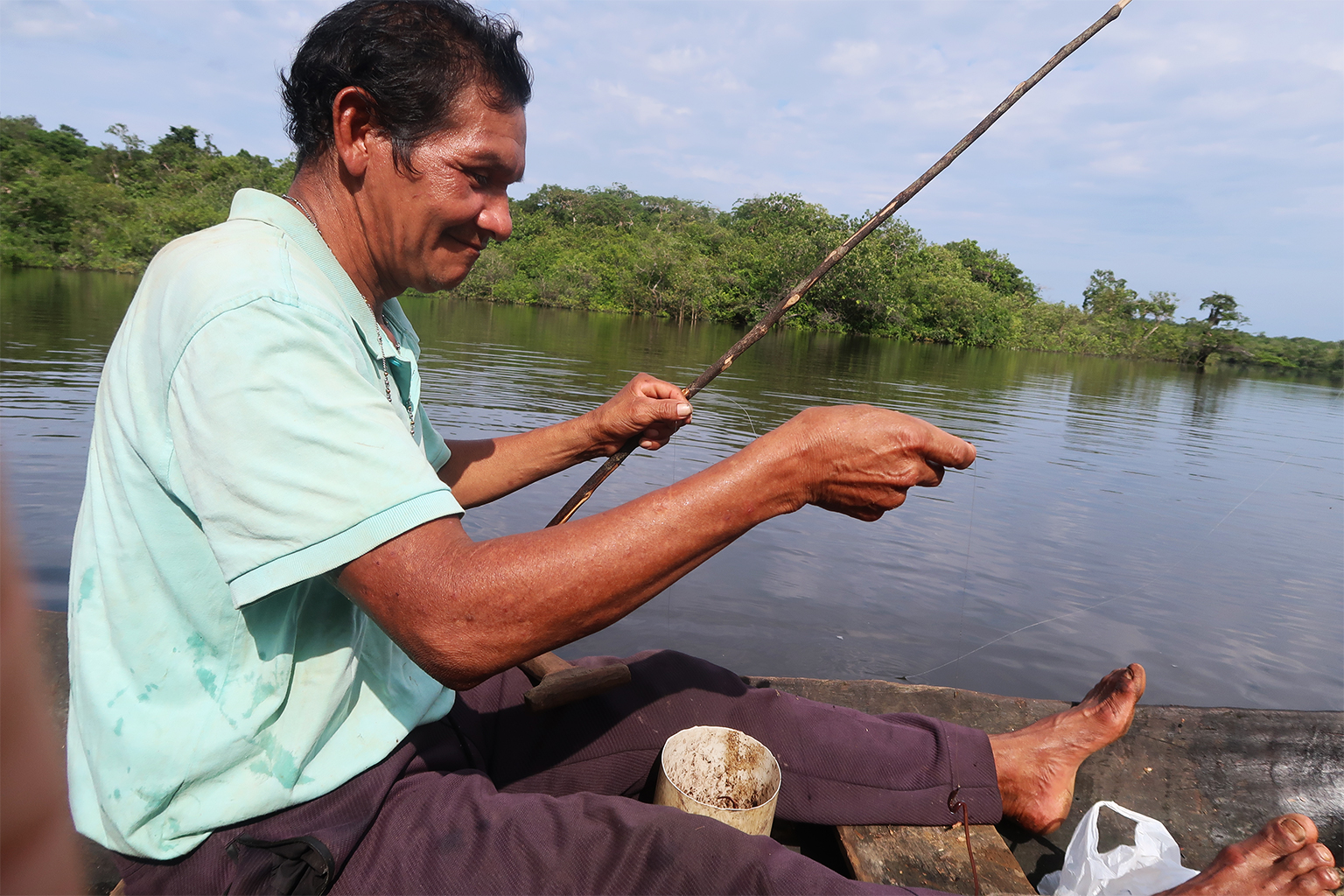
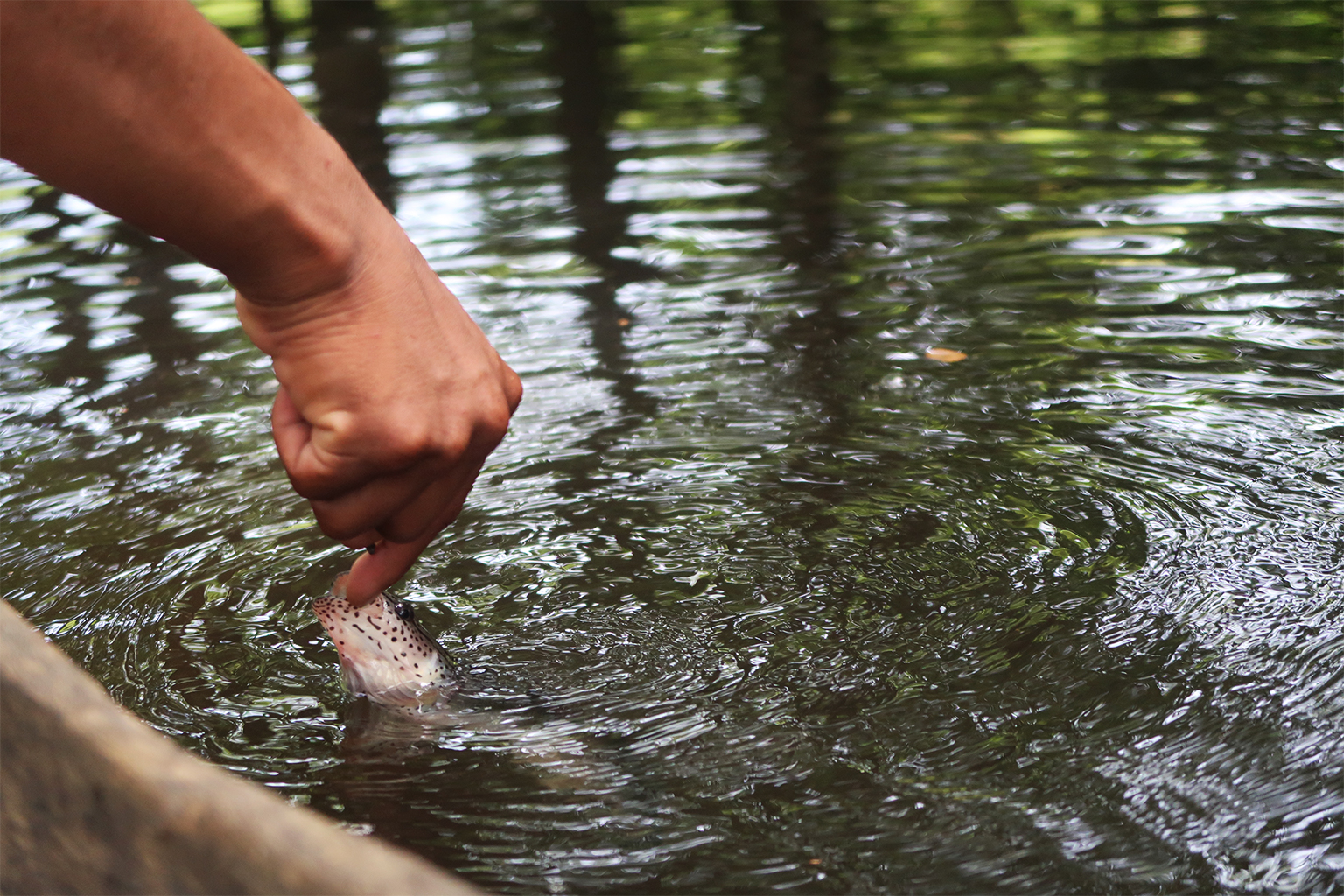
“With this pollution, the fish are going to die too,” he said. “We always get our food, mostly fish, from the river.”
In 2024, Sinchi published a report on the issue that said the inadequate wastewater treatment plant had generated unpleasant odors, foul-smelling water and the emergence of many diseases in the communities. Luis Fernando Jaramillo Hurtado, the coordinator of researchers at Sinchi’s Vaupés branch, told Mongabay over a video call from his house in Mitú that he knows of many cases of gastrointestinal issues and skin rashes in Indigenous communities near the municipality.
Juan Camilo Sánchez Mesa is a member of the Macaquiño community, youth representative for the territories of life (TICCA) committee of the Association of Traditional Indigenous Authorities Surrounding Mitú, which works in the defense, visibility and strengthening of territories in the Amazon region. He told Mongabay the contamination has already begun to impact the fish in the Vaupés River.
“We who live near Mitú downstream are affected a lot,” he said. “We get our fish from the river, and the fish aren’t the same. The fish taste different, and it’s because of the pollution.”
To deal with the issue, Quevedo said the municipal government is developing a master plan for the sewage system, which aims to address some of the problems, such as the collapse of sewage pipes and problems associated with the wastewater treatment plant being located in a flood zone.
He said the plan isn’t to build a new plant, but to remodel the existing one. He acknowledged that the water contamination affects Indigenous communities and called for the national government to address this.
Banner image: Harold Ferreira Romero, a fisher from the Indigenous Macaquiño community in Vaupés, fishes in a lagoon that is considered sacred to the community. Image by Aimee Gabay.
Urban sprawl and illegal mining reshape a fragile Amazon frontier
Citations:
Aristizabal-Tique, V.H., Gómez-Gallego, D.M., Ramos-Hernández, I.T. et al. (2024). Assessing the Physicochemical and Microbiological Condition of Surface Waters in Urabá-Colombia: Impact of Human Activities and Agro-Industry. Water Air Soil Pollution 235, 260. doi: https://doi.org/10.1007/s11270-024-07050-3
FEEDBACK: Use this form to send a message to the author of this post. If you want to post a public comment, you can do that at the bottom of the page.
