

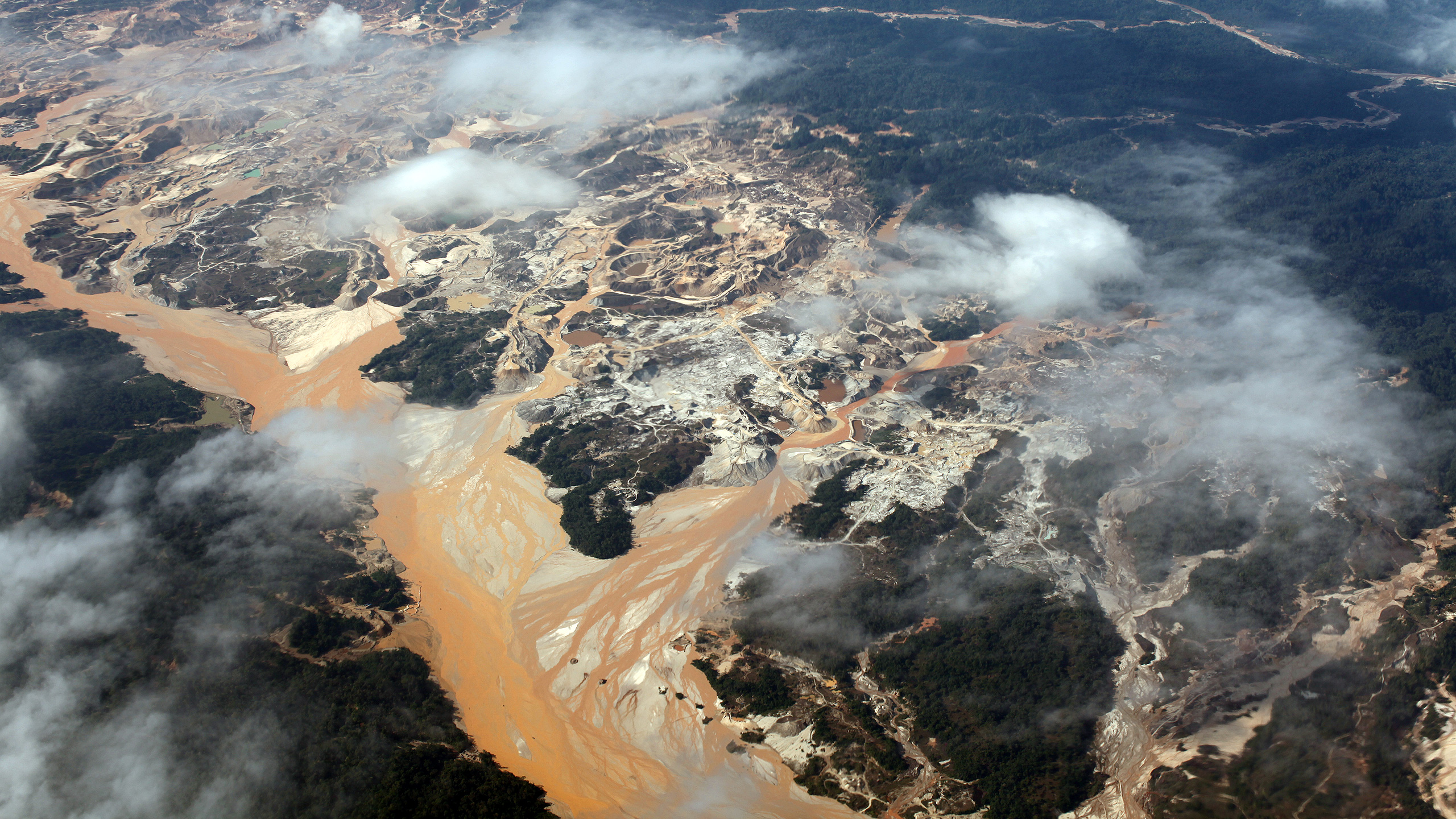
- The Amazon is approaching a critical tipping point, where deforestation, degradation, fire, and climate change together risk pushing large areas toward irreversible ecological collapse.
- A growing nexus between organized crime and environmental crime is accelerating forest loss, distorting economies, and undermining governance across the basin.
- Addressing the crisis requires more than conservation alone: stronger enforcement, institutional reform, and investment in a sustainable socio-bioeconomy are essential, argue Carlos Nobre, Robert Muggah and Ilona Szabo.
- This article is a commentary. The views expressed are those of the authors, not necessarily of Mongabay.
The Amazon is approaching a dangerous threshold. Long understood as the world’s largest tropical forest and a critical regulator of the global climate, its future is increasingly shaped by the convergence of organized crime and environmental crime. This nexus is accelerating deforestation and degradation, worsening fire risk, undermining governance, and weakening the economic foundations needed to sustain the region.
Approaching a tipping point
For decades, debate over the Amazon has centered on land-use change driven by agricultural expansion and cattle ranching. These pressures remain decisive. The advance of soy cultivation and pasture continues to fragment forests and disrupt rainfall cycles. When deforestation and degradation interact with climate change and fire, many scientists warn that parts of the Amazon—especially in the eastern and southern basin—could move toward an irreversible transition to a far more degraded, savannah-like state.
A widely cited body of research suggests that such a tipping dynamic may emerge when deforestation reaches roughly 20 to 25 percent in some parts of the basin, especially when compounded by rising temperatures, drought, and recurrent fire. About 14–17% of the Amazon has been cleared, depending on definition and geography. The broader scientific message is clear: continued forest loss and degradation sharply increase the likelihood of large-scale ecological disruption.
Many scientists warn that parts of the Amazon, especially the eastern and southern basin, are approaching dangerous thresholds once deforestation, degradation, fire and warming are considered together. Large-scale degraded areas scorched by fires, stripped by logging and desiccated by drought add a further layer of fragility that headline deforestation figures do not fully capture.
Yet focusing only on the expansion of agricultural and ranching frontiers risks missing a deeper transformation underway. Across the basin, a sprawling illicit economy has taken root, linking land grabbing, illegal logging, illegal gold mining, wildlife trafficking, unregulated agriculture and ranching, and associated crimes such as extortion, corruption, and money laundering. These activities are not always isolated or local. In many areas, they are increasingly coordinated, diversified and transnational.
Crime as a business model
The spread of criminal governance is one of the most important and least appreciated dynamics reshaping the Amazon today. Organized crime groups generally associated with narcotics are embedding themselves in environmental markets. In some cases, they occupy public lands, clear forests, extract timber, move into illegal mining, launder gold through formal supply chains, and speculate on land values once roads and infrastructure follow. This is not simply opportunism. It reflects an increasingly diversified criminal business model.
High gold prices and wider geopolitical instability have reinforced these incentives. Illegal gold mining is especially attractive to criminal networks because it offers high returns, low transport costs relative to value, and access to legal markets through which illicit production can be laundered. Over the past decade, gold prices have doubled, increasing the profitability of illegal extraction across the Amazon basin.
That windfall flows directly into the forest. In 2024, Brazilian Federal Police estimated that around 25 percent of the roughly 85 tons of gold circulating in Brazil’s market was illegally mined. In Peru, the proportion is also alarming — financial regulators estimate that around 40 percent of the country’s $15.5bn in gold exports in 2024 originated from illicit sources. There, illegal mining is spreading into new river systems in the Loreto and Ucayali regions, reaching territories previously untouched.
Geopolitical turbulence, criminal opportunity
The same geopolitical volatility that is driving investors towards gold as a safe-haven asset is, paradoxically, benefiting
In Brazil, major organized crime groups such as the Comando Vermelho (CV) and Primeiro Comando da Capital (PCC) have expanded their involvement in illegally mining and related supply chains. Gold does not simply replace narcotics. It serves a different but highly complementary function: as a source of revenue, a store of value, and a commodity that can be integrated into legal markets with relative ease when enforcement is weak.
The result is a powerful feedback loop. Environmental degradation creates opportunities for criminal profit, while criminal governance accelerates environ
A governance crisis, not just an environmental one
Until recently, the convergence of organized crime and environmental crime received too little attention in international climate and biodiversity debates. That is beginning to change. The 2023 Belém Declaration marked an important shift by explicitly linking protection of the Amazon to action against illegal land grabbing, mining, logging and other illicit activities, while warning against an ecological point of no return. More recently, the COP process and the zero deforestation agenda has created an opportunity to place enforcement, transparency, and cross-border cooperation closer to the center of the climate agenda.
A notable institutional signal is now coming from Brazil’s Supreme Court. In a recent decision, Justice Flávio Dino ordered the federal government to immediately adopt stronger repressive measures against criminal organizations operating in the Amazon, explicitly recognizing that their expansion is a driver of environmental crime. The ruling requires concrete action by the Federal Police, Federal Highway Police and Ibama, alongside joint operations with state police and an expanded security presence in critical territories, especially border areas.
The implications of criminal expansion in the Amazon for climate stability are profound. The Amazon helps generate its own rainfall through evapotranspiration and moisture recycling, sustaining not only forest ecosystems but also agricultural systems across much of South America. Continued deforestation and degradation risk disrupting these hydrological cycles, reducing precipitation, intensifying droughts, and increasing the frequency and severity of extreme fires. In some areas, the forest is already losing its capacity to function as a reliable carbon sink.
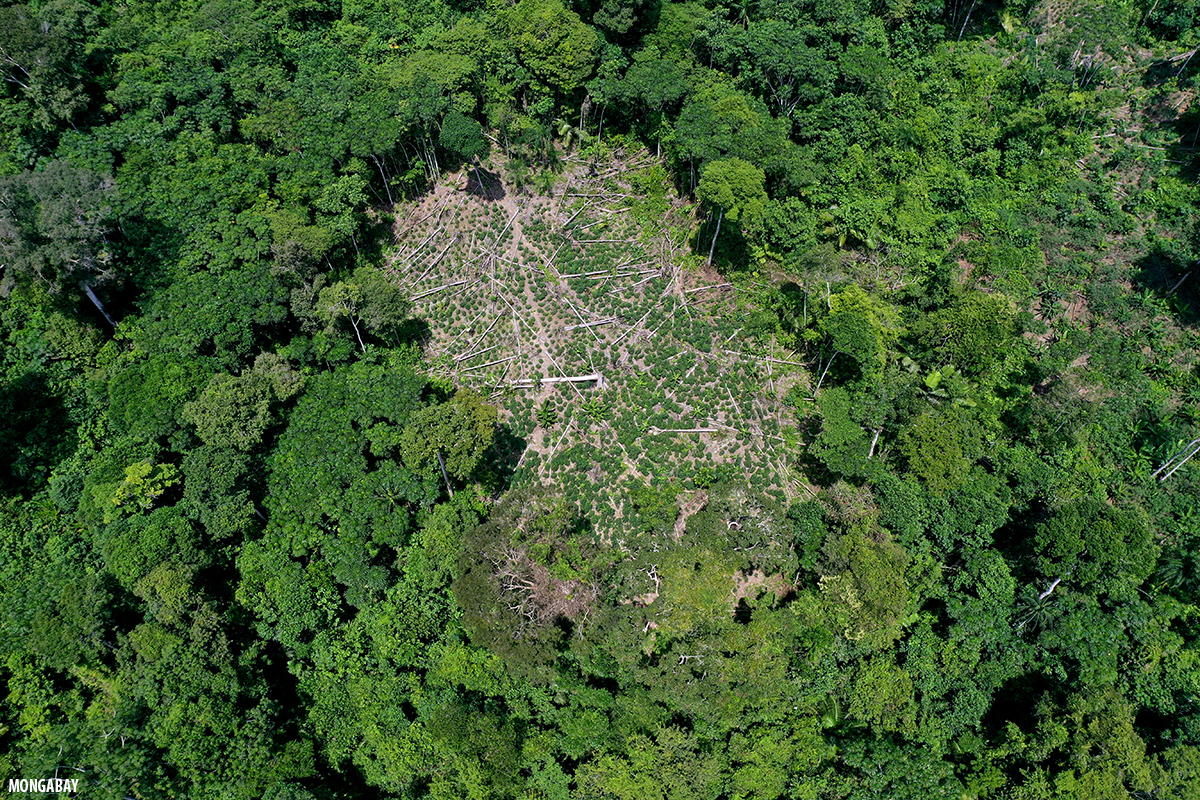
The economic consequences are also greater than is often understood. Criminalized forest economies distort markets, deter investment, and suppress legitimate enterprise. They increase transaction costs, deepen uncertainty, and erode the rule of law. Organized environmental crime does not only destroy forests. It also undermines the conditions required for productive, legal, and inclusive development.
This has direct implications for the emerging Amazon socio-bioeconomy, often presented as the region’s most promising development pathway. Sustainable forestry, non-timber forest products, restoration initiatives, carbon projects, and nature-based solutions all depend on secure land tenure, transparent supply chains, and effective governance. Where criminal networks dominate, these conditions are weak or absent. Climate and nature finance still often underestimate these risks. Insecure tenure, illegal extraction, corruption, and criminal control over territory can erode the viability of restoration, regeneration, and bioeconomy investments before they even begin.
In some cases, these risks are already materialising. Illegal mining contaminates rivers with mercury, compromising fisheries, food systems, and public health. Land grabbing inflates land values and displaces communities, complicating regularization and reducing investor confidence. Corruption weakens enforcement and compliance, while money laundering enables illegal actors to recycle profits into nominally legitimate sectors. These are not marginal distortions. They are structural barriers to a lower-carbon, forest-based economy.
De-risking the Amazon
Encouragingly, enforcement and compliance measures have increased in several countries. Governments are expanding satellite monitoring, strengthening environmental agencies, targeting illegal mining infrastructure, and improving cross-border cooperation. Police, customs authorities, financial intelligence units, and environmental prosecutors are paying closer attention to the links between organized crime and environmental destruction. This is necessary and overdue.
But enforcement alone will not resolve the crisis. A durable response requires a broader strategy to de-risk Amazonian territories, making them more attractive to sustainable investment and less hospitable to criminal activity. That means closing governance gaps, strengthening institutions, and ensuring that local communities have viable economic alternatives. A new initiative launched by the Inter-American Development Bank, Rockefeller Foundation and Igarape Institute called “Derisking Amazonia” recognizes that territorial security and economic transformation must go hand in hand.
The scale of opportunity is significant. Recent modelling suggests that a deforestation-free, low-carbon development pathway in the Brazilian Amazon could generate hundreds of thousands of jobs and billions of dollars in annual economic value over time. Similar opportunities exist across the wider basin in restoration, regenerative agriculture, fisheries, forest-compatible value chains, and bio-based industries. These are not guaranteed outcomes, but they point to real pathways for aligning conservation with jobs, incomes, and growth.
Fixing the fundamentals
Unlocking that potential depends on addressing the underlying conditions that allow illicit economies to flourish. Land tenure insecurity remains central. Large areas of the Amazon lack clear ownership or are subject to overlapping claims, creating fertile ground for land grabbing and speculation. Strengthening cadastral systems and recognizing Indigenous and community land rights are essential first steps.
Supply-chain transparency is equally important. Remote sensing, digital traceability, and stronger due diligence can help verify the origin of commodities—from timber and cattle to gold—reducing the laundering of illegal products into legal markets. Financial institutions also have a critical role to play by tightening compliance, identifying suspicious transactions, and pricing governance risk more realistically. At the local level, investment in education, infrastructure, public services, and livelihoods is indispensable. Communities with limited economic options are more vulnerable to recruitment and coercion by criminal networks.
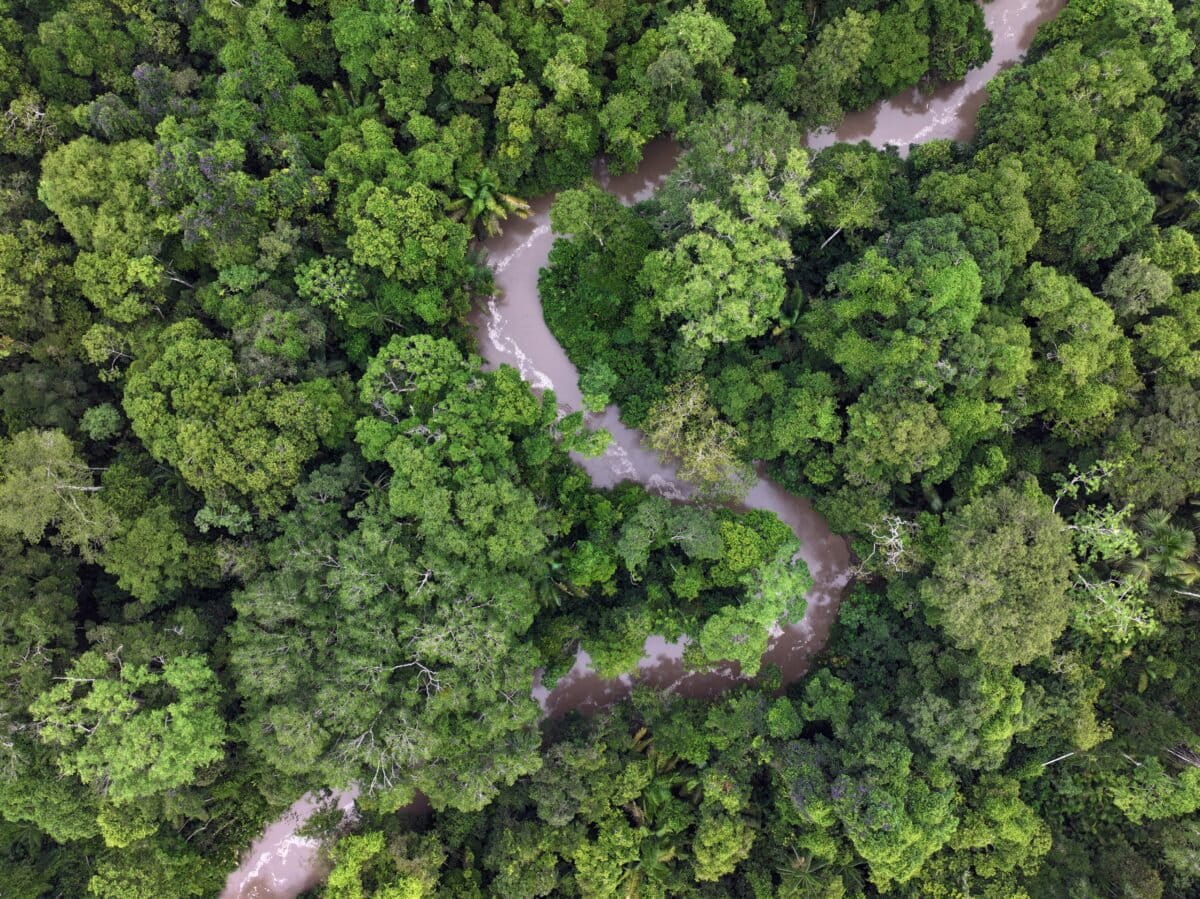
The Amazon is often framed as a global public good, a reservoir of biodiversity and a regulator of the Earth’s climate. That is true. But it is also home to almost 50 million residents, including over 2.2 million indigenous people, in over 900 cities whose futures are intertwined with the forest. Any strategy to protect it must be grounded in the realities of those territories.
The convergence of organized crime and environmental crime is now one of the gravest threats facing the basin. It is reshaping landscapes, economies, and governance systems in ways that are increasingly difficult to reverse. Preventing an ecological tipping point will require more than slowing deforestation and degradation. It will require confronting the illicit systems that drive and profit from forest destruction.
The stakes could hardly be higher. If the Amazon crosses critical ecological thresholds, the consequences will be felt far beyond South America through disrupted weather patterns, weaker agricultural productivity, and faster climate change around the world. If, instead, the region can move toward a more secure, lawful, and sustainable socio-bioeconomy, it could become a cornerstone of climate stability and inclusive development. The future of the Amazon is not only an environmental question. It is also a question of security, governance, and sustainable economic transformation.
See related coverage:
Tracking environmental crime in the Amazon: A conversation with Alexa Vélez
As traditional forest governance erodes in Peru, ‘ghost permits’ fill the vacuum
