

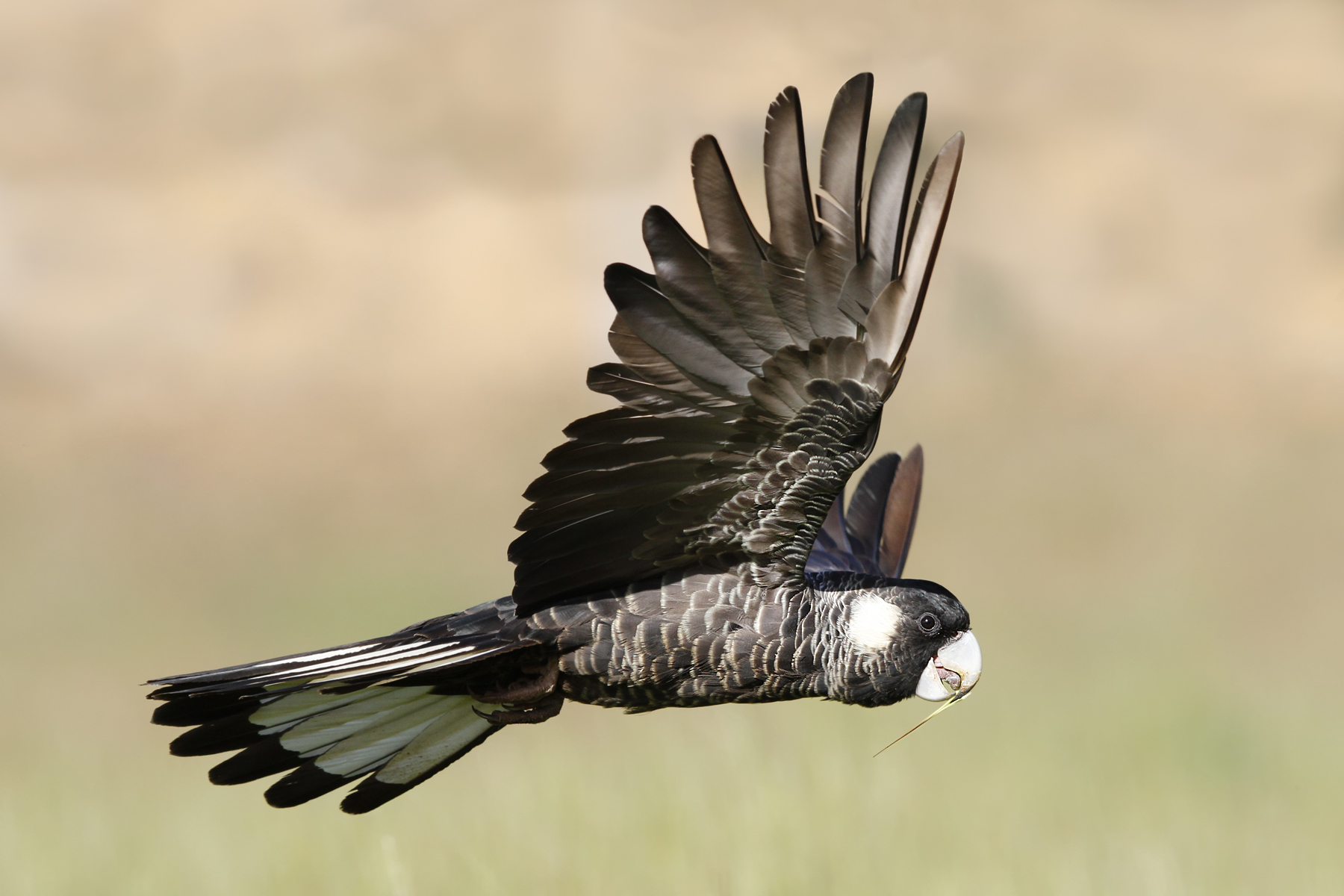
- The Australian government has granted the U.S. bauxite mining company Alcoa a national interest exemption, allowing it to continue operations despite years of unauthorized clearing in the country’s Northern Jarrah Forest.
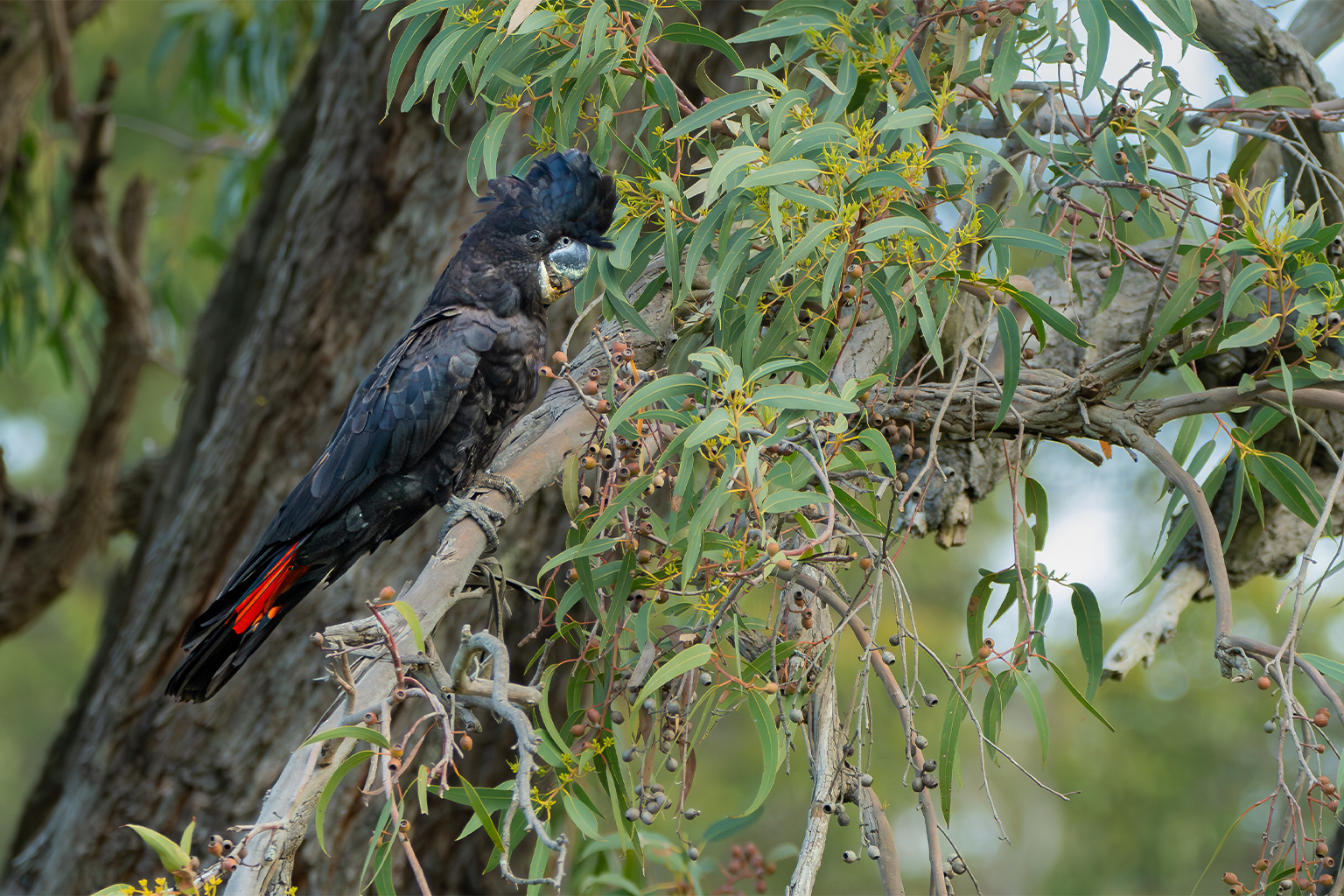
- The forest is a critical habitat for three threatened black cockatoo species, including the critically endangered Baudin’s black cockatoo.
- Environmental organizations, such as BirdLife Western Australia, say the government’s agreement with Alcoa, which includes a payment of A$55 million and the implementation of conservation programs to protect the black cockatoo species, is not enough to protect the species.
- They say the Baudin could become extinct within 50 years if the company’s project expansion plans are approved, as most of the birds’ habitat will be destroyed.
Environmental organizations in southwest Australia have criticized the Australian government’s decision to grant the U.S. bauxite mining company Alcoa a national interest exemption, usually provided in cases of emergency, defense or national security, thereby authorizing the company to continue its operations despite years of unauthorized clearing in the country’s Northern Jarrah Forest.
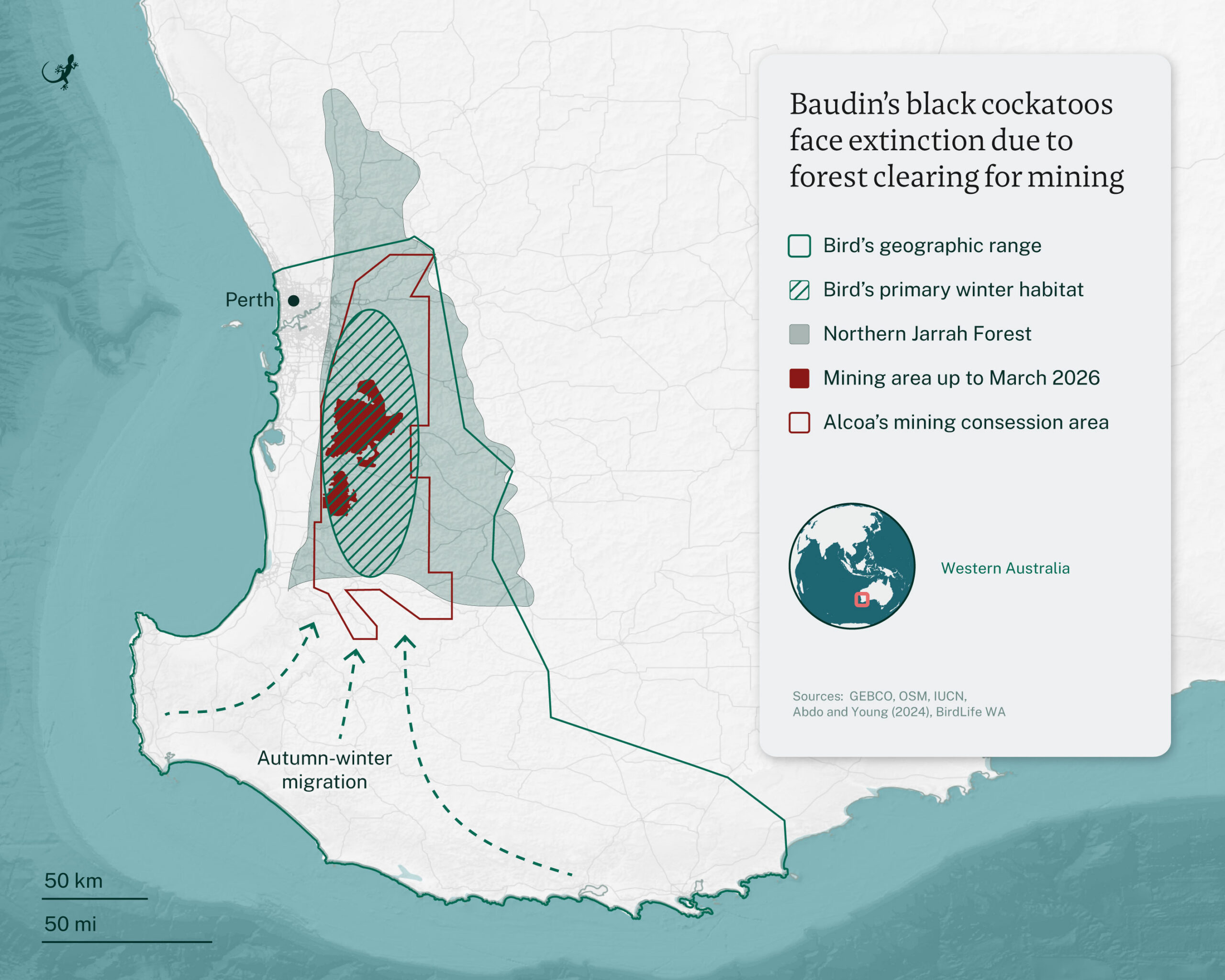
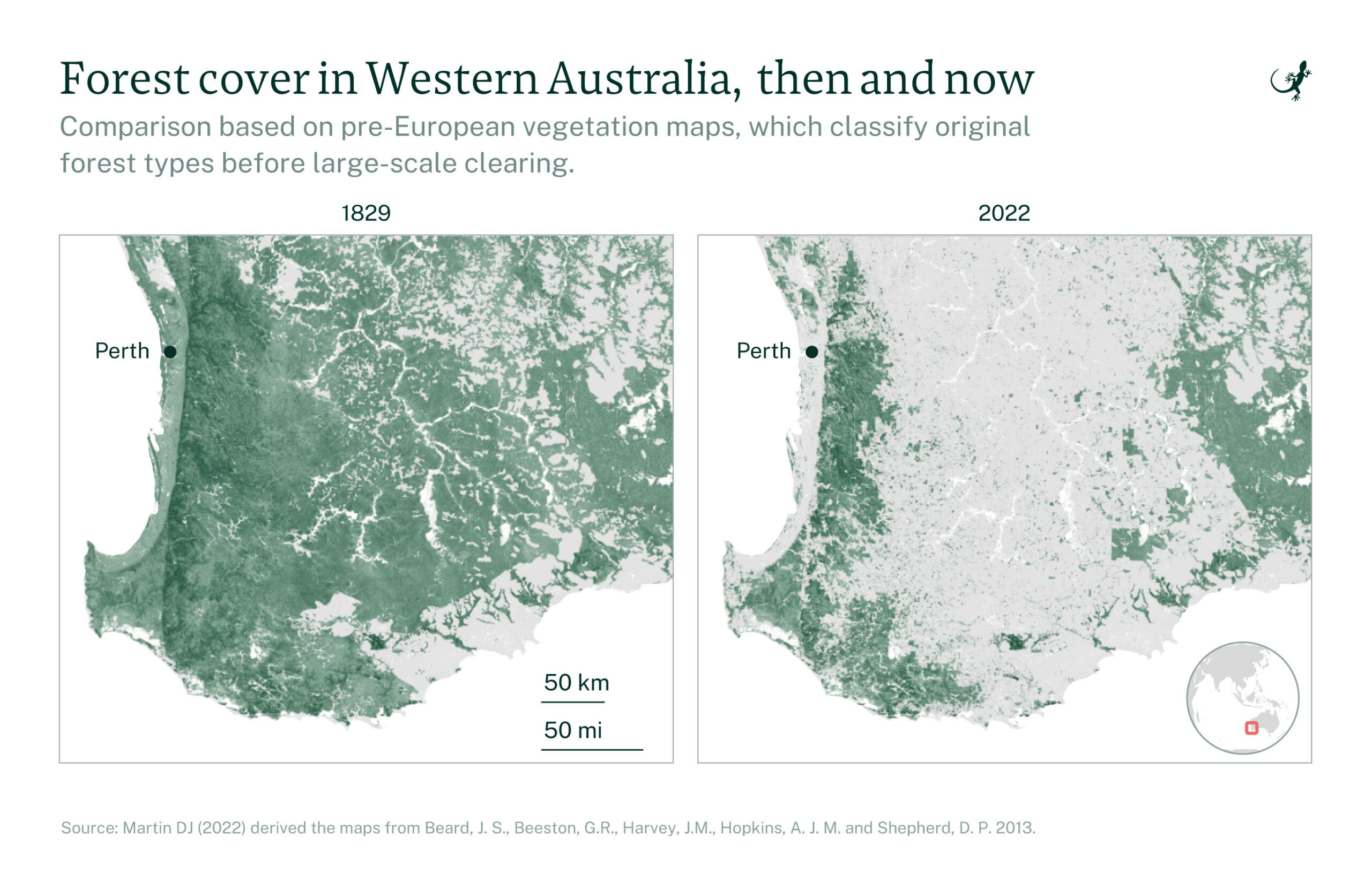
The Northern Jarrah Forest, one of the world’s most biodiverse temperate forests, has faced threats since European settlers first occupied it in 1836. Between 1960 and 2020, 32,130 hectares (79,394 acres) were cleared for bauxite mining alone.
As remediation for the illegal clearings, the government reached an agreement with Alcoa on Feb. 18, which involves the company paying A$55 million (about $39.5 million) through enforceable undertakings, including a range of environmental rectification works, such as ecological offsets to preserve habitats and conservation programs for black cockatoo species.
Environmental organizations, such as BirdLife Western Australia and the Biodiversity Council, say these measures are insufficient to prevent the extinction of the Baudin’s black cockatoo (Zanda baudinii). The bird is listed as critically endangered on the IUCN Red List of Threatened Species and it depends on the Northern Jarrah Forest for feeding during the nonbreeding season.
“The reason the birds are in trouble is because of habitat loss and habitat degradation,” Mark Henryon, the chair of the BirdLife Western Australia Advocacy Committee, told Mongabay over a video call. “If you take the habitat out, we’re going to lose the birds.”

The government also agreed to progress a strategic assessment agreement with Alcoa, a measure that streamlines approval processes by carrying out a cumulative, long-term environmental impact assessment of a company’s mining operations rather than project-by-project studies. In Alcoa’s case, it will cover current operations and future mining areas through 2045 across its Huntly and Willowdale mines.
A spokesperson for the Australian Department of Climate Change, Energy, the Environment and Water told Mongabay, “The decision to enter into a strategic assessment with Alcoa of Australia and grant them a national interest exemption was made to ensure the Australian Government could undertake a rigorous environmental assessment of Alcoa’s mining activities within the Northern Jarrah Forest to the highest standards, while maintaining essential mineral supply and support local jobs.”
Since 2025, Australia has entered into commitments, such as the bilateral agreement with the U.S. and G7 Critical Minerals Production Alliance, that seek to secure investment in critical minerals and rare earth projects, while countering China’s dominance in these supply chains. France is also looking to Australia to secure access to its minerals for fear of becoming “hostages” in a “very uncertain and violent trade and economic world.”
While bauxite isn’t considered a critical mineral in Australia, when processed into alumina, it creates gallium, a critical mineral used for modern electronics, such as high-speed semiconductor chips, electric vehicles, high-efficiency solar cells and defense radar systems. In a press release, the government said the national-interest exemption granted to Alcoa “ensures the continued supply of bauxite and supports future gallium production, critical for renewable systems like solar panels and wind turbines,” while also securing a stable supply of minerals needed for the country’s net-zero transformation and defense industries.
Alcoa has cleared 28,000 hectares (69,000 acres) since the 1960s, an Alcoa Australia spokesperson told Mongabay over email, and it has recently applied for an extension to expand its operations in the forest. The spokesperson added that the company has carried out rehabilitation work on about 80% of the land it has cleared.
“Protecting black cockatoo habitat is a key focus in planning and operating our bauxite mines in Western Australia,” the spokesperson said. “We only clear areas that have been previously logged, and avoid clearing old growth forest, national parks, and other important wildlife habitat such as stream zone vegetation and rocky outcrops.”
According to the spokesperson, trees used by the birds for nesting, as well as those with suitable nesting hollows that may not have signs of previous use, are protected with strict, no-mining buffers. The company mines “in a mosaic pattern, leaving unmined forest areas adjacent to cleared areas to provide additional fauna habitat and assist with fauna return to areas after rehabilitation work has been undertaken.”
Extinction fears
BirdLife Western Australia has reported that the Baudin has declined by more than 90% over the last 40 years. It estimates there are only 2,500-4,000 mature individuals left.
“If Alcoa and other companies that are mining bauxite go ahead with all of this, we’re going to lose the Baudins,” Henryon said. “They’ll go extinct within 50 years.”
A study published in Restoration Ecology in 2024 found that Alcoa’s rehabilitation efforts have led to little improvement. Many plant species and key animal species in the area are absent or in decline, including the Baudin, which relies on mature canopy trees for roosting, nesting hollows and seed forage. According to the research, there are an average of nine trees of hollow-bearing age (roughly 100-200 years old) per hectare left in the company’s prospective mining areas, and as breeding success is reliant on forage availability, recovery of the aged forest overstory is essential to sustain their population.
Other species, such as the Carnaby’s black-cockatoo (Zanda latirostris) and the red-tailed black cockatoo (Calyptorhynchus banksii), are also impacted by Alcoa’s operations, as well as centuries-old plants and trees, such as the jarrah (Eucalyptus marginata), which hold significant cultural, spiritual and ecological value for Noongar Aboriginal communities that are the traditional owners and custodians of the land.
“We don’t want our forests to go, especially our big trees up there in the hills,” May McGuire, a Noongar senior elder from the Bibbul Ngarma Aboriginal Association, wrote in a press release. “They are beautiful the old jarrah, they are our family, it is a healing tree. Whenever us Noongar kids had sores, our old people used to get the leaves off the jarrah tree and boil them up and wash the sores in them and clean them all up.”
Banner image: Baudin’s black cockatoo, a critically endangered species found only in southwest Western Australia, is threatened by bauxite mining, which is expanding into its forest habitat. Image by Keith Lightbody.
Citation:
Campbell, T., Dixon, K. W., Bradshaw, S. D., et al. (2024). Standards-based evaluation inform ecological restoration outcomes for a major mining activity in a global biodiversity hotspot. Restoration Ecology, 32:8, e14236. doi:10.1111/rec.14236
