Chinese policymakers long viewed workers’ grueling schedules as a byproduct of industrial catch-up. But this has become untenable: if Chinese workers are to become middle-class consumers and build larger families, they cannot be spending most of their waking hours chasing overtime pay, only to return exhausted to dormitories.
CANBERRA—China’s government wants to strengthen domestic consumption, encourage family formation, increase fertility, and achieve more balanced growth. But a major barrier is impeding progress on all these fronts: Chinese non-agricultural workers currently work some 2,500 hours per year, and hundreds of millions of blue-collar workers, largely rural-to-urban migrants, work nearly 3,000. That is nearly 60 hours per week—a schedule that leaves little time for consumption, relationships, or family-building.


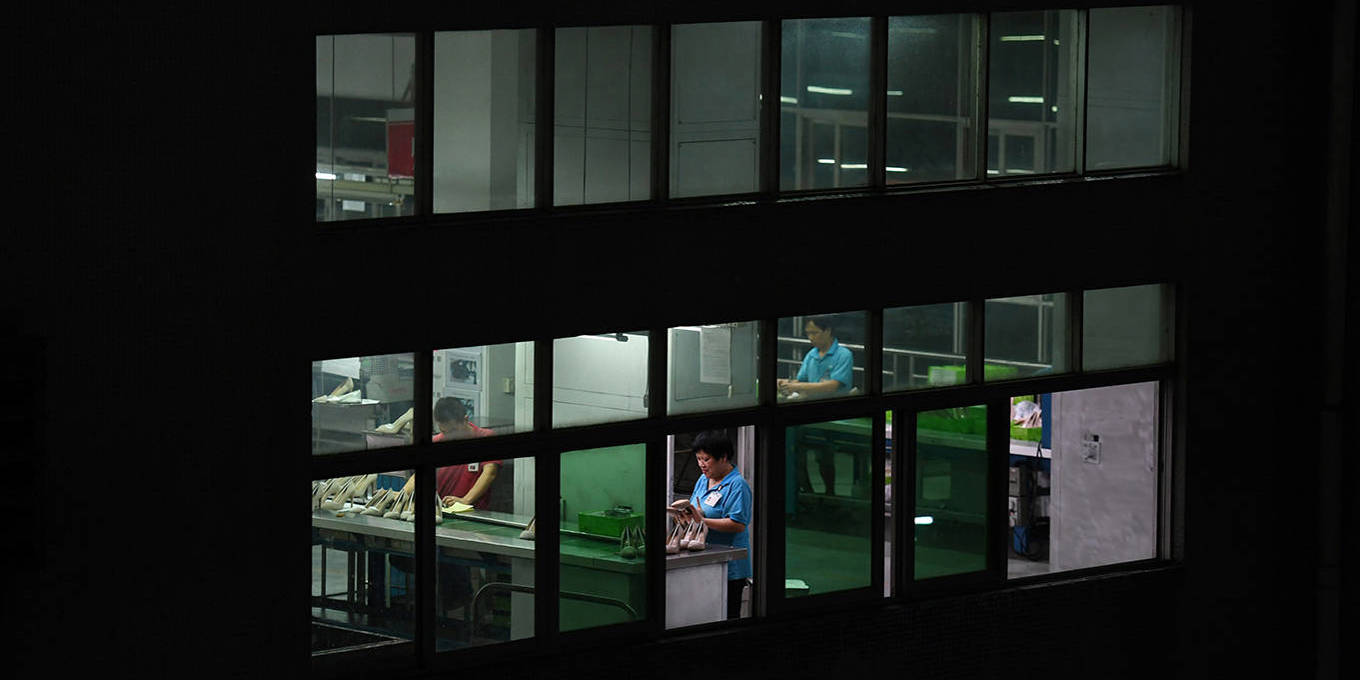
CANBERRA—China’s government wants to strengthen domestic consumption, encourage family formation, increase fertility, and achieve more balanced growth. But a major barrier is impeding progress on all these fronts: Chinese non-agricultural workers currently work some 2,500 hours per year, and hundreds of millions of blue-collar workers, largely rural-to-urban migrants, work nearly 3,000. That is nearly 60 hours per week—a schedule that leaves little time for consumption, relationships, or family-building.