

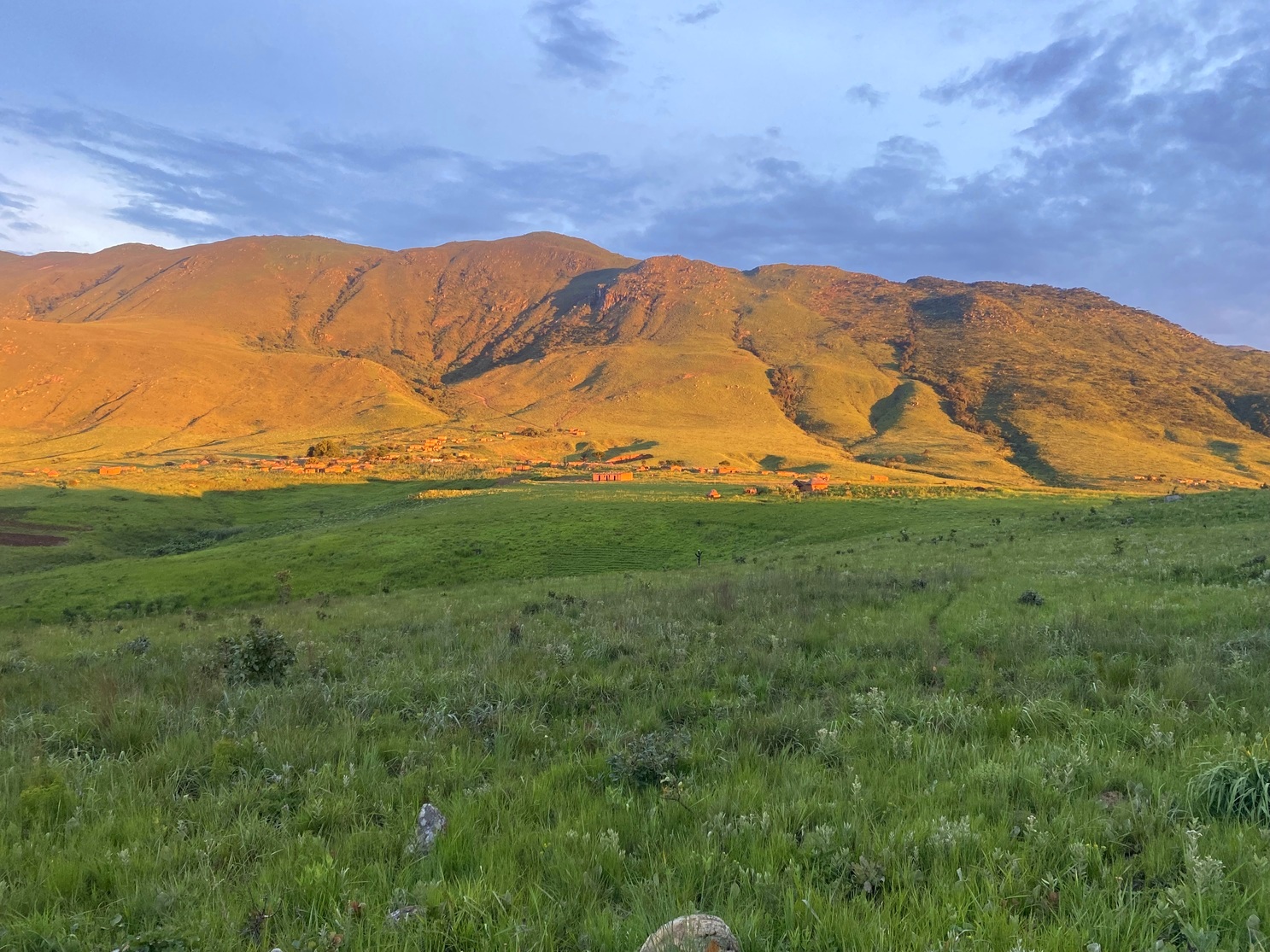
Angola has declared its highest mountain, Mount Moco, part of a new conservation area to protect its threatened Afromontane forests.
The Serra do Moco Conservation Area, which includes a complex of elevations, slopes and valleys in the municipality of Londuimbali, Huambo province, will now be under “a special regime of environmental protection, biodiversity conservation, and sustainable use,” according to a government notice published April 9.
The declaration protects around 22,000 hectares (54,000 acres) of land, ornithologist Michael Mills told Mongabay. “It encompasses all areas where there can potentially be forest,” he added. Mills has worked since 2011 with residents of Kanjonde village, at the foot of Mount Moco, to restore forest lost to timber harvesting and wildfires.
Moco’s forests, which declined to 50-60 hectares (about 120-150 acres) from 200-300 hectares (about 500-750 acres) more than 50 years ago, host a unique suite of birds separated from other Afromontane regions for millennia.
The government notice says the Serra do Moco region is of strategic importance “for observing rare and endemic species and for scientific research in its natural habitat.”
Nigel Collar, a conservation biologist with BirdLife International, told Mongabay that his organization had shared the plight of Moco’s unique plants and animals with the rest of the world since the 1980s.
“The news that the government of Angola has now moved to give the mountain formal protected area status is a moment for real celebration and congratulations,” he said.
Collar added the protection represents a big win for one of Moco’s emblematic and threatened species: Swiestra’s francolin (Pternistis swierstrai), a partridge-like bird unique to western Angola, whose tiny population is in decline due to habitat loss. “Of course, we welcome the protection that this measure extends to other vital biodiversity,” he added.
Hunting, fishing and other forms of extraction or harvesting of resources from the conservation area is prohibited, “except for scientific purposes or for strategic economic activities of the State,” the government notice says. Local communities are allowed a “controlled and limited use of natural resources to meet their needs.”
“We can now engage formally with the local communities and government authorities about the core designated environmental conservation area and how we’re going to compensate [villagers] for giving up certain activities,” Vladimir Russo, executive director of Angolan conservation NGO Kissama Foundation, told Mongabay.
Kissama, whose work at Moco is funded by U.K.-based World Land Trust, has supplied most Kanjonde residents with gas cylinders and stoves to encourage the switch away from wood-burning stoves. The foundation also conducts weekly training sessions on sustainable wood harvesting, Mills said.
So far, more than 8,000 native trees from nine different species have also been planted in three separate valleys. Each year, villagers help protect the surviving and replanted Afromontane patches from fires. Birds like Cabanis’s greenbul (Phyllastrephus cabanisi), which hadn’t previously been recorded at the restoration sites, are now resident there.
Banner image: Kanjonde village, basking in the late afternoon light at the foot of Mount Moco, in January 2024. Image by Ryan Truscott.