

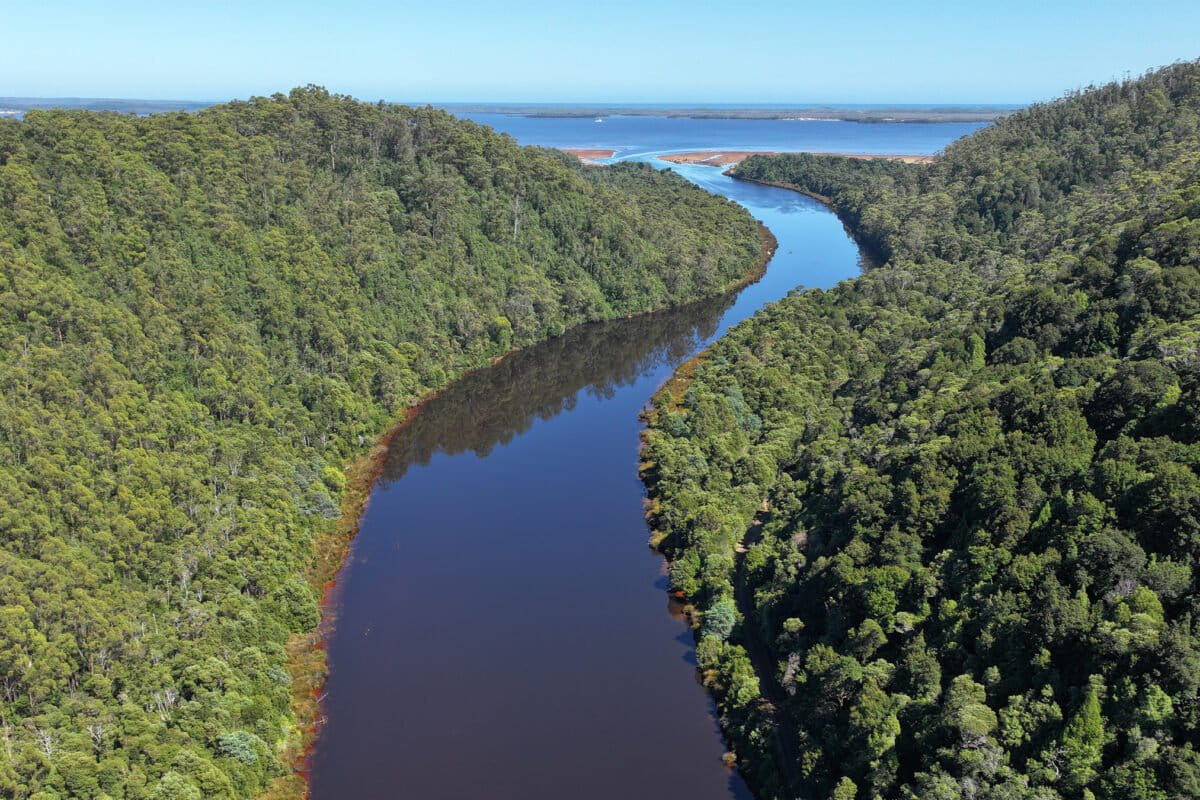
- Legacy copper mining in Tasmania, carried out for more than 100 years, has left parts of the King River ecosystem severely degraded, with scientists describing sections as “biologically dead” due to acid mine drainage and metal contamination.
- Globally, legacy mine waste has polluted hundreds of thousands of miles of rivers, exposing an estimated 23 million people to toxic metals, mostly through long-term sediment contamination rather than major disasters.
- Long-closed mines, which often operated with minimal or no environmental oversight, continue to leach waste from quarry and mine sites and tailings piles, causing long-term and ongoing contamination of rivers, streambeds and floodplains. Remediation across widely polluted landscapes is difficult and costly to carry out.
- Tasmania’s rivers are now a test case for the world: Despite decades of research and mitigation efforts, legacy pollution persists there, offering a warning as demand for critical minerals accelerates globally, with large amounts of copper and other metals required for electric vehicles, AI data center servers and other uses.
The King River snakes through some of Tasmania’s most dramatic and diverse landscape, flowing past rainforest, button grass plains and the rugged peaks of the West Coast Range before emptying into a large bay near Strahan, a quiet fishing town. To the casual visitor, the winding stream looks as wild as the lightly settled country around it.
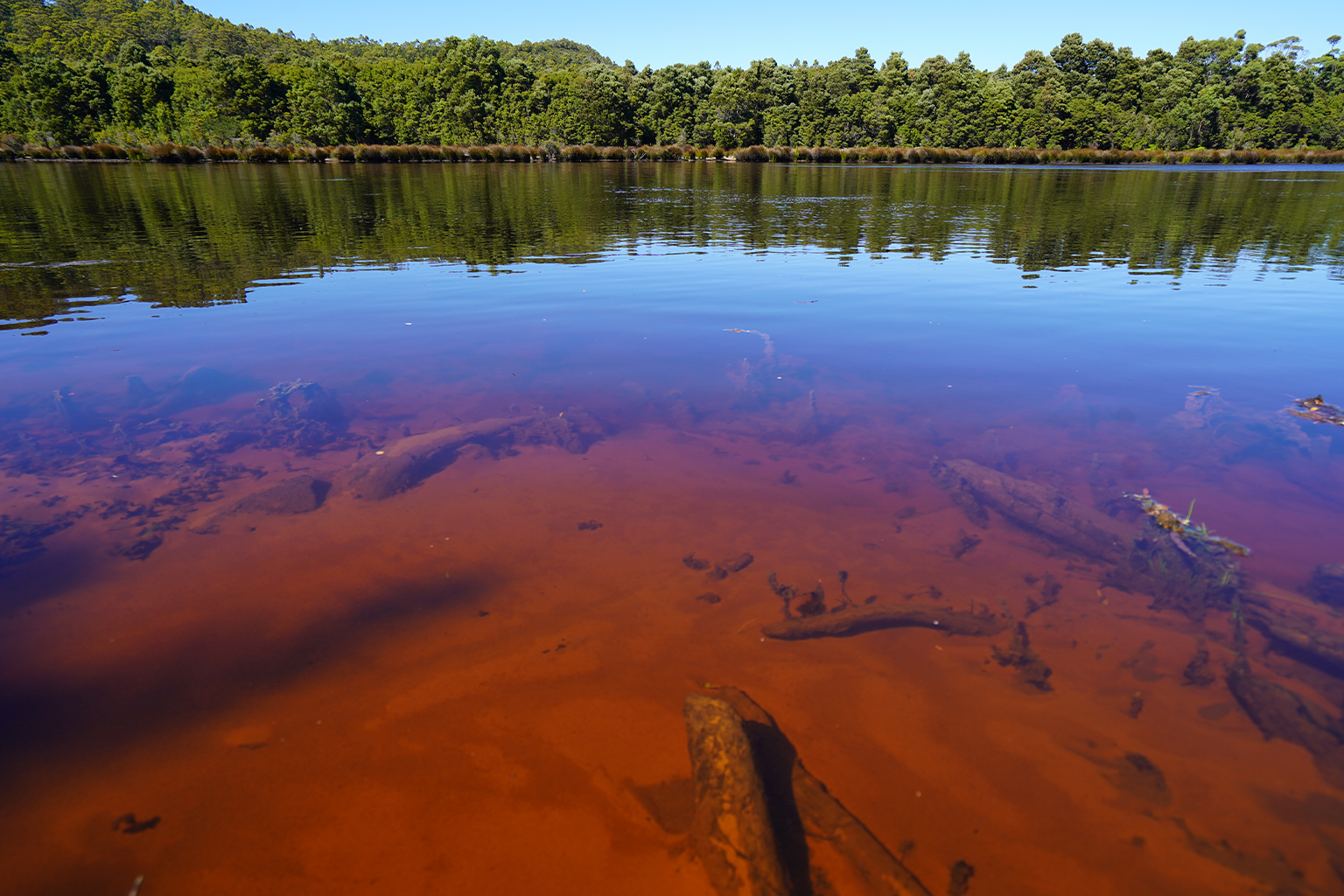
But on a February morning, the King’s tea-brown waters flowing past forested banks near the sea were disturbingly silent. The air hummed with large, persistent horseflies and little else. Healthy Tasmanian streams typically teem with aquatic insects, including mayflies, stoneflies and caddisflies, which form the foundation of freshwater food webs.
Not here. Along the lower King River, many aquatic species are gone , an enduring effect of copper mining above Queenstown, which sent uncounted tons of mine waste downstream. That pollution originated at Mount Lyell, one of Australia’s largest historic copper mines. Established in the early 1890s, its tailing piles discharged toxic contaminants into the nearby Queen River, a tributary that flows directly into the King.
Although large-scale dumping ended long before the mine was finally closed in 2014, that hidden legacy of pollution remains embedded in river waters, sediments and floodplains.
Surveys of aquatic life have repeatedly found that the sensitive species expected in clean rivers are largely absent. Investigations by Tasmania’s Environment Protection Authority describe sections of the lower King River as “biologically dead,” a stark reminder to Tasmania and the world that the impacts of mineral extraction persist long after mining ends.
Much of the King’s pollution originated in millions of tons of sulfide-rich tailings deposited during more than a century of mining at Mount Lyell. When exposed to air and water, the tailings produce acid mine drainage that dissolves metals such as copper, zinc and iron — metals that move downstream, accumulating throughout the Queen-King watershed. Large deposits even collected in a mine-waste delta where the King enters the natural bay of Macquarie Harbour.
“Mining legacy can affect natural systems for thousands of years,” says Owen Missen, a geochemist at the University of Tasmania.
To the untrained eye, today’s landscapes can appear deceptively intact. “Tasmania is a state of contrasts,” Missen adds. “The King River appears like other rivers in western Tasmania, high-flowing and scenic, but beneath the surface it still carries decades of mine waste.”
A global crisis with local repercussions
A 2023 global analysis published in Science found that mine waste has contaminated hundreds of thousands of kilometers of rivers and large floodplains worldwide, exposing ecosystems and people downstream to pollution from toxic metals. The study estimated that about 23 million people live on floodplains affected by potentially hazardous concentrations of toxic mine waste, posing enduring public health crises.
Legacy “mining pollution is far more widespread globally than previously recognized,” notes Mark Macklin, a professor emeritus at the U.K.’s University of Lincoln who led the study and who researches mining pollution in rivers.
Much of mining’s contamination spreads gradually unseen over many decades. Long after underground and surface mines shut down, their tailings leach toxins and acids, with metal-rich sediments accumulating in riverbeds and bottomlands, where they can persist for centuries and be remobilized during floods now driven by worsening climate change.
More than 90% of metals associated with mining contamination are carried in sediments, Macklin explains. As a result, researchers estimate that the number of people quietly exposed via contaminated river systems globally is nearly 50 times greater than those affected by dramatic catastrophic collapses of mining waste storage dams.
“Rivers remember mining,” Macklin says.
A more recent study published in the journal One Earth found that the most persistent river contamination on the planet often comes from inactive and abandoned mines rather than new operations.
These legacy sites, which most often were poorly regulated or not regulated at all, can continue releasing metals long after mining stops as exposed waste rock and tailings weather, creating chronic pollution sources that require long-term management and ongoing cleanup, which can be very expensive and may never happen.
While mining pollution in rivers has been studied for decades, scientists say its effects on biodiversity remain less well understood. A global review recently published in Conservation Letters determined that research on how mining alters species, food webs and freshwater ecosystems is still emerging.
River habitats are especially vulnerable because, unlike terrestrial life, aquatic organisms cannot easily escape contaminated environments. “Freshwater ecosystems … pack extraordinary biodiversity into a small volume of habitat,” says Valerio Barbarossa, lead author of the Conservation Letters study. Adding to the problem, “Many freshwater organisms … are sedentary and cannot escape pollution, while other [contaminant-] tolerant species take over and proliferate.”
The loss of endemic species
The pattern of landscape legacy pollution is especially widespread in Tasmania, where a late-19th-century mining boom left behind a dense network of abandoned gold, silver, copper, tin, lead and zinc mines across the 67,000-square-kilometer (26,000-square-mile) island. Environmental regulation was nonexistent then. So, for decades, many operations discharged tailings and waste rock directly into nearby waterways, embedding mining’s legacy in river sediments and floodplains.
“Even if mining stops, the contaminants don’t simply disappear,” Missen says. But what has vanished from those 19th century mines are many of the companies and all the individuals who did the harm, leaving no responsible party to pay for cleanup and no map of waste dumps.
Scientists often can’t directly see contamination, but rather detect its impacts through macroinvertebrates — insects, worms and crustaceans that live on the riverbed and which respond quickly to changes in water quality and habitat.
In healthy western Tasmanian streams, riffles typically support diverse communities of mayflies (Ephemeroptera), stoneflies (Plecoptera) and caddisflies (Trichoptera), collectively known as EPT taxa. These three major orders of insects require clean, well-oxygenated water and stable cobble habitat and are highly sensitive to acidity and dissolved metals.
Monitoring in west coast rivers has repeatedly documented how those diverse communities collapse in mining-affected waters. Reports from Tasmania’s River Health Monitoring Program on various streams show that acid mine drainage and contaminated sediments can eliminate sensitive taxa, leaving simplified ecological communities dominated by a few tolerant species. Because macroinvertebrates form the base of freshwater food webs (recycling nutrients and feeding native fish) biodiversity declines can ripple through entire river ecosystems.
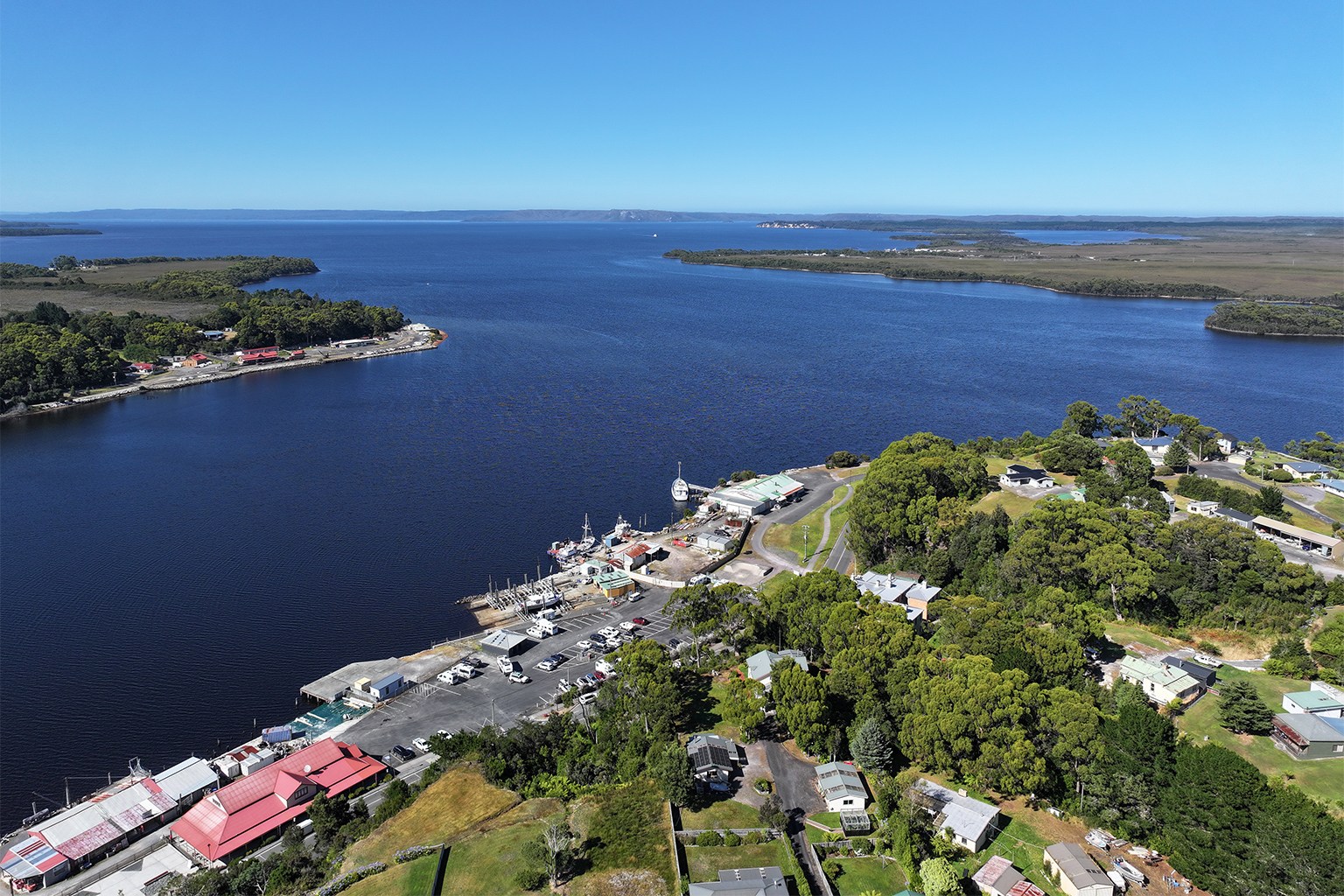
Farther downstream, the legacy of mining reaches the sea. Macquarie Harbour is home to the critically endangered Maugean skate (Zearaja maugeana), a bottom-dwelling fish found in only two estuaries on Earth. The species is highly sensitive to low oxygen levels and changes in sediment and water chemistry. Invisible to the eye, copper-rich mining sediments carried by the King River have accumulated on the harbor floor, adding to a growing mix of human stressors that include oxygen depletion linked to salmon aquaculture.
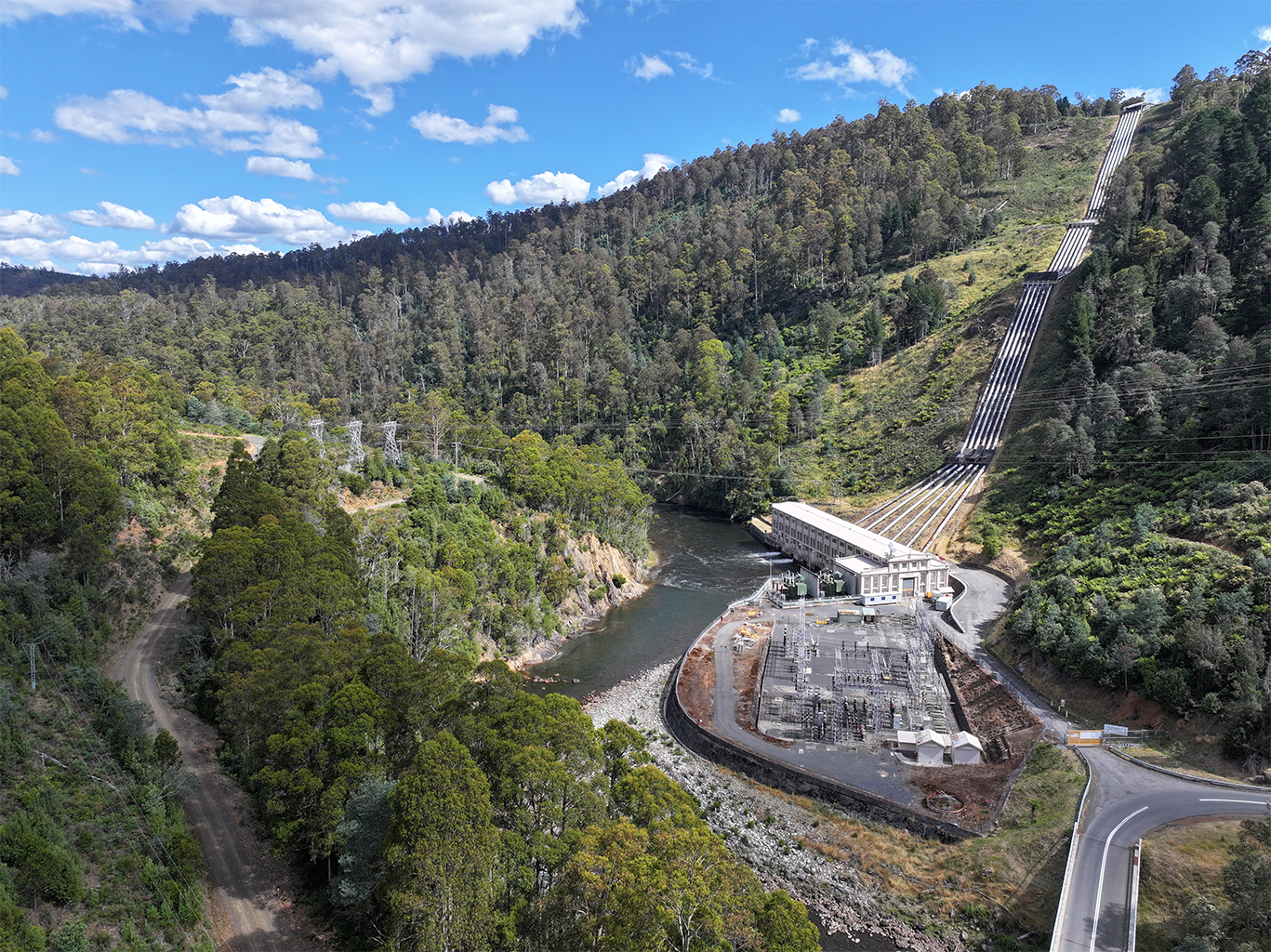
Compounding these pressures, Tasmania’s streams have been extensively reshaped for energy production (some of which was built to power mining operations). Today, about 80% of the island’s electricity comes from hydroelectric power, with the dams and water diversion schemes built to support yesterday and today’s mining and industry altering river flows, sediment transport and downstream habitats.
Monitoring reports note that these infrastructure-driven changes can interact negatively with mining legacy pollution, influencing how contaminated sediments move through aquatic systems.
“Mining has fundamentally changed how these river systems function,” Missen explains. The result is a degraded landscape that may look healthy, but where historic pollution, modern development and changing environmental conditions have negative consequences for ecosystems and stream-side communities.
Shattered aquatic food webs, threats to health
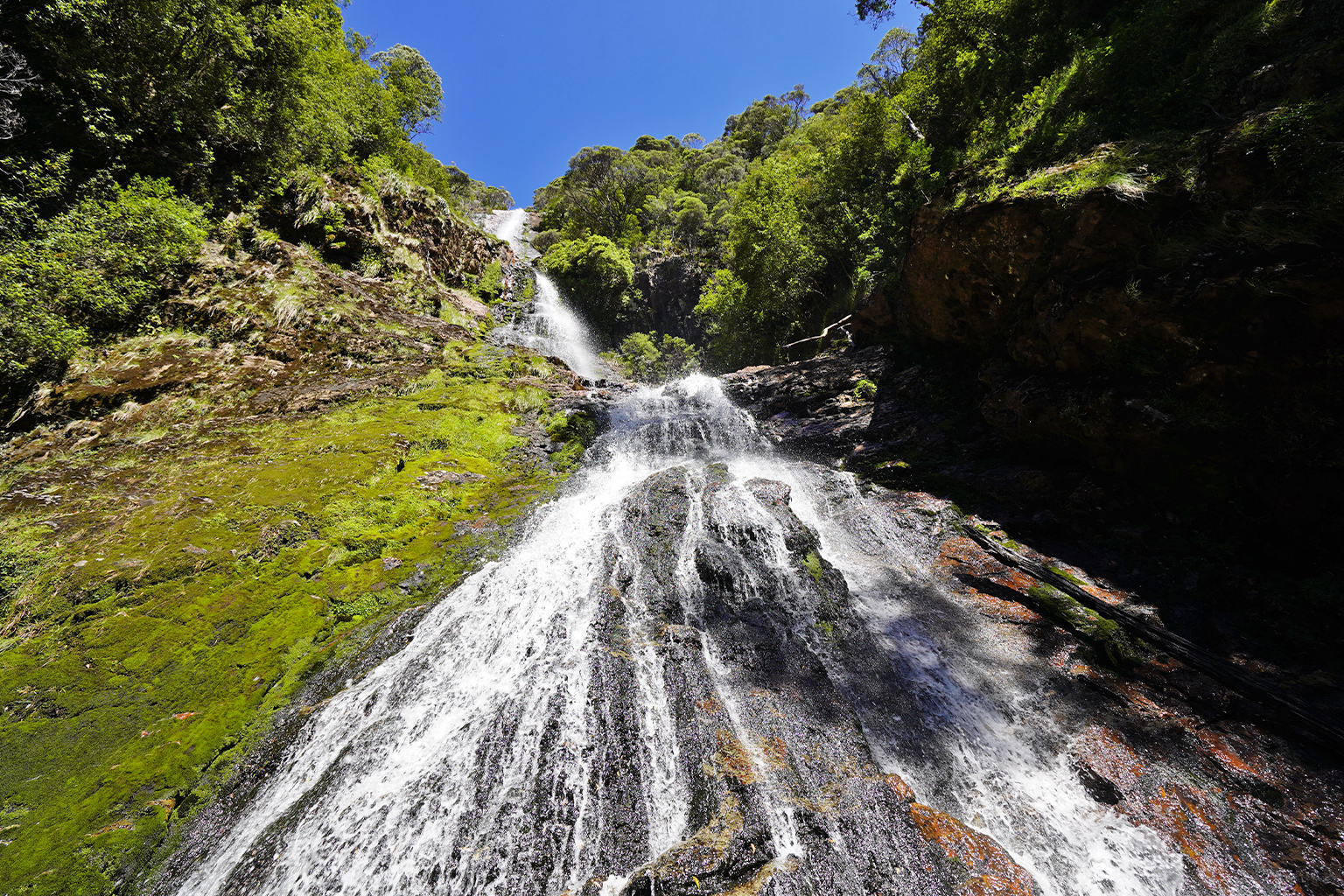
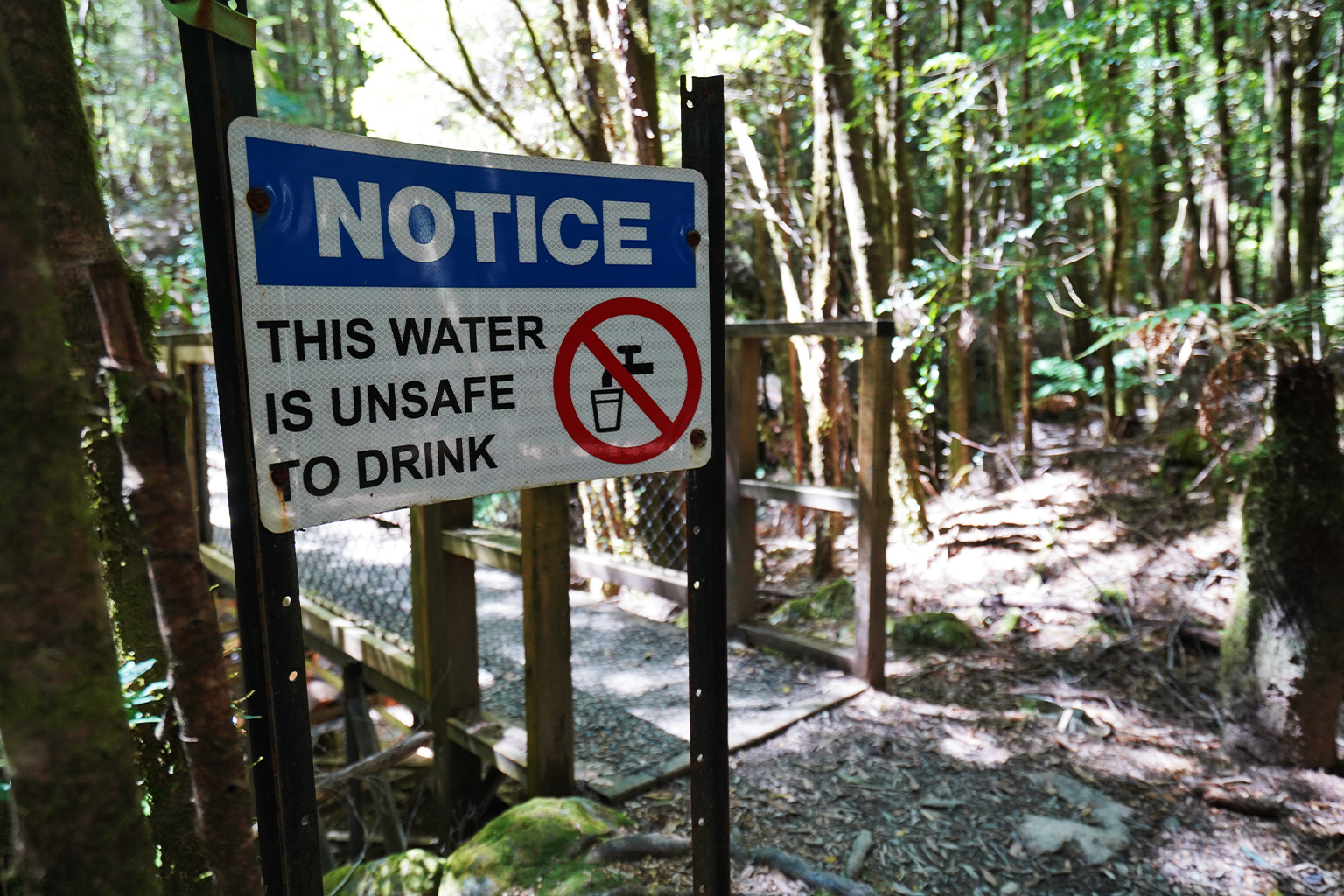
At Montezuma Falls, a popular hiking destination on Tasmania’s west coast, signs warn visitors not to drink from the Montezuma River, a reminder that the region’s mining history still shapes its waterways. In landscapes affected by historic mining, contaminants can accumulate in drinking water sources, crops grown on floodplain soils, livestock grazing near polluted rivers or fish caught for consumption — potentially posing threats to human health and food security.
Those legacy impacts extend to Tasmania’s native freshwater fish. Galaxiids (small, migratory species sometimes known as jollytails or whitebait) play a key role in Tasmanian river food webs, feeding on aquatic insects and supporting larger fish and wildlife. Because they live close to the riverbed and feed on invertebrates, galaxiids are particularly exposed to metals accumulating in sediments.
Surveys of the Queen-King river system show that fish are largely absent from the contaminated reaches of the lower King River, with populations persisting mainly in cleaner tributaries.
For scientists and health officials, the public health concern is less about acute poisoning than it is about long-term exposure pathways and whether dissolved toxic metals moving through aquatic food webs could eventually reach people who rely on these rivers for recreation, fishing or food.
“Risks to humans are relatively low compared to risks to the environment,” Missen says.
Meanwhile, western Tasmania has become one of the most intensively studied mining-impacted river systems in Australia. For decades, scientists, government agencies and local groups have monitored the Queen-King catchment, documenting acid mine drainage, metal contamination and the long ecological legacy of the Mount Lyell copper mine.
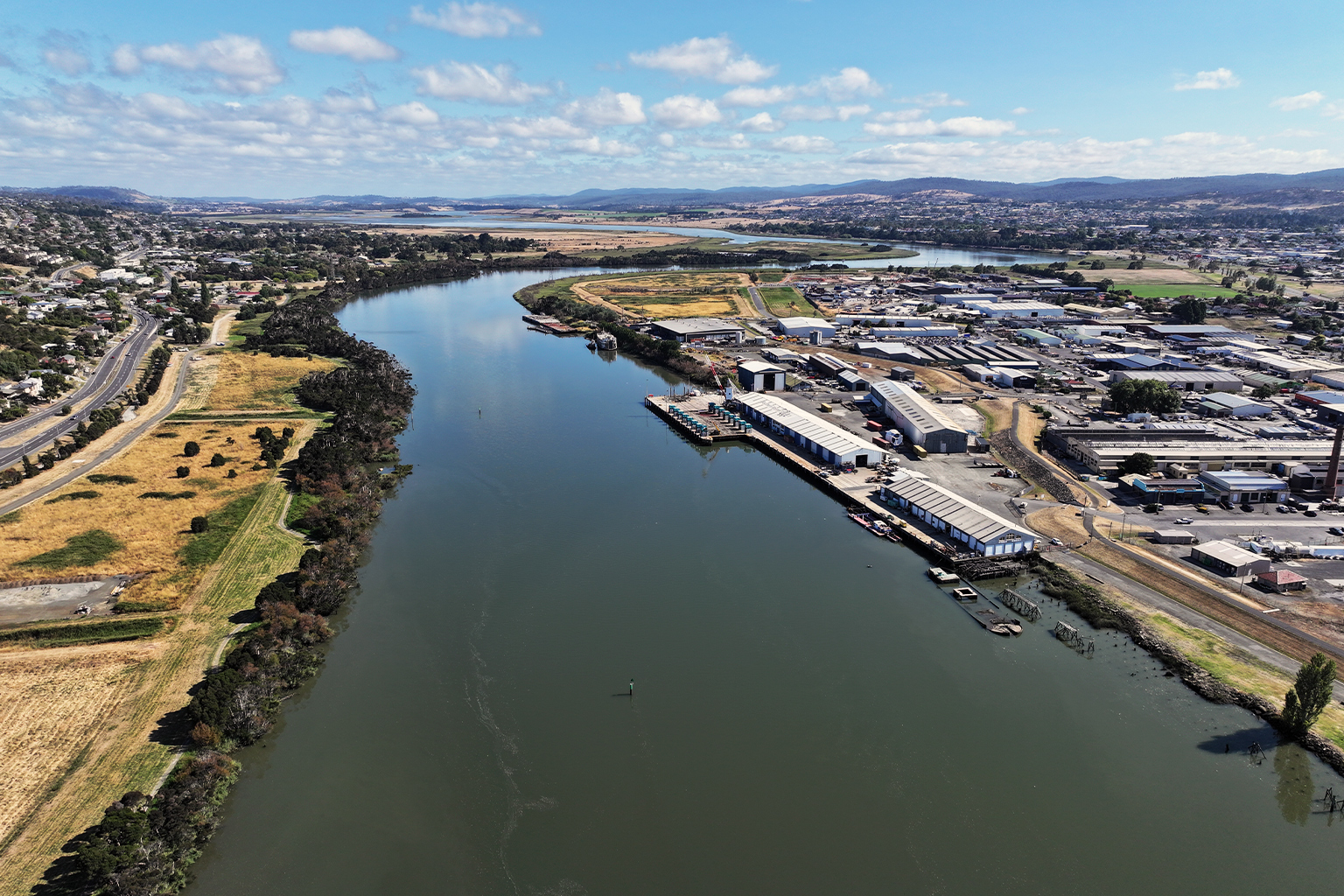
The roughly 2,800-km2 (1,100-mi2) watershed has increasingly served as a testing ground for mitigation. Efforts to stabilize waste rock, manage tailings and monitor river health have expanded, while researchers and students regularly sample water, sediments and aquatic life to track signs of recovery. Long-term studies are helping scientists understand how mining pollution spreads through river systems and what restoration measures may help ecosystems rebound.
But no amount of studies will solve the probem , the damage done is widespread and restoration will be costly, and it won’t come without binding government regulation.
When the Mount Lyell mine ceased operation in the 1990s, a parliamentary act allowed contaminated water from historic workings and waste rock to continue flowing into the river system. Today, more than a century after copper mining began above Queenstown, acid mine drainage continues to enter the Queen River and the watershed remains one of more than 100 contaminated mining locations across Tasmania.
Tasmania has introduced laws to manage legacy mining pollution, including the 2003 Mt Lyell Acid Drainage Reduction Act, which enabled remediation and regulated ongoing discharges from historic workings. But acid mine drainage still enters the Queen River, and a 2025 repeal bill reflects efforts to update how the site is managed in the long term.
Recovery is further complicated by the island’s climate. Western Tasmania receives some of the heaviest rainfall in Australia, and intense storms can flush contaminated sediments from riverbeds and floodplains downstream. Climate change, with its increasingly common extreme precipitation events, is likely to exacerbate the problem.
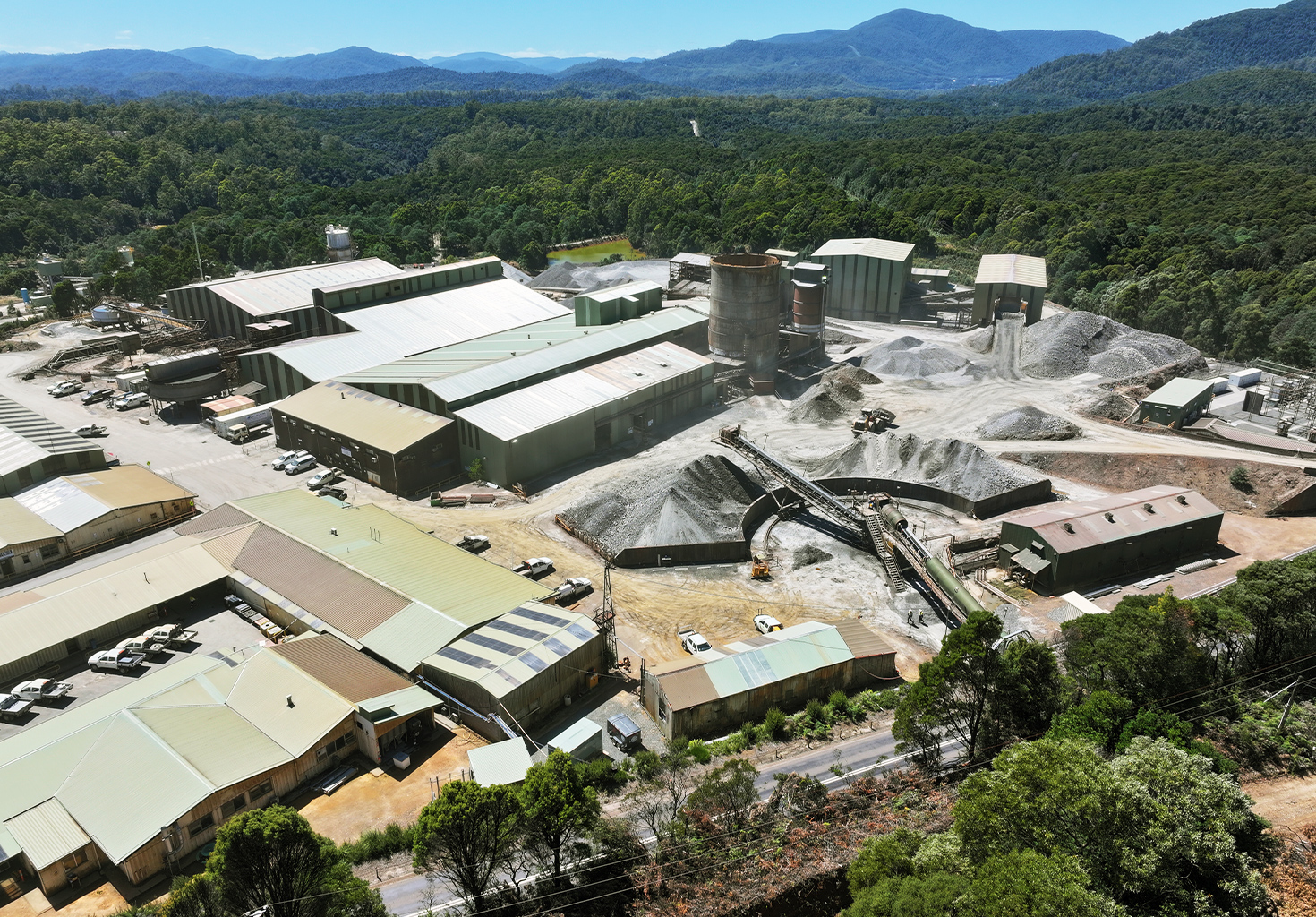
“For communities along Tasmania’s mining rivers, the question is no longer simply what happened in the past, but what recovery might look like,” Missen says.
The lessons taught here, but often not learned, extend beyond Tasmania’s historically polluted rivers. The extraction and industrial processes killing its streams are affecting past and present mining regions the world over, with the lust for gold now supplemented by the hunger to extract rare metals to power electric vehicles and to make semiconductors for AI data centers. As high tech advances, it threatens to ecologically impoverish landscapes on every continent and endanger human health for centuries.
As Macklin notes, “Most mining-related metals are transported and stored in river sediments,” allowing pollution to persist long after mines close. In an era of renewed demand for critical minerals, Tasmania’s rivers offer a reminder that even streams that appear wild and resilient can carry a long environmental memory of industrial harm.
Stefan Lovgren writes about freshwater issues globally and was awarded the Alicia Patterson Journalism Fellowship for a reporting project on mining impacts on rivers worldwide.
Banner image: The King River enters Macquarie Harbour, where decades of mining have contributed to contaminated sediment buildup at the river’s delta. Image by Stefan Lovgren.
Citations:
Macklin, M.G., Thomas, C.J., Mudbhatkal, A., Brewer, P.A., Hudson-Edwards, K.A., Lewin, J., et al. 2023. Impacts of metal mining on river systems: a global assessment. Science, 381(6664): 1345–1350. doi:10.1126/science.adg6704
Kemp, D., Loginova, J., Lechner, A. M., Ang, M. L., Kuswati, R. A., Saputra, M. R., … Owen, J. R. (2026). The rise of Brownfield mining is reshaping global mineral supply and intensifying social and environmental risk. One Earth, 9(2), 101563. doi:10.1016/j.oneear.2025.101563
Barbarossa, V., Schipper, A.M., Andringa, I., van Oorschot, M., Sonter, L.J., Marques, A. 2026. The many pathways of mining impacts on biodiversity. Conservation Letters, 19(1): e70000. doi:10.1111/con4.70000
FEEDBACK: Use this form to send a message to the author of this post. If you want to post a public comment, you can do that at the bottom of the page.
