

- As tensions disrupt food, fuel and fertilizers flowing through the Strait of Hormuz, Africa’s dependence on imported synthetic inputs is once again exposed, since up to 50% of its fertilizer supplies originate in Persian Gulf nations.
- While Africa’s largest chemical fertilizer manufacturer ramps up production to meet the continent’s acute need, a key question becomes whether biologically derived fertilizers created by small to medium enterprises — and by farmers themselves — can help fill the gap.
- “For the farmer standing in her field at dawn, the question is immediate: will she have what she needs to plant? The answer must be equally immediate and rooted in the strength and potential of our own solutions and soils,” a new op-ed argues.
- This article is a commentary. The views expressed are those of the author, not necessarily of Mongabay.
In early mornings across rural Kenya, as the long rains approach, farmers are already at work. Fields are being cleared, seeds checked, and planting plans quietly rehearsed. But this year, alongside the usual uncertainties about soil quality, rain and pests, there is a more pressing question: will there be enough fertilizer, and will it be affordable?
Reports from the Middle East echo through their favorite radio stations as they wonder about the war’s effect on their lives. As tensions disrupt food, fuel and fertilizer flows through the Strait of Hormuz — a key artery for global exports and imports into Iran — Africa’s dependence on imported synthetic inputs is once again exposed. For many countries, from 20% to more than 50% of fertilizer supplies originate from Persian Gulf nations. Besides the production of fertilizer, fossil fuels are also crucial for driving farming machinery such as tractors, irrigation pumps, and of course vehicles that transport food from farms to markets.
Africa is aware of her vulnerability as a result of the war in Iran and the previous disruptions from COVID-19 and the war in Ukraine, which have triggered policy and economic consequences. Frameworks such as the Africa Fertilizer and Soil Health Action Plan 2024-2034 aim to reduce reliance on imports by fostering local production.
Currently, the Dangote Group, which operates Africa’s largest chemical fertilizer manufacturing complex, based in Nigeria, plans to triple its production to 9 million metric tons per annum. The group is also starting the construction of a $2 billion fertilizer plant in Ethiopia, to be completed by 2029, for producing 3 million tons annually.
These local investments are likely to generate much-needed jobs for African youth, while reducing the dependence on global supply chains, which when disrupted have posed a major threat to food security on the continent. On the other hand, the key scientific and pragmatic question is how much chemical fertilizer should be complemented with biological nitrogen fixation from leguminous crops and trees, as well as different forms of biomass such as compost and biochar, for a balanced soil microbiome that keeps farms sustainable in the long term. Considering how fragile most African soils are — with increasing soil acidity due to continuous use of chemical fertilizers — an optimal use of both chemical and biofertilizers is essential.
But for the farmer preparing to plant, these solutions remain distant. Industrial plants take years to deliver impact, while smallholder farmers who produce up to 70% of Africa’s food are forced to adapt in real time with little support as global development aid is being repurposed to defense.
Investing in small and medium enterprises in Africa working closely with smallholder farmers to produce and use bio- and organic fertilizers offers an immediate and practical response. Such biofertilizers come from organic waste, left to rot in landfills, choking the air and the planet with methane, a potent greenhouse gas.
But with technologies such as use of black soldier fly, waste can be converted to biofertilizers in a matter of days, and the fly larvae are used by companies such as Insectipro and Chanzi to make animal feeds rich in proteins. It could also come from biochar, a rapidly evolving technology implemented by small to medium enterprises such as Safi Organics and Regenorganics that produce fertilizer from ligneous organic waste. Artificial intelligence- and solar power-driven technologies like EcoRich can convert waste to fertilizer in 24 hours.
Across rural Africa, youthful entrepreneurs are pushing the limits of innovation to find sustainable solutions for the continent. Raw materials already exist. Technologies are rapidly evolving. Youthful entrepreneurs creating jobs for themselves and their peers exist. With the right support in the form of training, financing, policies and coordination, farmers and local enterprises can produce fertilizers that are accessible, affordable, and suited to their environments.
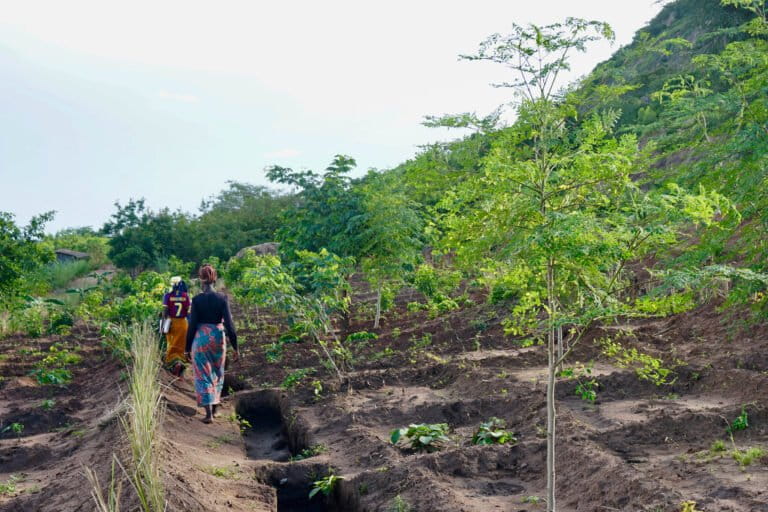
The benefits of this are long term, since biofertilizers do more than supply nutrients: they also rebuild soil health, improve soil structure, enhance water retention, restore microbial life, and increase organic matter. These are critical for sustaining productivity, and healthier soils are more resilient to climate shocks and less reliant on external inputs.
There is an opportunity to link fertilizer production with bioenergy systems, too. Agricultural waste can be converted into biogas, providing clean energy and creating a circular system where waste becomes both energy and fertilizer.
For the farmer standing in her field at dawn, the question is immediate: will she have what she needs to plant? The answer must be equally immediate and rooted in the strength and potential of our own solutions and soils.
Susan Chomba directs the Vital Landscapes program of the World Resources Institute (WRI), which works on forest protection and sustainable management, restoration, food systems transformation, and governance in Africa.
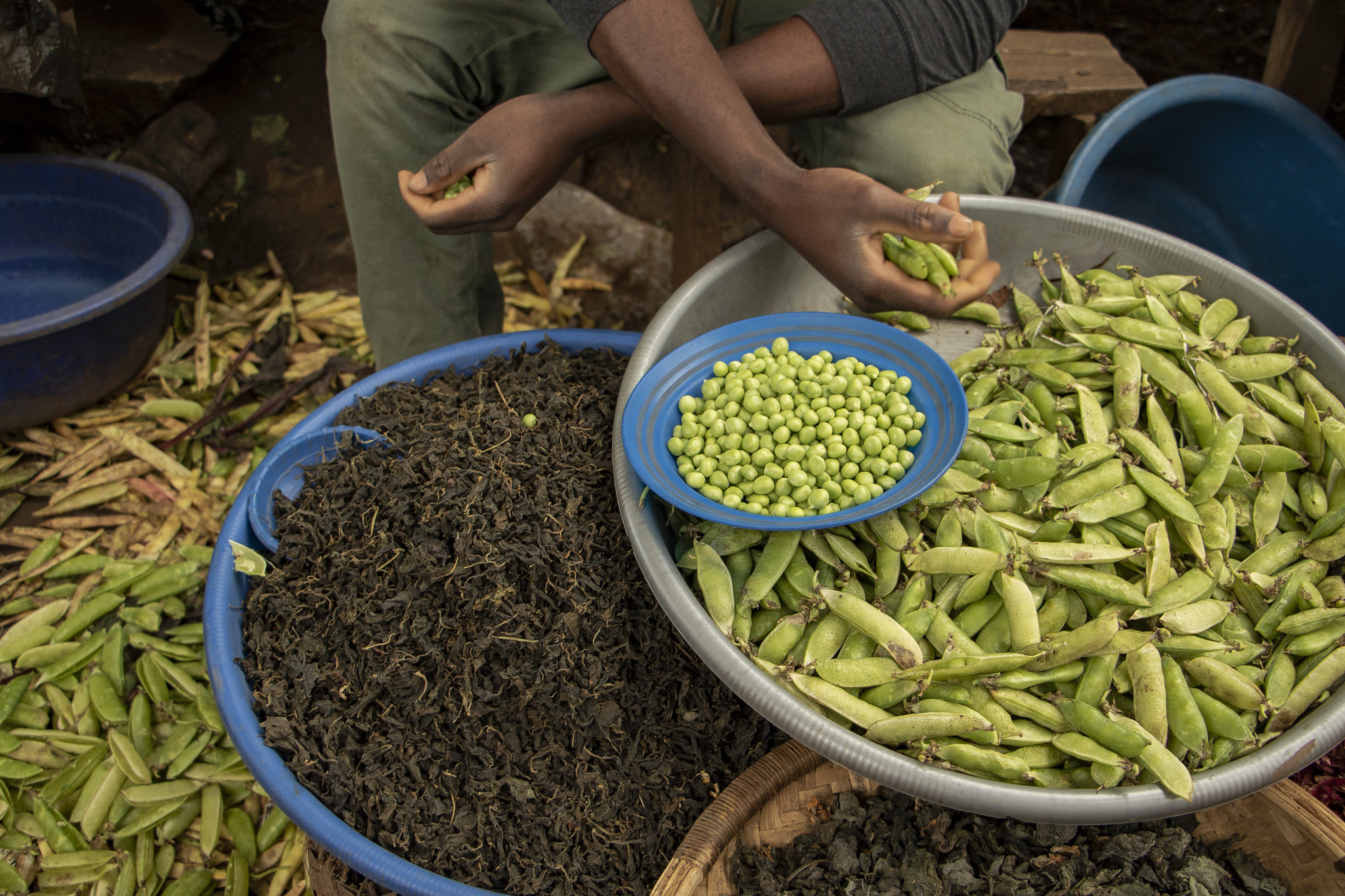
Banner image: Vegetables in a market in Lilongwe, Malawi. Image by Melissa Cooperman/IFPRI via Flickr (CC BY-NC-ND 2.0).
See related coverage:
In Malawi, farmers rebuild soil and livelihoods through agroecology
A startup deploys black soldier flies in the Philippines’ war on waste
Shipping’s biofuel gamble could deepen Africa’s land squeeze and food insecurity (commentary)
Farmers regreen Kenya’s drylands with agroforestry and an app
Citation:
Ammar, E. E., Rady, H. A., Khattab, A. M., Amer, M. H., Mohamed, S. A., Elodamy, N. I., … Aioub, A. A. (2023). A comprehensive overview of eco-friendly bio-fertilizers extracted from living organisms. Environmental Science and Pollution Research, 30(53), 113119-113137. doi:10.1007/s11356-023-30260-x
