

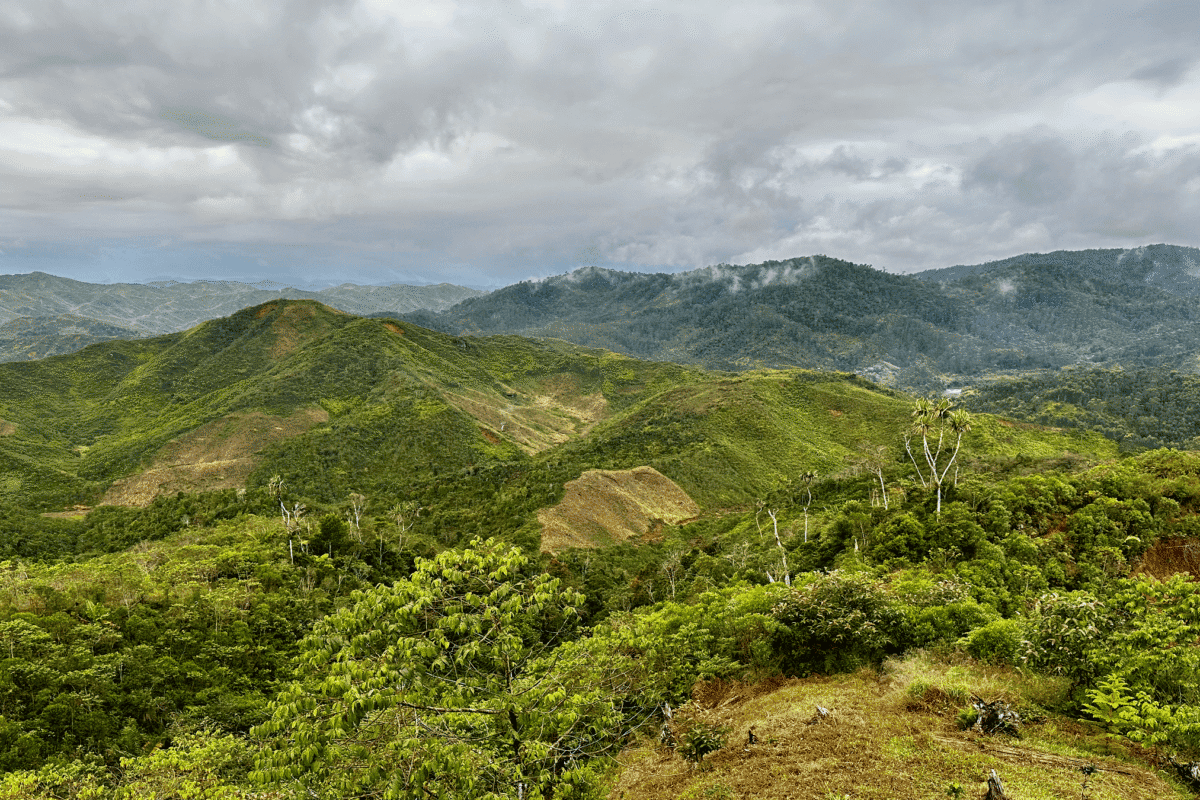
- A reforestation corridor project aims to reconnect 150 hectares of fragmented forest between Andasibe-Mantadia National Park and the Analamazoatra Special Reserve, home to a dozen lemur species and many other animals and plants that are found nowhere else on Earth.
- Led by the Mad Dog Initiative in partnership with The Dr. Abigail Ross Foundation for Applied Conservation, Association Mitsinjo and Ecovision Village, the project represents a unique convergence of science, private investment and community action.
- The project has already planted more than 100 native tree species across 70 hectares, a portion of which were grown in soil inoculated with mycorrhiza, with seedlings showing high survival and growth rates. Even in its early stages, lemurs are using the corridor.
- To address local challenges and increase the chances of long-term restoration success, project partners are investing in ecotourism, health care and education, among other strategies.
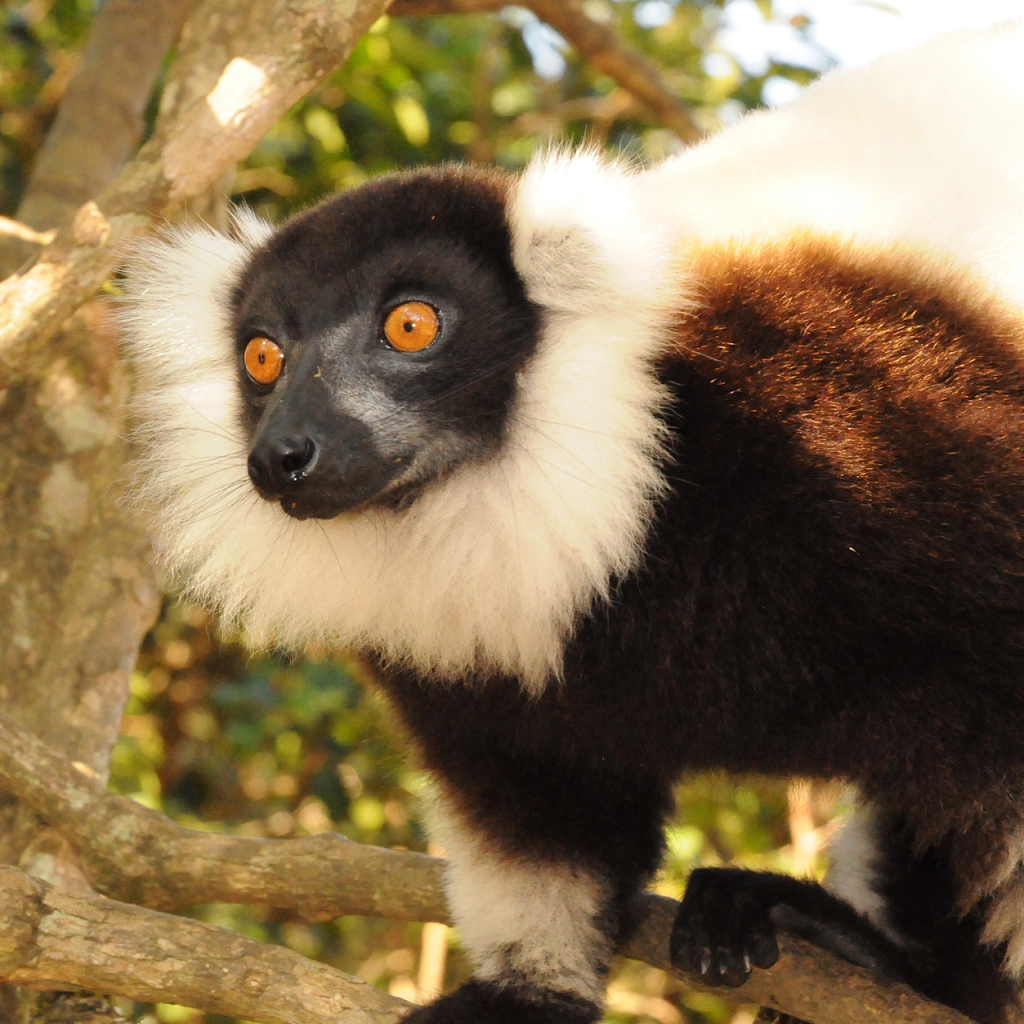
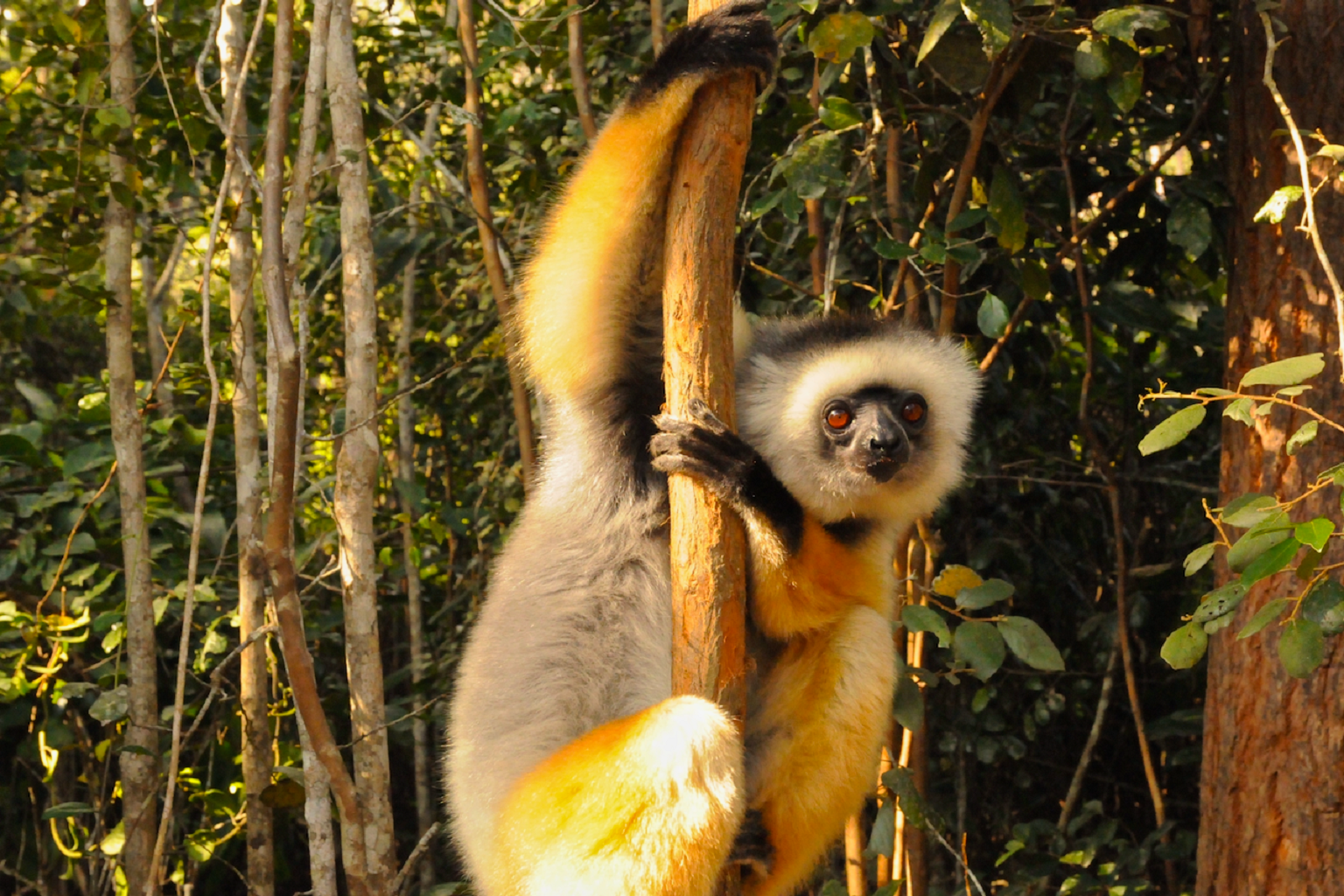
In eastern Madagascar, Andasibe-Mantadia National Park and the Analamazoatra Special Reserve shelter around a dozen species of lemurs, alongside an extraordinary array of animals and plants, many of which are found nowhere else on Earth.
Once connected by continuous rainforest, the landscape was fractured in the 1960s, when large stretches were cleared for agriculture and cattle pasture. What remained was a patchwork of forest fragments separated by degraded land, limiting wildlife movement and threatening biodiversity.
Today, a coalition of researchers, conservationists and local communities is working to reverse that fragmentation by rebuilding a forest corridor from the ground up.
The reforestation corridor connecting Andasibe-Mantadia and Analamazoatra, launched in 2023, aims to restore 150 hectares (370 acres) of native forest and reconnect these two critical habitats. Led by the Mad Dog Initiative (MDI), a Madagascar-based wildlife conservation NGO, in partnership with The Dr. Abigail Ross Foundation for Applied Conservation (TDARFAC, a nonprofit conservation organization focused on Madagascar), Association Mitsinjo and Ecovision Village, the project represents a unique convergence of science, private investment and community action.
It began not with a grand plan, but with an exchange of ideas and a shared commitment. As Kim Valenta of MDI recalled, she first recognized the physical disconnect between these two protected areas in 2017, while leading sterilization and vaccination campaigns to limit the impacts of free-roaming pets on wildlife in the region. She then met others who were also committed to restoring the broken landscape.
“We looked at some maps, and shortly after I proposed seeking funding to start reforesting the 6km [3.7-mile-] long stretch at a width of 500m [1,640 feet] at the shortest Euclidean distance between the two park edges,” Valenta, co-founder of MDI and an assistant professor at the University of Florida, told Mongabay by email.
U.S.-based NGOs Seacology and Re:wild, together with U.K. cosmetics company Lush, funded planting across the first 70 hectares (173 acres). TDARFAC also supported planters’ salaries during the early years of the project and contributes staff capacity for ongoing monitoring. More recently, the IUCN SOS Lemurs program provided additional funding to complete planting in the corridor, which is expected to be finished by December 2027.
The project focuses exclusively on planting native tree species sourced from nearby forests, including those preferred by lemurs.
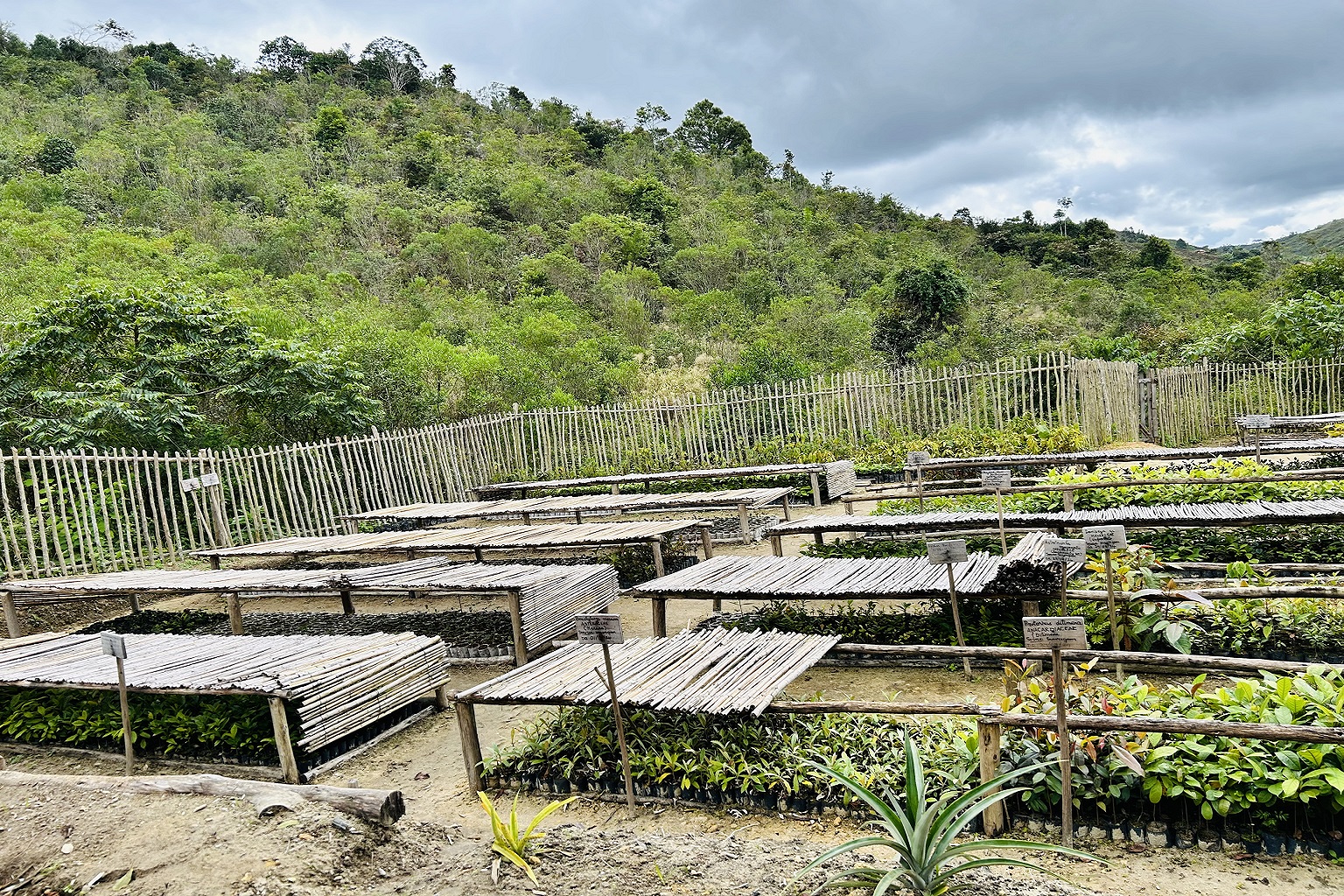
“All seeds that we grow in two seedling nurseries to supply the corridor are collected from the existing parks, or two community forests that directly abut the parks,” Valenta said, adding that the team has planted more than 100 native species — some of which are only known locally and remain undescribed by science.
First signs of recovery
TDARFAC plays a key role in this project.
“Our work includes coordinating planting operations, managing ecological monitoring, supporting research, and working with local communities to strengthen long-term conservation outcomes,” Jhoanny Rasojivola, field director and project manager at TDARFAC, told Mongabay by email.
Monitoring is currently concentrated in a 30-hectare (74-acre) study plot, where 1,200-1,500 seedlings were planted per hectare (2.5 acres). In half of the area, the seedlings planted were grown in soil inoculated with local mycorrhiza, beneficial fungi that can support plant growth.
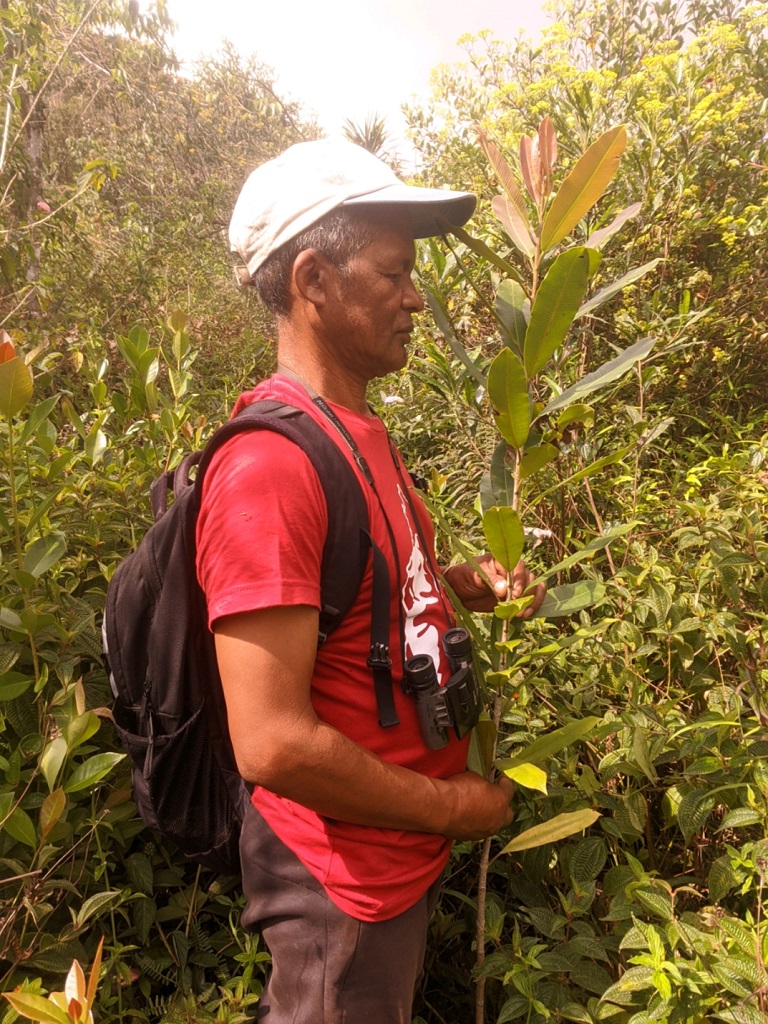
“Each hectare within the study plot is monitored once per week, allowing the field team to closely track early forest recovery,” Rasojivola said, adding that the field team includes Claude Rakotoarivelo, a botanical expert on their staff, along with 12 other local field technicians. “During monitoring visits, the team records plant identity, planting date, GPS coordinates, altitude, slope, aspect, growth measurements, and any mortality along with its possible causes.”
The results so far appear promising. “The study plot shows an overall seedling mortality rate of approximately 4%,” Rasojivola said. “Several planted species have already demonstrated strong growth, with some individuals reaching heights of roughly two meters [6.6 ft] within the first few years.”
Nicolas Naina Rasolonjatovo, head of the restoration ecology department at Centre ValBio, an international research institution based in southeastern Madagascar, who is not involved in the corridor project, said these results are “great,” given that mortality rates are usually much higher across reforestation projects. He added that mycorrhizal inoculation is a good practice and likely one of the factors contributing to the high survival and fast growth rates reported, although it’s a technique that requires time and expertise.
Association Mitsinjo, a local research and ecotourism organization founded in 1999 and based in the nearby village of Andasibe, supports the project by providing large numbers of mycorrhiza-inoculated seedlings from its nursery and sharing its expertise in reforestation. Its senior coordinator, Rainer Dolch, is an ecologist who has published many papers related to conservation issues in the region.
Project members also report that even in its early stages, the corridor is being used by wildlife.
“To date, the corridor has been visited by a family of eastern lesser bamboo lemurs (Hapalemur griseus),” Valenta said. They have also documented the ultrasonic vocalizations of Goodman’s mouse lemur (Microcebus lehilahytsara) through bioacoustic monitoring devices , these tiny, solitary and nocturnal animals appear to be living in the corridor within just two years of planting.
For Rasolonjatovo, the unaffiliated expert, these observations suggest the corridor is starting to function as a pathway for wildlife. However, he said that while smaller lemur species can be seen searching for food or inhabiting young forests, larger species — many of which are critically endangered — will likely only come back once the trees have matured.
Addressing challenges through partnership
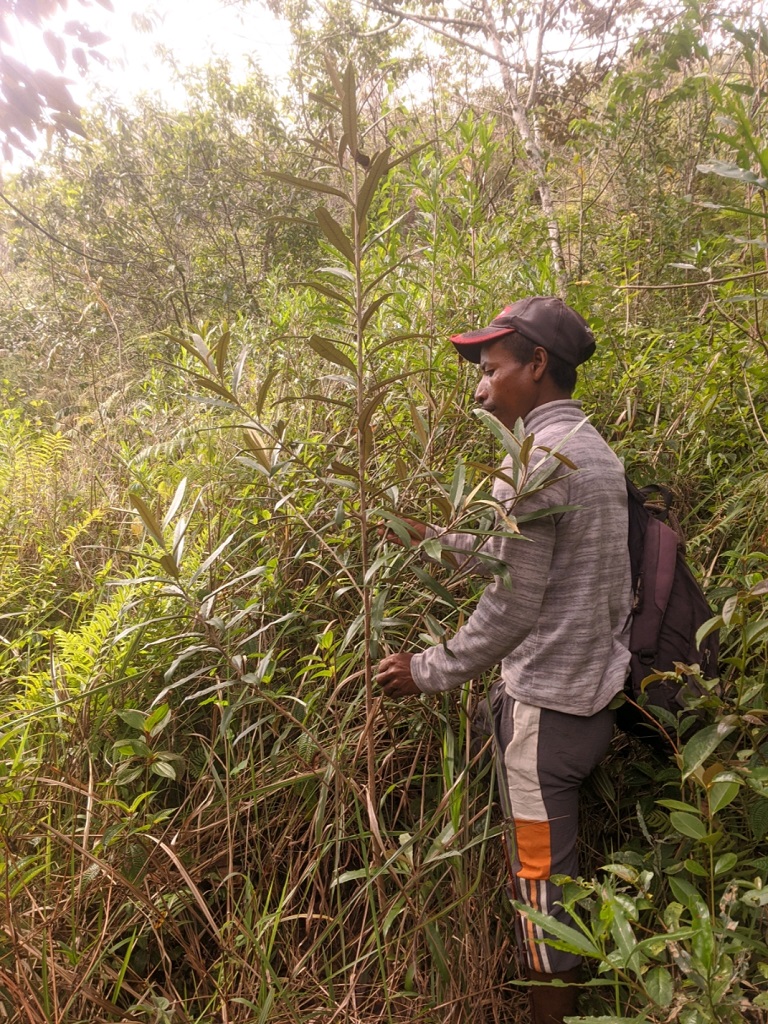
While early results are encouraging, the project is not without hurdles. TDARFAC highlights a legacy eucalyptus plantation within the corridor, an exotic species planted for charcoal production by previous occupants of the land that can inhibit the growth of native plants, as well as the widespread presence of invasive plants, such as Desmodium uncinatum, which was introduced as fodder for livestock.
“We are exploring ways to gradually remove these [eucalyptus] stands while minimizing environmental impact and maintaining manageable costs,” Rasojivola said. “To help manage this [invasive] species, we are exploring collaboration with local livestock owners to use goats as a form of biological control in parts of the corridor.”
Land ownership and socioeconomic dynamics present another challenge. According to Valenta, the project has helped create jobs for local communities: 12 local people now have full-time positions as seedling planters and monitors, while 20 work full time as seed collectors and nursery staff. Yet the corridor land itself is managed by Ecovision Village, a local organization founded in 2020 by a private citizen who purchased a large portion of the landscape to reforest it and develop it as an ecotourism, or nature tourism, destination.
Ny Ony Razafindrakoto, head of communications and events at Ecovision Village, said the organization supports restoration efforts by employing locals as seedling workers, patrollers and tour guides, “giving them meaningful jobs and showing that protecting the forest provides more long-term benefits than exploiting it.”
Dolch, from Association Mitsinjo, told Mongabay that “minor problems” have arisen in the past between the landowner and the local community, but he remains optimistic that this partnership will be beneficial for both sides, and for nature.
“I think that many more of the wealthy and ultra-wealthy elite of Madagascar (some of which have actually made their fortune from, often illegal, exploitation of natural resources) should act as drivers/funders of biodiversity conservation,” he said by email.
Dolch is also optimistic about the role of ecotourism in supporting both conservation and livelihoods. For nearly 30 years, members of Association Mitsinjo from the Andasibe Commune have worked as tour guides in the region.
“This helps to reduce agricultural practices or other income-generating activities that would harm the environment and biodiversity,” he said.
Rasolonjatovo, from Centre ValBio, agrees that ecotourism can serve as a lever for biodiversity conservation while promoting sustainable livelihood opportunities. In addition, he said livelihood improvement strategies, such as job creation for local communities, are a valuable asset to restoration efforts in Madagascar.
Beyond tree planting
At the same time, project partners say they are investing in health care and education to increase the effectiveness of their restoration and conservation work in the area.
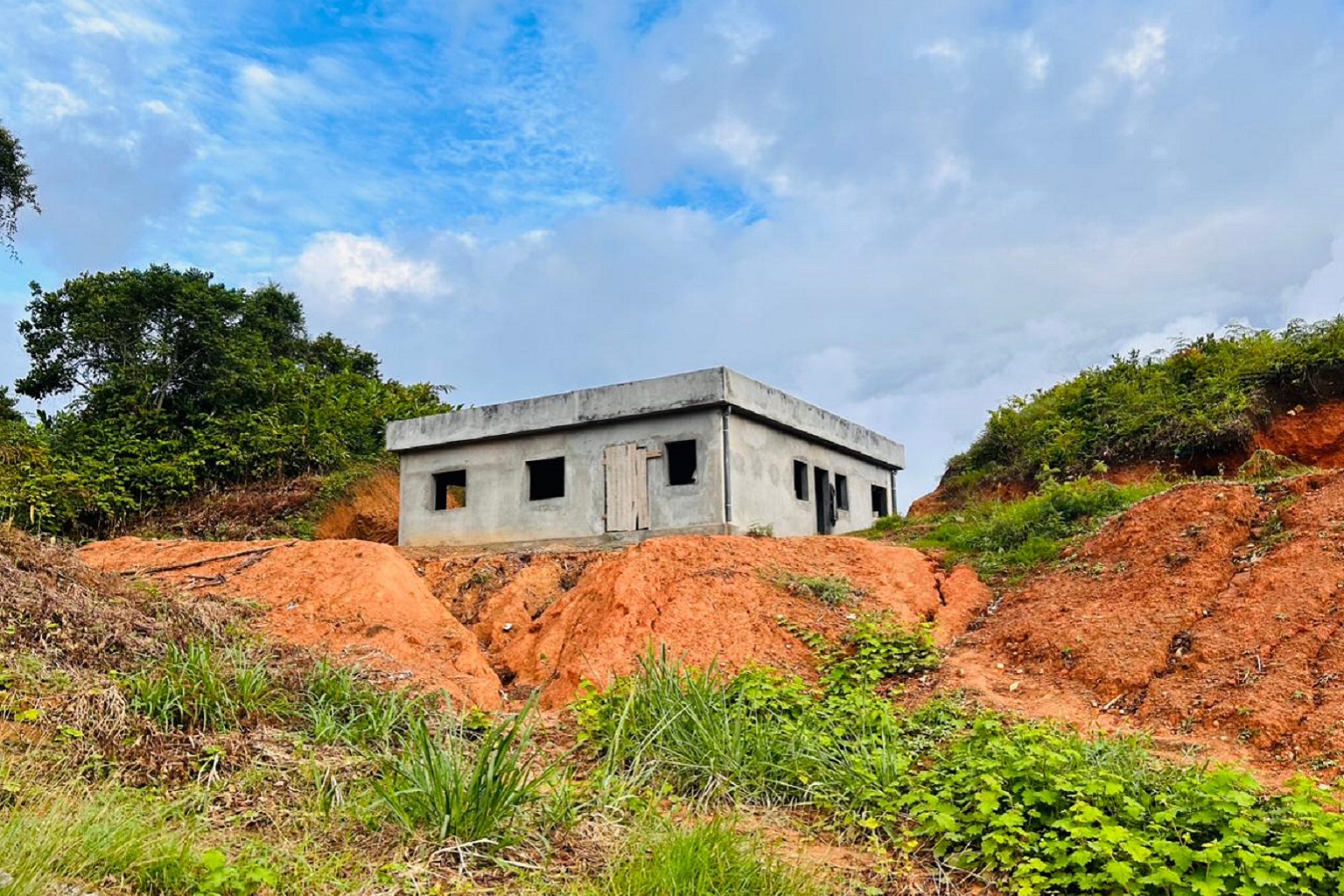
“TDARFAC and its partners—including Seacology and the Mad Dog Initiative (MDI)—are building the first free community health center in Andasifahadimy, which will serve ~10 communities surrounding the corridor,” Rasojivola said. The hope is that local people won’t have to rely on income-generating activities, often based on extracting natural resources, to access treatment for common illnesses.
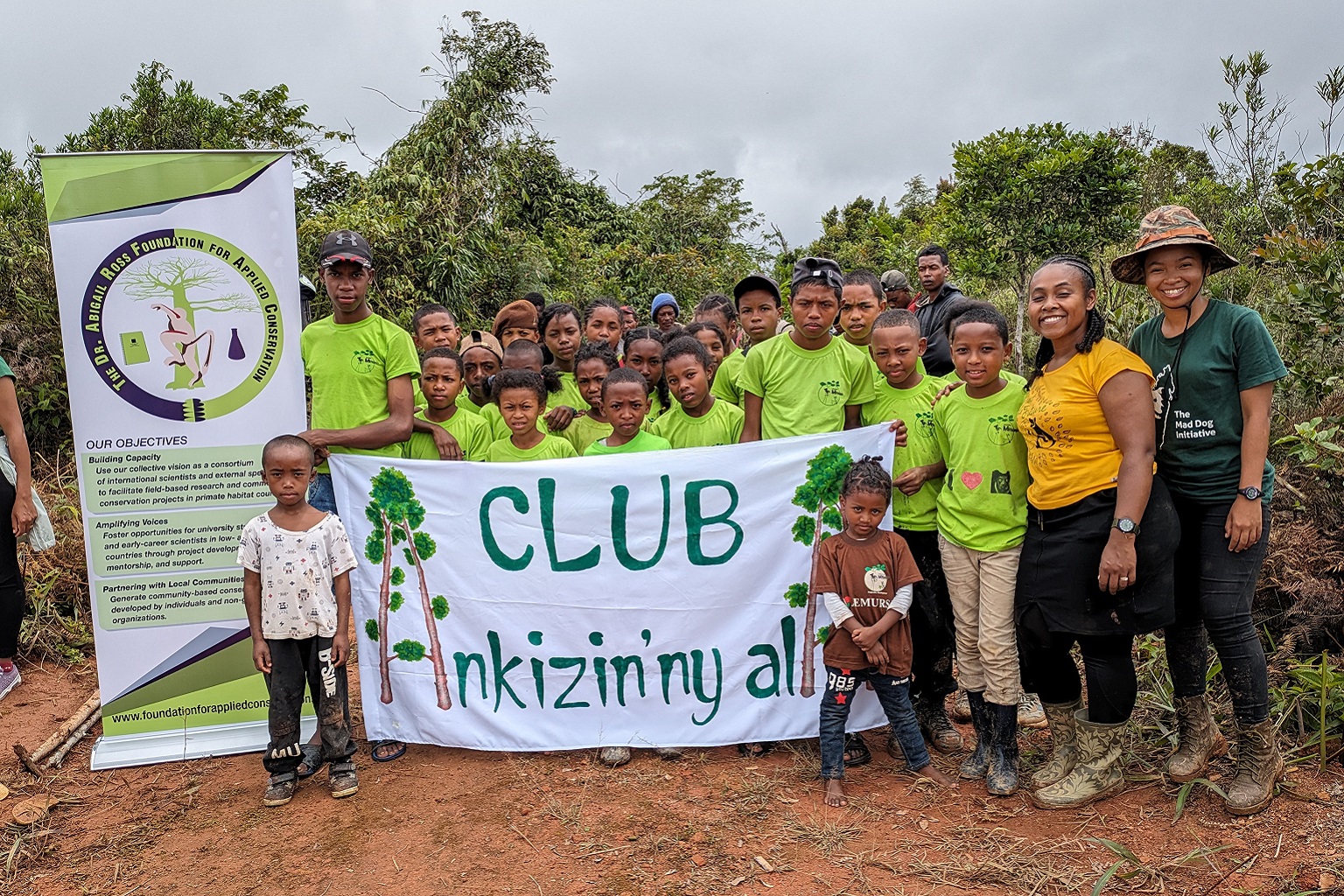
They have also organized educational field trips to bring students from surrounding communities and elsewhere to learn about forests, biodiversity and lemur conservation, Rasojivola said.
In addition, the MDI team plans to expand its free vaccination and sterilization activities to limit dog and cat populations in forests across the region and their impacts on wildlife, Valenta said.
Once the reforestation corridor is completed, TDARFAC plans to continue monitoring the area until an ecological threshold that indicates it’s safe to scale back these efforts is reached, Abby Ross, TDARFAC executive director, told Mongabay. Although the exact threshold is not yet known, she said long-term monitoring will be valuable not only for the success of this project but to inform others too.
“Longitudinal data on how the corridor develops ecologically could be incredibly valuable and serve as a model for building future corridors in humid evergreen rainforest,” she said.
Still, Rasojivola said that while reforestation can help reconnect forest fragments and support ecological recovery, it cannot fully replace intact primary forest ecosystems.
“Protecting Madagascar’s remaining primary forests therefore remains critical for biodiversity conservation,” he said.
Banner image: View of the landscape where the reforestation corridor project is located in eastern Madagascar. Image courtesy of TDARFAC.
FEEDBACK: Use this form to send a message to the editor of this post. If you want to post a public comment, you can do that at the bottom of the page.
