

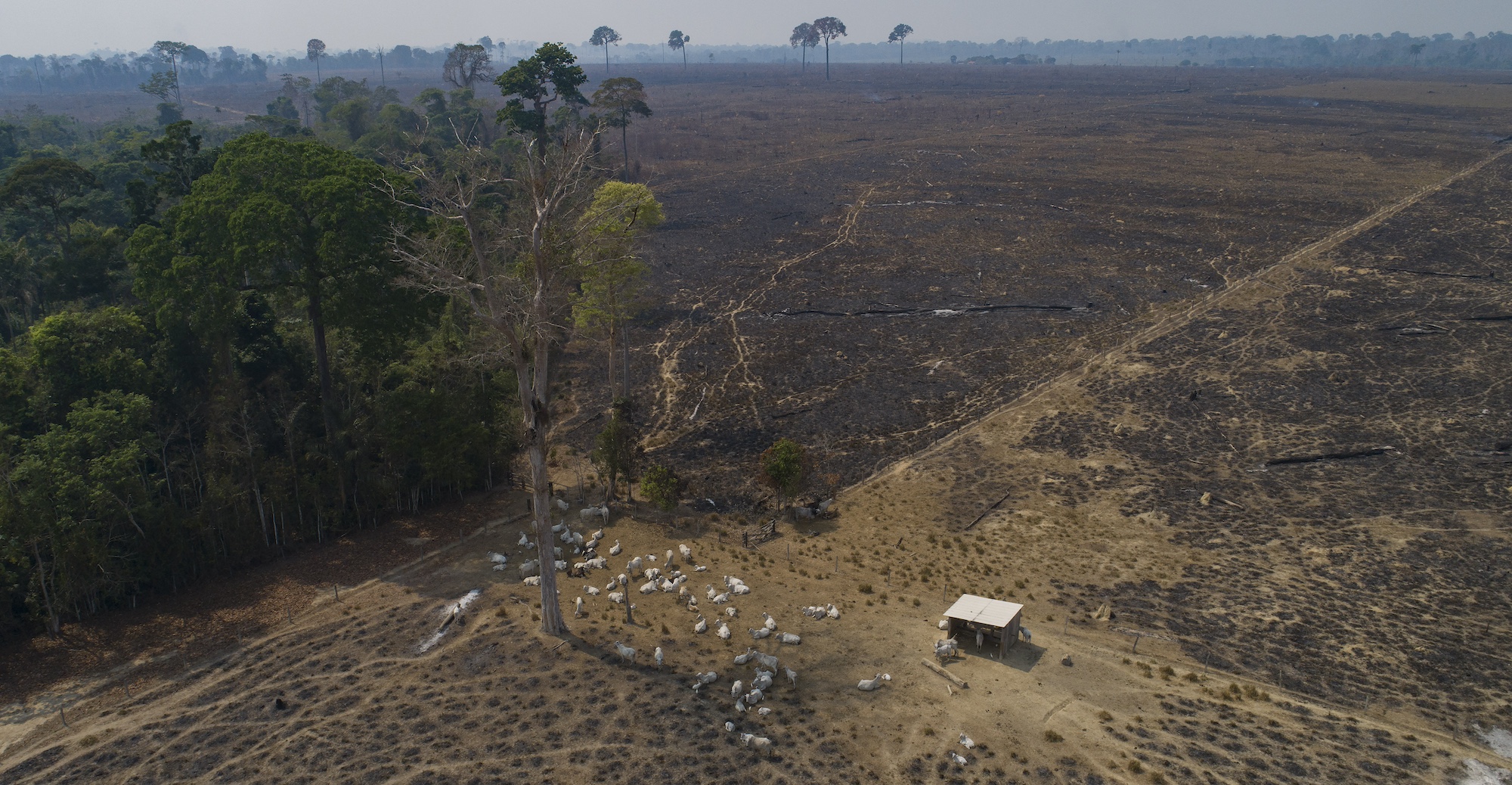
- Although more progress is needed, a growing number of companies are adopting and implementing deforestation commitments ahead of the European Union Deforestation Regulation (EUDR) taking effect in December, according to a new report analyzing public data on 500 companies exposed to deforestation in their supply chains.
- Global Canopy’s newest Forest 500 Report found that 14% of companies mentioned the EUDR in deforestation commitments and more than 25% reported new implementation actions in 2025. The number of companies with traceability mechanisms also increased.
- The report also found that 24 companies have never published deforestation commitments and that 14 backtracked on previous commitments in 2025.
- The legal uncertainty surrounding the EUDR and its implementation disincentivizes companies from adopting systems for due diligence on deforestation, experts say.
Some companies have made headway toward removing deforestation from their supply chains in the last year, in preparation for the European Union Deforestation Regulation (EUDR), according to a new report by the NGO Global Canopy. This shows that the upcoming regulation is driving some progress despite an unfavorable global climate for environmental commitments.
The Forest 500 Report 2026 examined the corporate commitments on deforestation, land conversion and human rights of the 500 companies with most influence over nine commodities linked to deforestation and covered by the EUDR: beef, cocoa, coffee, leather, palm, pulp and paper, rubber, soy and timber. It found that more than a quarter of companies reported new forms of implementation action in 2025, and 14% specifically mentioned the EUDR in documents about deforestation commitments. Forest 500 is based on public documents, and more companies could be making decisions based on the EUDR in private, the report notes.
The EUDR is due to take effect Dec. 30 this year after several delays.
“The EUDR is the main focus of this report. The key takeaway is that it’s working, it’s appearing in lots of company reporting, with 68 companies in our assessment citing it in regard to deforestation commitments, especially with traceability,” said Chloe Rollscane, a research associate at Global Canopy. “Even though [the EUDR] is not in place yet, it’s obvious that companies are getting ready for it.”
These companies include producers and processors in source countries, as well as traders and retailers in the EU, Rollscane told Mongabay in a video interview.
One example in the report is Peruvian coffee company Corporación Perhusa, which said its coffee plots meet EUDR requirements based on analysis of official deforestation maps. Another is restaurant chain Domino’s Pizza, which stated it aimed to make its European operations EUDR-compliant by the end of 2025. Domino’s did not reply to an email from Mongabay about whether this had been achieved.
Forest 500 also found that traceability for all commodities except beef increased in 2025, with 23% of upstream companies and 14% of downstream companies reporting traceability mechanisms. The EUDR requires companies to be able to trace a commodity to where it was produced, to guarantee it is not linked to deforestation after 2020.
More progress needed
Despite these signs of progress, corporate efforts on deforestation remain insufficient.
Just 29% of the 500 companies had commitments to address deforestation for all the commodities they produce or source. Only 120 companies reported that more than half of their volumes were deforestation and conversion-free (DCF) for at least one commodity. Reporting DCF volumes is a measure of how successful deforestation commitments are. Companies in rubber, leather and coffee performed the worst, with none or very few reporting more than 50% DCF volumes.
A mere 19 companies are considered “leaders,” with strong implementation as well as comprehensive commitments.
Meanwhile, a group of 24 “persistent laggards” have never published deforestation commitments. This could expose them to legal action, reputational risks and reduced access to capital, the report notes.
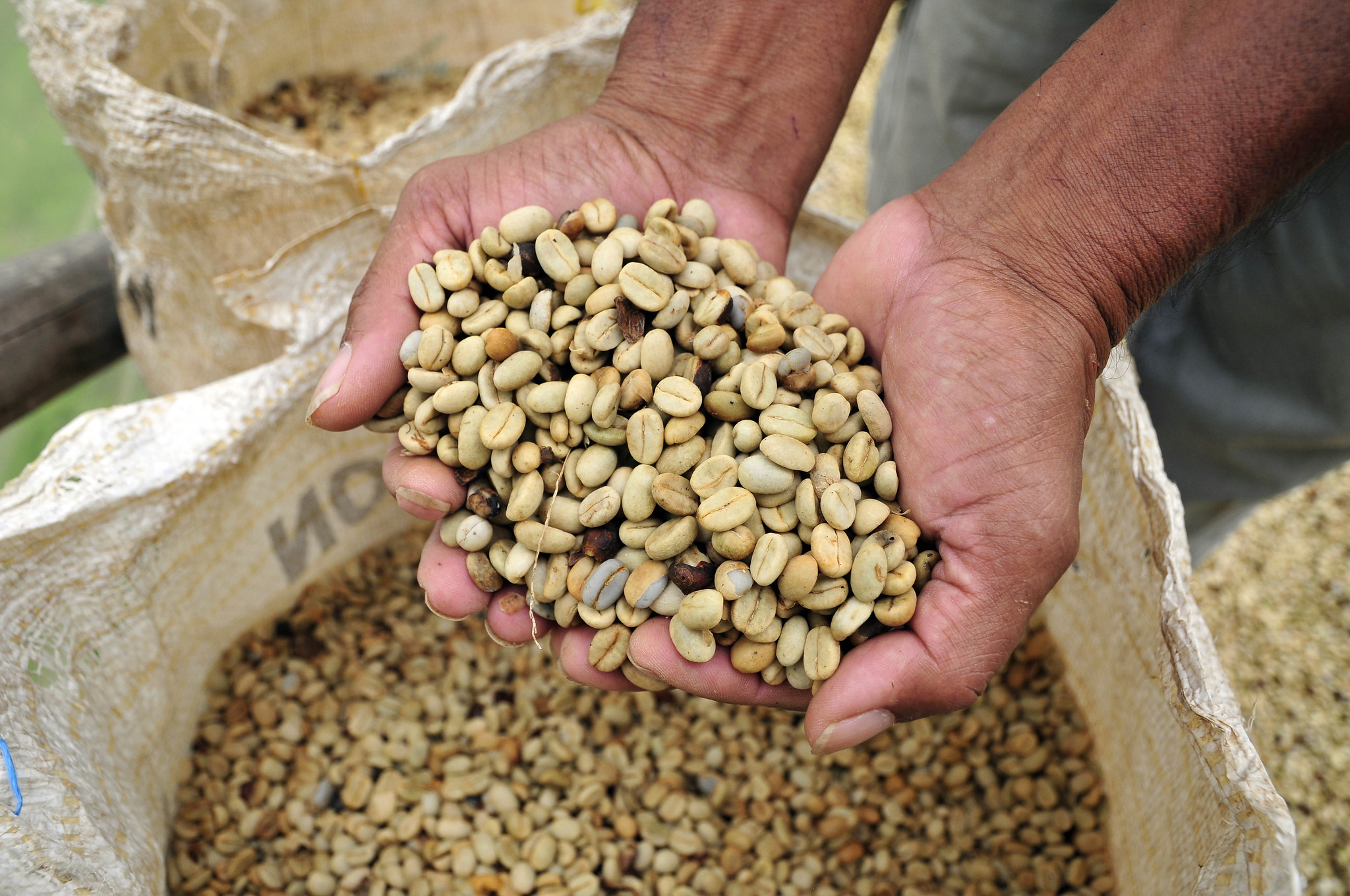
Factors such as how much a country or industry engaged with deforestation prior to the EUDR can affect companies’ preparedness, said Tina Schneider, director for forest governance and policy at the World Resources Institute. Corporate compliance is easier in countries where governments are implementing their own traceability systems for certain commodities, she said, citing Ghana’s wood and cocoa tracking systems as examples. “It’s not always perfect but the fact that there is one coordinated way forward is easier,” Schneider told Mongabay.
Forest 500 also identified 14 companies that backtracked on deforestation efforts in 2025, by removing commitments or withdrawing from certification schemes. Brazilian meatpacker Minerva is one of them, after changing the wording of its commitments in a CDP report, a voluntary reporting framework, to focus on illegal deforestation only. Brazilian law permits a certain level of legal deforestation, but the EUDR prohibits any deforestation. Minerva told Mongabay in a statement that it had not backtracked on commitments, as it stands by the public objective first made in its 2021 sustainability commitment to remove illegal deforestation from its supply chain by 2030. Minerva added that it is well-positioned to meet EUDR requirements.
Another is U.S. sportswear brand Nike, which is exposed to deforestation through pulp and paper for its shoeboxes. Nike has rolled back a 2024 commitment to protecting priority forests and sourcing FSC-certified packaging, the report said.
Rollscane noted that there have been allegations of fraud surrounding FSC, the world’s largest green timber label, but there is no way of knowing what prompted Nike’s rollback. “Best practice would be for Nike to publicly say why that is,” she said. Nike did not respond to a request for comment.
Leather highlights EUDR importance
The Forest 500 report flagged some progress on tracing supply chains by companies exposed to leather, arguing that they “could readily comply,” even as the leather industry is in the spotlight over reports that it is successfully lobbying the European Commission to exclude the commodity from the EUDR’s scope.
Recent analysis by the NGO Earthsight found that seven out of the 10 Brazilian states with the most tree cover loss between 2020 and 2024 accounted for nearly a fifth of Brazil’s leather exports to the EU in 2024 and 2025. “Despite this and a mountain of other evidence by other NGOs and investigations, the industry still argues that there is no link to deforestation,” said Miki Ng, a researcher at Earthsight.
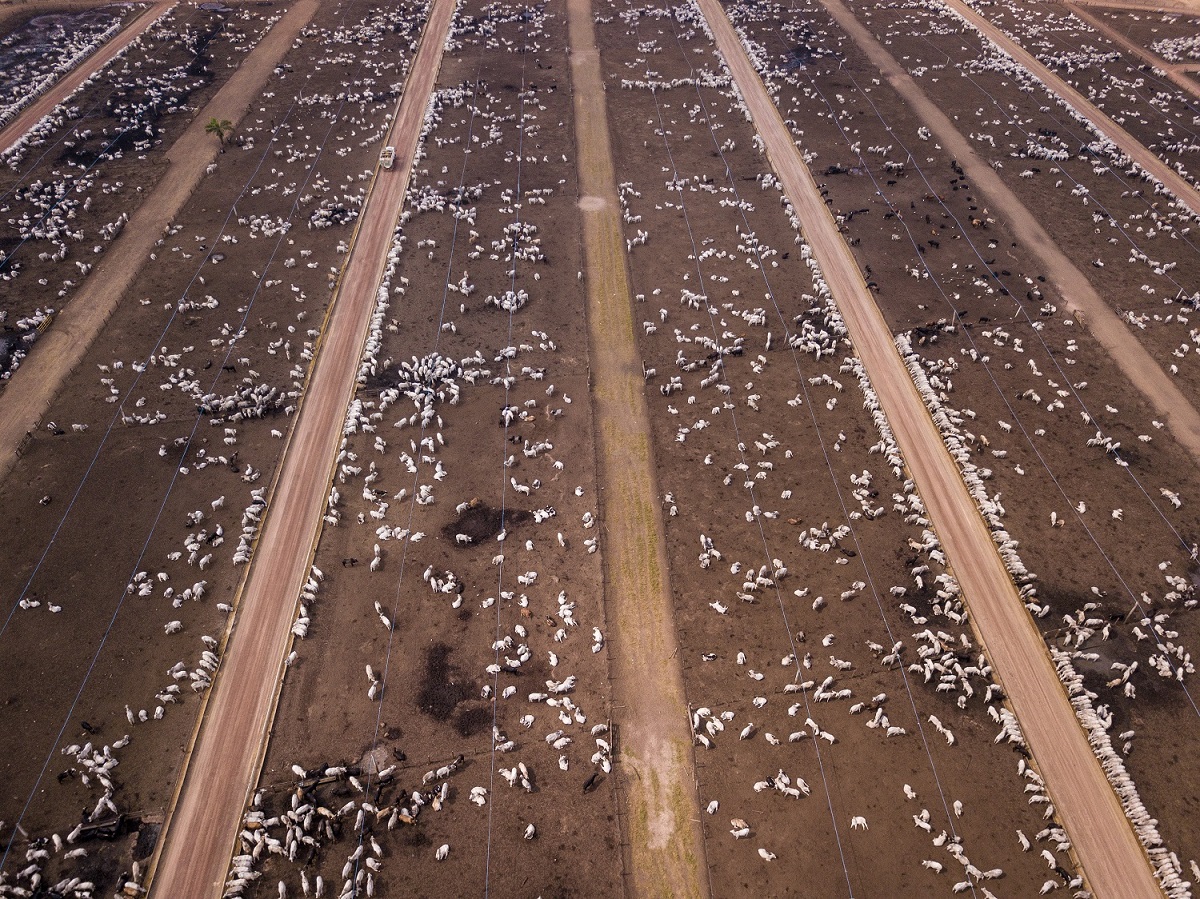
Yet there is demand for sustainable leather from consumer brands, she said. “You have big brands from the fashion industry, the automotive industry, who’ve said they want to source deforestation-free leather by 2030,” Ng told Mongabay in a video interview. “The EUDR is kind of moving that along,” she added.
Forest 500 data echo this, citing Spanish clothing company Inditex (which owns Zara), German sports shoe brand Puma, French luxury goods company Kering (owner of Gucci and Saint Laurent) and car firms BMW Group and Volkswagen Group, among others, as improving traceability on leather.
EUDR delays undermine changes
Experts warn that the multiple delays and talks of changes to the EUDR are a disincentive to companies, even as some are taking steps on deforestation ahead of the legislation coming into force.
Schneider said the “constantly shifting legal landscape” makes it harder for companies to make decisions on setting up and implementing their due diligence systems.
“Efforts have been made by companies and countries to prepare for the law, and every time the law gets reopened or postponed, it doesn’t create more legal certainty, it actually increases costs,” Ng said.
“The EUDR should be put into practice so that people can test out those systems, see if they work and then improve them,” she added.
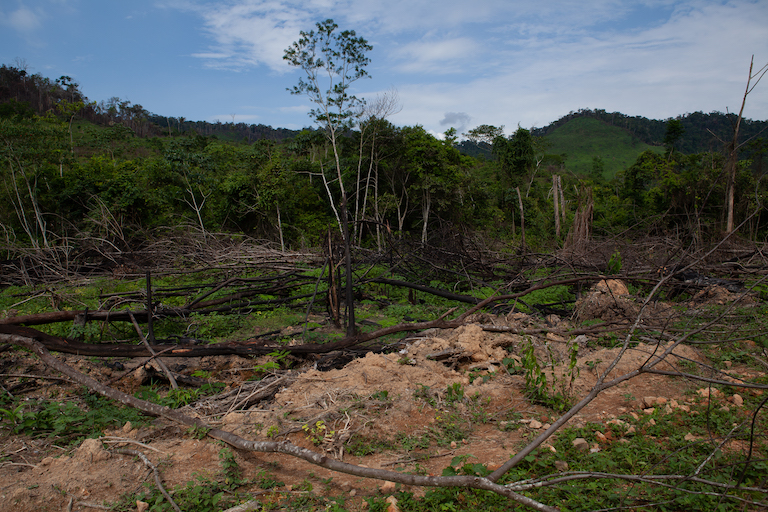
Although the majority is still lacking, a few companies in the Forest 500 report show that it is possible to trace commodities across complex supply chains and guarantee DCF volumes without this affecting a company’s bottom line, Rollscane said.
“Nestlé is a really good example of a company that has a complicated supply chain , they are exposed to many commodities, but they are managing to implement a lot of what … aligns with best practice,” she said.
On its website, Nestlé says 96.7% of its primary supply chains for meat, palm oil, pulp and paper, soy, sugar, cocoa and coffee were deforestation-free at the end of 2025, a result based on a combination of satellite monitoring, on-the-ground assessments through partners and certifications and sourcing of volumes traced to low-risk regions.
“It can be done and it’s proven it can be done,” Rollscane said.
Banner image: Cattle graze on land recently burned and deforested by cattle farmers near Novo Progresso, Para state, Brazil. The cattle industry in Brazil is a major driver of destruction of the Amazon rainforest, a fact documented by the World Bank and numerous academic studies. (AP Photo/Andre Penner, File)
FEEDBACK: Use this form to send a message to the author of this post. If you want to post a public comment, you can do that at the bottom of the page.
