

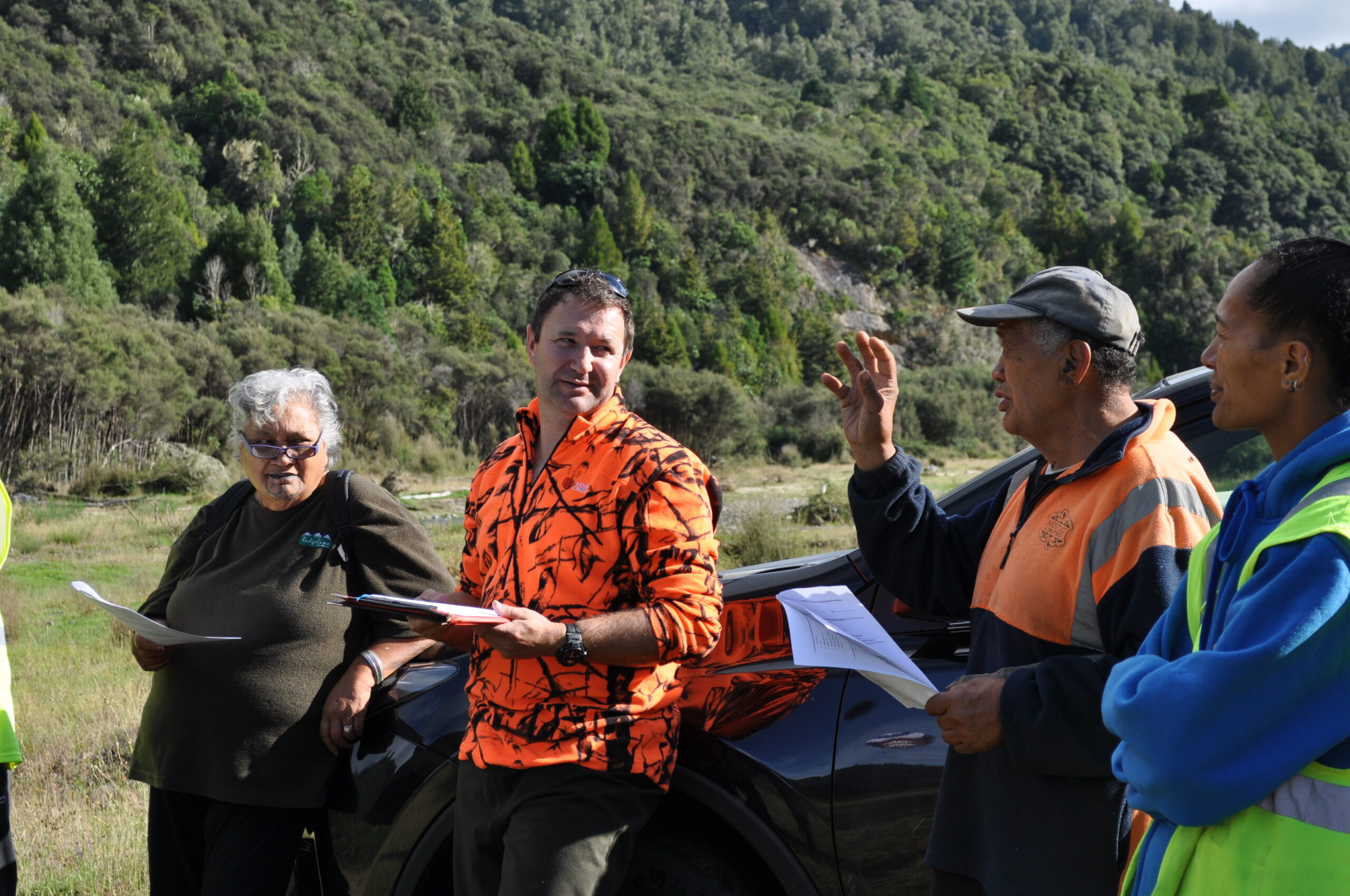
- An Indigenous-led team of researchers worked with Māori knowledge-holders in the Te Urewera and Whirinaki forests of Aotearoa New Zealand’s North Island to document forest change over the past 75 years.
- Drawing on bioindicators from traditional ecological knowledge, they found dramatic changes in native tree fruiting patterns in line with climatic shifts.
- The research showed cascading impacts from the fruiting shifts across the food chain — including for pigeons, pigs and people.
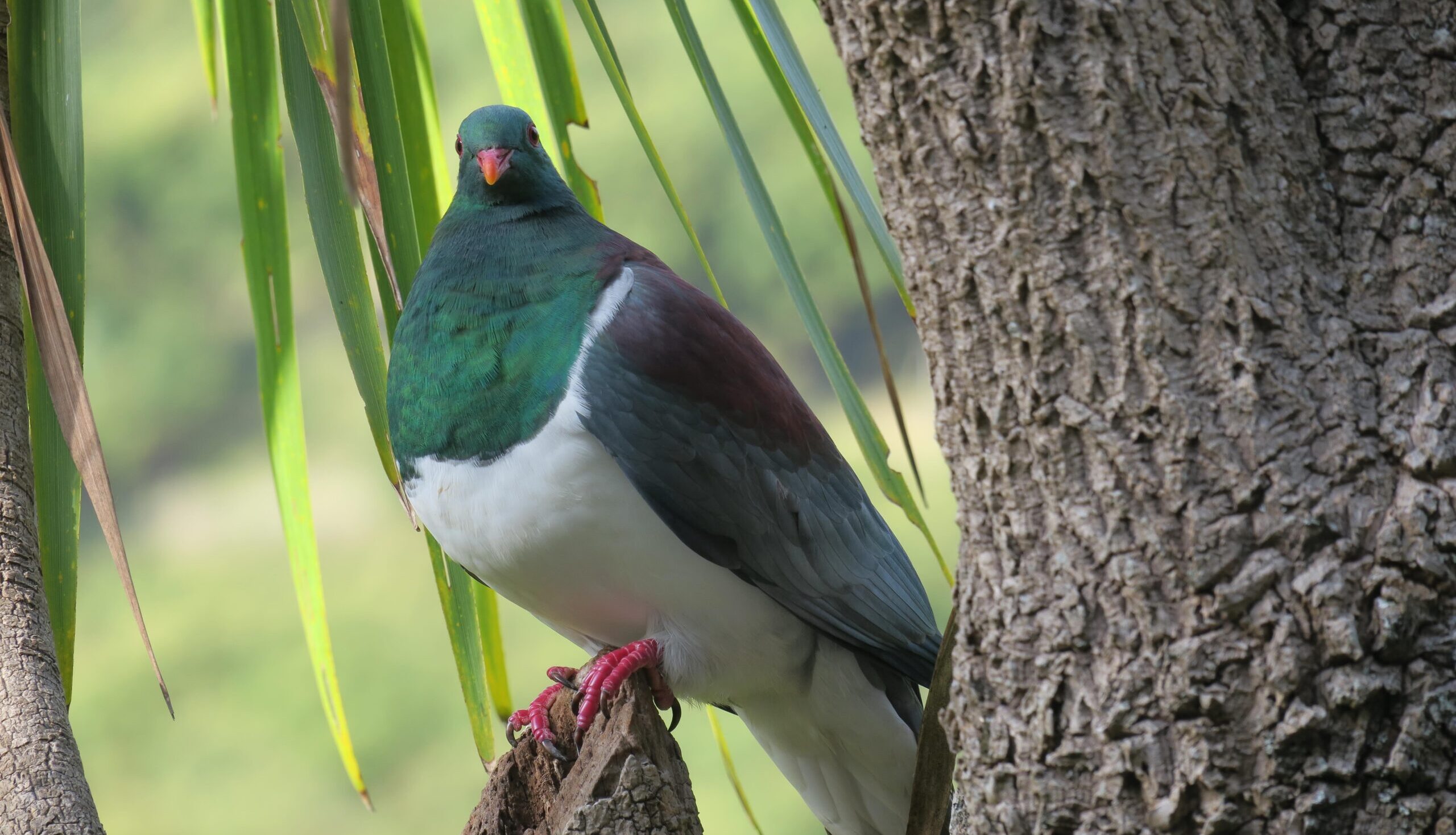
RAGLAN, Aotearoa New Zealand — Imagine a forest floor so thick with juicy, crunchy purple tawa (Beilschmiedia tawa) fruit in summertime that you can’t cross it without skidding and falling. Birds so fat with toromiro (Pectinopitys ferruginea) berries that they explode when you shoot them. Pigs that don’t bother to dig in the ground because there’s so much food on top of it for the taking.
For elder Māori of the Tūhoe Tuawhenua and Ngāti Whare iwi (tribal groups) in Aotearoa New Zealand’s North Island, such phenomena used to be commonplace. But they’re now a distant memory.
The fruits of the Te Urewera and Whirinaki forests used to set, ripen and drop with rhythmic regularity, and people who lived there were attuned to those beats and their impact across the food chain. In the past three decades, those patterns have started to falter.
Over a decades-long engagement process, an Indigenous-led team of researchers has drawn on mātauranga Māori (Māori knowledge) to document and understand changes in these forests across the last 75 years. Their new study tracks, for the first time, fruiting changes in line with shifting climatic patterns in the country.
“The forest itself has signaled change, and people who have watched these landscapes for generations are noticing the rhythms of the seasons are shifting,” said Puke Tīmoti, a co-author of the study who is Tūhoe and grew up in Te Urewera.
The research offers a striking account of climate change at an intimate scale, the co-authors say, demonstrating how relatively subtle shifts like the timing of fruit ripening can cascade through such diverse issues as soil health, food systems and culture.
‘The trees no longer know if it is winter or summer’
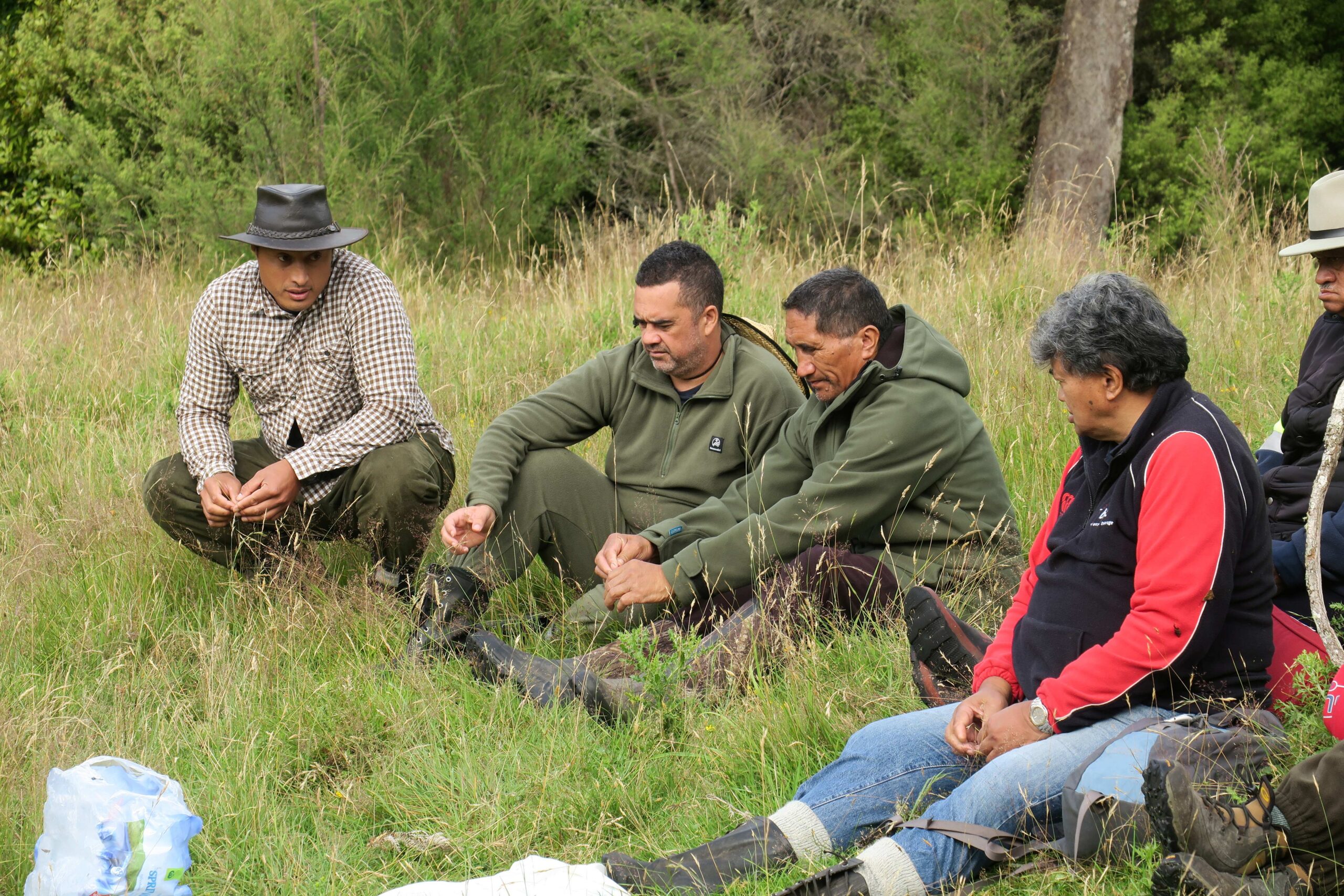
To track these changes in fruit phenology (its various development phases), the research team ran five rounds of interviews and four knowledge verification workshops with 39 “forest practitioners” (people who had extensive experience in the forests) from 2004 to 2018. Given the erosion of forest interaction in recent decades, most of the participants, more than 70%, were over 60, they told Mongabay.
Many of the interviews were conducted in te reo (Māori language), and the interviewers tried to speak with people out in the forest wherever possible. At one point, Tīmoti rode a horse five hours from his base in the village of Ruatāhuna to interview someone in the remote mountaintop settlement of Maungapōhatu.
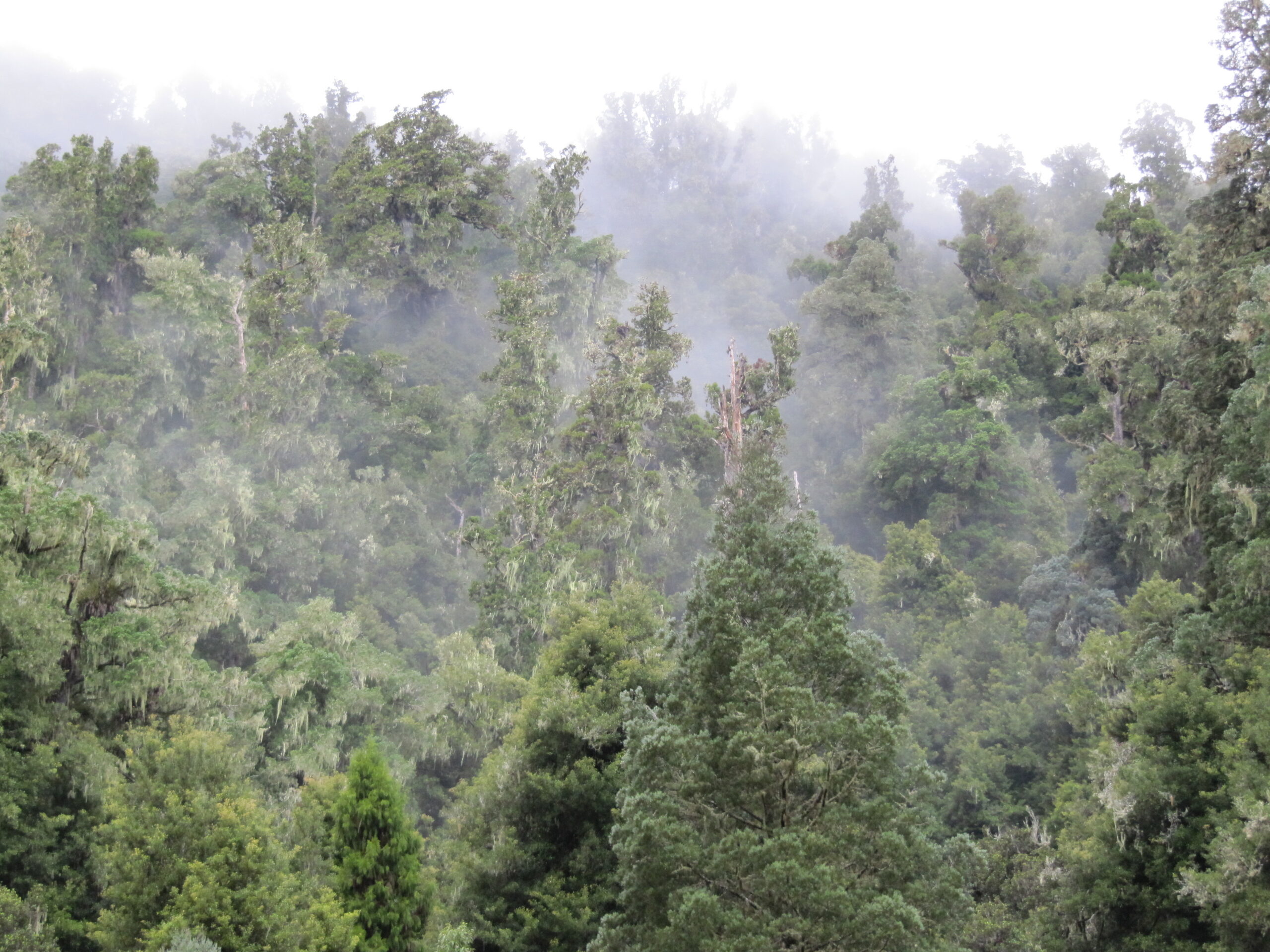
The practitioners noted gradual but significant climatic shifts since the 1990s: longer, hotter summers, fewer frosts and more frequent storms. These correspond to broader patterns of climate change across Aotearoa. This makes for a drier and more fragile forest, which is compounded by the large numbers of invasive deer and goats that now frequent the area.
“My elders are talking about how it’s a lot more windy in their forest nowadays,” said Tīmoti, who is also a researcher at the Manaaki Whenua – Landcare Research Group. “You don’t have that understory slowing down the wind, so the ground gets drier, and the animals that are compacting the ground are affecting the belowground system, too.”
As a result, the forests’ trees no longer drop fruit with the abundance and regularity of the past. Their yield is lower, their fruits small and shriveled and their timing unpredictable. “Some of the trees in the forest no longer know … if it is winter or summer, or which season of the year it is,” one practitioner said.
The forest’s fading pulse
The disappearance of those heavy summer fruit falls has wider impacts, elders and researchers noted. Without the massive pulses of nutrients and simple sugars that they used to provide for the forest floor — including nitrogen input that the researchers estimated at one to two orders of magnitude higher than typical fruit falls — the soil sees less microbial and earthworm activity, and slower decomposition processes. With poorer soil comes less vigorous plant life. And with fewer fruits, culturally significant food species like kererū (New Zealand pigeon, Hemiphaga novaeseelandiae) and feral pigs (Sus scrofa) become skinnier and less abundant.
This ecological degradation is affecting local Māori culture and well-being across a number of spheres, including nutrition, relationships with nature and even language.
“Māori will often say, ‘I am the forest’,” Tīmoti said. “So then there’s a notion that we, too, are in decline: There is this massive shift within our environments, and our culture is reflecting that.”
The study includes a long list of te reo words that encapsulate different forest fruit phases and qualities. Papahoro describes the seasonal moment when “the ground cannot be seen because it is carpeted with fruit,” and kōuriuri to the time when kahikatea (Dacrycarpus dacrydioides) canopy glows “an intense orange-red” with the density of translucent berries.
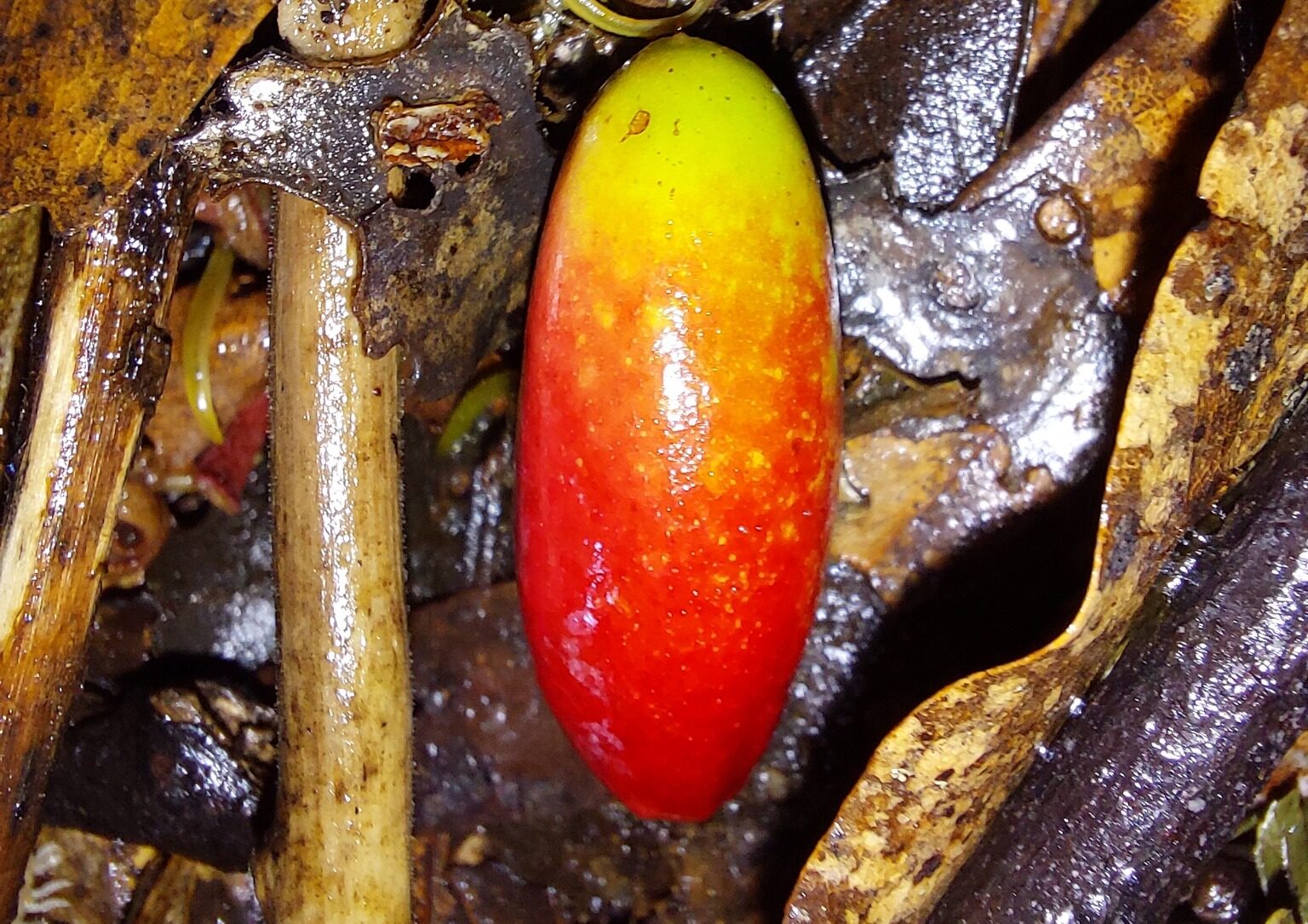
Yet such terms are disappearing alongside the incidences they describe. With them, local Māori, and everyone else, are losing critical and evocative ecological reference points, Tīmoti said.
“Te reo names are direct insights into the natural, ecological and physical inter-relationships unique to our special place on Papatūānuku [Earth Mother],” said Māori science researcher and physicist Ocean Mercier, who is Ngāti Porou and was not involved in the research. “But Indigenous peoples, their languages and knowledges are being ever more deeply fragmented by coloniality — and climate change is a manifestation of that.”
Integrating traditional knowledge
Ecological decline is not the only aspect creating a sense of urgency in the research team’s work. Those with the richest relationships to the forest, forged before urbanization and land degradation fragmented families and ways of life, are in their 80s and beyond. The majority of people who were interviewed for this project, Tīmoti said, have now died.
“We are depleting our library — and we’re not regenerating that knowledge in the current generations,” he said. “That’s a massive concern.”
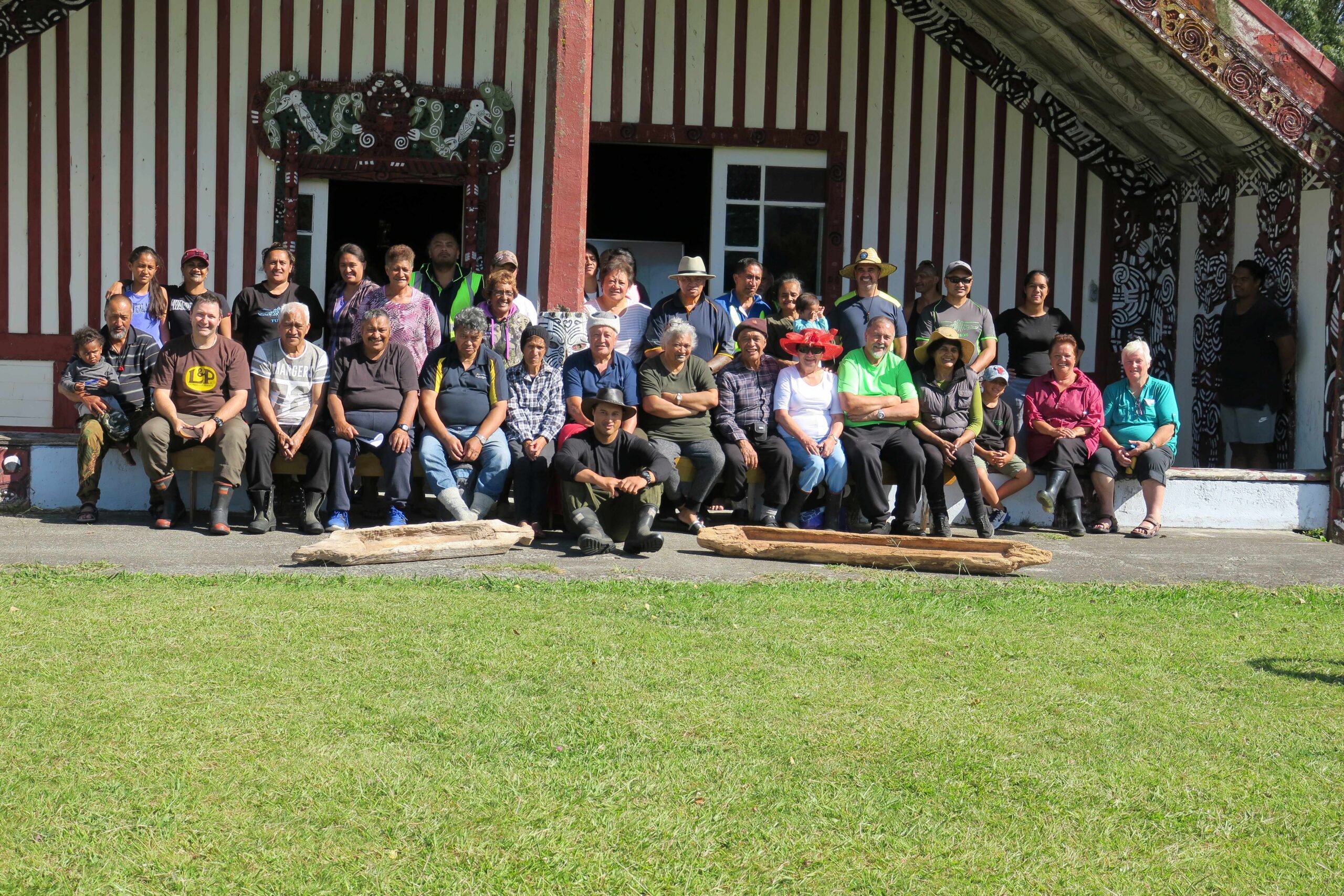
In the past, the depth of information the researchers collected from elders would only have been shared in more intimate family settings, but that seems to have changed in the face of widespread disconnection and knowledge loss.
“Traditionally, knowledge was handed down only from grandparent to grandchild,” Tīmoti said. “But my elders have realized that system is no longer functioning, and have been open about sharing their knowledge to anyone within the tribe.”
Going forward, he’d like to see mātauranga reinforced by landscape-based knowledge hubs and better integrated into national conservation management.
“There’s a very small group of people who designed the framework for monitoring our environments, and they all come from a particular worldview,” he said. “We’re trying to share that there’s a richness in Indigenous mātauranga, in knowledge systems, that represents probably the longest-standing longitudinal study in our country.”
Mercier echoed Tīmoti’s point on the value of taking Māori knowledge, and that of other Indigenous peoples across the globe, seriously.
“This paper provides yet more evidence (as if it were needed) that Indigenous peoples, languages and knowledges are vital to understanding the past and contemporary contexts of climate change,” she said.
Banner image: Phil Lyver (second from left) and Tuawhenua kaumatua (elders). Image by Manaaki Whenua/Landcare Research.
Scientists, Māori experts uncover new insights into rare spade-toothed whale
Latest Mongabay podcast episode: The ‘unfair’ job of being a conservationist in a world working against nature. Listen here:
Citation:
Lyver, P. O’B., Carpenter, J. K., Wardle, D. A., Richardson, S. J., Tahi, B., Carson, D. B., & Timoti, P. (2025). Māori practitioner knowledge indicates a shift in forest fruit biomass and phenology over 75 years. New Zealand Journal of Ecology. https://doi.org/10.20417/nzjecol.49.3622
