

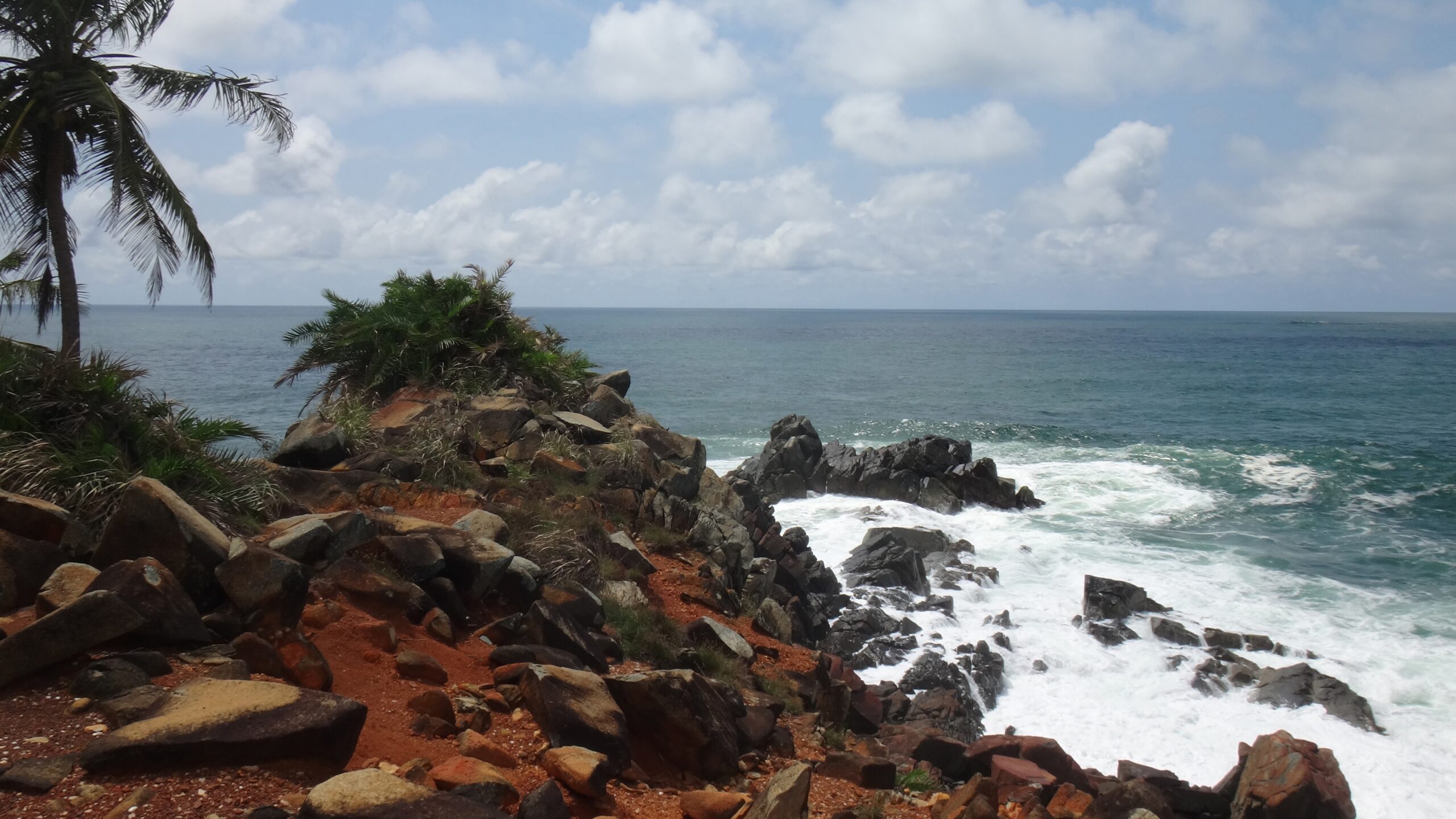
Ghana has declared its first marine protected area after more than 15 years of efforts to bolster marine conservation and safeguard its depleting fish stocks.
Vice President Naana Jane Opoku-Agyemang announced the creation of the MPA on April 14. It marks a “historic moment,” according to Ghana’s fisheries commission, Benjamin Campion.
The designated area covers 703 square kilometers (271 square miles) in the greater Cape Three Points area, at the southernmost tip of the country. A key spawning and nursery ground for small pelagic fisheries, targeting fish near the water’s surface, the area has been identified as having the potential to restore critical fish populations.
The protected area will consist of a core zone where no fishing will be allowed and multiple-use zones where fishing and other activities will be still be permitted, but strictly regulated.
“The MPA forms part of a broader national strategy to rebuild Ghana’s fisheries sector, complementing existing interventions,” Campion told Mongabay via email.
Ghana’s small pelagic fishery is at risk of collapse due to years of overfishing by a growing artisanal sector, the use of destructive gear and fishing methods by industrial trawlers, and the effects of climate change. These pressures increasingly threaten the country’s food security, as a majority of the population’s animal protein intake comes from small pelagics.
In response, Ghana has implemented multiple conservation measures to ease pressure on populations of sardinella (Sardinella spp.), anchovy (Engraulis encrasicolus) and mackerel (Scomber japonicus). These include seasonal fisheries closures, a three-year moratorium imposed in 2023 on new canoes entering the artisanal fishery, a trawl gear directive, and the reclassification and registration of all fishing vessels.
The MPA aims to support the “long-term protection of critical habitats, supporting the sustained recovery and resilience of marine fisheries resources over time,” Campion said.
The creation of the MPA suffered a setback in 2025 when the U.S. government slashed funding for aid agency USAID. USAID was a key supporter of increased regulation of Ghana’s fisheries sector, including the establishment of MPAs.
Stephen Kankam, from Ghanaian NGO Hen Mpoano, which has been involved in the planning and design of the MPA, told Mongabay by email that the declaration is significant as a practical step toward rebuilding the country’s fisheries, “not just in policy, but on the ground.”
He added that communities have been at the heart of the designation process, contributing to the identification of fishing grounds and breeding areas. “That local knowledge has been built into the design of the MPA,” Kankam said, adding that the site will be managed according to a co-management model.
Twenty-one participating communities have representatives in community management groups, which serve as points of contact for higher-ranked decision-making committees.
According to Kankam, the next steps will be to finalize the MPA’s zoning system — clarifying what activities are allowed where — and to ensure that monitoring, enforcement and compliance mechanisms are effective.
Banner image: Cape Three Points village, Ghana. Image by Tini Maier via Flickr. CC BY 2.0.
