

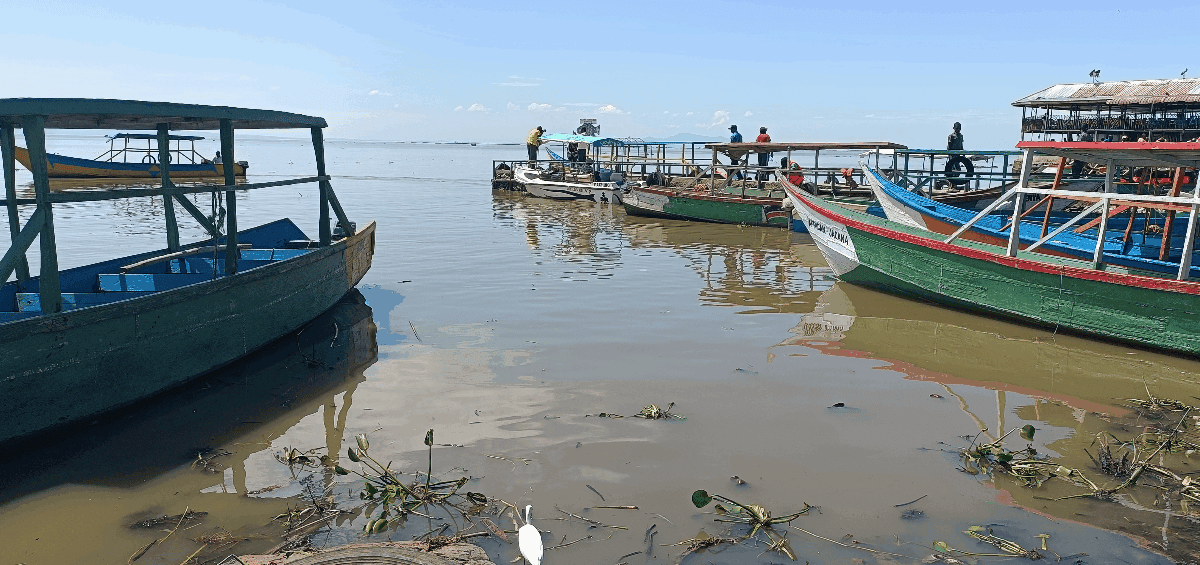
- In 2002, Dunga Beach, located within the larger Dunga wetland in the Kenyan county of Kisumu, which sits on the shores of Lake Victoria, was being choked by plastic waste.
- Members of the nonprofit Dunga Ecotourism and Environmental Association (DECTTA) decided to build on the tourism potential of the area and get rid of the heaps of waste that had become an eyesore.
- The Dunga wetland is listed as a Key Biodiversity Area (KBA), but is under threat from pollution as well as the unsustainable harvesting of papyrus reeds.
- A campaign is underway to have the wetland officially recognized as a protected area by the government to bring lasting protection.
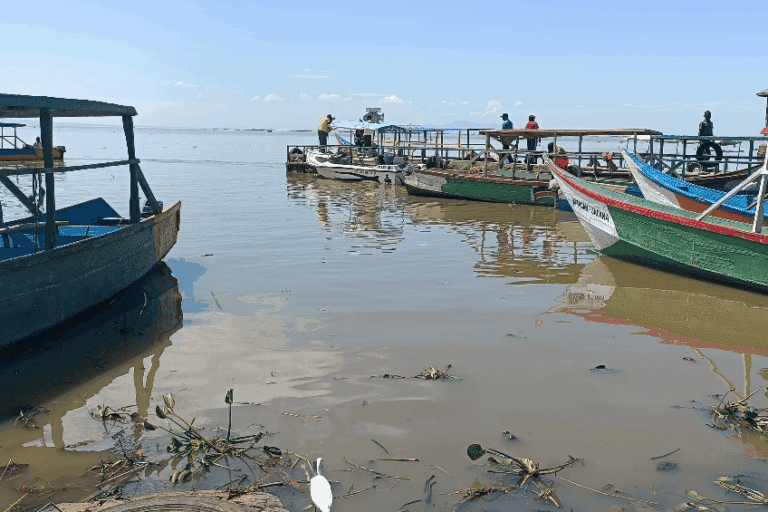
KISUMU, Kenya — On a December morning, the early sunshine casts a golden sheen on the waters of Lake Victoria in Kenya’s Kisumu county. The breeze from the lake carries the melody of birds, as a small wooden boat bobs gently on the languid waves.
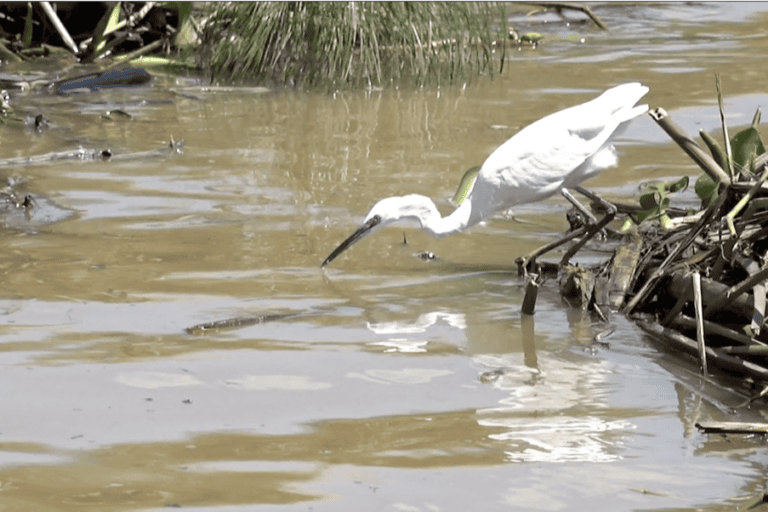
Occasionally, an African sacred ibis (Threskiornis aethiopicus) strikes, trapping a fish in its beak. The atmosphere at Dunga Beach, on the lake’s shore, is serene. In a few hours, fishmongers will arrive to haggle with fishers who have spent the night pulling up their nets.
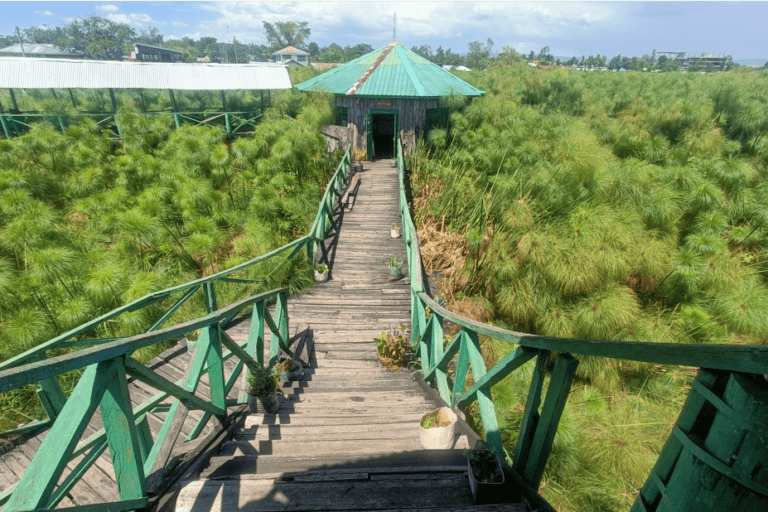
Victor Ochieng’ Didi, 32, leads a group of Kenyan tourists down the wooden boardwalk on the lakeshore. They’re bird-watchers, here at the culmination of a full year’s planning to catch a glimpse of the papyrus gonolek bird (Laniarius mufumbiri), a near-threatened species found only in the wetlands of Central and East Africa.
The possibility of bird-watching at this spot is the result of years of efforts by conservationists, especially youths from this region. Momentum to preserve the Dunga wetland, identified by scientists as a Key Biodiversity Area (KBA), has ebbed and flowed, but activists say they hope a push to designate it as a gazetted wetland under Kenyan law will bring more lasting protections.
A home for rare wildlife
Dunga Beach is part of the wetland that’s also known as the Dunga swamp. It’s not only a habitat for rare species, but also an important carbon sink.
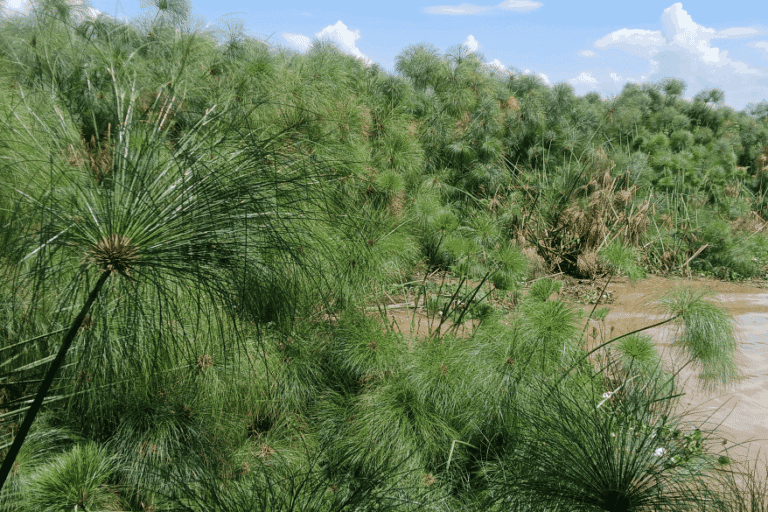
The papyrus gonolek sought by the bird-watchers is a boldly patterned black-and-red bushshrike with a yellow crown and pale eyes. It’s found in papyrus swamps like those that exist in Dunga and the Yala swamp in Siaya county, also on the shores of Lake Victoria. In October 2025, the gonolek was listed as near threatened on the IUCN Red List, in part because of its “complete reliance on papyrus habitats,” which are disappearing and becoming increasingly fragmented. These same pressures also threaten the papyrus yellow warbler (Calamonastides gracilirostris), another bird found in Dunga that’s endemic to Africa’s Great Lakes region.
The wetland is also home to the rare sitatunga antelope (Tragelaphus spekii). There are estimated to be no more than 500 of these animals left in the wild, according to a 2021 Kenya Wildlife Census report.
A decades-long marathon to save a wetland
In 2002, Dunga Beach was being choked by plastic waste. The papyrus reeds, once found in abundance here, were being harvested at an alarming rate. “Fish were becoming hard to come by,” says Didi, the bird-watching guide. “So, people ventured into handicrafts, harvesting the papyrus reeds to make hats and furniture, which became very popular.”
The Dunga Ecotourism and Environmental Association (DECTTA), a nonprofit, was born out of necessity. It was formed when the then Dunga Beach Cooperative, a collective of local fishermen, decided to harness the tourism prospects of the area and eliminate the mounting heaps of plastic waste that had become an eyesore.
DECTTA worked with local youths, reducing the piles of plastic waste and providing employment in ecotourism. Dozens of young men were enlisted to operate boats and act as guides for tourists to the world’s largest tropical lake.
However, the zeal for this venture soon fizzled out. By 2006, the fish breeding zones had been encroached, as fishers cast their nets wider. Trawling in these zones, they pulled up not only the fingerlings but also the hippo grass (Vossia cuspidata) that surrounds the lake. These aquatic plants serve as breeding grounds and habitat for fish as well as insects.
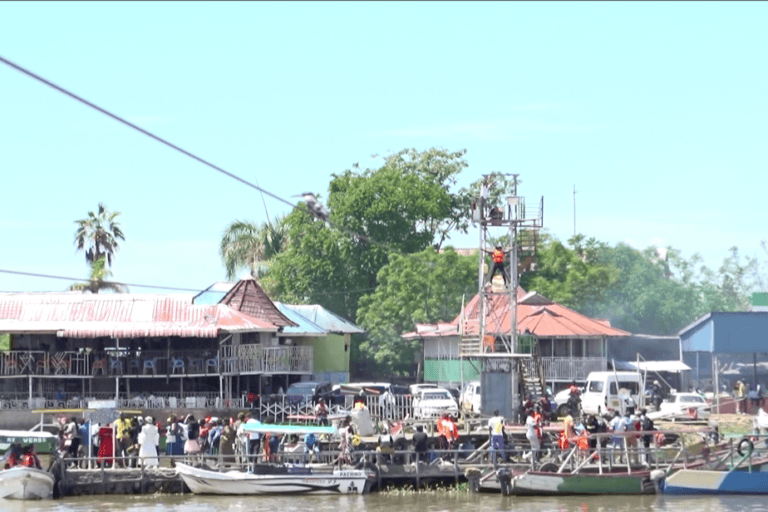
Shops selling furniture and other artifacts made of papyrus reeds proliferated. By this time, DECTTA had become a shell of its former self. The young people were no longer keen on conservation. Most of the villagers noticed that the tourists streaming in for the boat rides were interested in the items made from the papyrus reeds. “Everyone became an artisan, and the reeds were being harvested faster than they could grow back,” Didi tells Mongabay.
Back on track
In 2008, DECTTA was revived. It was the time of the Great Recession, and many young people had moved back to the village due to the unstable political atmosphere in the country at that time. Their return helped restore the once-majestic beach at Dunga.
“DECTTA is huge on ecotourism. We charge a modest fee for those who want to learn about the wetland. The money we raise is used for maintenance and food programs for the elderly and schools during open days,” Didi says.
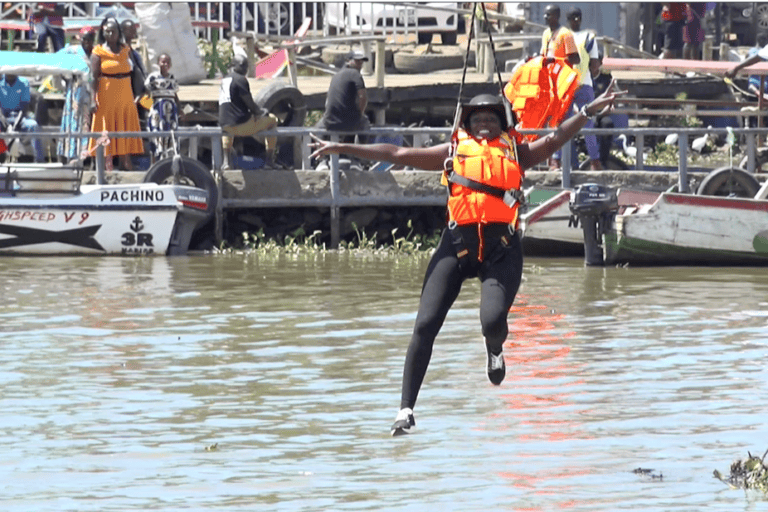
The group also owns two wooden boats used to ferry tourists, which generate revenue used to pay the administrative costs for DECTTA’s office. One of the group members also runs a zip line across a section of the lake. Faith Adhiambo, the treasurer at DECTTA, says such activities have fostered the spirit of conservation.
“At the end of the day, people want to earn money,” Didi says. “When tourism earns them something while at the same time funding food programs for the elderly, it becomes easier to convince more people, young and old, to stop harvesting reeds.”
Anchoring protections in law
In Kenya, the absence of a single, unified law that focuses on wetlands has led to fragmented management under a patchwork of existing laws on water, agriculture and land. There’s also the National Wetlands Conservation and Management Policy, regulations put in place by the National Environment Management Authority, as well as county-level initiatives.
According to Paul Otieno Abuom of Maseno University’s Department of Environmental Science, the challenge of managing wetlands is exacerbated by poor enforcement of the existing policies due to weak institutional structures and a lack of coordination between ministries and local governments.
Similarly, the failure to integrate biodiversity conservation fully into restoration strategies, insufficient baseline data, and a lack of standardized monitoring and reporting systems pose a challenge to the protection and restoration of wetlands, Abuom says.
“Currently we have less than 10% of wetlands under legal protection, which is attained by gazettement,” Faith Omole, an environmental scientist, tells Mongabay. “Instead of having each ministry doing one small thing, there needs to be harmonized laws that ensure a holistic approach instead.”
The Dunga wetland remains ungazetted despite the continuous push by environmental lobby groups. Tom Togo, who previously served as the Kisumu county director for Kenya’s National Environment Management Authority (NEMA), cites poor community involvement, describing his efforts petitioning the Kisumu county government to have Dunga and several other wetlands gazetted.
“Once they are designated as protected areas, they will be easier to manage,” he tells Mongabay in a phone interview. “The challenge is that these wetlands are on people’s farms, and they have titles to the land. You cannot dictate how people use their land. That is why there is massive degradation.”
Michael Nyaguti, who works closely with DECTTA, has been trying to raise awareness among residents of Usoma village in Kisumu to vacate those areas that overlap with the wetland. “They do not understand that this is a wetland. But because of the Lake Victoria overflow, which has displaced some communities, I can now convince them to vacate.”
Didi also describes difficulties in taking on the major companies that set up infrastructure in the wetland. Hotels, which tout captivating views on the lakefront, destroy a lot of papyrus reeds and hippo grass during construction, he says. “We almost never win because these people also have deep pockets. Our efforts are not backed by law.”
In late 2025, the Environment and Lands Court in Kisumu found two former county governors and a senior official from Kenya’s environment ministry guilty of encroaching on riparian land around Lake Victoria. The court ordered their structures that sat on the land to be demolished within 90 days. The case, filed by Nyaguti, had dragged on in court since 2013.
“This is a win,” he says. “It is like building a house. This is one brick, which we will always refer to when arguing the case for the demarcation of the wetland or whenever people attempt to encroach.”
The lungs of Lake Victoria
Didi, who holds a bachelor’s degree in environmental science, says a lack of data is proving to be a challenge for DECTTA in the quest to have the wetland gazetted. “The exact size of the wetland is unknown. So, when we talk about degradation using samples from certain areas, we are asked how we determine that the place is part of the wetland. We need accurate data from universities and the relevant government agencies,” he says.
Research commissioned by the Lake Victoria Basin Commission (LVBC) in 2025 revealed growing contamination in nearshore waters, driven by untreated wastewater, agricultural runoff and solid waste disposal. The yet-to-be published study, a collaborative effort between Kenya, Uganda and Tanzania, the three countries that share the lake, covered more than 40 sites across the lake, including heavily impacted urban areas such as Kisumu in Kenya, Kampala and Entebbe in Uganda, and Mwanza in Tanzania.
“What we need is data to inform appropriate intervention, and what we are picking up is that the conservation has to start from upstream, coming to the wetland, and then into the lake,” says Simon Otoung, a water resources management officer at the LVBC.
Other experts also underscore the need to take a holistic approach toward wetland conservation. “Wetlands are the lungs of the lake,” says Christopher Aura, director of freshwater systems at Kenya Marine Fisheries and Research Institute (KMFRI). “They are the final filter before water from all the other places drains into the lake. Failing to protect the lungs is guaranteed suffocation. The lake will die.”
WWF-Kenya has run a campaign on the conservation of wetlands in Kenya and Tanzania. Martin Mulama, the manager of the NGO’s southern Kenya landscape program, says the campaign seeks to raise awareness about water catchment degradation. “Many now understand that water doesn’t just come from the tap, it starts in forests, wetlands, and mountain catchments that must be protected,” he tells Mongabay in a phone interview.
Way forward for Dunga
The Dunga Ecotourism and Environmental Association has initiated talks with the U.N.’s Food and Agriculture Organization (FAO), the county government of Kisumu, and other partners in efforts to adopt the “wetland garden” concept. This involves creating a miniature version of the wetland ecosystem in shallow water, with varied moisture zones and native plants to attract wildlife like frogs and birds, and pollinators such as bees and butterflies.
Didi says he’s optimistic that introducing charges to visit the wetland garden will motivate people to conserve the larger wetland and improve its tourism prospects. He says he also intends to continue to lobby for Dunga and seven other wetlands to be gazetted and formally recognized under both the national and county laws. Recognition of its importance in county laws could encourage more local participation and ensure better protection, he says.
For now, DECTTA is saving up funds to buy a fiberglass boat for ecotourism. The money generated will then go into setting up the wetland garden, the group says. It’s working closely with two other youth groups under the banner of the Dunga Swamp Site Support Group. The young people are also offering guided tours to bird enthusiasts around Dunga, along with exclusive boating excursions.
Didi says he believes these concerted efforts will eventually spur government action to gazette the Dunga wetland and save the biodiversity that’s under threat.
Banner image:Fishers in Dunga on the shores of Lake Victoria. Image by Achieng’ Otieno for Mongabay.
FEEDBACK: Use this form to send a message to the author of this post. If you want to post a public comment, you can do that at the bottom of the page.
