

- An action plan for redress for communities whose land and human rights the World Bank’s ombudsman found were violated by the operators of the Salala rubber plantation in Liberia appears to have stalled.
- A progress report published in February said the bank’s private sector arm would continue to engage key stakeholders, but affected communities say they have not been contacted.
- In 2023, the International Finance Corporation’s ombudsman found communities’ complaints about inadequate compensation and widespread sexual harassment were valid.
- The IFC and the former operator of the plantation, Socfin, committed to carrying out the action plan, but a year later the plantation was sold, creating uncertainty over who will see the process through.
A year after the World Bank approved a plan to redress community grievances over inadequate compensation and sexual harassment at Liberia’s Salala Rubber Corporation, a progress report provides little evidence that any of its key commitments have been implemented.
In February, the International Finance Corporation, the private sector arm of the World Bank, published a second report on progress with the action plan. “IFC will continue to engage with key stakeholders over the coming months to explore the feasibility of MAP implementation.”
But Windor Smith, from the Liberian civil society organization Alliance for Rural Democracy, which works with affected communities around the Salala plantation, told Mongabay she does not know which stakeholders the IFC is engaging with. “The situation is still the same. There is no engagement, no consultation with the communities and supporting organizations.”
Luxembourg-based multinational Socfin took over the rubber plantation in 2007 and received an IFC loan of $10 million to rehabilitate and expand it. Community members started voicing grievances soon thereafter. Dissatisfied with the company’s response, they filed a complaint with the Compliance Advisor Ombudsman, IFC’s independent watchdog, in 2019, alleging sexual harassment, inadequate compensation for their rubber trees and food crops lost and a flawed land acquisition process.
Read more about Socfin’s plantations in Africa.
Four years later, the CAO completed its investigation, concluding that many of the complaints were valid. The IFC developed an action plan, which it committed to implementing along with Socfin.
In contrast to what followed many previous CAO investigations, the Salala management action plan included several clear and concrete actions. Where compensation for lost crops was below IFC standards, it was to be adjusted retroactively. The IFC also committed to pay for women’s economic empowerment activities for survivors and their families, including livelihood support and psychosocial activities, as well as sexual and reproductive health services for survivors of sexual violence in the communities in and around the plantation.
According to the IFCs second progress update, none of these items have been implemented.
The matter has been complicated further because Socfin repaid the IFC loan in 2020 and then sold Salala to a local rubber processing company, Jeety Rubber, in 2024.
Jeety, owned by Indian businessman Upjit Singh Sachdeva, did not respond to Mongabay’s requests for comment.
Asked to detail which parts of the action plan were carried out between the first progress report in June 2025 and the second one, in December, IFC spokesperson Gavin Thorpe referred to the MAP commitments, and said, “Beyond that and other publicly available information on the CAO’s website, we don’t have anything further to share.”
Socfin spokesperson Ludovic Saint-Pol told Mongabay via email that the company was committed to implementing its own, separate action plan, which was developed together with the environmental consultancy Earthworm Foundation. According to Saint-Pol, their action plan was completed in summer 2025. “Since then, while we remain open to dialogue and in contact with IFC, we have not received further detailed information regarding the implementation of the MAP.”
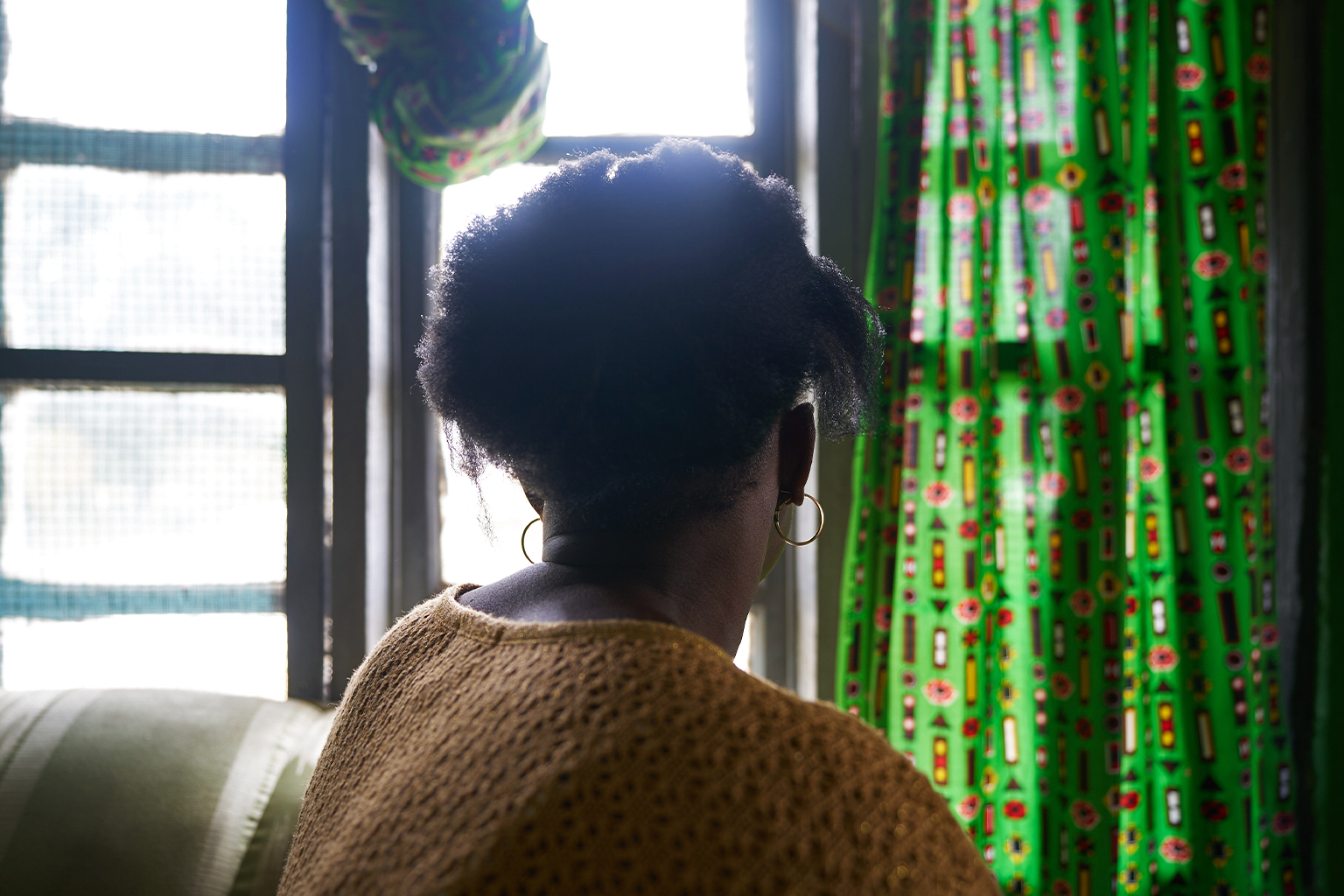
Banner image: In 2023, women working at the Salala plantation told Mongabay their managers often tried to pressure them into sex. Ashoka Mukpo/Mongabay.
World Bank’s IFC under fire over alleged abuses at Liberian plantation it funded
Feedback: Use this form to send a message to the author of this post. If you want to post a public comment, you can do that at the bottom of the page.
