


- Up to roughly 20% of aquatic products are intentionally mislabeled as the wrong species or otherwise fraudulent, posing environmental and health risks, according to a new report.
- Inaccurate representation of species is one of the most frequent forms of fraud, the report says.
- Other cons include misrepresenting place of origin or eco-certification status, and adulterating a product to affect its weight or appearance of freshness.
- The report calls for governments and industry stakeholders to establish better traceability systems, use advanced detection methods, and educate the public. An NGO expert says government action on traceability is key.
The global fisheries and aquaculture sector produces more than 150 million metric tons of food per year, valued at nearly $200 billion. Yet it’s plagued with fraud, according to a new report.
The report, published Feb. 10 by the Food and Agriculture Organization (FAO) and the International Atomic Energy Agency, both United Nations bodies, says that up to roughly 20% of aquatic products are intentionally mislabeled as the wrong species or otherwise fraudulent, posing environmental and health risks.
“A global 20% seafood fraud rate isn’t just a statistic , it’s a dire warning,” Max Valentine, a campaign director at U.S.-based marine conservation NGO Oceana, said in a statement. (An Oceana policy adviser to the NGO’s Europe branch contributed to the FAO report, but Valentine wasn’t involved with it.) “Consumers are falling victim to a bait and switch, and the fishers who play by the rules are paying the price. This is a global problem that every nation must work together to combat at its source.”
The report, presented at the World Seafood Congress held Feb. 9-11 in Chennai, India, calls for governments and industry stakeholders to establish better traceability systems, use advanced detection methods, and educate the public.
“Tools of great relevance are national legislation and national and international standards, which are vital in defining acceptable products and practices,” the report says.
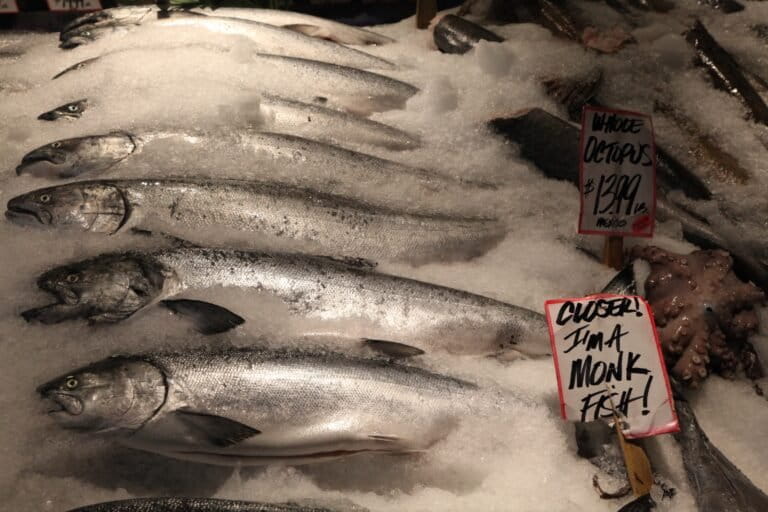
The report draws its findings from academic and NGO research. The 20% figure in the report comes in part from a 2016 study that estimated the rate of probable fraud in the seafood sector was 20.6%, compared to 13.4% for meat and 10.4% for fruit and vegetables. Similarly, the report cites a 2016 Oceana report that found that about 20% of tested seafood samples over the course of multiple studies were mislabeled as the wrong species.
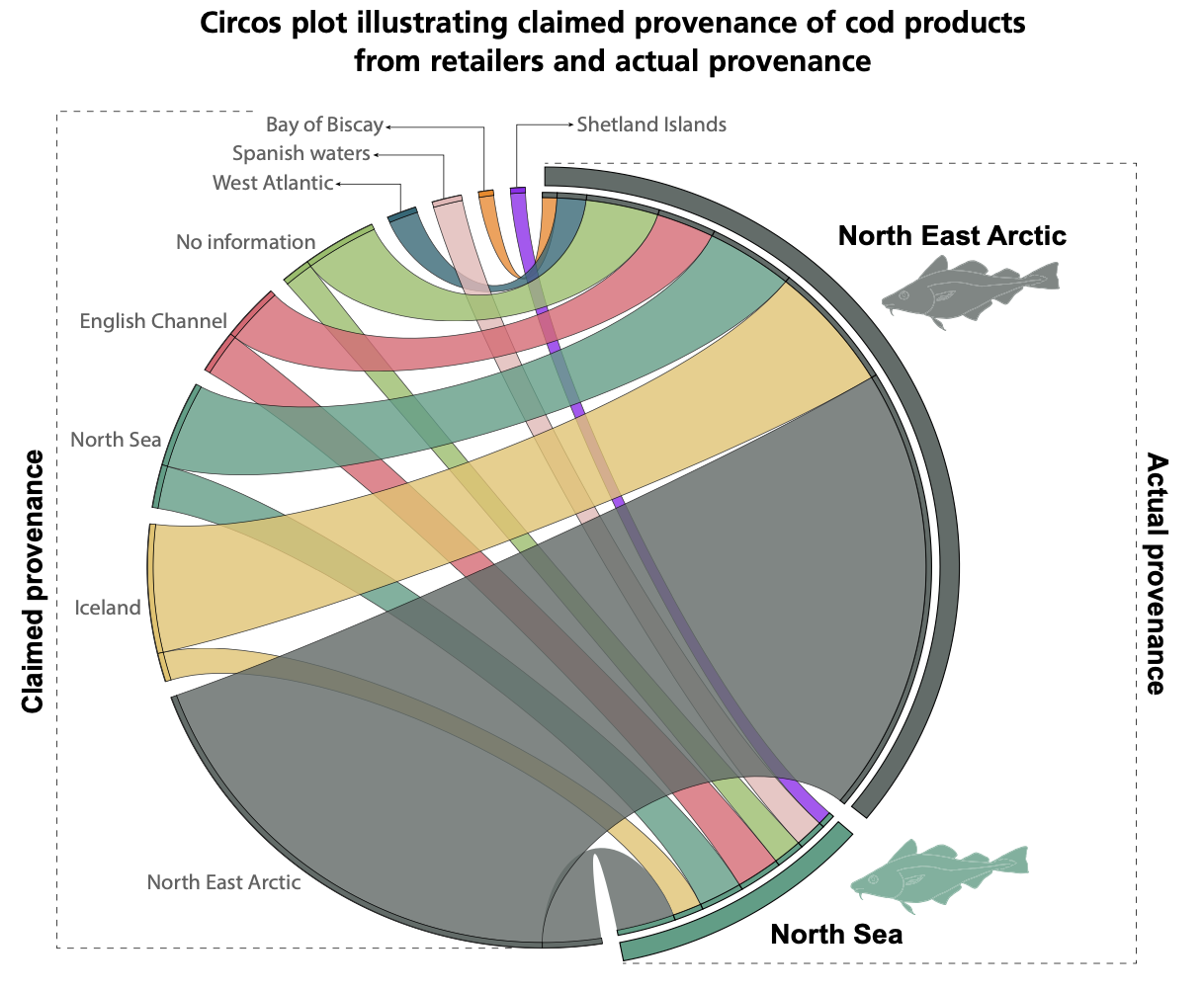
Inaccurate representation of species is one of the most frequent forms of fraud, the report says , this occurs at the retail stage and at other points in the supply chain. Other cons include misrepresenting place of origin or eco-certification status, and adulterating a product to affect its weight or appearance of freshness.
The industry’s complexity sets the table for fraud, the report says. More than 12,000 aquatic species are in trade, and supply chains can be byzantine. Fraud occurs especially often in places where it’s easiest to carry out: at restaurants and in processed foods.
“We see that fraud is more common in processed products, where species identity can be easily concealed, for example, in filleted, canned, or minced aquatic products, where physical characteristics that help identify species are lost,” Esther Garrido Gamarro, an FAO fishery officer, told Mongabay in an emailed response to questions.
The consequences of fraud in the seafood industry are “serious,” the report finds. These include “uncontrolled impacts on threatened fish species” and “damage to populations due to overfishing,” it says. Fraud allows the proliferation of illegal, unreported and unregulated fishing, which drives biodiversity loss in the ocean. For example, fish harvested after a quota has already been reached are in some cases laundered and brought to unknowing buyers, depleting a population.
Seafood fraud can also impact public health. Substitute species are often less beneficial to human health, and some illicit practices even pose risks, according to the 2016 Oceana report. Farmed fish can contain potentially harmful inputs, such as the antimicrobials malachite green and enrofloxacin, which are sometimes used in aquaculture in places with low levels of regulation or enforcement, the FAO report says. (More than half of the world’s seafood now comes from aquaculture.)
Valentine of Oceana said that while a host of solutions were needed, as laid out in the report, government action on traceability was the key to progress.
“Technology and consumer awareness absolutely have a role to play in stopping seafood fraud, but they cannot substitute for countries having mandatory seafood traceability,” Valentine told Mongabay in an emailed response to questions. “Tech tools like blockchain, AI screening, or vessel tracking are only as reliable as the data being entered into them.
“The same goes for consumers,” she added. “Even the most informed shopper can’t look at a fillet and know whether it was legally caught, transshipped at sea, or mislabeled somewhere along the supply chain. Consumers cannot be expected to police seafood fraud , the responsibility rests with the companies and systems that actually control the product and the supply chain.”
Valentine highlighted one traceability program: the U.S.’s Seafood Import Monitoring Program, established in 2016 and implemented in 2018. One of only a few such programs in the world, it requires catch documentation and audits of some types of seafood imported to the U.S. In 2024, the government released an action plan to strengthen the program and include more types of seafood. So far the proposed changes haven’t been fully implemented, according to Valentine.
Banner image: A wholesale seafood market. Image © FAO/Kurt Arrigo.
China’s Pacific squid fishery rife with labor, fishing abuses: Report
Citation:
Marvin, H. J., Bouzembrak, Y., Janssen, E. M., van der Fels- Klerx, H. J., van Asselt, E. D., & Kleter, G. A. (2016). A holistic approach to food safety risks: Food fraud as an example. Food Research International, 89, 463-470. doi:10.1016/j.foodres.2016.08.028
Feedback: Use this form to send a message to the author of this post. If you want to post a public comment, you can do that at the bottom of the page.
