

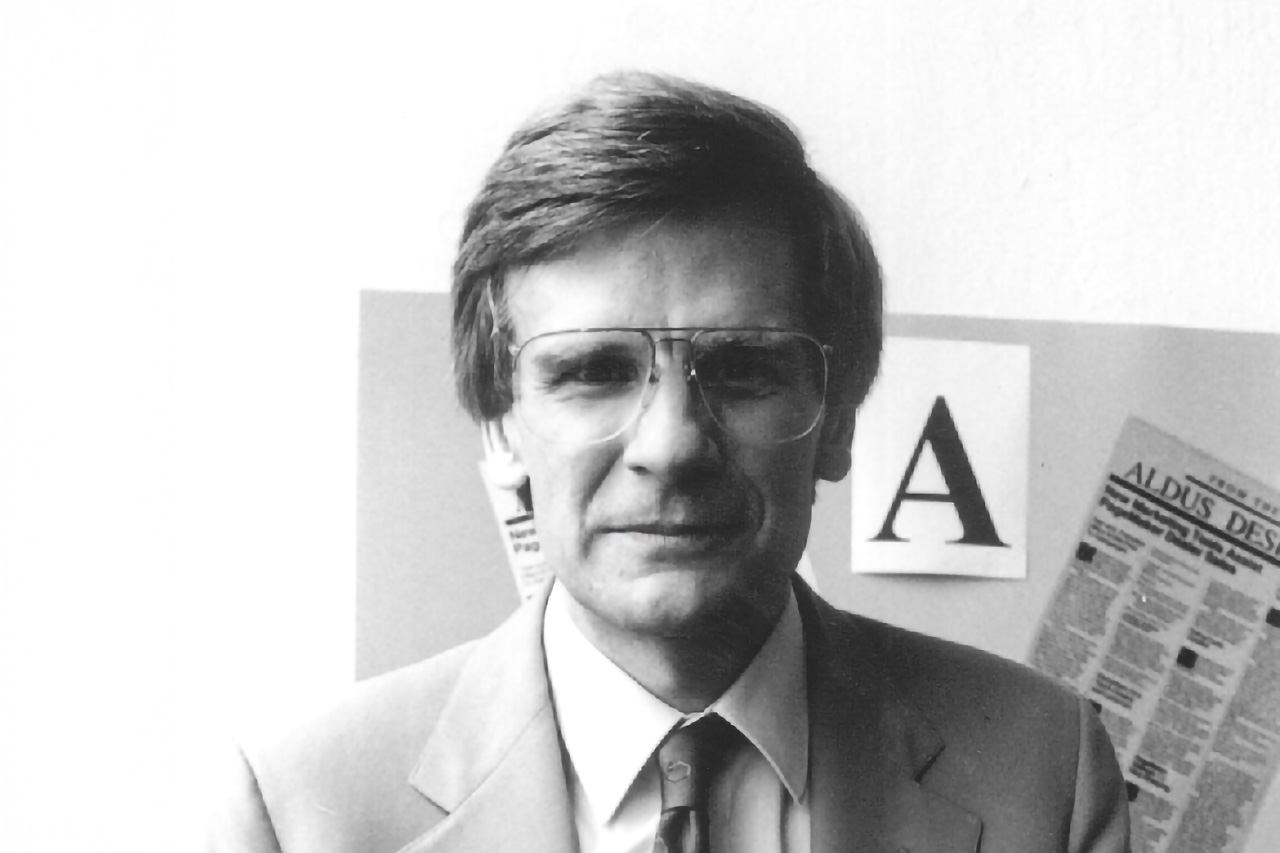
- Paul Brainerd helped invent desktop publishing as a co-founder of Aldus and the force behind PageMaker, then redirected his wealth toward environmental and civic work in the Pacific Northwest.
- In 1995 he launched the Brainerd Foundation to fund conservation policy, place-based protection, and the organizational capacity needed to sustain long campaigns.
- He backed models of engaged, hands-on giving, helping start Social Venture Partners, and supported environmental education through IslandWood on Bainbridge Island, with later work extending to a regenerative lodge project in New Zealand.
- He chose to spend down his foundation rather than endow it in perpetuity, arguing for urgency and near-term effectiveness, and he died on February 15, 2026, at 78.
Paul Brainerd did two things that rarely sit comfortably together. He helped make publishing cheaper and easier, then spent much of what he earned trying to protect the landscapes that were being consumed by growth. He died on February 15th 2026, aged 78, at his home on Bainbridge Island, Washington.
In the 1980s, when most people still thought of computers as glorified typewriters, he helped turn them into printing presses. In the 1990s and after, as the Pacific Northwest’s wealth compounded, he tried to steer some of it into civic capacity: organizations that could win fights, not merely stage them. His money came from software. His method was closer to editing.
Brainerd was born in Medford, Oregon, in 1947. He studied at the University of Oregon and later earned a master’s degree in journalism at the University of Minnesota. He worked in newspapers, but not in the romantic way. He was drawn to production, workflow, the awkward interface between an idea and a printed page. That interest took him to Atex, a company that built newsroom systems. When Kodak bought Atex and closed a research center in the early 1980s, Brainerd and several engineers found themselves unemployed and restless.
In 1984 they founded Aldus in Seattle. Within a year they shipped PageMaker, software that, paired with Apple’s Macintosh and Adobe’s PostScript, let ordinary users design pages that printed as they appeared on screen. Brainerd coined the phrase “desktop publishing,” a neat bit of compression that made a technical shift feel inevitable.
It is easy now to forget how large a change this was. Page layout had been specialized labor, guarded by equipment and skill. PageMaker made it something a church secretary or a small business owner could attempt. The early results were often ugly, but the power had moved. It also helped sell computers, particularly the Macintosh, because it provided an immediate reason to buy one: you could produce something that looked finished.
Aldus grew quickly. So did the pressures that come with being an unlikely standard. Brainerd was described by colleagues as analytical and exacting, interested in details that others dismissed as fussing. He cared about typography and the mechanics of readability, the small choices that signal respect for an audience. That temperament suited software, where decisions harden into defaults and then into habits. It also suited grantmaking, where a foundation can nudge a field toward discipline, or toward complacency.
In 1994 Adobe acquired Aldus in an all-stock deal reported at about $525 million. Brainerd received a large stake, and he did not look for another company to run. Instead he took a portion of his proceeds and began building a philanthropic apparatus with a clear geographic bias: the north-western United States, broadly defined.
The Brainerd Foundation began grantmaking in 1995 and eventually funded hundreds of organizations. Its interests were not hard to describe but were unusually practical: conservation policy, place-based protection, and the unglamorous work of strengthening organizations so they could survive long campaigns. Capacity-building, in Brainerd’s vocabulary, was not a euphemism. It meant staff, systems, communications, and the confidence to say “no” to distractions.
He did not think foundations should be distant. He spent time touring the region, asking what was missing and who was trusted. Later, the foundation adopted a plan to spend down its assets rather than exist in perpetuity, driven by urgency about environmental pressures and a desire to see results within a finite horizon. The spend-out decision was made in 2008, with a closure date in 2020.
That choice carried a burden. A foundation that plans to disappear must avoid leaving dependent grantees worse off. Brainerd’s answer, consistent with his habits, was to treat the institution as scaffolding: useful while building, irresponsible if left standing forever with no one maintaining it. During the spend-out period, the foundation increased giving and tried to help organizations diversify their support, even as it continued to fund advocacy and civic engagement, areas other donors sometimes treat as impolite.
Brainerd also built organizations designed to recruit other donors into similar work. In 1997 he helped found Social Venture Partners, which borrowed language from venture capital to persuade newly wealthy professionals to become engaged funders rather than occasional check-writers. Partners pooled money, did due diligence, and offered skilled volunteering. The premise was that competence is a resource, and that philanthropy without attention can become another kind of consumption.

On Bainbridge Island he co-founded IslandWood, an environmental learning center intended to bring children from under-resourced schools into sustained contact with nature, not as recreation but as education. Later he and his wife developed a project in Glenorchy, New Zealand, described as a “net-positive” or Living Building Challenge-aligned eco-lodge, mixing environmental ambition with local community benefit.
In his later years Brainerd lived with Parkinson’s disease and ultimately used Washington state’s Death with Dignity law, according to accounts from those close to him.
He disliked grand claims. He preferred the measurable and the fixable: a policy threshold, a stronger organization, a child who learns what a watershed is and then notices when it is mistreated. He had spent his first career making it easier for people to put words on paper and distribute them. In his second, he tried to make it harder for powerful interests to treat air, land, and water as externalities.
He understood, from the inside, how tools change behavior. PageMaker did not create good publishing, but it widened who could attempt it. His philanthropy worked on the same logic. He could not guarantee good outcomes. He could, however, widen the set of actors capable of sustaining a fight, writing a brief, running a campaign, keeping a small organization alive through a lean year. That is not as romantic as saving a forest. It is often what saves one.
Banner image: Paul Brainerd, President of Aldus, Creator of PageMaker, in 1986. Photo credit: DGHealy
