

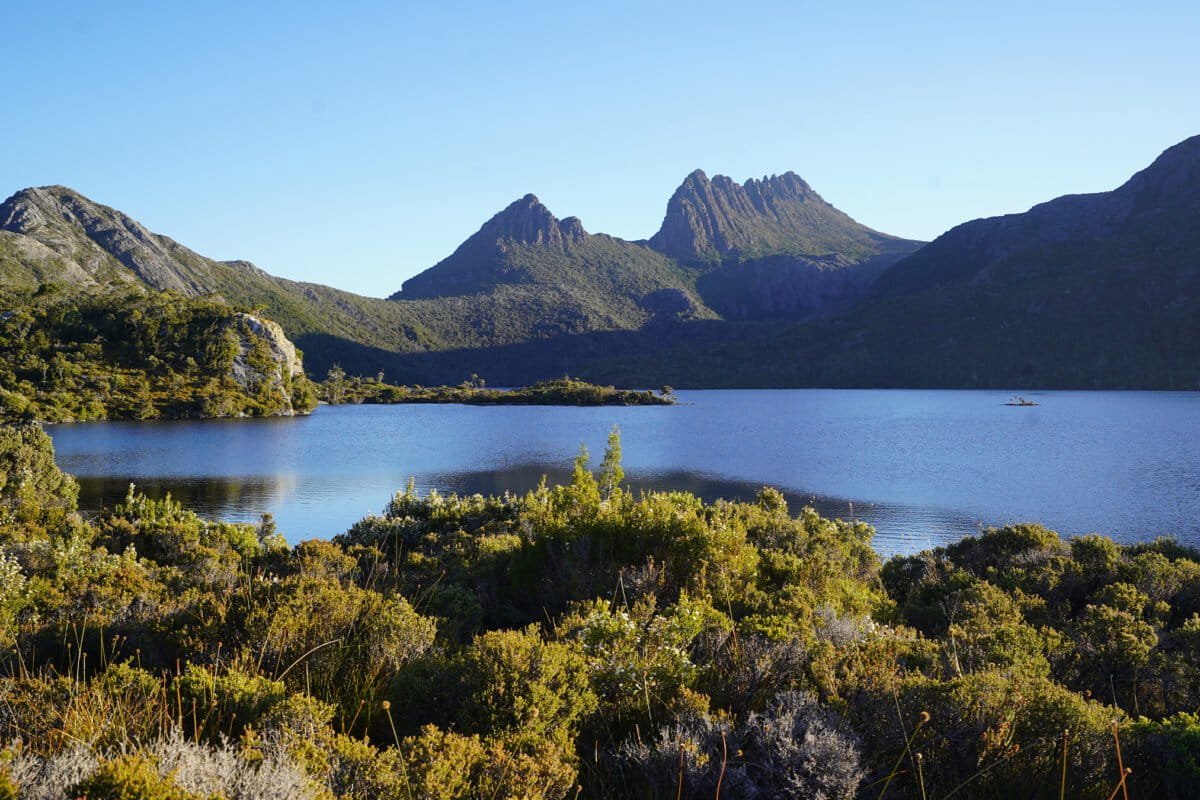
- Tasmania has long been considered a global “climate refuge,” where cool, ocean-influenced conditions allow species like the giant freshwater crayfish to persist as mainland Australia warms.
- But new research shows that the world’s climate refuges are not immune to threats: shifting rainfall, warming waters, sediment runoff, land-use change and other impacts are eroding the ecological conditions that sustain numerous species.
- In Tasmania, emerging pressures are impacting the island’s biodiversity, ranging from warming and sedimentation in forest streams affecting sensitive crayfish habitat, to declining oxygen levels putting the endemic Maugean skate at risk.
- Scientists say protecting climate refuges now requires active coordinated management between federal, state and local partners, with multimillion-dollar investments in watershed restoration and ongoing conservation efforts.
TASMANIA, Australia — A shaded creek winds through fern forest along the Lilydale Falls Trail in northern Tasmania. As hikers pass by, researcher Todd Walsh reaches into the slow-moving water and beneath a rock to pull out a juvenile giant freshwater crayfish caught in one of his live traps.
In streams like this one, he says, present day temperatures rarely climb above about 21° Celsius (69.8° Fahrenheit). “The lethal temperature seems to be about 23°[C, or 73.4°F] for these guys,” says Walsh, an independent crayfish expert who has studied the animals for decades and is known locally as the “Lobster Man.”
Walsh says he has encountered a few other Tasmanian creeks reaching 25-26°C (77-78.8°F), which would exceed the species’ apparent thermal limits, and he hasn’t found any crayfish in those streams.
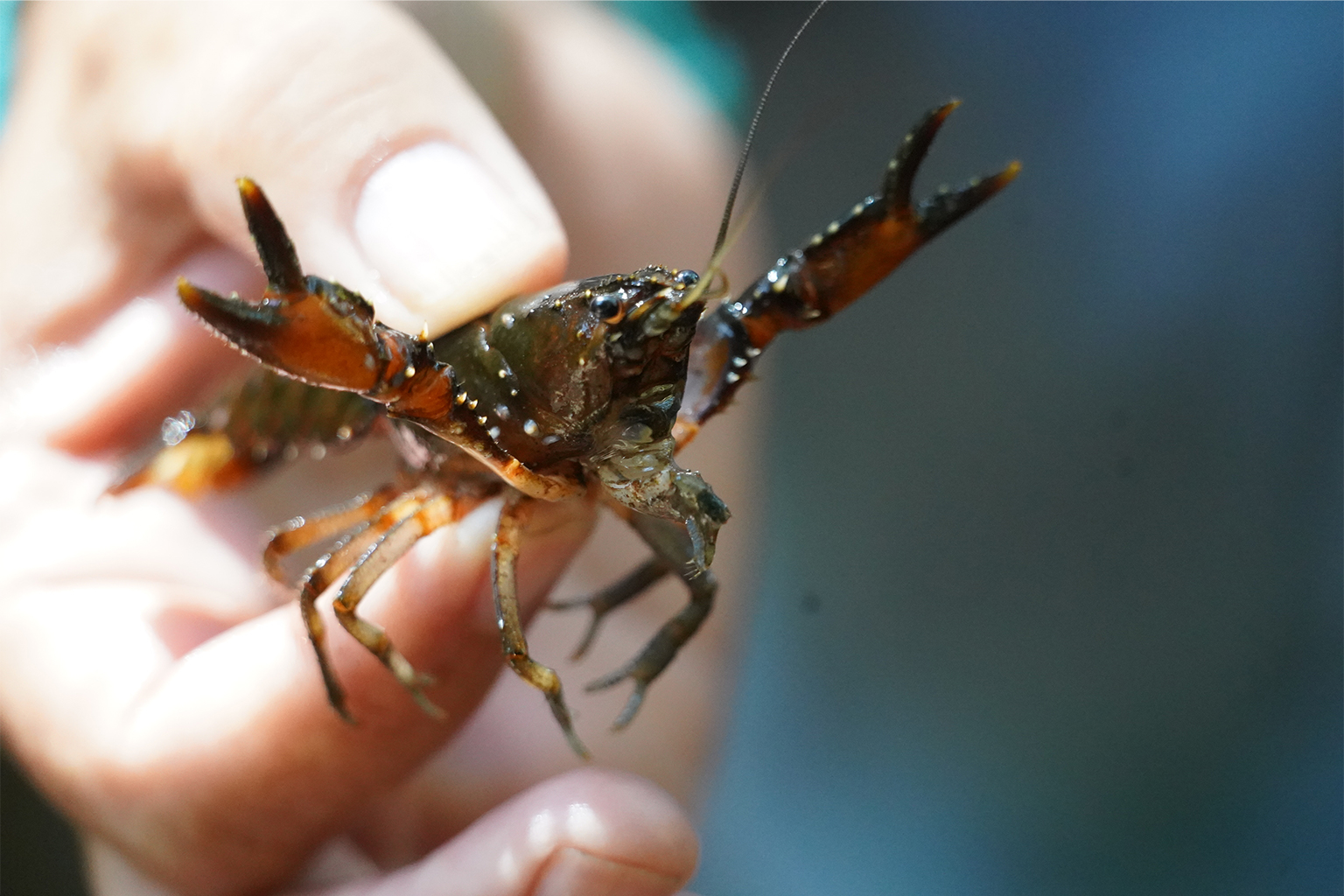
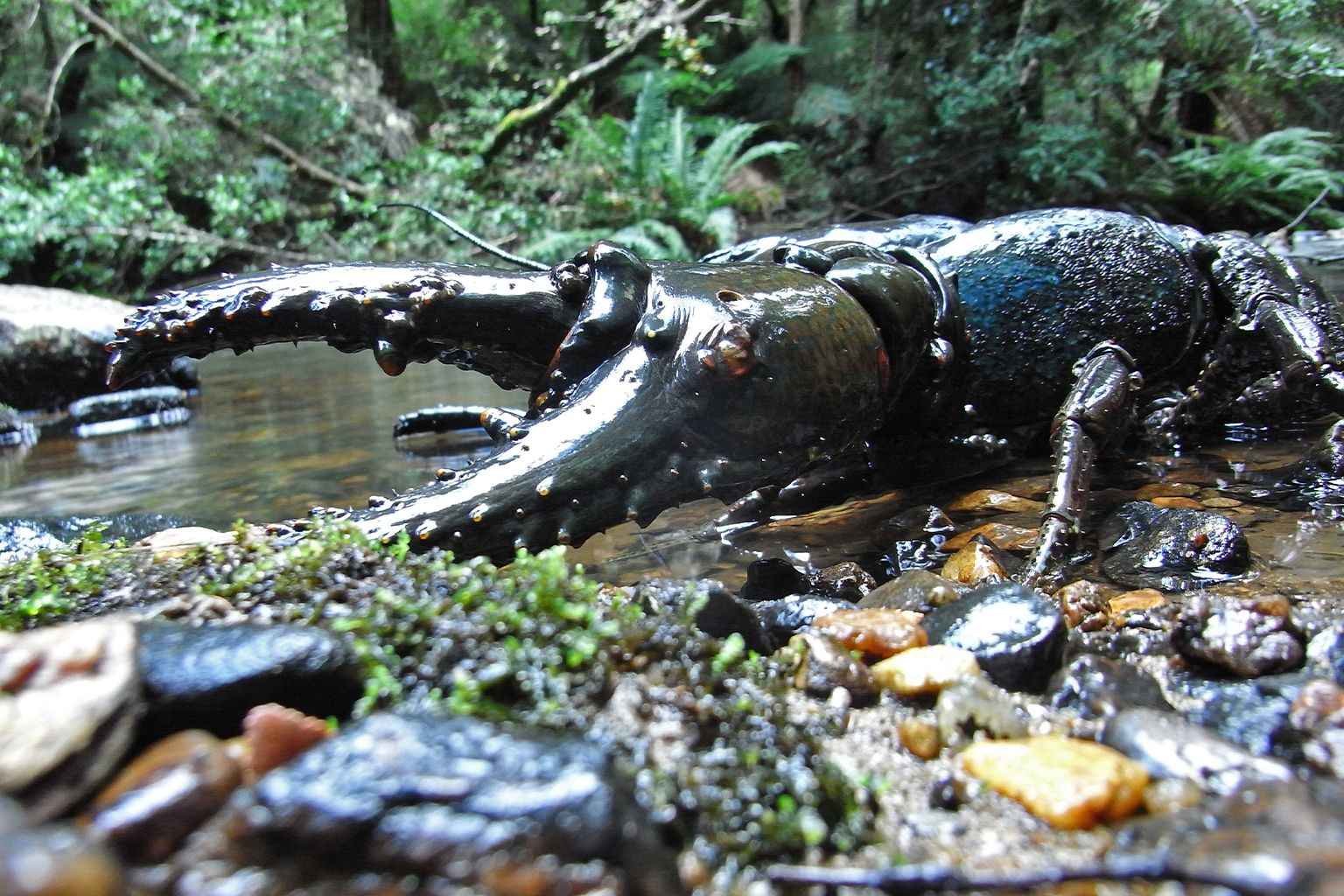
The Tasmanian giant freshwater crayfish (Astacopsis gouldi), also dubbed the giant freshwater lobster (even though it’s not a lobster), is the largest freshwater invertebrate on Earth, capable of growing up to a meter long (more than 3 feet) and living for decades.
It occurs only in northern Tasmania’s cool, forested river watersheds — habitat that has remained colder and wetter than much of mainland Australia, which has significantly warmed and dried. Buffered by the island’s maritime climate and intact forests, Tasmania’s waterways allow the crayfish and other unique species to persist, making this Australian state a classic example of what scientists call a “climate refuge.”
A climate refuge, or refugia, is a place where local conditions — temperature, moisture or topography — shield ecosystems from rapid warming, allowing species to live on, even as surrounding landscapes may become less hospitable.
Scientists have identified thousands of such refuges worldwide, from small, sheltered valleys to entire mountain ranges and coastlines. But some stand out for their large scale and ecological significance — places like Tasmania, Chilean Patagonia, and parts of the Canadian Pacific Northwest, where ocean influence, natural terrain, or both combine to slow climate change across entire regions.
But in recent years, the idea of climate refuges has become more complex and nuanced, as new climate and biodiversity data have helped scientists refine the concept. Importantly, temperature alone no longer defines a refuge. Climate change is also altering rainfall patterns, intensifying floods and droughts, reducing oxygen in waterways, and reshaping the habitats that species depend on. Refuges may buffer some climate pressures, says Toni Lyn Morelli, a research ecologist with the U.S. Geological Survey, but “that doesn’t mean they are immune to other environmental stressors.”
The resilience of climate refuges can also be weakened by a range of human activities, resulting in decreased biome resilience, including degradation and transgression of planetary boundaries such as land-use change (deforestation and conversion to agriculture, among others), various forms of pollution from mining, industry and agriculture, and more.
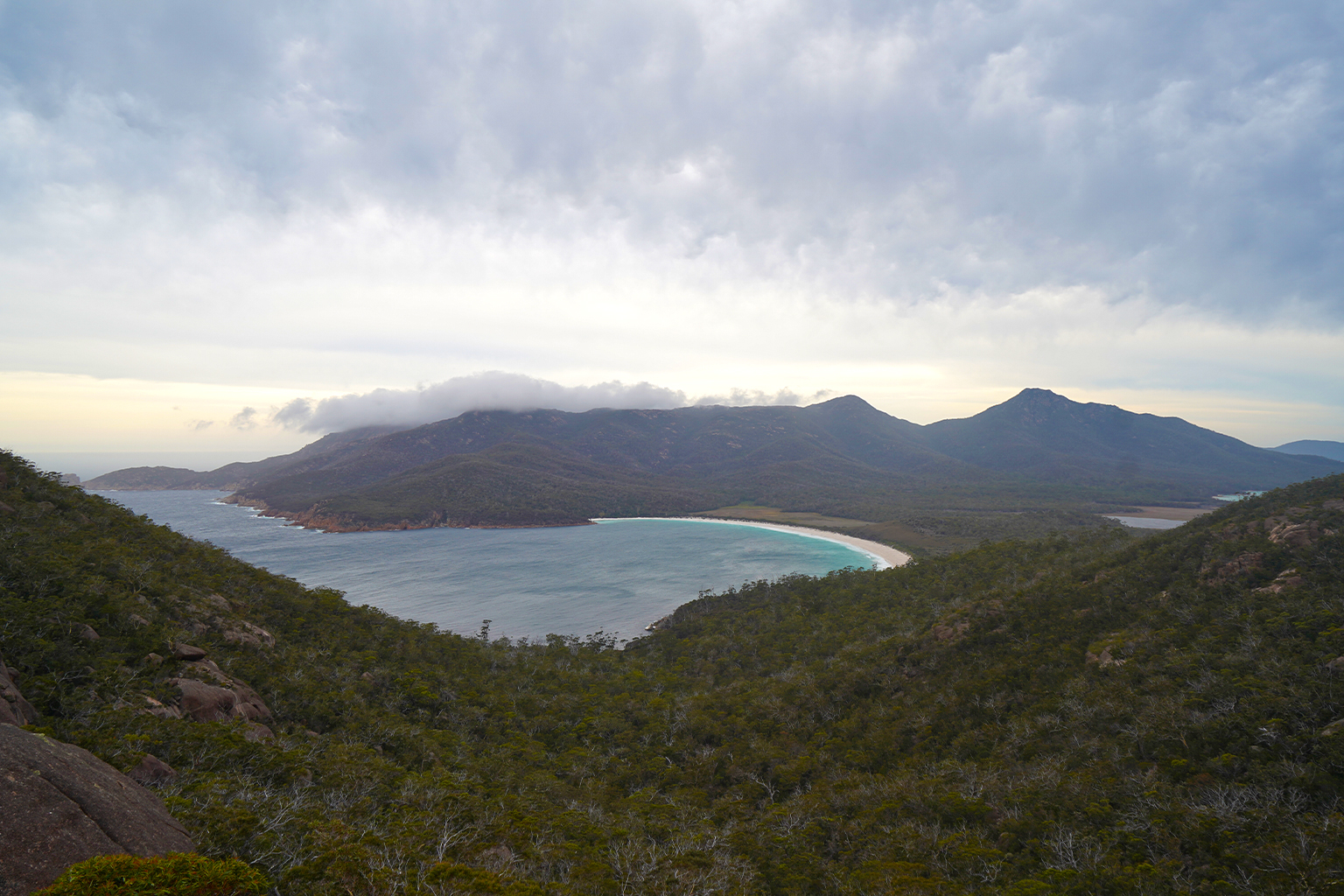
Tasmania presents an example of how these complex pressures interact and play out. Even as temperatures remain relatively cool here, other forces are reshaping ecosystems. In some watersheds, logging and land disturbance have reduced forest shade and increased sediment in streams, while shifts in rainfall and river flows are altering habitats that cold-water species depend on.
Researchers are increasingly documenting these changes across systems once thought to be well-buffered from climate stress. These combined stressors may determine whether places like Tasmania, long considered refuges, can continue to function that way.
“There’s definitely more attention being given to factors like changes in rainfall, fire regimes, and how those interact with land use patterns,” says Karel Mokany, a biodiversity modeler with CSIRO, Australia’s national science agency in Canberra.
Devils and skates
Tasmania carries the aura of a faraway wilderness. The island lies 240 kilometers (150 miles) south of the Australian mainland, and is a place many people struggle to place on a map. Flights arrive steadily in Hobart, the state capital, but beyond the airport the landscape quickly empties out. Roads wind into mountains cloaked with temperate rainforest, and vast national parks dominate the interior. From high lookouts the island unfolds as a sweep of forests, lakes and a rugged coastline that remains remarkably intact.
These landscapes have preserved ecological conditions lost across much of mainland Australia. Cold rivers run through forests of ancient lineages tracing back to Gondwana, the southern supercontinent that once joined Australia with Antarctica, South America, Africa and India. Gondwana began breaking up roughly 200 million years ago in the early Jurassic, with the Tasmanian Passage that separates Australia from Tasmania forming about 30 million to 40 million years ago. This isolation resulted in unique fragments of ancient ecosystems surviving and evolving here, allowing for an unusually high number of endemic species to persist.
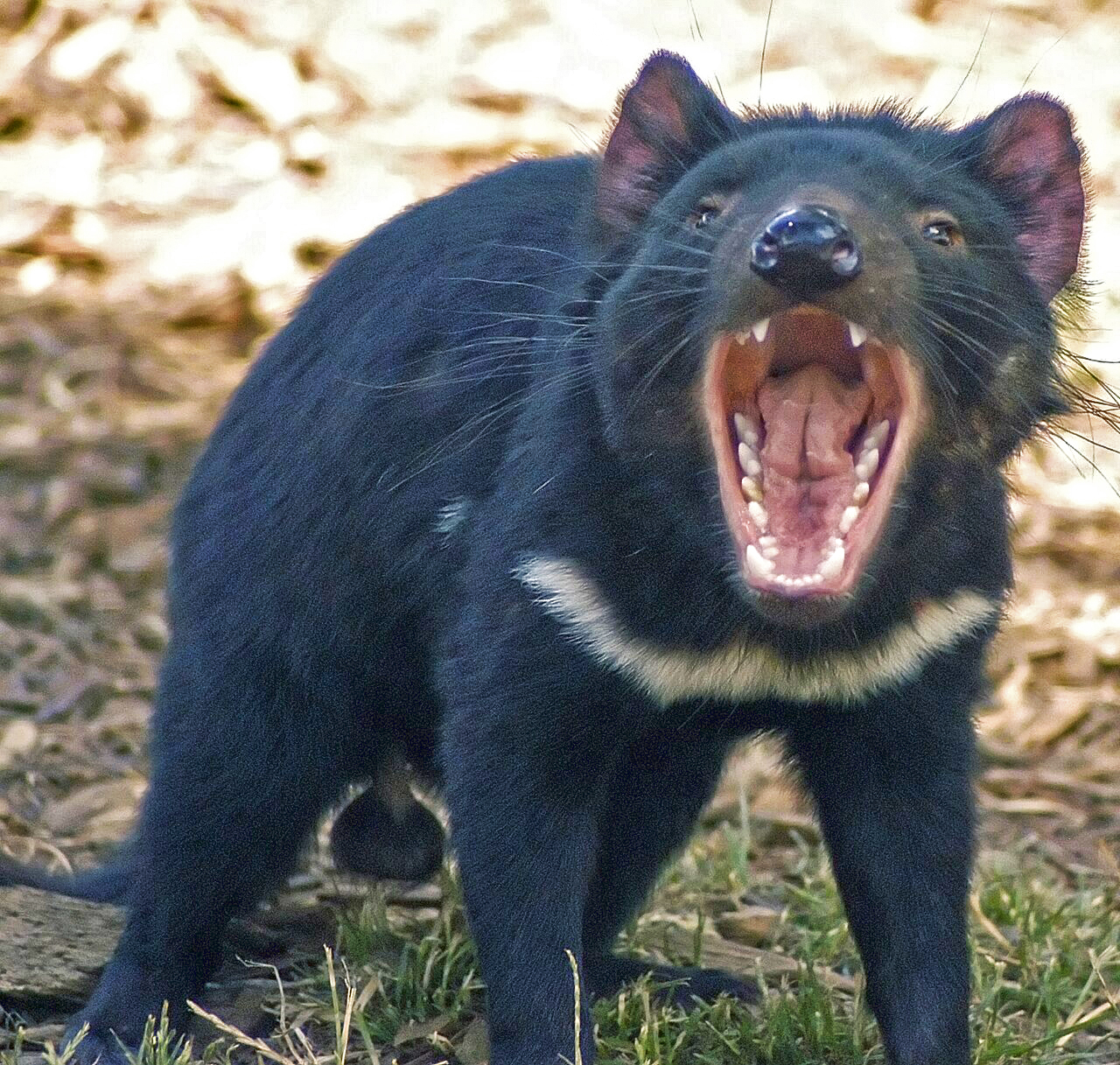
The most famous is the Tasmanian devil (Sarcophilus harrisii), the world’s largest carnivorous marsupial. Other endemic species include the forty-spotted pardalote (Pardalotus quadragintus), one of Australia’s rarest birds , the grassland-dwelling Ptunarra brown butterfly (Oreixenica ptunarra) , and the Huon pine (Lagarostrobos franklinii), a conifer that can live for thousands of years.
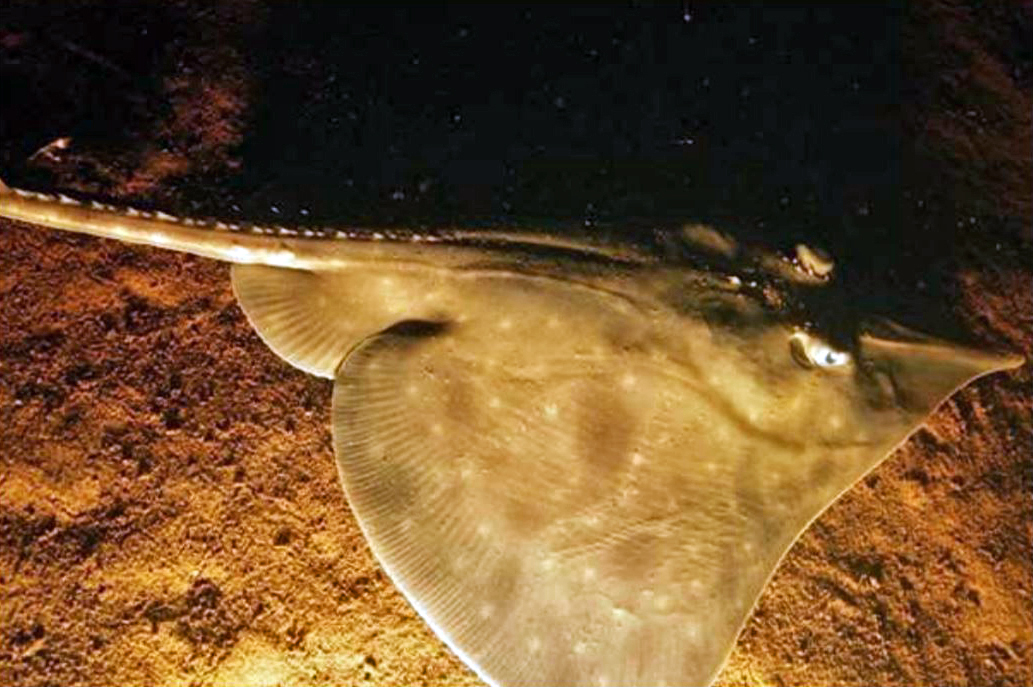
In the island’s remote southwest, Macquarie Harbour is home to the Maugean skate (Zearaja maugeana), a fish that is unusual for its extreme specialization. The skate lives in the harbor’s dark, stratified waters, where tannin-stained freshwater sits atop saltier ocean water, creating low-light, low-oxygen conditions more typical of much deeper marine environments.
But the very ecosystems that long sheltered and nurtured these species are changing. In Macquarie Harbour, historic mining pollution and expanding salmon aquaculture have altered water chemistry and depleted oxygen levels, placing the skate at risk. On land, the Tasmanian devils have been devastated by the contagious devil facial tumor disease, forcing conservation programs to scramble to intervene as climate begins shifting dramatically, habitat pressures grow, and diseases reshape and destabilize the island’s once-resilient refuges.
Back at Lilydale creek, the stressors on Tasmania’s refuge come into focus on a small scale. The giant freshwater crayfish depends on cold, shaded streams where cobbles and boulders create gaps along the riverbed, spaces juveniles use to shelter from predators and strong water flows.
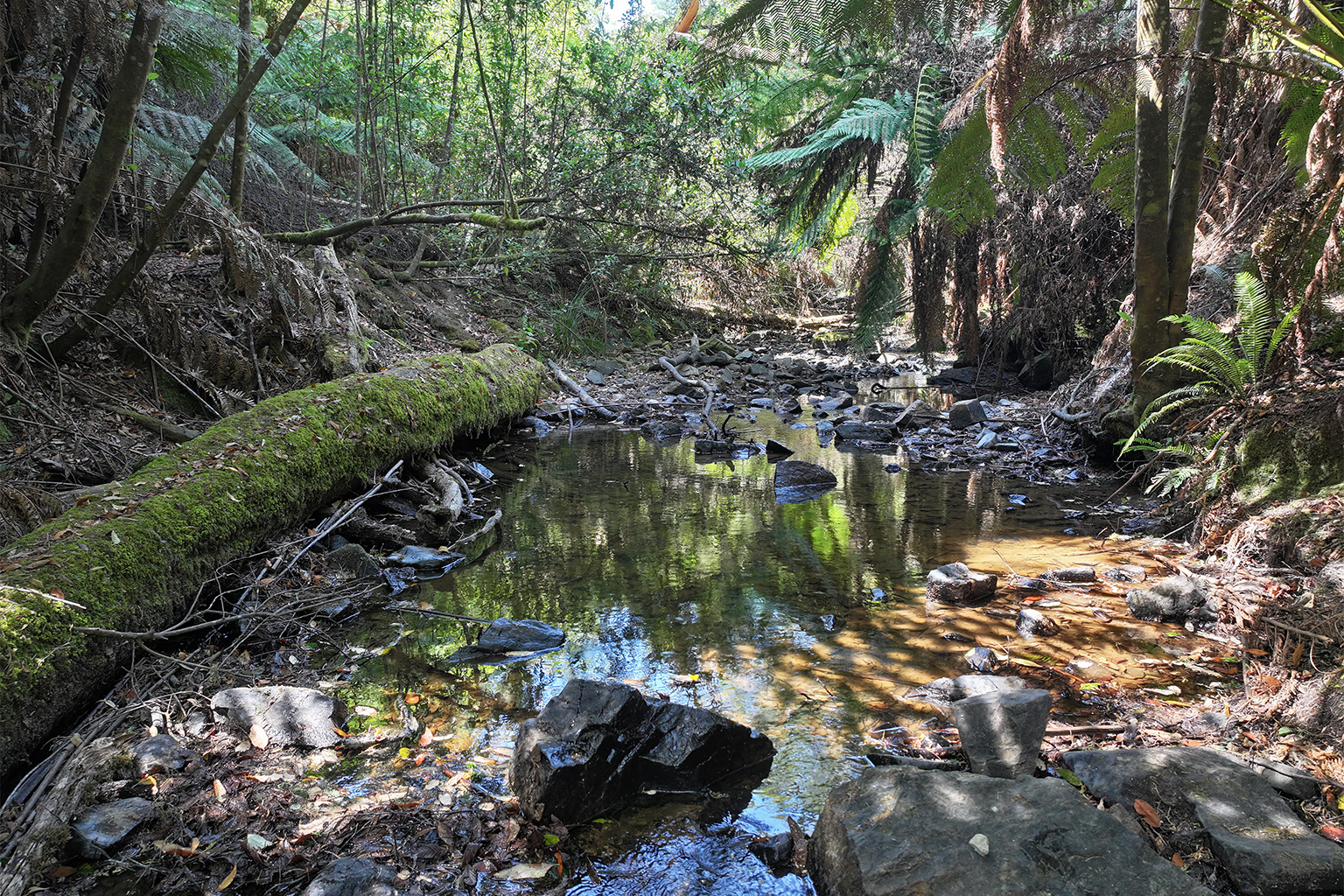
Those spaces can gradually disappear when fine sediment washes into streams and settles between rocks, filling crevices that young crayfish depend on for safety. The sources of that sediment are varied, including forestry, agriculture and road construction that carries disturbed soils into waterways.
The crayfish “are very sensitive to sediment,” says Lauren Bird, an aquatic ecologist with NRM North, a government-funded natural resource management group in northern Tasmania, who joined Walsh at the creek. “Once those fine sediments get into the spaces between the rocks, the habitat basically disappears.”
The effects can be hard to spot at first. Adult crayfish may still be present, but the next generation is going missing. With slow growth and relatively few young reaching maturity, populations depend on a steady supply of juveniles. “You might find a big old male and think the creek’s in good condition,” Bird says. “But there’s no one following behind.”
Increased strain in a changing world
Beyond Tasmania, similar refuges appear across a wide range of landscapes. Their boundaries are often fluid, but they share a common role: buffering ecosystems from climate extremes and allowing species to persist as change unfolds more slowly than in surrounding areas.
In the Andes and Patagonia, cold air pooling at high elevations creates cooler microclimates. In parts of New Zealand and along the coasts of South America, ocean influence slows the pace of warming. In eastern North America, the heavily forested Appalachian Mountains harbor moist, shaded valleys that shelter cold-adapted species like the Southern Appalachian brook trout (Salvelinus fontinalis), though today this fish is at risk from intensifying heat and storms, like 2025’s Hurricane Helene.
Recent research suggests some refuges may be even more resilient than expected, but only under certain conditions. In the Amazon, studies have found that up to a third of forests may retain higher moisture levels during extreme drought due to local wetland soils and topography, providing enhanced resistance to climate change. In Colombia, newly mapped lowland peatlands store vast amounts of carbon while maintaining waterlogged conditions that can buffer ecosystems against climate change-induced drought.
But evidence from around the world also points to growing climate strain. Mountain refuges are shrinking as snowpack declines and species are pushed upslope. Cold-water rivers are warming and losing oxygen as flows change. Forest refuges are experiencing more frequent drought and disturbance. Even where temperatures rise more slowly, other pressures erode the conditions that make these places function as refuges.
“Some refugia are indeed likely becoming less effective for some species or systems while others are likely still serving as effective refugia,” says Joshua Lawler, a climate change ecologist at the University of Washington in the U.S. “Refugia aren’t permanent features on the landscape, but instead should be seen as temporary refuges.”
How long a refuge persists, Lawler adds, depends on how quickly conditions change and on the needs of the species themselves, meaning that some may endure for decades or longer, while others fade far more quickly.
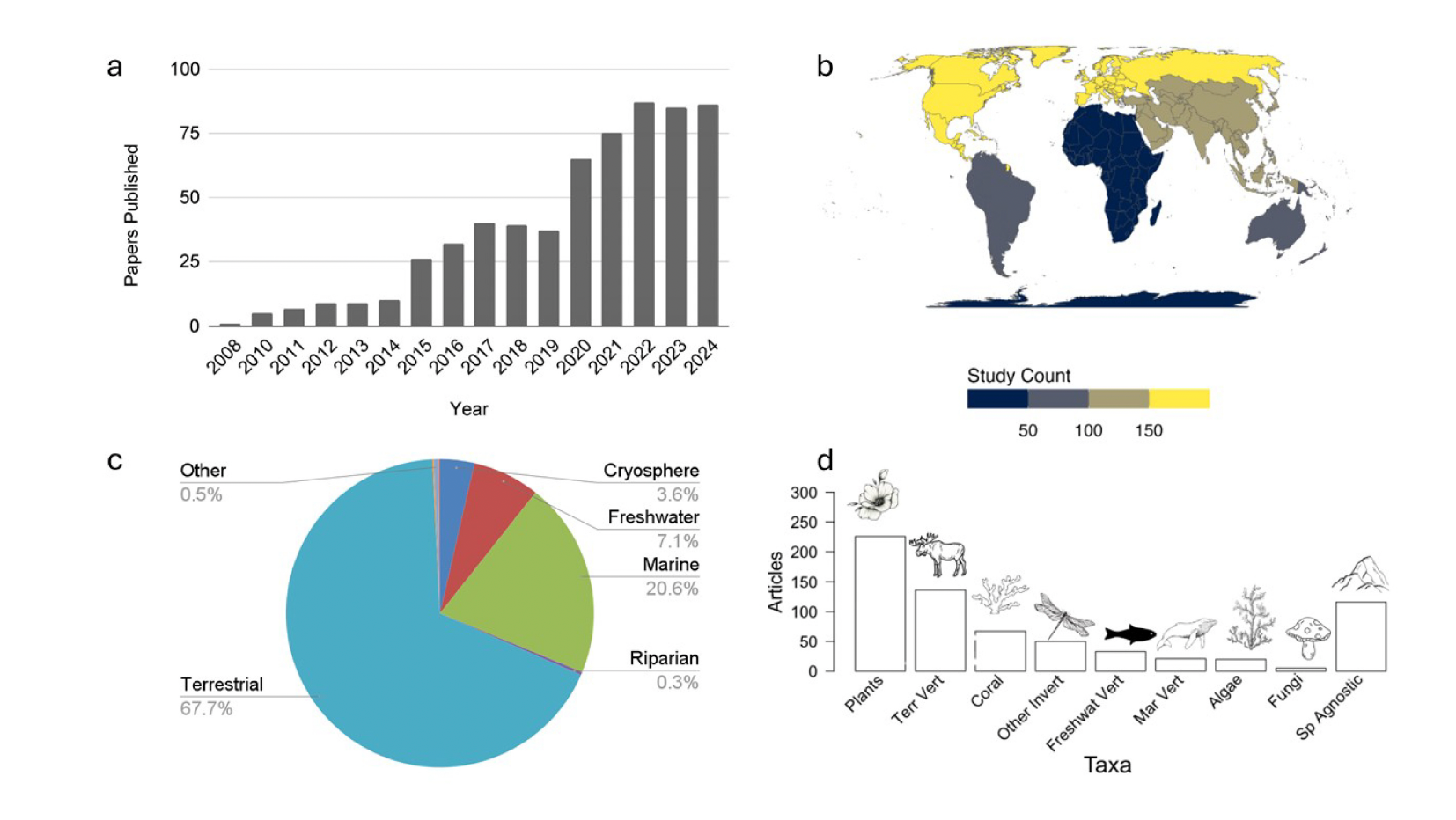
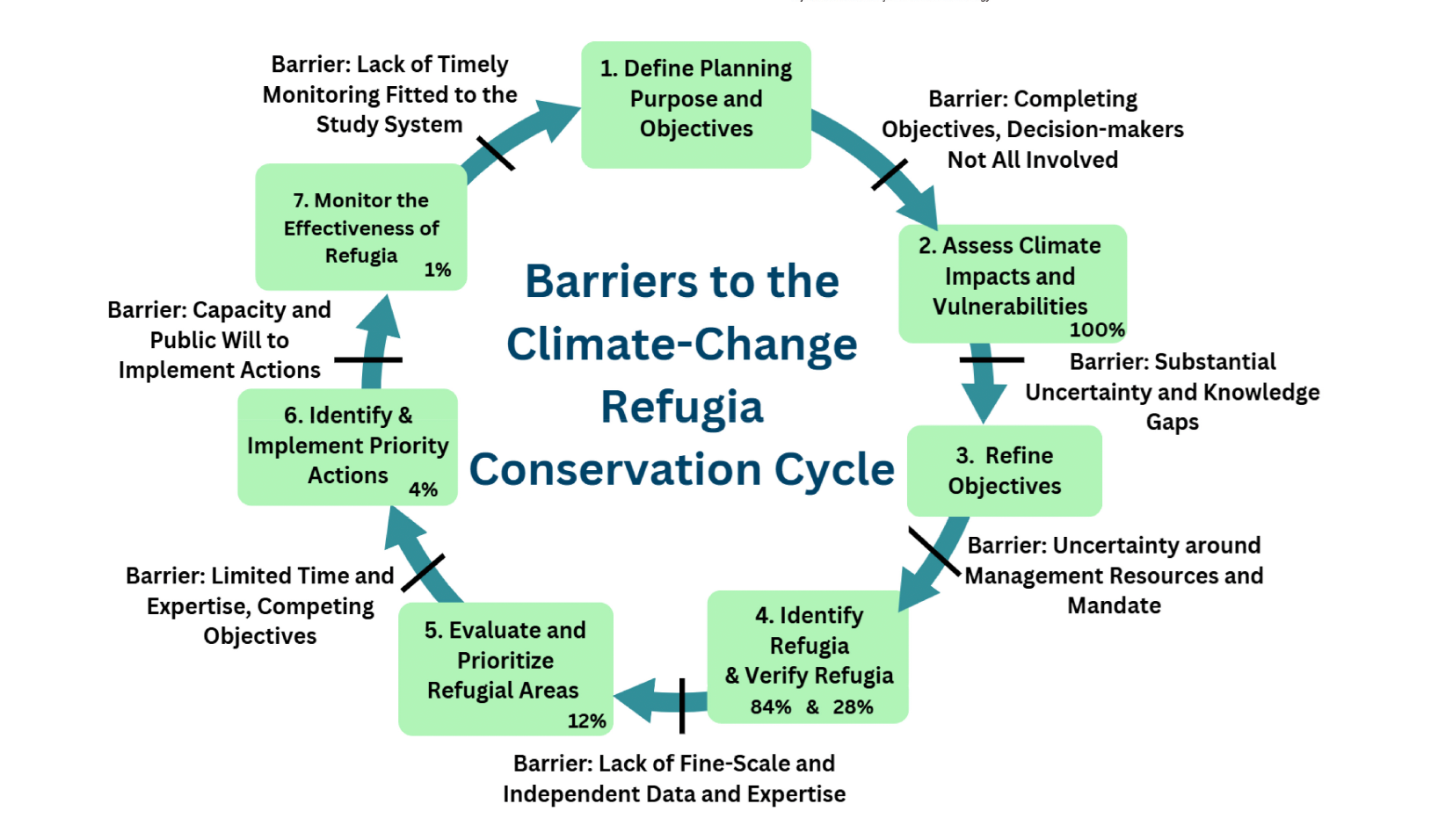
What’s clear is that humanity will need to act if refuges are to remain resilient for longer. But the world has so far fallen short on action. A 2025 meta-study analyzing 634 refuge-focused papers found that, “Over the last 5 years, the field of climate-change refugia conservation has made exciting advances, shifting from concepts and theory to refugia mapping and implementation. However, few studies have advanced to action on the ground , while 84% of studies identified and mapped refugia, only 4% involved implementing management action.”
The lion’s share of those refuge studies were also conducted in the world’s wealthiest regions: the U.S. and Europe, followed by Asia, with Africa, Latin America and Australia (which hold vast troves of unique biodiversity) trailing far behind.
Managing the change
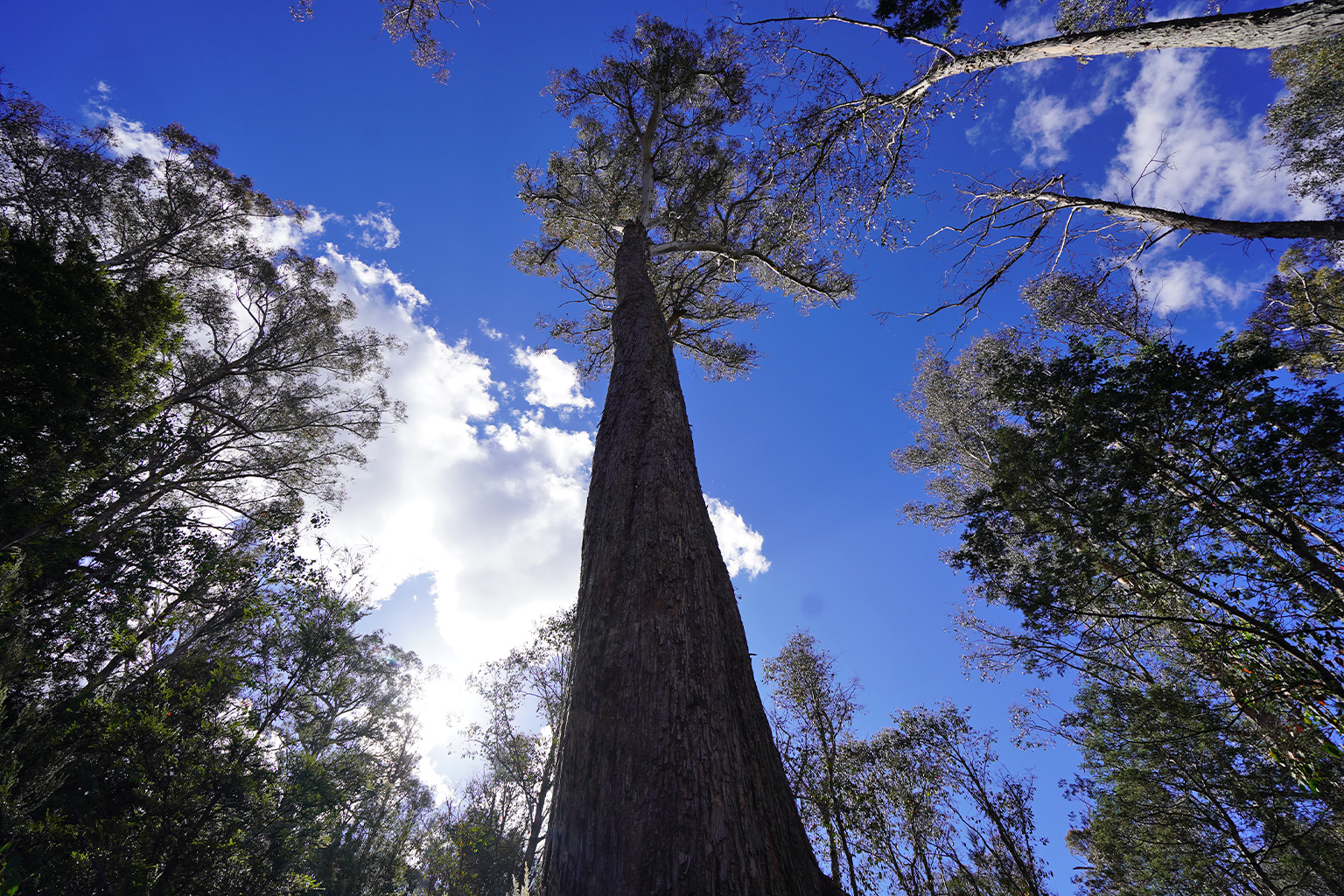
Forests play a key role in maintaining climate refuges because their vegetation moderates temperature, retains moisture and stabilizes soils. Tasmania has long been viewed as one of these forest refuges. Much of the island remains heavily wooded, and its mountains and maritime climate have allowed ancient plant lineages to persist long after they disappeared from mainland Australia.
But many of those species survive precisely because conditions have remained cool and wet. “Most of the Tasmanian rainforest endemics are outliers in physiological characteristics of drought sensitivity,” notes Tim Brodribb, a plant physiologist at the University of Tasmania. “These species have vascular systems that become damaged easily by drought.”
As a result, he says, such species are restricted to wetter parts of the island and somewhat protected by topography from fire. But those conditions may now be shifting. “The west coast [of Tasmania] is becoming drier due to weakening westerlies,” Brodribb says. “This is a bad trend. We’re seeing significant erosion of our refugial forests due to fire, and dry or hot weather causing crown dieback.”
As conditions shift, researchers’ ideas about climate refuges are also changing. Rather than places that simply need to be left alone, they are increasingly seen as landscapes where key ecological processes — intact forests, connected rivers and controlled land use — must be maintained. In many areas, those systems are already under strain, even as climate change adds further pressures, prompting conservation shifts from protection alone to active management.
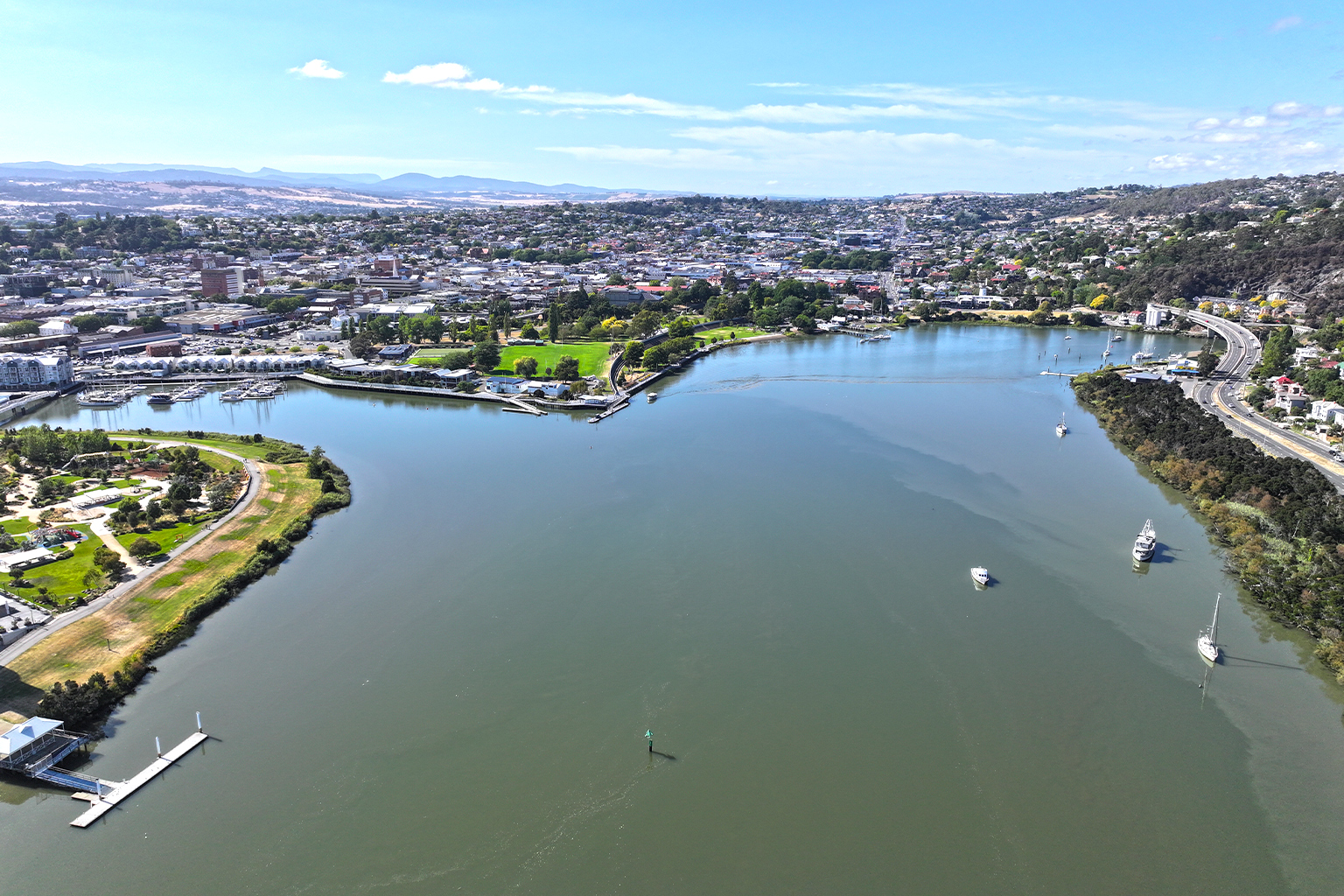
In northern Tasmania, that work has long been underway in the catchments feeding the kanamaluka/Tamar estuary. Michael Murunga, an environmental scientist with NRM North, works with the Tamar Estuary and Esk Rivers (TEER) program, which has monitored water quality and ecosystem health in the region for more than two decades, one of the longest continuous data sets in this Australian state. The estuary supports wetlands, seagrass beds and migratory shorebirds, and its condition reflects land use across the upstream landscape, from farms and forests to towns and roads.
Restoration efforts focus on reconnecting rivers to floodplains, reversing past modifications to waterways, rehabilitating wetlands and reducing sediment and nutrient runoff from farms and infrastructure. In recent years, roughly A$140 million (about US$100 million) has been invested in enhancing the catchment through a mix of state, federal and local programs, funding wastewater upgrades, riparian restoration, and fencing to keep livestock out of streams. “The movement of fresh surface and groundwaters through the landscape supports ecological, economic, and social values,” Murunga says.
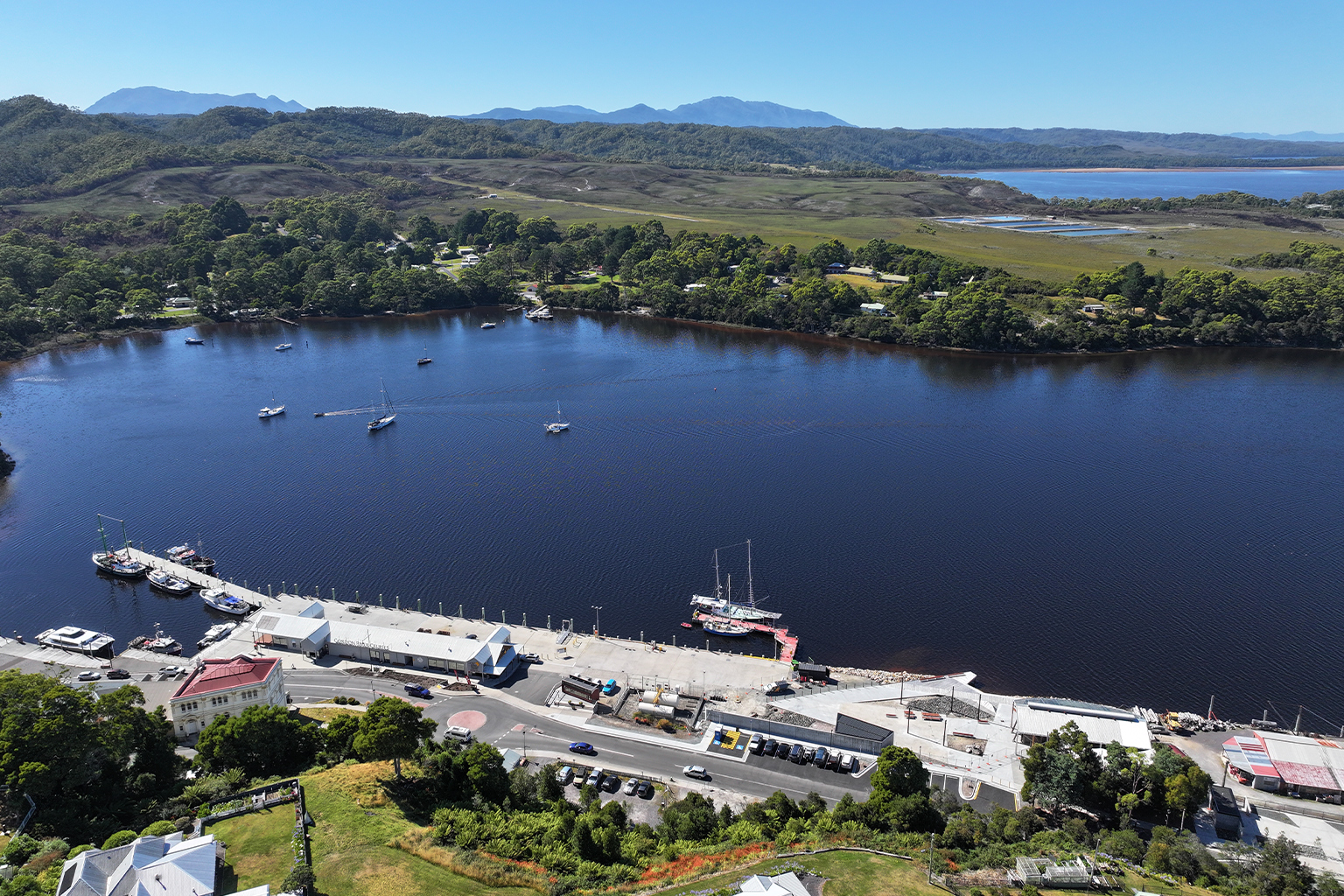
Such efforts are part of a wider, but somewhat uneven, conservation response across Tasmania. Large protected areas cover much of the island, including the Tasmanian Wilderness World Heritage Area. But outside those zones, land pressures remain significant. Researchers say maintaining Tasmania’s role as a climate refuge will require more coordinated, landscape-scale planning, particularly to protect freshwater systems and reduce cumulative impacts from forestry and agriculture.
That approach also applies globally: No ecosystem is immune to the impacts of climate change, researchers say, meaning that human action — ranging from decarbonization to forest protection and other forms of active management — are needed to maintain refuges.
“Tasmania will certainly continue to act as a refuge for many species into the future,” says Mokany, the biodiversity modeler. “But landscape management and conservation actions will have an important role in influencing the degree to which it can successfully act as a place biodiversity can retreat to, and persist within, under ongoing climate change.”
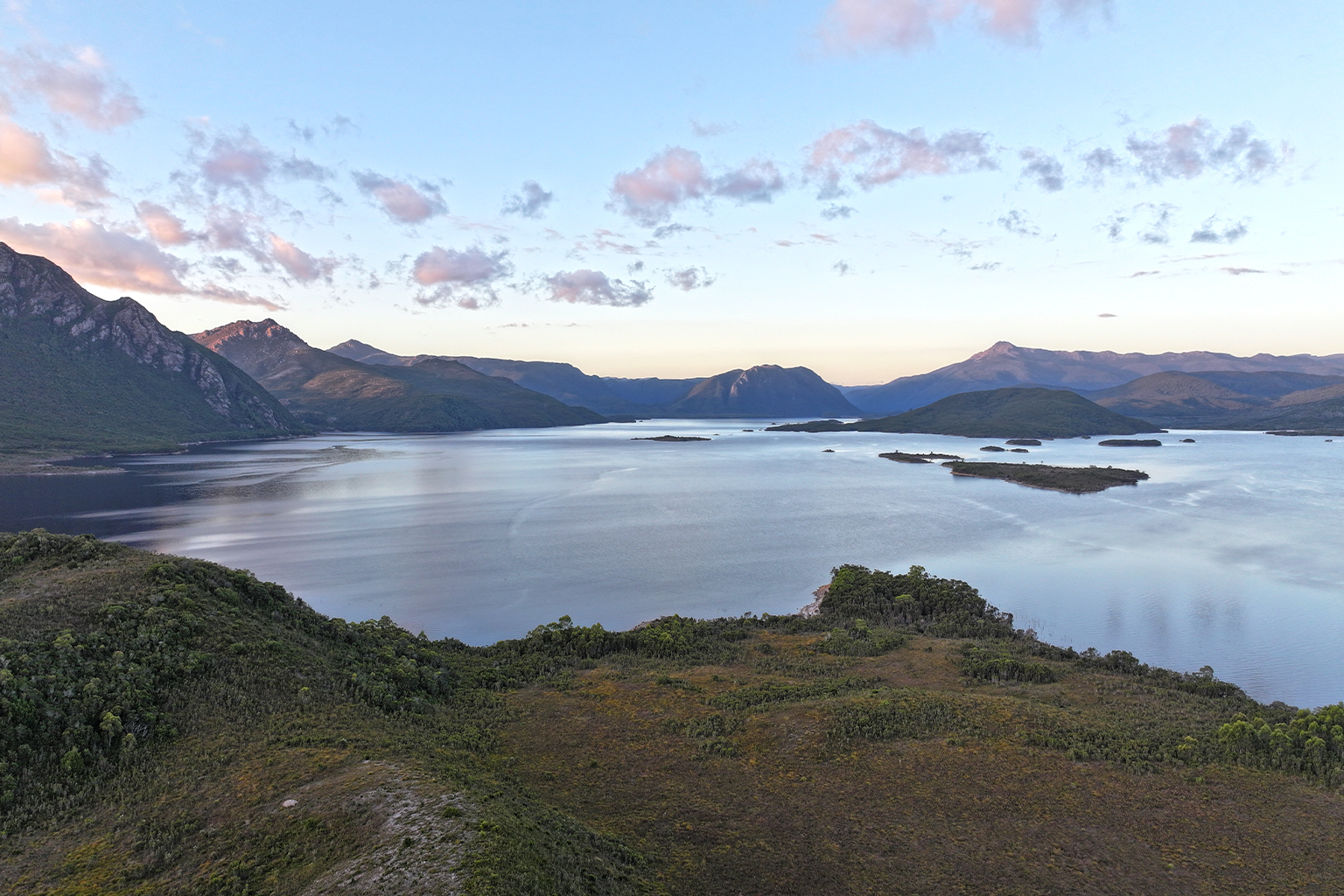
Banner image: Dove Lake beneath Cradle Mountain in Tasmania’s highlands, where cool, ocean-influenced conditions have helped slow the pace of climate change across the landscape. Image by Stefan Lovgren.
Citations:
Kehm, G., Houde, I., & Stolar, J. (2025). Stability and connection: Climate‐informed modernized land use planning on the south coast of British Columbia. Conservation Science and Practice, 8(1). doi:10.1111/csp2.70125
Winton, R. S., Benavides, J. C., Mendoza, E., Uhde, A., Hastie, A., Honorio Coronado, E. N., … Hoyt, A. M. (2025). Widespread carbon-dense peatlands in the Colombian lowlands. Environmental Research Letters, 20(5), 054025. doi:10.1088/1748-9326/adbc03
Morelli, T. L., Mozelewski, T., Cavalieri, C. N., Caven, A. J., Dreiss, L. M., Hovel, R. A., … Stralberg, D. (2025). Conserving climate‐change refugia: Insights from research and practice. Conservation Science and Practice, 8(1). doi:10.1111/csp2.70160
