

- Tanzania cracked down on mine developers in April citing economic losses and the potential for environmental degradation at concessions that lie undeveloped, abandoned or improperly managed by license holders.
- The government plans to reallocate some of the recovered mining blocks to women, youth and people with disabilities to expand domestic participation in the sector.
- A license holder who fails to develop an area must restore it to a safe condition, experts said.
- Stakeholders interviewed by Mongabay expressed concerns about how neglected exploration sites become a hub for unregulated mining activity, leading to severe land degradation and other long-term ecological damages.
Tanzania canceled 40 mining exploration licenses and put another 43 license holders on notice in a crackdown linked to the government’s “Mining for a Brighter Tomorrow” program that aims to create a more “inclusive and sustainable” mining sector.
Anthony Mavunde, the minerals minister, told journalists on April 15, in Tanzania’s capital, Dodoma, that the government wanted to restore order in the mining sector, and curb violations of license conditions by mine developers who hoard mining blocks without developing them. The concerned concessions cover approximately 900 square kilometers (350 square miles), according to the minister.
The government plans to reallocate some of the recovered mining blocks to women, youth and people with disabilities to expand local participation in the sector.
“Some investors hold land for many years without any meaningful investment. This is wastage of economic opportunities and a catalyst for environmental destruction and conflicts,” Mavunde said.
Besides holding on to the land, the 40 license holders are accused of failing to pay the requisite fees, fulfilling local content requirements (the use of domestically produced goods, services and labor) as well as failing to meet corporate social responsibility obligations.
“We do not want to see our resources turn into a curse. Mining must go hand in hand with environmental conservation,” Mavunde said.
Stakeholders interviewed by Mongabay expressed concerns about how neglected exploration sites become hubs for unregulated mining activity, leading to severe land degradation and other long-term ecological damage.
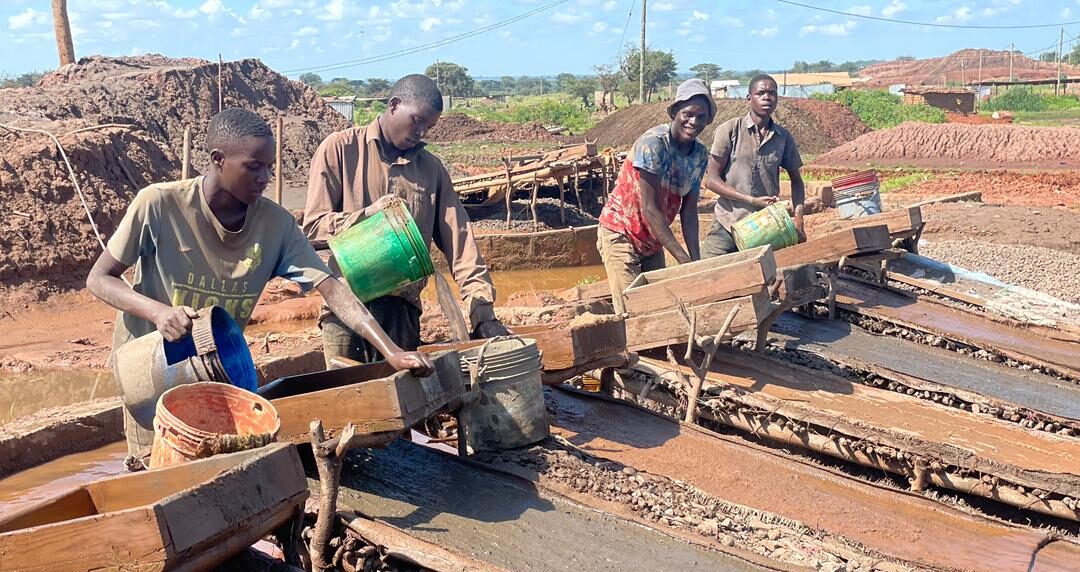
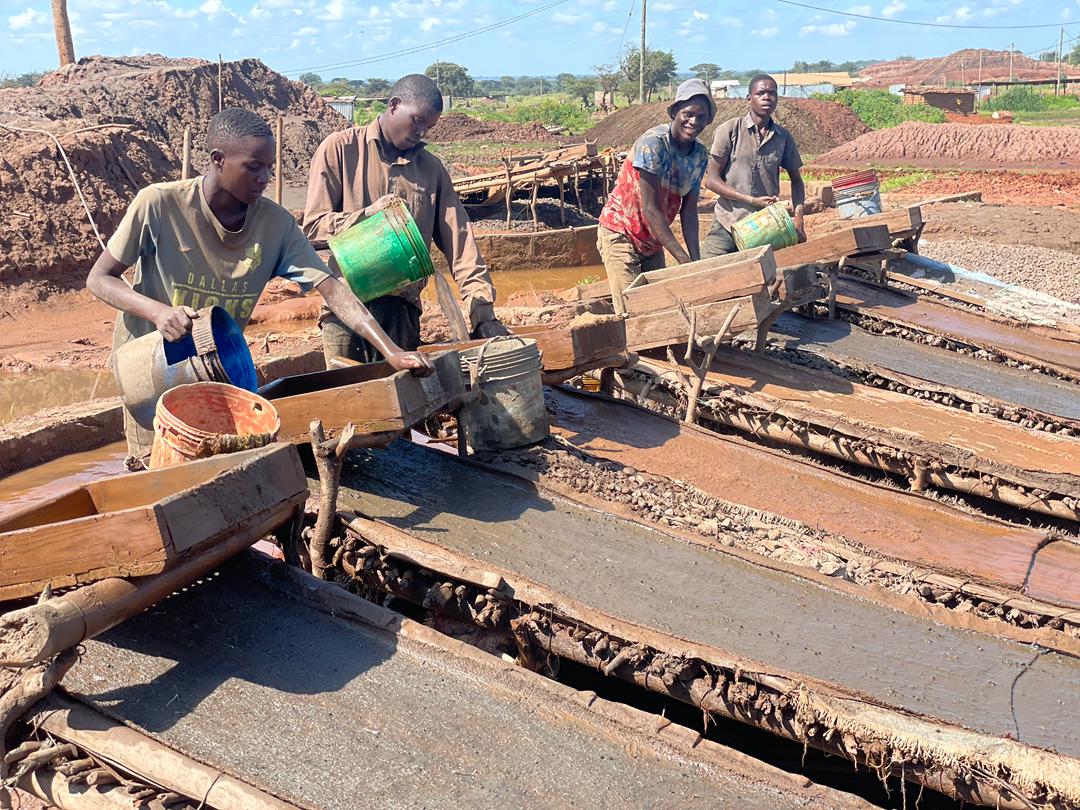
Emmanuel Joseph, a small-scale miner from Kanegele village in Tanzania’s Geita region, told Mongabay how informal miners enter abandoned mining blocks in search of gold, and then leave pits open when they move to other areas in search of minerals.
“Whenever it rains, even a little, the pits are filled with water, causing their walls to collapse,” Joseph said. Such pits pose risks to livestock and humans and the degraded land cannot be reused for agriculture.
Joseph said the influx of illegal miners has also been directly linked to indiscriminate cutting of trees to clear land for mining, which has increased the risk of soil erosion, with the loosened soil easily washed into rivers and reservoirs, disturbing the ecosystems and harming aquatic life.
Communities living near ore washing sites also face the risk of disease, as chemicals used in these processes are washed into their farms and water sources.
Maloda Mandago, a mining engineer with the Tanzania-based PaulSam Geo-Engineering Company, said, “An entire location can be full of open pits and trenches without plans for rehabilitation. This is risky.” He also highlighted the risk of acid mine drainage that can pollute water sources, as well as heavy metal exposure from metals like mercury, which is used to extract gold.
“Once mercury enters water systems, it moves through the food chain and ultimately affects human health,” Mandago said.
Clay Mwaifani of the Legal and Human Rights Centre, a nonprofit based in Tanzania, told Mongabay how unsustainable mining practices create fertile ground for exploitative social systems. “Informal mining also comes with discrimination in remuneration, lack of safety and even lack of [access to] basic services such as toilets. This threatens human health and dignity,” he said.
License holders should be held accountable for environmental degradation, even if they themselves are not on the sites, Mwaifani said. “A license holder who fails to develop an area must first restore it to a safe condition. The law should take its course for environmental restoration to be achieved.”
The government’s focus on the mining sector is partly a result of long-standing complaints from stakeholders that the sector is dominated by foreigners while locals remain confined to manual labor and lower-paying work.
Pantaleo Munishi, a professor at the Sokoine University of Agriculture in Tanzania, has, however, said the state’s approach needs to adhere more closely to scientific and environmental principles. “The problem is not mining itself, but how it is conducted, sometimes without planning, or consideration of environmental and legal procedures,” he said.
He said that since abandoned sites attract informal miners that operate without coordination, there is a greater risk of overcrowding, disease outbreaks and conflict over basic services.
Hamza Tandiko, chairperson of the Shinyanga Regional Small-Scale Miners’ Association, told Mongabay that he was aware of the environmental impacts caused by mining activities. But, he said, if the licenses revoked by the government are allocated to them, they will ensure their activities are carried out in accordance with the laws and regulations.
Mining activities in Tanzania are governed by the Environmental Management Act of 2004 and its regulations alongside the Mining Act of 2010.
Banner image: Small-scale miners in Shinyanga District Council, panning soil believed to contain gold. Image courtesy of Shaaban Njia.
FEEDBACK: Use this form to send a message to the author of this post. If you want to post a public comment, you can do that at the bottom of the page.
