

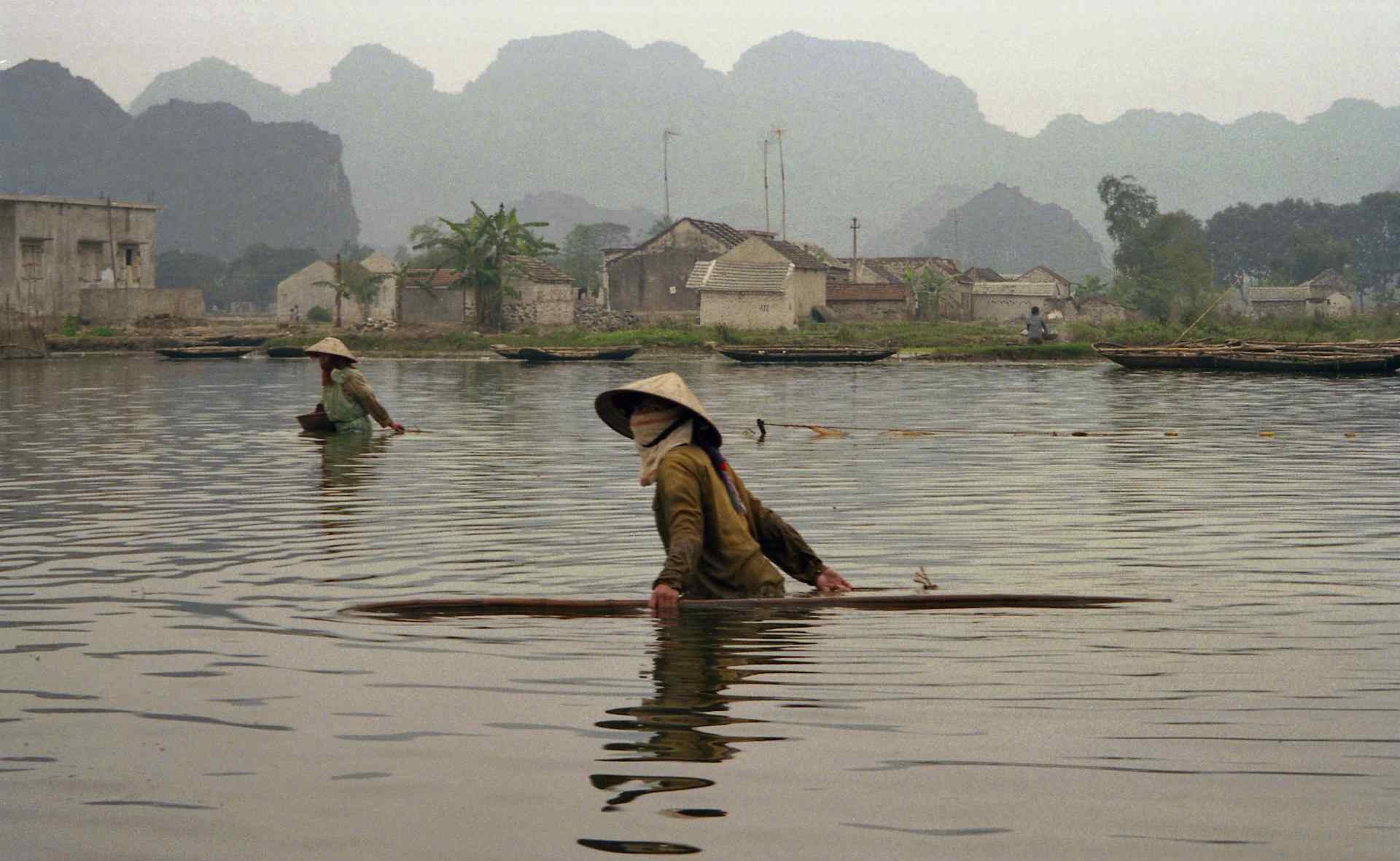
- Rapid expansion of rare earth and gold mining in Laos is contaminating river systems that flow into Vietnam, putting millions of downstream users at risk.
- Toxic runoff, particularly arsenic, poses a “silent” threat as it bioaccumulates over time, with serious long-term impacts on human health, fisheries and food security.
- Weak enforcement and the lack of a dedicated Laos-Vietnam monitoring framework leave these shared rivers vulnerable, highlighting the urgent need for stronger cross-border cooperation and safeguards.
- This article is an analysis. The views expressed are those of the author, not necessarily of Mongabay.
Southeast Asia’s growing demand for rare earth elements and gold, driven by global needs in electronics, renewable energy, defense and high-value commodities, has accelerated mining across the region. While Myanmar’s unregulated mines have drawn attention for contaminating Mekong River tributaries, monitored by the Mekong River Commission, an equally pressing but less scrutinized issue exists along the river systems shared by Laos and Vietnam, where no comparable bilateral treaty provides oversight.
River hydrology and the mining footprint
The total population of Laos is less than 8 million. In northeastern Laos, particularly Houaphanh province (population 300,000), rapid expansion of rare earth and gold mining along the Nam Ma, Nam Sam and Nam Neun rivers poses significant transborder risks. These waterways flow into Vietnam as the Song Ma, Song Chu and Song Lam rivers, where they sustain drinking water, agriculture and fisheries for approximately 10 million people in Vietnam’s Thanh Hoa, Nghe An and Ha Tinh provinces. Pollutants can travel downstream within hours, creating urgent needs for cross-border cooperation. Satellite analysis from the Stimson Center’s interactive River Basins Dashboard shows 21 mines directly impacting these river systems in Laos.
Contamination seen in these interconnected basins mirrors contamination patterns seen in Mekong tributaries affected by upstream mining in Myanmar, where toxins have devastated fisheries downstream in Laos and Thailand. Stimson’s dashboard shows 2,539 riverine mines in the region, including more than 500 rare earth mines concentrated in Myanmar and Laos. Many employ in-situ leaching techniques that use large volumes of river water and chemicals to extract minerals, producing wastewater laden with heavy metals.
Historical and cultural significance of the affected rivers
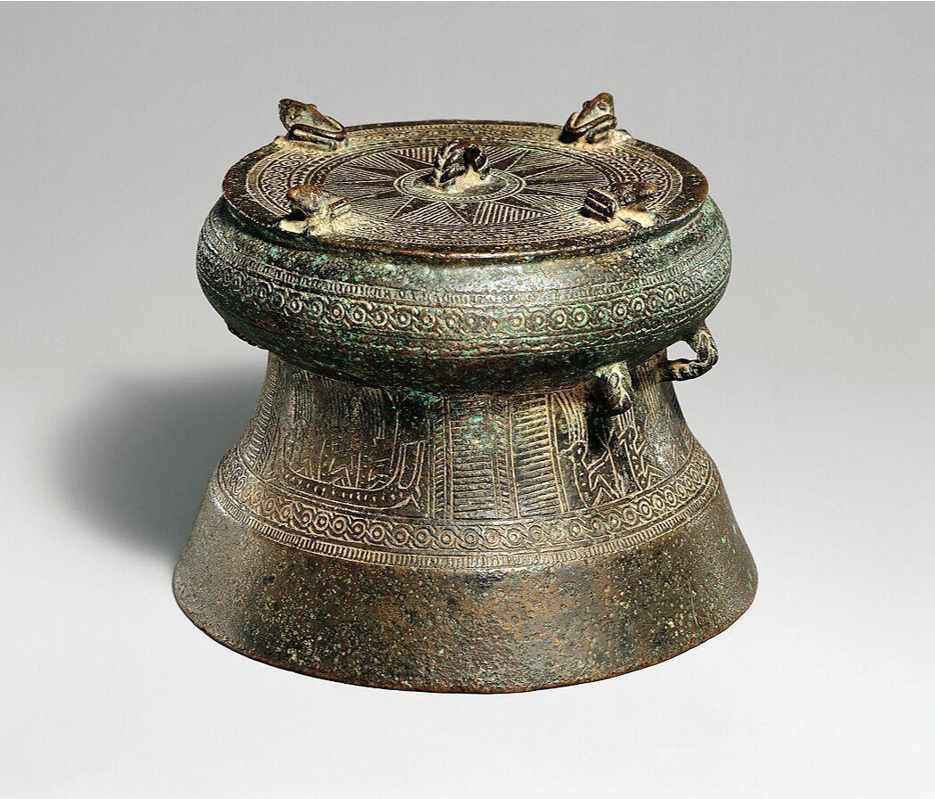
The Ma, Chu and Lam river systems were one of Vietnam’s earliest settlement zones south of the Red River Delta. Here, circa 1,000 B.C.E., the Dong Son bronze culture was known for advanced rice cultivation and metalworking. The decorated drums that originated there are powerful symbols of early Vietnamese technological and social development.
National hero Lê Lợi launched his resistance against Ming invaders from the nearby Lam Sơn area, achieving independence in 1428 and founding the Later Lê dynasty. These rivers thus sustain not only contemporary livelihoods but also speak to cultural heritage rooted in millennia of human adaptation to the landscape.
Toxic waste generation and documented incidents
The extraction of rare earths and gold in Houaphanh and adjacent areas relies on aggressive chemicals, including cyanide, sulfuric acid, ammonium compounds, and mercury (in gold amalgamation). Poorly managed operations lead inevitably to leaching of arsenic, lead, zinc, copper, iron, cadmium and manganese into waterways. In February 2024, a chemical leak at Houaphanh’s largest rare earth mining site leaked chemicals into the Nam Sam, causing fish die-offs, rendering water unsafe for use, and blighting Lao villages while threatening Vietnamese downstream basins. Villagers reported discolored rivers, dead aquatic life, skin rashes and digestive issues , as local fishing and agriculture collapsed, communities that could afford to shifted to purchasing food from distant places.
Similar but so far underreported incidents in 2025 appear to echo broader regional patterns. In Myanmar too, unregulated rare earth and gold mining has introduced arsenic and other toxins into Mekong tributaries. Thai testing has detected toxin levels exceeding WHO guidelines (as much as 40 times higher) in rivers like the Kok, Sai and Ruak. The Salween, too, has been affected. Mekong River Commission sampling in 2025 also noted elevated arsenic levels in Lao waters with potential cross-border attribution. In Houaphanh, downstream communities have been unable to use river water safely for daily needs or fishing following spills.
Arsenic as a ‘silent killer’: Mechanisms and long-term risks
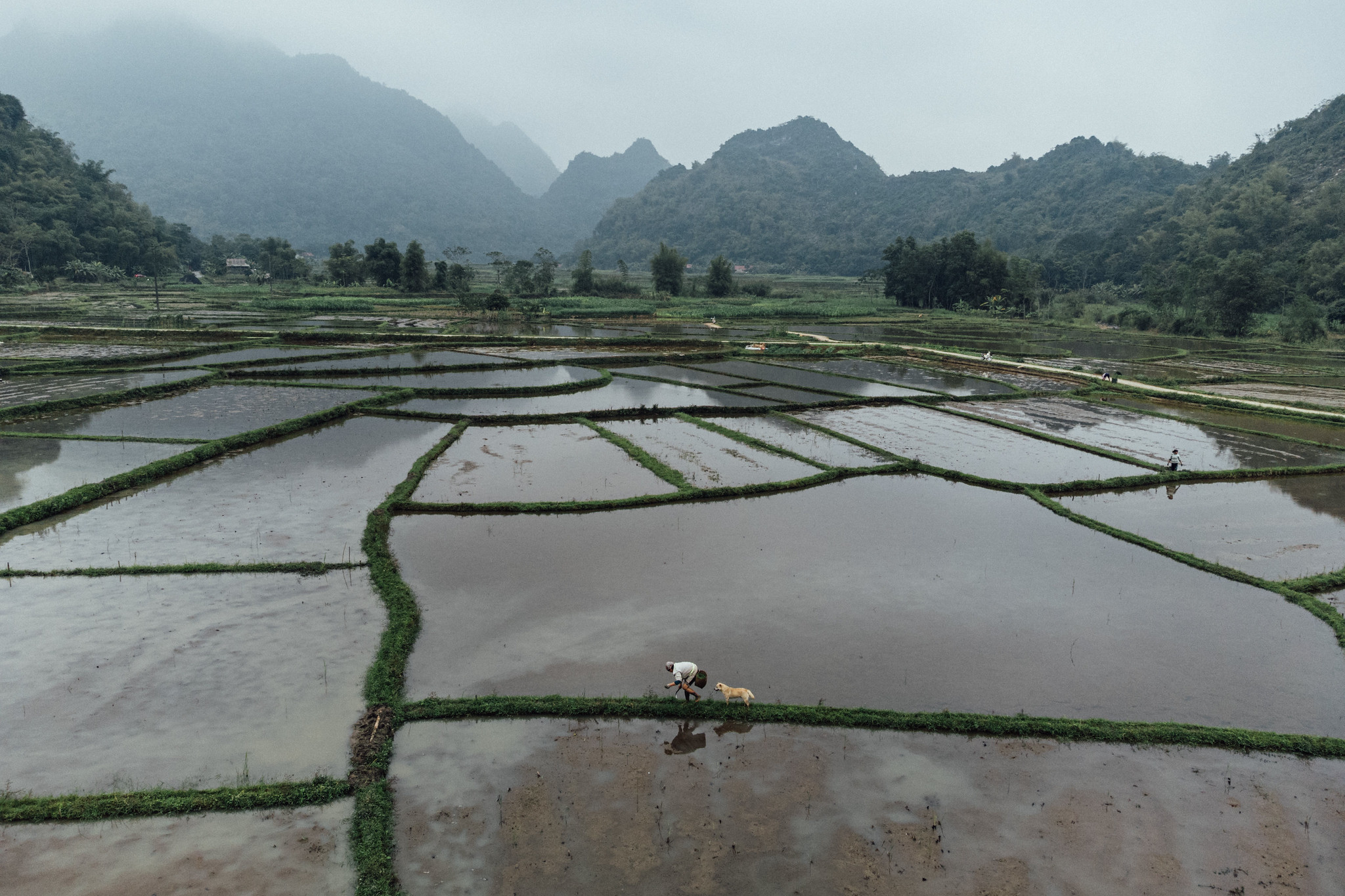
Arsenic stands out in these areas as a particularly insidious contaminant in wastewater from rare earth mining, especially from in-situ and cheap leaching processes that can mobilize naturally occurring arsenic or release it alongside other toxins. Colorless, odorless and tasteless at hazardous concentrations, it produces no immediate acute symptoms under chronic low-to-moderate exposure. Instead, it bioaccumulates over months to years via drinking water, irrigated crops, fish, and skin contact.
Health effects include skin lesions (hyperpigmentation and keratosis), peripheral neuropathy, respiratory and cardiovascular issues, diabetes, reproductive problems, and increased risks of cancer (skin, lung, bladder, kidney, liver). In the affected Vietnamese provinces, where millions of rural people rely on untreated or minimally treated river water, even modest contamination in key districts exposes hundreds of thousands of people. While large-scale epidemiological data linking symptom clusters (e.g., widespread skin rashes) to Laos-origin arsenic remain limited or underreported, the transboundary flow dynamics, documented upstream incidents, and arsenic’s typically delayed onset warrant proactive concern rather than complacency. “Limited current evidence of widespread illness” does not equate to insignificant risk, particularly given rapid contaminant transport and testing gaps.
Broader ecosystem damage compounds human health threats, with risks of biodiversity loss from fish kills, deforestation-driven erosion and siltation, and disruption of food security for fishing-dependent communities. These impacts mirror well-documented impacts in the Mekong River system, where mining pollution has reduced fish catches and degraded water quality.
Regulatory shortcomings, international obligations, and the case for enhanced cooperation
Lao law requires environmental impact assessments, waste management plans and community consultations, yet enforcement is still weak, as evidenced by the 2024 Houaphanh spill. Effective mitigation demands secondary containment, geomembrane liners, leak detection systems, secure toxic waste storage and treatment, and regular monitoring. Zero-discharge policies and cleaner alternatives, such as bioleaching, could reduce harm while balancing economic benefits.
Importantly, allowing mining activities on Lao territory to cause significant downstream harm to Vietnamese waters and communities would place Laos in violation of its obligations under the 1995 Mekong Agreement. As a party to the agreement (along with Cambodia, Thailand and Vietnam), Laos is bound by Article 7 to “make every effort to avoid, minimize and mitigate harmful effects” to the environment, water quality, aquatic ecosystems and ecological balance of the Mekong River Basin from development activities or discharge of waste. Article 3 further obliges parties to protect the basin from pollution or other harmful effects. Where substantial damage occurs, Article 8 requires determination of responsibility in line with principles of state responsibility under international law.
Although the agreement’s most detailed procedural requirements (such as prior notification and consultation) focus primarily on the Mekong mainstream, its core substantive principles of preventing harmful effects and protecting shared resources reflect broader customary international law. These principles are codified in the 1997 U.N. Convention on the Law of the Non-Navigational Uses of International Watercourses (U.N. Watercourses Convention), which Vietnam has ratified and which emphasizes the duty to take all proper measures to prevent significant transboundary harm (Article 7).
The absence of a dedicated bilateral framework for the Ma-Chu-Lam systems — unlike the Mekong River Commission’s role for the Mekong — leaves these rivers especially vulnerable. Persistent pollution from upstream mining without adequate safeguards risks breach these obligations and undermines regional cooperation. Joint Vietnam-Laos water quality monitoring throughout the aforementioned river systems, early-warning mechanisms and community-based reporting networks in Houaphanh, Thanh Hoa, Nghe An and Ha Tinh provinces are therefore essential, and not only for environmental protection and public health. Incidentally, they also ensure compliance with existing international commitments. Lessons from Mekong contamination underscore the need for stricter regulation, transparency and accountability to protect shared resources.
Conclusion: Balancing development with precaution
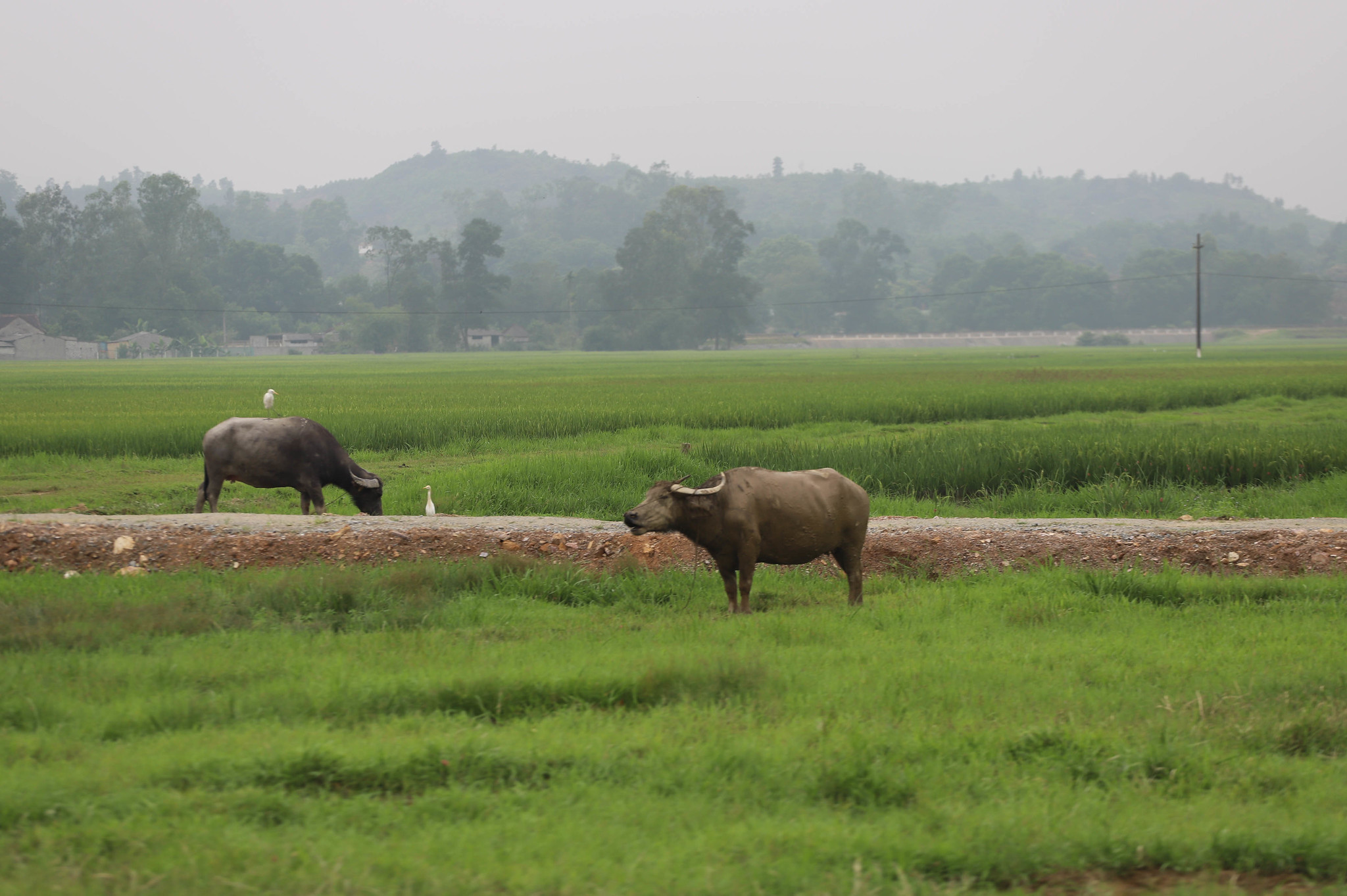
Global demand for rare earth elements fuels these operations, but the environmental and health burdens — particularly the cumulative, “silent” effects of toxins like arsenic — disproportionately affect rural and border communities. Vietnam and Laos must prioritize preventive action: rigorous testing, health surveillance, effluent controls and transboundary agreements to safeguard millions of livelihoods, biodiversity and cultural heritage. In contexts with strong regulatory precedents (such as the U.S.), plausible risks from arsenic mobilization trigger mandatory monitoring and restrictions precisely because such toxins do not announce themselves dramatically. The same precautionary logic applies here.
Sustainable mining practices that integrate economic growth with environmental protection are achievable through bilateral cooperation and community engagement. Without urgent intervention, toxic spills risk devastating the Ma, Chu, and Lam river basins for generations. Initiative-taking vigilance today can prevent tomorrow’s public health and ecological crises.
Banner image: Women in the river pulling fish net , Hoa Lu, Ha Nam Ninh Province, Red River Delta Region, Vietnam. Image by Lon&Queta via Flickr (CC BY-NC-SA 2.0).
Pham Phan Long, P.E., is a professional consulting engineer based in California and the founder and former Chair of the Viet Ecology Foundation, where he advocates for sustainable development and environmental protection in Southeast Asia. The author wants to thank Mr. David Brown for being a tireless companion sharing the concerns and giving valuable input for this article.
