

No matter how you feel about data centers, we all rely on them: for reading this email, for scrolling through TikTok when you should be asleep, for streaming last night’s “Traitors” finale, and so on. And as AI becomes more powerful and more widespread, tech companies are building more of these power-hungry facilities — though exactly how many, and how much energy they’ll need, is unclear.
That fuzzy future is what makes data centers so complicated. Utilities that are rushing to meet data centers’ massive projected demand run the risk of building too many power plants, locking in more greenhouse gas and health-harming emissions, and passing unnecessary costs on to households.
It’s a dilemma that lawmakers on both sides of the aisle are finally waking up to. In the early years of the data center boom, governors and the federal government created tax breaks and other incentives to secure a slice, betting that the facilities would create jobs. But just last week, Illinois Gov. JB Pritzker (D) announced a two-year pause on tax incentives for data centers in his state. Similar rollbacks have been proposed in Maryland, Michigan, Oklahoma, and Virginia, Stateline reports.
Pennsylvania Gov. Josh Shapiro (D) has meanwhile called for data centers to make sure their power demand isn’t saddling residents with unfair costs. It’s a message with bipartisan support: U.S. Sens. Josh Hawley (R-Mo.) and Richard Blumenthal (D-Conn.) introduced a long-shot bill earlier this month that would ensure each new data center has its own power supply that doesn’t connect to the grid that the public relies on.
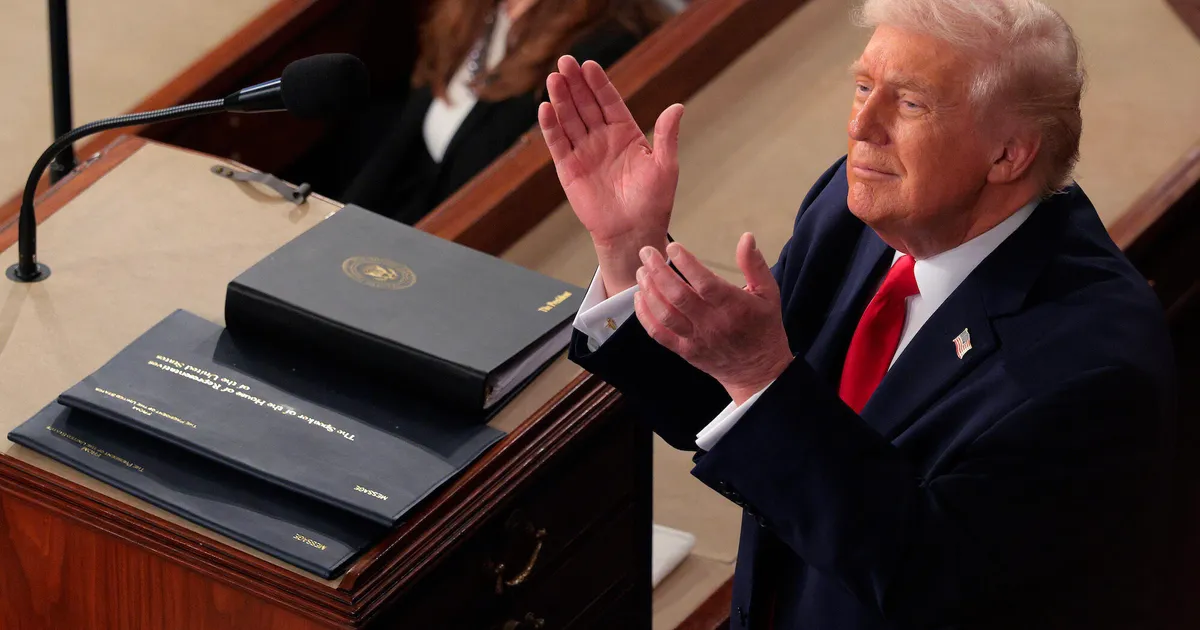
The idea that data centers should pay their own way is gaining traction with the White House, too. In his State of the Union address on Tuesday, President Donald Trump said he will push tech companies to promise that their data center build-outs won’t leave Americans with higher power costs. This “ratepayer protection pledge” wouldn’t be binding, however.
It’s a conversation worth following as congressional primaries begin this month, including in the data center hotbeds of Illinois, North Carolina, and Texas. A handful of Democratic candidates are already looking to differentiate themselves from crowded primary fields by going hard on data centers’ energy impacts, E&E News reports. And we can expect that Pritzker, Shapiro, and other governors and senators will do the same as they gear up their reelection campaigns for November — and as they consider running for the White House in 2028.
More big energy stories
Will these fossil-fuel plants ever shut down?
The Trump administration’s push to keep fossil-fueled power plants running past their prime is stretching into a new year.
Just this week, the Department of Energy ordered Pennsylvania’s Eddystone oil and gas plant to keep operating for another three months, stretching its life nearly a year past its planned retirement. It’s one of several fossil-fuel plants that were supposed to retire last year but are now racking up millions of dollars in costs for grid operators to contend with.
Those cost battles are coming to a head in the Midwest. Federal energy regulators already agreed to spread the cost of keeping a Michigan coal plant running across 11 states served by the Midcontinent Independent System Operator. And in Indiana, the owners of two coal-fired plants forced to stay open are currently looking for a similar arrangement.
The problem is only likely to grow this year as the Trump administration forces gigawatts’ worth of fossil-fuel generation to keep operating with no end in sight.