

Support CleanTechnica’s work through a Substack subscription or on Stripe.
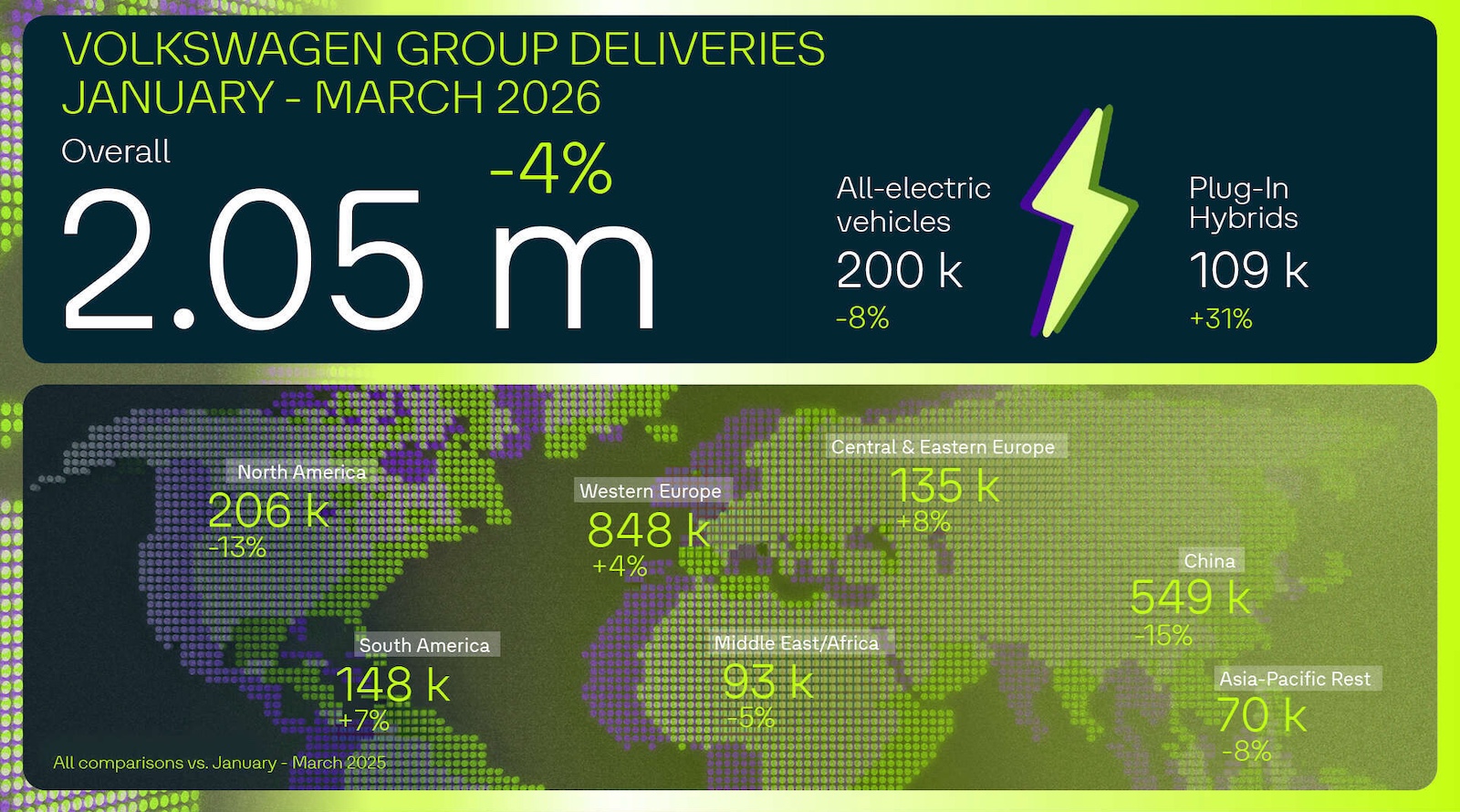
While other legacy automakers have shied away from talking about electric vehicles in their PR lately, Volkswagen Group is still giving them a strong focus. In the company’s global quarterly report published this week, it seemed that they accounted for half the text. Here are the highlights.
The opening quote to kick of the report pointed to BEV delivery progress and a new BEV model. “The first quarter of 2026 was once again characterized by very challenging economic and geopolitical conditions. The worldwide automotive market declined overall through the end of March. Nevertheless, the Volkswagen Group largely maintained its global market share compared to the same period last year. Our delivery figures in Europe continued to show a positive trend. Here, we once again posted growth and also increased the share of all-electric vehicles. In China and the U.S., the total market declines also affected our deliveries. Although the war in the Middle East has so far led to disruptions in the directly affected markets, this has not had a significant impact on the Volkswagen Group’s overall deliveries. For the coming months, we expect further positive momentum from key new models such as the Electric Urban Car Family in Europe and new locally developed electric models in China,” said Marco Schubert, Member of the Group’s Extended Executive Committee for Sales.
The second of three “Key figures” and associated text were as follows:
200,000
vehicles
worldwide BEV deliveries through the end of March were down 8 percent from the previous year (216,800 vehicles), growth trend continues in Europe.
“Volkswagen Group remains the clear BEV market leader in Europe and continues on a growth trajectory (+12 percent), BEV share in Western Europe rises from 19 to 20 percent , BEV total markets in China and the U.S. decline significantly following the expiration of government subsidy programs , ahead of the launch of new, locally developed electric models, Volkswagen Group’s BEV deliveries in China drop by 64 percent , in the U.S., the increased tariffs in effect since April 2025 have an additional impact, leading to an 80 percent decline”
So, it wasn’t a great quarter for Volkswagen Group EVs, but the company highlighted them anyway and provided useful context for why they were down in China and the USA, while also noting their growth and market leadership in Europe.
The company’s fourth (of four) key figures was about plugin hybrids:
109,000
vehicles
global PHEV deliveries up approximately 31 percent year-over-year.
“Demand is rising for vehicles with modern second-generation plug-in hybrid (PHEV) powertrains and all-electric ranges of up to 143 km.“
Then, after providing brief summaries of regional results, Volkswagen Group highlighted its 10 best selling BEVs in a big callout box. Those were:
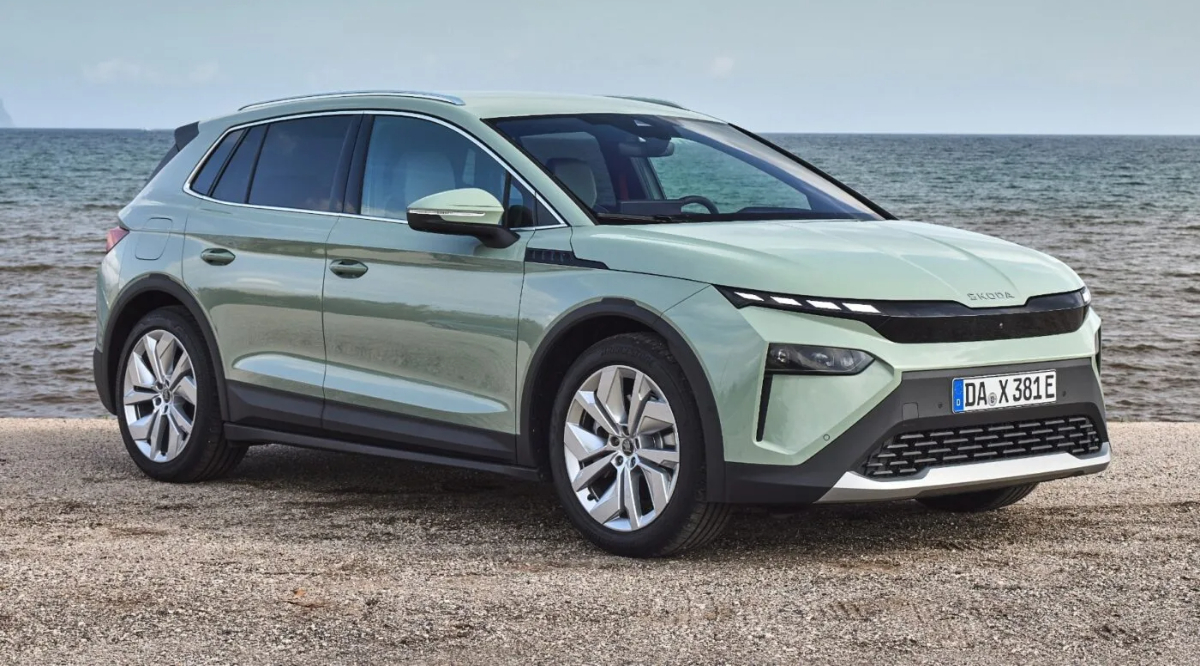
- Škoda Elroq 29,700
- Volkswagen ID.4/ID.5 25,000
- Škoda Enyaq (including Coupé) 22,100
- Volkswagen ID.3 19,600
- Audi Q4 e-tron (SUV/Sportback) 15,600
- Volkswagen ID.7 (including Tourer) 14,500
- Audi Q6 e-tron (SUV/Sportback) 13,600
- Volkswagen ID. Buzz (including Cargo) 11,800
- CUPRA Born 10,000
- Audi A6 e-tron (Avant/Sportback) 8,600
Then the company wrapped up with four big sales tables, two for regions and brands overall and then two for BEVs by region and brand.
Clearly, Volkswagen Group still sees BEVs as a top priority and is maintaining a focus on them in corporate communications, even when things aren’t positive. I consider that commendable and a good sign.
Sign up for CleanTechnica’s Weekly Substack for Zach and Scott’s in-depth analyses and high level summaries, sign up for our daily newsletter, and follow us on Google News!
Have a tip for CleanTechnica? Want to advertise? Want to suggest a guest for our CleanTech Talk podcast? Contact us here.
Sign up for our daily newsletter for 15 new cleantech stories a day. Or sign up for our weekly one on top stories of the week if daily is too frequent.
CleanTechnica uses affiliate links. See our policy here.
CleanTechnica’s Comment Policy