

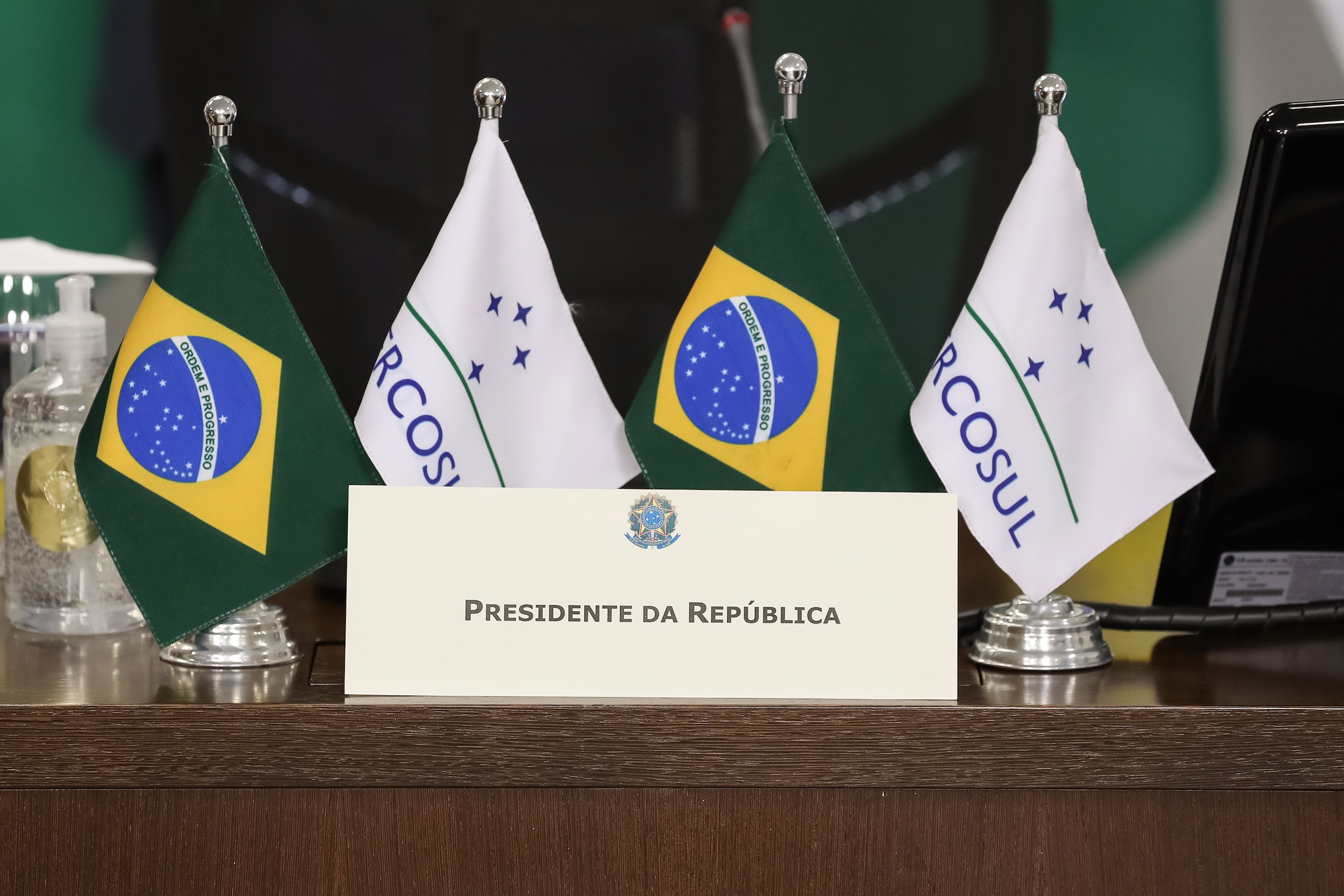
- The EU-Mercosur trade agreement, between the European Union and many Latin American nations, is potentially worth trillions of dollars in transcontinental commerce, and it is about to be implemented on a provisional basis starting in May, 2026.
- But experts and environmental organizations are concerned about the risks that may arise across Latin America as the accord goes into effect.
- Indigenous organizations warn about the lack of consultation with potentially affected native peoples, and studies point to problems associated with increases in deforestation, mining, and the use of agrochemicals and pesticides.
- On the other hand, experts argue that some provisions, such as the European Union Deforestation Regulation (EUDR), could help reduce environmental damage in Latin America under existing trade dynamics.
In March, after decades of negotiations, the free trade agreement between Mercosur nations and the European Union (EU) was ratified by Paraguay, the last founding member of the Latin American bloc to give the green light to the deal. Already in its final stage, the document will be provisionally implemented in May, 2026, according to the European Commission.
The agreement is being hailed as an economic boon for both EU and Latin American nations. However, it may cause a series of environmental impacts. According to various NGOs and environmental advocates, major problems for Latin America could include expansion of deforestation, mining, and pesticide imports and use.
Other experts argue that the agreement could impose a series of environmental rules on already existing global trade – in addition to facilitating knowledge exchange among the parties.
Good for trade, bad for the environment?
Mercosur, as it’s known in Spanish, and Mercosul, in Portuguese, has been dubbed the Southern Common Market. It represents one of the world’s leading economic blocs, and its fifth-largest economy. It is composed of five member countries (Argentina, Brazil, Paraguay, Uruguay, and Bolivia) and seven associate members (Chile, Colombia, Ecuador, Guyana, Peru, Suriname, and most recently Panama).
In general terms, the treaty between Mercosur nations and the European Union provides for gradual reduction of import tariffs between the two continental blocs. In late February, the Brazilian government stated that the EU “commits to eliminating import tariffs on approximately 95% of goods that account for 92% of the value of European imports from Brazil within 12 years.”
Nevertheless, the agreement’s advance in recent years has raised multiple environmental concerns. In a March 2023 report, the NGO Greenpeace argued that tariff exemptions would benefit commodity exports, potentially expanding agricultural frontiers and deforestation throughout South America. According to the study, agricultural and mineral products currently account for over 70% of what Mercosur sells to the EU.
Greenpeace also stresses that, under the new measure, Mercosur member countries could increase their use of pesticides (many known to be toxic), opening up a wide range of socio-environmental and human health crises in developing countries. The organization points out that the treaty aims to suspend tariffs on 90% of chemical products exported by the EU, “including pesticides.”
Several major pesticide companies are European. They include Germany’s BASF, whose 98 Brazilian products contain 19 substances considered “highly hazardous,” and Bayer, also from Germany, with 71 products with 22 substances listed in the same category.
Bayer, for example, produces chlorpyrifos, which is toxic to bees, fish, and mammals. In 2020, the European Commission decided not to renew the license for chlorpyrifos based on evidence of its genotoxicity – the ability to cause damage to cells’ genetic material – and neurotoxicity. BASF makes cyanamide, which has been banned in Europe since 2008 for being harmful to human health.
These “highly hazardous” products point to a serious regulatory problem looming on the near horizon: Some pesticides cannot be sold in Europe due to their toxicity, but their production and export outside European borders are not subject to the same barriers. According to an analysis by the London School of Economics and Political Science (LSE), EU exports of chemicals as well as rubber and plastics to Mercosur are expected to increase between 47% and 60% by 2032 – compared to what would occur without the agreement.
The pact stipulates that goods traded between the two sides of the deal must comply with the importer’s sanitary requirements. However, Greenpeace International spokesperson Lis Cunha said that the rule will not reduce pesticide use in Latin America, nor will it block the import of agricultural goods to Europe that have been grown using pesticides banned in the EU, since the rule only applies to final products.
“In other words: As long as pesticide residue levels are not high in the final product, it can enter [the EU],” said Cunha. She also stresses that the agreement will reduce customs controls on both sides.
And because EU- Mercosur negotiations began in the last century, Cunha adds, the agreement is based on “total environmental exploitation with little consideration for the climate crisis.” In her view, the trade accord’s current approved terms “would have to be completely re-negotiated in order to create a sustainable agreement.”
Carolina Alves, a political advisor at the Institute for Socioeconomic Studies (Inesc), believes that the trade pact will pave the way for more mining in South America by an industry responsible for environmental tragedies and substantial loss of life, including the infamous disasters in Brazil that took place in Brumadinho and Mariana. “We have a mining industry in the country that poses a risk,” she told Mongabay.
Expectations for the Anti-Deforestation Law
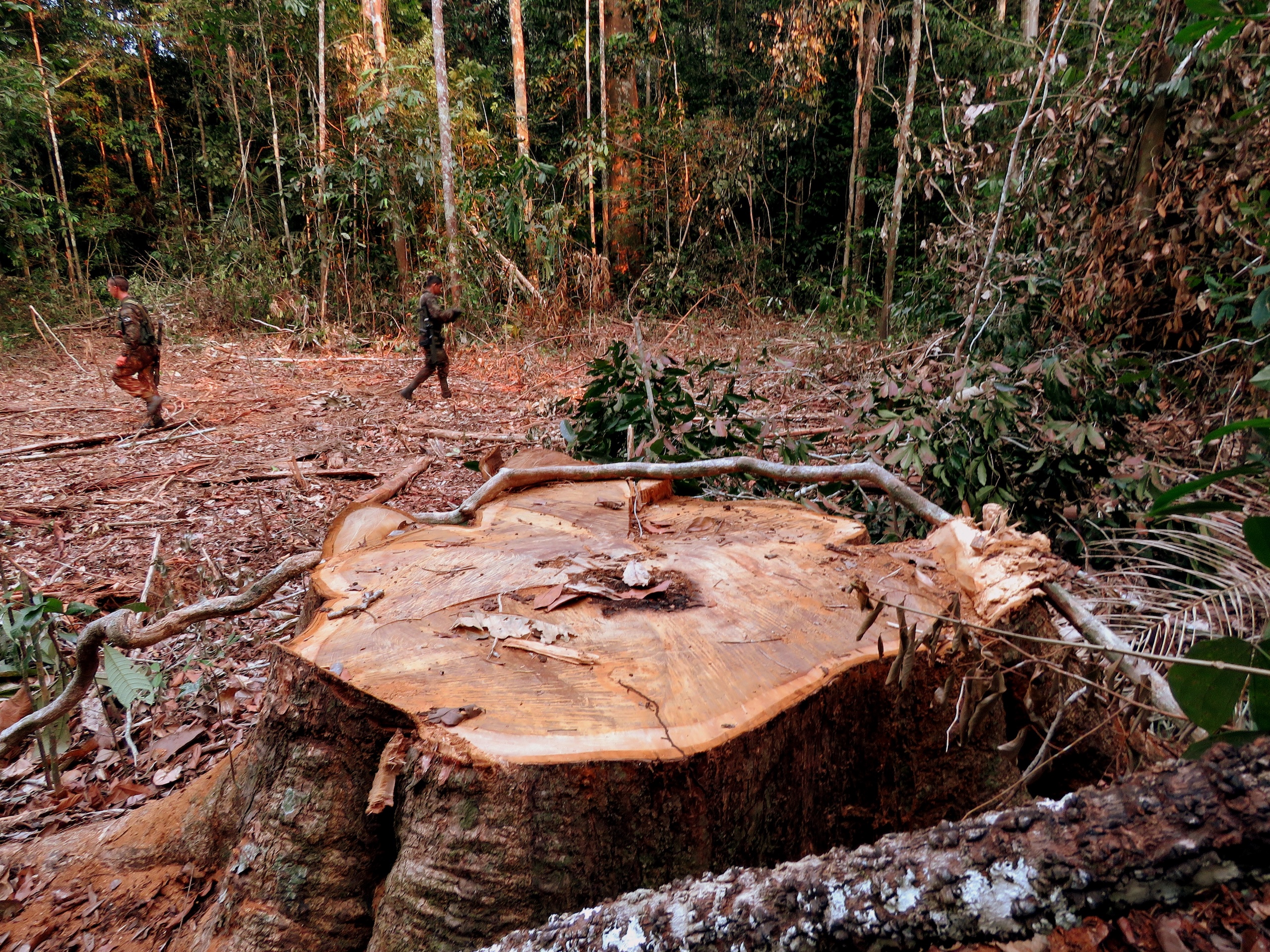
The EU-Mercosur agreement could offer some good news for Latin America’s forests: If nothing changes, the European Union Deforestation Regulation (EUDR) should come into effect in December 2026. From that point onward, EU suppliers worldwide will be required to prove that their nation’s commodities and products come from deforestation-free areas before marketing them under the new agreement. Currently, the EUDR applies to soy, beef, cocoa, coffee, palm oil, rubber, and timber.
The rule was originally expected to come into force in December 2024, but it was postponed to the end of the following year. When that time came, however, it was postponed yet again, partly so that commodity-producing nations and transnational companies could prepare to meet EUDR requirements, though the rule was also weakened regarding full traceability and shared responsibility across supply chains.
Last January, the European Commission (EC) published on its official website that “large operators” would need to comply with the main obligations “from December 30, 2026,” while micro and small enterprises would have until June 30, 2027. In the document, the EC explains that “this additional time is intended to guarantee a smooth transition, to reduce impact and administrative burden on micro and small operators and to allow time to improve the IT systems.”
On a previous occasion, the European Parliament had already stated that these enterprises’ IT systems would not be ready to handle computational demands under the EUDR.
According to Dinaman Tuxá, executive coordinator of the Coordination of Indigenous Peoples of Brazil (Apib), the regulation may provide some security to Indigenous lands, but the “resurgence of fascism and conservatism in Europe has caused enforcement delays.”
“With these movements, there is also risks that the rules will be loosened,” said Tuxá.
In November 2025, during the postponement vote, the EU chose to exclude printed books and newspapers from the scope of the law, which could benefit the forestry industry as well as reduce requirements for small operators in countries considered “low risk”. In these cases, a simplified declaration would be enough to prove the origin of the products.
A review window was also proposed to allow changes to the EUDR.
Apib’s coordinator sees these changes with concern. “We’re very worried about it because we considered the instrument positive. With its loosening or slow enforcement, Indigenous lands and conservation units are being targeted by agricultural expansion in the Amazon and especially in the Cerrado,” he said.
According to Tuxá, Apib “totally opposes” the EU-Mercosur agreement. However, the organization understands that it does not have the political power to prevent its advance and is now seeking to ensure that the measure “at least guarantees protection of human rights and the rights of various Indigenous peoples.”
The agreement mentions indigenous peoples when demanding that the trade blocs recognize the capacity for innovation, the knowledge, and the practices developed by traditional communities. It also demands more space for sustainable supply chains.
However, according to Tuxá, even though Indigenous peoples are directly affected by the agreement, they have not been properly consulted – not even before the document was drafted. “We will be under even more pressure from agribusiness, mining, and illegal logging in our territory,” he told Mongabay.
Finally, socio-environmental organizations also criticize the EUDR’s “concept of forest,” which could exclude biomes such as the Cerrado, Pantanal, and Pampa in southern South America. According to the regulation, the term “forests” includes “land spanning more than 0.5 hectares with trees higher than 5 meters and a canopy cover of more than 10%.”
Improvements in existing trade exchanges
In January, despite criticism from environmentalists and Indigenous peoples, Brazil’s Minister of the Environment and Climate Change Marina Silva celebrated the EU’s approval of the agreement with Mercosur, saying that the text is “balanced and aligned with contemporary environmental, social and economic challenges.”
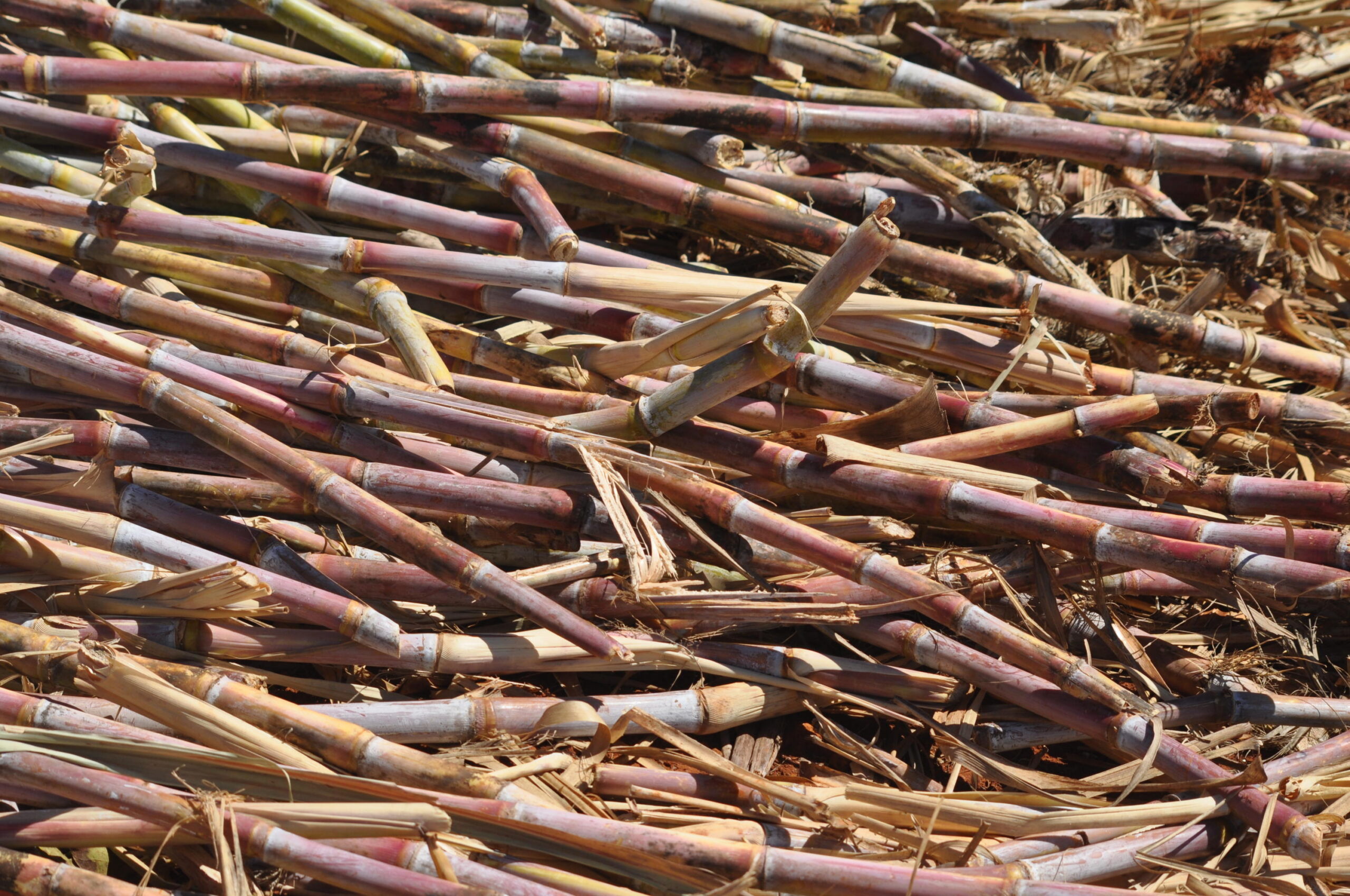
Technical reports such as the risk assessment produced by the LSE offer varied interpretations. While citing the risks of deforestation, the LSE points out that the expansion of animal products, sugarcane, and other agricultural goods is small. “Consequently, the analysis does not anticipate an increase in the use and contamination of water or an intensification of the use of pesticides. For the same reason, no significant expansion of the agricultural frontier would be expected as a result of the agreement,” the report states.
In August 2024, Professor Susan Elizabeth Martins from the Graduate Studies Program in Development, Society and International Cooperation at the University of Brasilia (UnB), published a study with estimates of land conversion in Brazil and its relationship with agri-food products traded with the EU.
According to the study, “while the EMTA [EU-Mercosur Trade Agreement] has limitations common to other free trade agreements, it could be a useful additional tool for improving sustainability governance in the existing trade between the two regions by establishing a structured and legally stable platform for cooperation and implementing joint initiatives.”
In 2021, another study projected that, under the new agreement, conversion of forests into cropland in the Brazilian Amazon could range from 560 km² to 1,730 km² – for comparison, from August 2024 to July 2025, 5,796 km² were deforested in the Amazon.
Martins said that the EU- Mercosur agreement is not the solution to environmental problems, but it is not a “villain” either. “It’s not that there aren’t environmental risks and impacts, but we argue that these risks and impacts exist even in the absence of an agreement. And this agreement would enable more dialogue and political cooperation between the two regions,” she told Mongabay.
According to her article, some products, such as soy and coffee beans, already enter the European Union with a zero import tariff. However, she advocates the creation of new multilateral agreements between the parties to combat deforestation.
Lis Cunha from Greenpeace disputes the claims of the LSE report. In her view, the document was based on limited consultations and prepared by economists – most of whom, according to her, lack environmental expertise. As a counterargument, she cites the work of an independent French commission whose analysis indicates that the agreement could accelerate deforestation by 5% over a six-year period.
Marcelo Behar, coordinator of Getúlio Vargas Foundation’s Climate Governance and Development Forum, believes that the EU-Mercosur accord could indirectly benefit the environment through exports of critical minerals for the electric car and wind turbine industries. He argues that it could reduce greenhouse gas emissions – although, according to recent Mongabay articles, the new craze for minerals and rare earths in Brazil is creating its own crisis and leading to illegal mining on Indigenous lands for new supposedly sustainable reasons.
The Paris Agreement
The EU-Mercosur treaty also establishes that the parties are signatories to the Paris Agreement and commit to its effective implementation, in addition to collaborating to reduce emissions. Behar considers this a crucial part of the agreement, since commercial commitments are conditioned upon environmental ones. “This reciprocal accountability will enable us to achieve the goals of both the Paris Agreement and the biodiversity framework.”
Carolina Alves from Inesc, however, said that these provisions are not legally binding and there are no legal consequences in case of non-compliance. Apib’s Tuxá, in turn, considers that the mention of the Paris Agreement is something of a safeguard, but he points out that the voluntary mechanism is frequently violated and that its mere reference in the EU-Mercosur agreement does not guarantee compliance by the parties.
“We need clearer targets and clearer mechanisms for protection, traceability, and punishment,” he said.
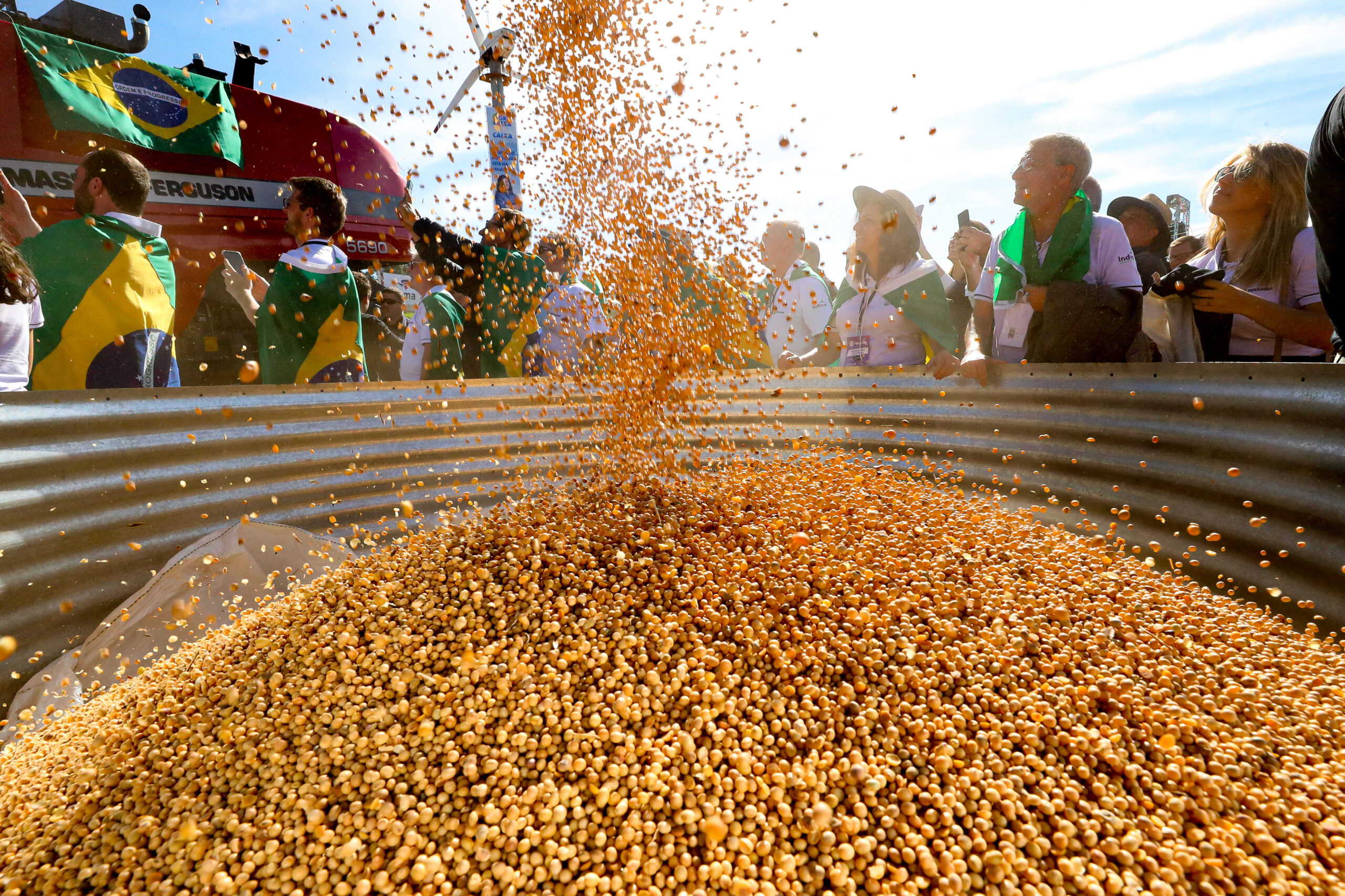
Banner image: An iron drum containing soybeans. Image: Isac Nóbrega/Brazil’s Presidency.
