

Take one of the biggest buckets of grant money: the $27 billion Greenhouse Gas Reduction Fund, which included the National Clean Investment Fund ($14 billion), the Solar for All program ($7 billion), and the Clean Communities Investment Accelerator ($6 billion). Grant recipients are fighting for their awards in multiple ongoing lawsuits related to each one of these programs, according to Blanchard. There are four cases about Solar for All funding alone.
But some smaller programs have attracted less attention, including the $5 billion Climate Pollution Reduction Grants program — the source of funding for Power Ahead Colorado. The EPA selected state, local, tribal, and U.S. territory recipients in 2024, and, to Blanchard’s knowledge, all have continued to receive funding, though the reasons are unclear.
Power Ahead Colorado had a brief period last January when it was “unable to draw down any funds,” Selk said. “But that, thankfully, cleared up, and we haven’t had any issues at all.”
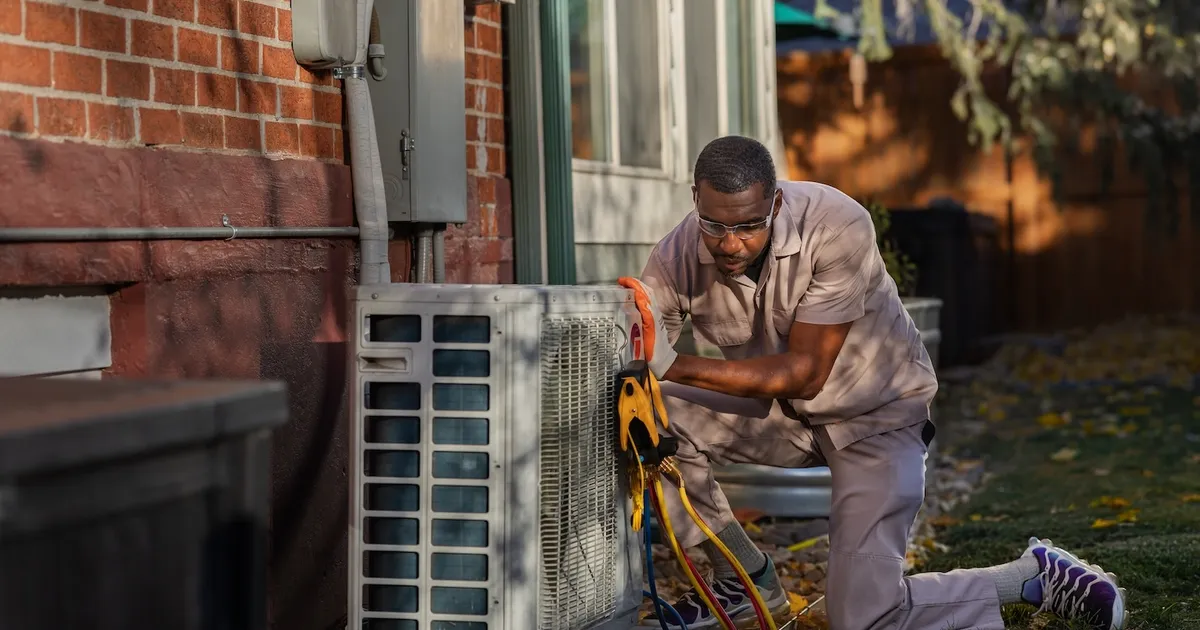
Selk estimates that the heat-pump program, which gets reimbursed for its spending, has used roughly 8% to 10% of its grant since 2024. But she expects outlays to pick up speed now that the program has launched. The federal grant lasts until October 2029.
Colorado is investing millions more of federal dollars in decarbonization efforts, the state publicized last week.
With a grant from the U.S. Department of Energy’s Training for Residential Energy Contractors program, the state energy office announced $1 million to teach about 400 heating, ventilation, and air conditioning technicians how to install heat pumps.
The state has also awarded $21.6 million, out of its own $50 million Climate Pollution Reduction Grant, to local governments to foster resilience and lower energy costs through emissions-slashing initiatives, including adopting all-electric building codes and making it easier to develop large-scale solar, wind, and geothermal projects.
The federal government may be throwing up roadblocks to local climate action, but Colorado is demonstrating that the Trump administration hasn’t completely choked political will for ditching fossil fuels.
“People are going to continue to do climate projects at the state and local level,” said Blanchard of Lawyers for Good Government. “And whenever we can leverage federal funding, we will.”