

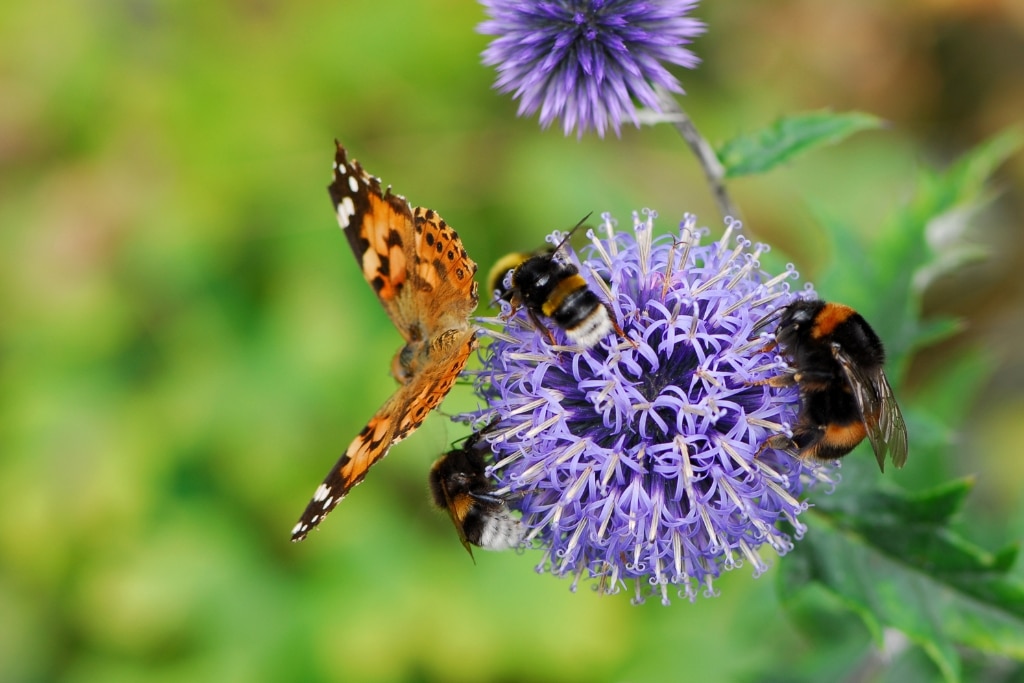
From coastal protection to clean water, pollinators support far more than crops. They need to be treated as central to food security, biodiversity and sustainable development.
—
By Kaveh Zahedi
Some of the world’s most vulnerable coastal regions depend on a defence system built, in part, by insects.
Mangroves stabilize shorelines, store carbon and protect coastal communities from storms. They also sustain fish stocks vital for food security. But many mangrove species rely on bats, beetles, butterflies, flies and other pollinators to reproduce and keep those natural defences standing.
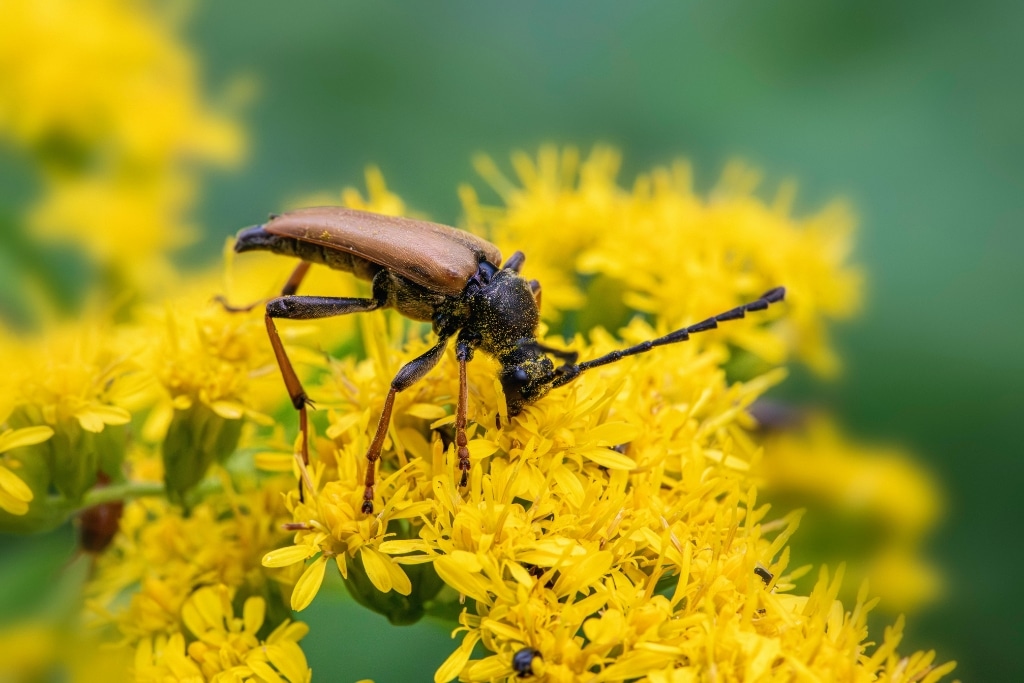
There are some 350,000 pollinator species, from insects to birds, bats and even rodents. Much of this diversity goes unnoticed until the systems it supports begin to fail.
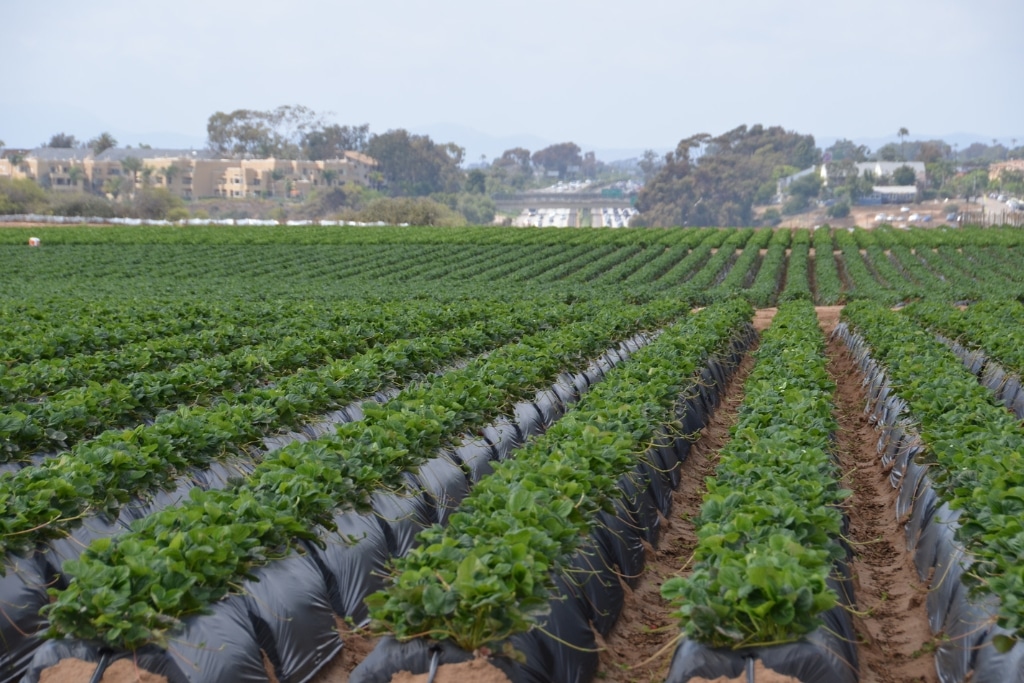
The clearest argument for pollinators is food. Roughly three-quarters of the world’s leading food crops depend, at least in part, on animal pollination. Without pollinators, the foods at the center of a healthy diet, such as fruits, vegetables, nuts and seeds, would become less abundant, less reliable and more expensive.
But food is only the start. Pollinators help keep ecosystems functioning and underpin resilient landscapes and rural livelihoods. Take water. Pollinators help sustain the hedgerows, wildflower borders, wetlands and riparian vegetation that stabilize soils and reduce contaminated runoff. The same pollination that keeps plants reproducing helps keep pollutants out of rivers and streams.
This is why pollinators need a clearer place in biodiversity policy. They are not a niche concern. They are part of the machinery that keeps ecosystems productive and resilient.
FAO analysis of national biodiversity plans shows that countries are increasingly using agrifood systems to deliver on their biodiversity commitments. But only 41% of the countries analyzed include agrifood-related actions addressing pollination management in their National Biodiversity Strategy and Action Plans. Pollination cannot be overlooked when many of those commitments depend on the services pollinators provide.
This isn’t just about biodiversity. Pollinators are strongly linked to nearly half of the United Nation’s Sustainable Development Goals, reaching well beyond “Zero Hunger” and “Life on Land” to contribute to poverty reduction, clean water, responsible consumption and climate action. If countries are serious about aligning food systems with biodiversity and development goals, protecting pollinators needs to be at the center of implementation.
Pollinators are already under pressure, squeezed by habitat loss, pesticide misuse, climate change, invasive species, parasites and disease, often at the same time.
In the places scientists have studied closely, the losses are already visible. In Europe, 15 bumblebee species that help pollinate peas, beans and clover are now classified as threatened. The number of European butterfly species at risk of extinction has risen by 76% over the past decade, and Simpanurgus phyllopodus, a solitary bee in Spain’s coastal saltmarshes, is now critically endangered.
This is not just a conservation concern. As pollinators decline, the services they provide to crops, ecosystems and rural economies become less reliable. The risk is not only losing pollinators but losing the diversity that makes pollination resilient.
Managed honeybees are important for agriculture, but they are only one part of a much larger pollination system. Relying too heavily on one familiar species risks turning it into a single point of failure, especially when disease, climate shocks or other stresses hit. Yet research and funding still focus heavily on a few commercially important species, such as the European honeybee. That leaves whole regions and pollinator groups poorly understood, from solitary and ground-nesting bees to hoverflies, moths, beetles, bats and other locally important species. In parts of Africa, Asia and the Middle East, countries often lack basic data on native pollinators, crop dependence and threats.
Without local evidence, countries risk backing the wrong solutions. FAO has warned that introducing foreign pollinator species can create problems, from spreading pathogens to disrupting local pollination systems. That is why supporting farmers with managed bees should not mean defaulting to a familiar imported species. In many places, local pollinators may be better adapted to local crops, climates and diseases.
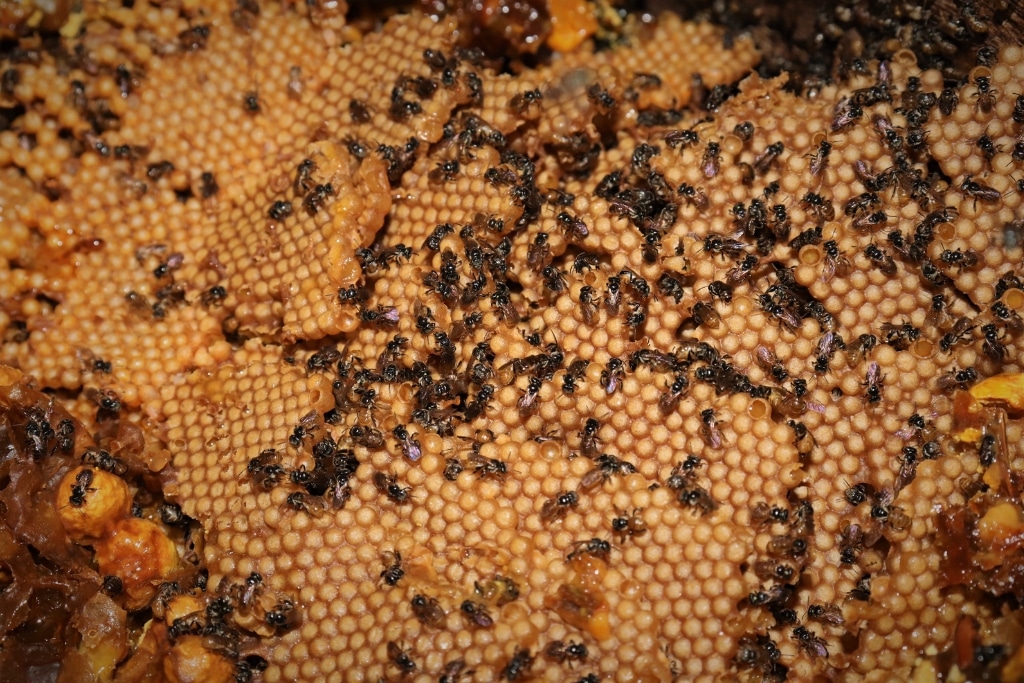
Local stingless bees are a good example. They may produce less honey than their managed cousins, but they can provide valuable pollination services and are generally not vulnerable to the same Varroa mite threat that affects European honeybees. For many farmers, honey is useful. But reliable pollination matters more.
That is why FAO is working with countries and partners on a Global Pollinator Platform. The purpose is to bring scattered efforts together, close research gaps, strengthen monitoring, build capacity and help direct finance where it is needed.
The platform would connect existing work and initiatives, helping governments, scientists, farmers, Indigenous peoples, civil society and the private sector identify gaps, share what works, and scale practices that protect pollinators in farms, forests, grasslands, wetlands and coastal landscapes.
There are few easy substitutes for the services pollinators provide. Once they decline, food production becomes less reliable and the natural systems that protect communities become harder to restore.
A mangrove cannot defend a coastline if it cannot regenerate. A farm growing fruits, vegetables, nuts or seeds cannot stay productive if the pollinators it depends on disappear. And a biodiversity plan cannot succeed if it sidelines the ecological functions that allow nature to reproduce, recover and support human life.
—
About the author: Kaveh Zahedi is Assistant Director-General and Director of the Office of Climate Change, Biodiversity and Environment at the Food and Agriculture Organization of the United Nations
This story is funded by readers like you
Our non-profit newsroom provides climate coverage free of charge and advertising. Your one-off or monthly donations play a crucial role in supporting our operations, expanding our reach, and maintaining our editorial independence.
About EO | Mission Statement | Impact & Reach | Write for us
Free, non-profit and independent environmental journalism.
This story is funded by readers like you
Our non-profit newsroom provides climate coverage free of charge and advertising. Your one-off or monthly donations play a crucial role in supporting our operations, expanding our reach, and maintaining our editorial independence.
About EO | Mission Statement | Impact & Reach | Write for us
Free, non-profit and independent environmental journalism.