

- Communities living around Cambodia’s Tonle Sap are using a combination of natural and technological solutions to help protect the lake and its surrounding forests from fires.
- A community savings initiative funds patrol teams, which respond to satellite alerts and have stopped more than 50 wildfires.
- Local residents are also restoring the forest by growing native trees in community nurseries.
- Threatened wildlife are returning as a result of these efforts: the fishing cat has been spotted for the first time in 10 years in the restoration area.
“When the forest [is] healthy, fish can breed and grow. But if the forest burns, the fish disappear — and that affects the livelihoods of our whole community,” says Luon Chanleng, a fisher from Tonle Sap. “I can’t imagine our life without the forest.”
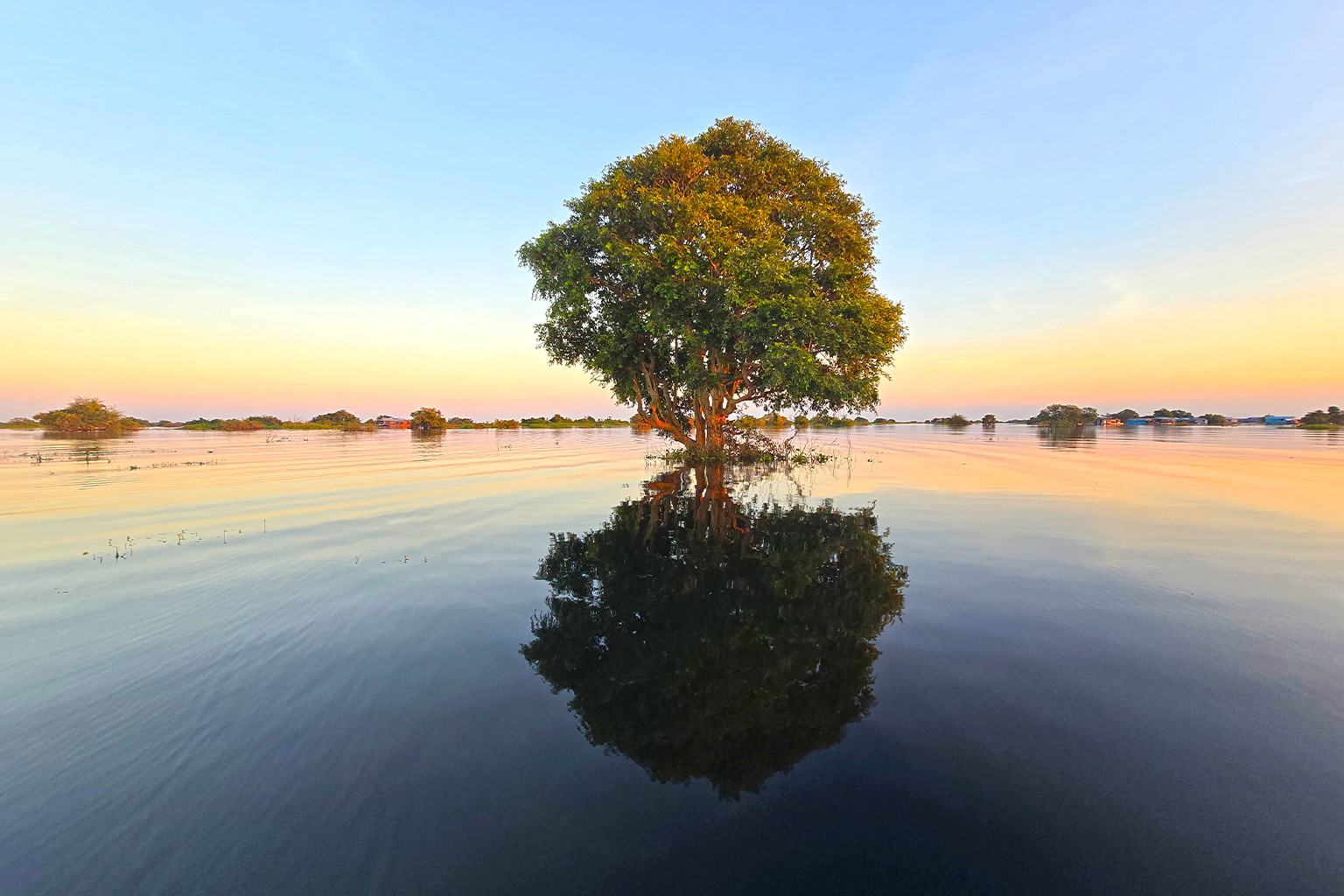
Tonle Sap in Cambodia is the largest freshwater lake in Southeast Asia. Each year, when the dry season sets in from around January to June, the waters of the flooded forest recede, the mangrove roots poke out through the mud, and the flooded forest turns into a tinder box.
More than a million people live around the lake and depend on it for their livelihoods, homes and nutrition. Yet, the freshwater mangroves or “flooded forest” that surround the lake are shrinking. A study by the Wonders of the Mekong project, led by the University of Nevada in the U.S., found that nearly a third of forests in flood plains like the Tonle Sap area were lost between 1993 and 2017.
“It primarily seems to be driven by two activities: One is conversion of flooded forest for agriculture, and then the second is forest fires,” says Zeb Hogan, director of the Wonders of the Mekong project.
Now, the Tonle Sap community is fighting back. Seventy-eight people, including Luon, have trained as community firefighters, and are now using satellite wildfire alerts to help them curb the devastation. According to records kept by U.S.-based NGO Conservation International, which receives the satellite alerts and forwards them to the patrol team, the community firefighters have successfully responded to 50 wildfire alerts over the past three years, protecting around 64,000 hectares (about 158,000 acres) of flooded forest.
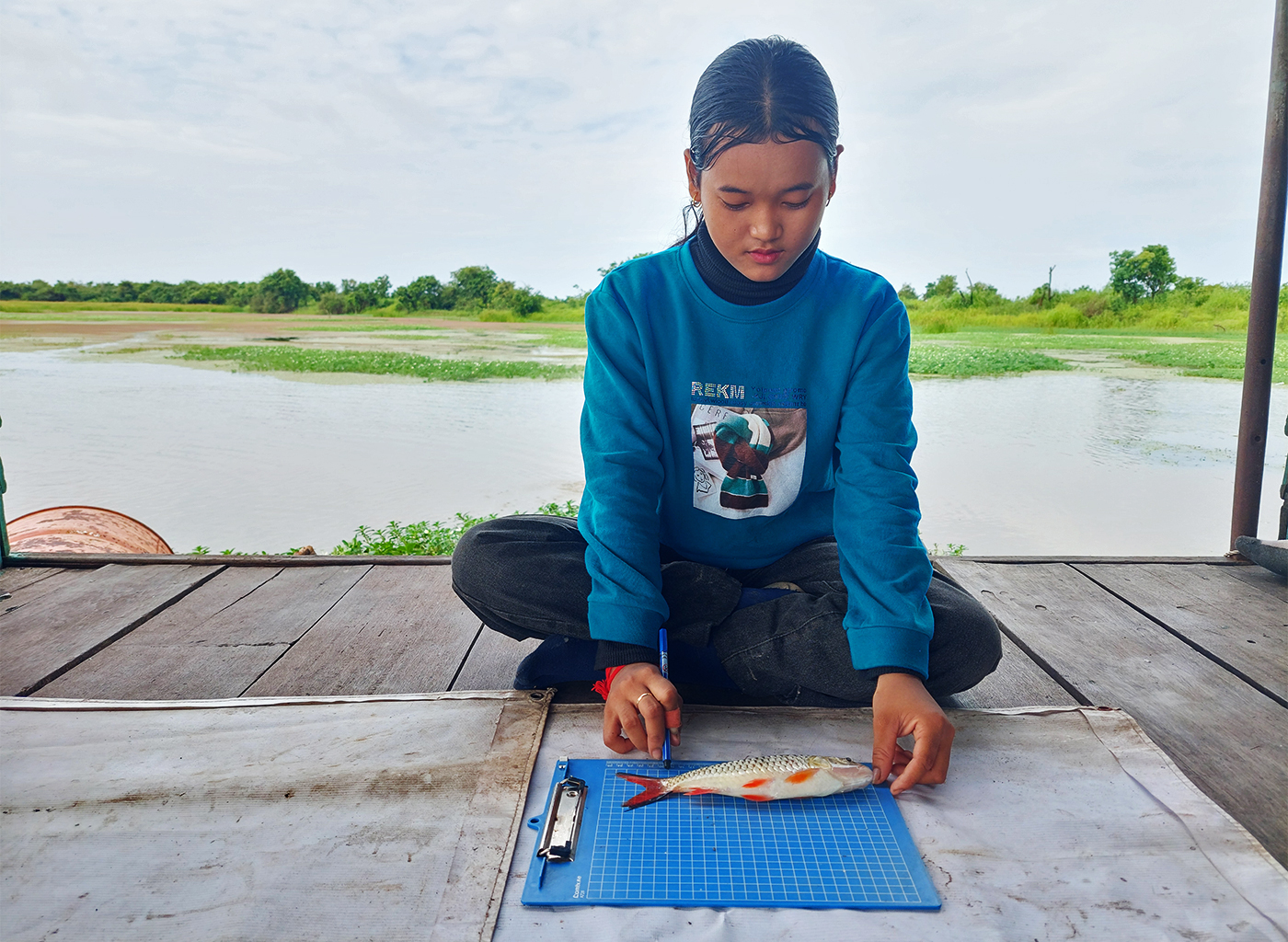
These forests are home to threatened wildlife such as the fishing cat (Prionailurus viverrinus) and hairy-nosed otter (Lutra sumatrana). The waters are also an important breeding and feeding ground for some 300 species of fish.
The Community-Based Fire Management (CBFiM) program not only focuses on fire prevention and firefighting, but also on regrowing parts of the flooded forest that have been lost to wildfires.
Seventeen Tonle Sap communities, local authorities and community fishing organizations have joined together to help save the flooded forest.
Forest and fish
Fishing and the flooded forest are intertwined. For the flooded forest’s inhabitants, the mangroves act as a barrier against the wind and rain. During typhoons, fishermen will take their boats deep into the forest to seek shelter against the storm.
Fires can be started by carelessly discarded cigarettes and campfires left unattended. Farmers who are seeking food for their buffalo will also sometimes burn the land before the rainy season starts to encourage new grass shoots. “[We] understand they do not want to destroy the forest, but they cannot control [the fire],” says Sokrith Heng, senior manager for the Tonle Sap program at Conservation International Cambodia.
The fires don’t just affect the land, but also the water. “In severely burned areas, large amounts of ash are left behind and washed into the water. This can change water quality, making it unsuitable for fish to survive,” Heng says. Those who are found to have destroyed the flooded forest can face up to five years’ imprisonment under Cambodia’s fishery law.
The flooded forest’s natural ability to heal itself is also now being hindered by an invasive plant. Native plants would have once replenished the scorched earth, but Mimosa pigra, a faster-growing invasive shrub-like plant from South America, now colonizes that space. The plant has a short life span, and when it dries it turns to tinder.
Faced with losing the forest, communities started opening community nurseries using seeds gathered from native trees. In gallery forests that they created around the lake, they have now planted close to 270,000 seedlings. These mini seed banks also include threatened floodplain species such as sdey (Crudia zeylanica), roteang (Homalium brevidens), ta ou (Terminalia cambodiana), sandan (Garcinia cochinchinensis) and krabao (Hydnocarpus annamensis).
“These species are important because they grow into large, tall trees that provide critical habitat for many waterbirds and mammal species,” Heng says. “Several of them are also key sources of nectar and pollen, supporting bees and other pollinators. In addition, mature gallery forests help protect against strong winds and storms during the wet season.”
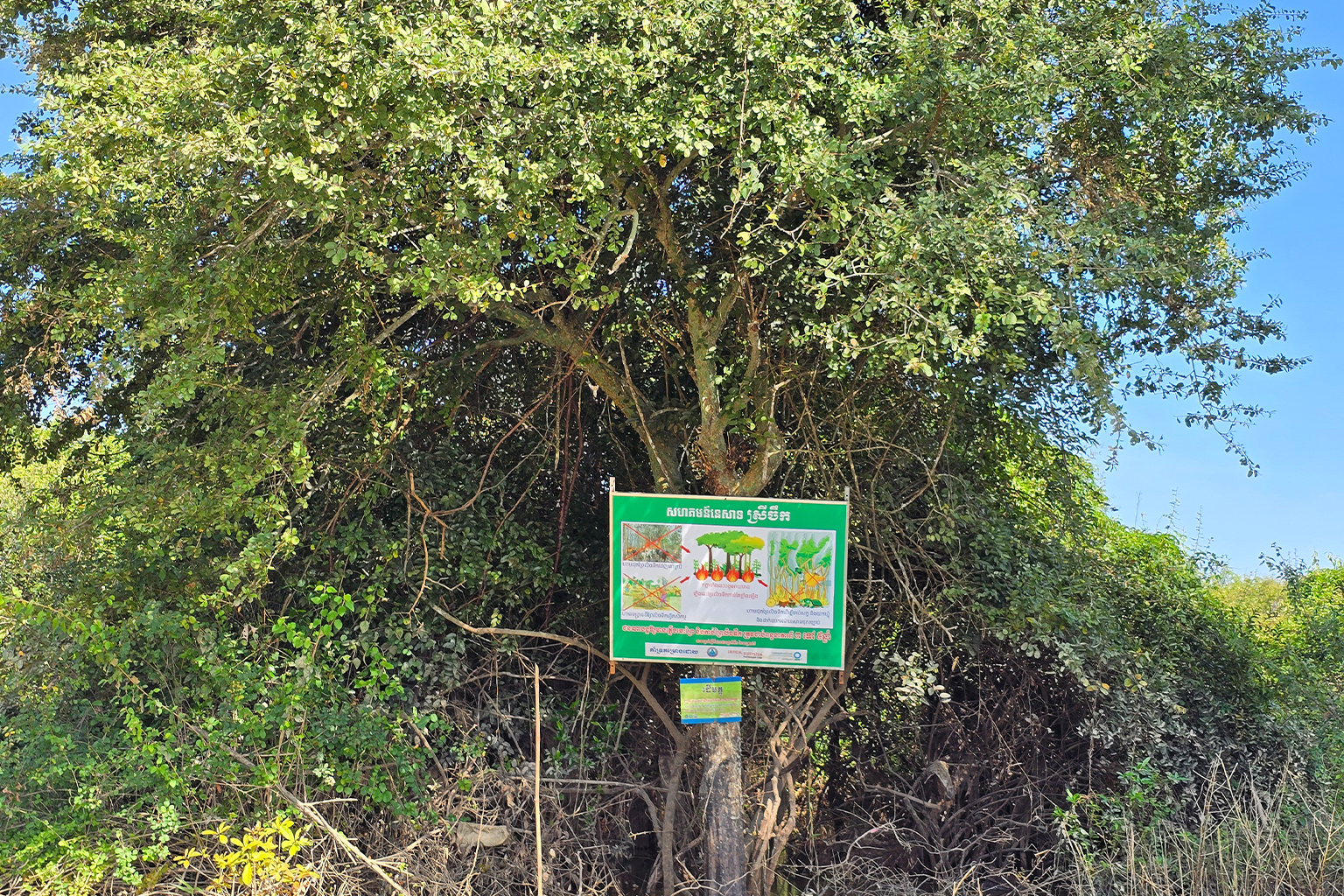
Community members have also taken steps to protect the mature trees in the flooded forest by placing signs onto trees listed on the IUCN Red List, to help raise awareness of the need to protect them.
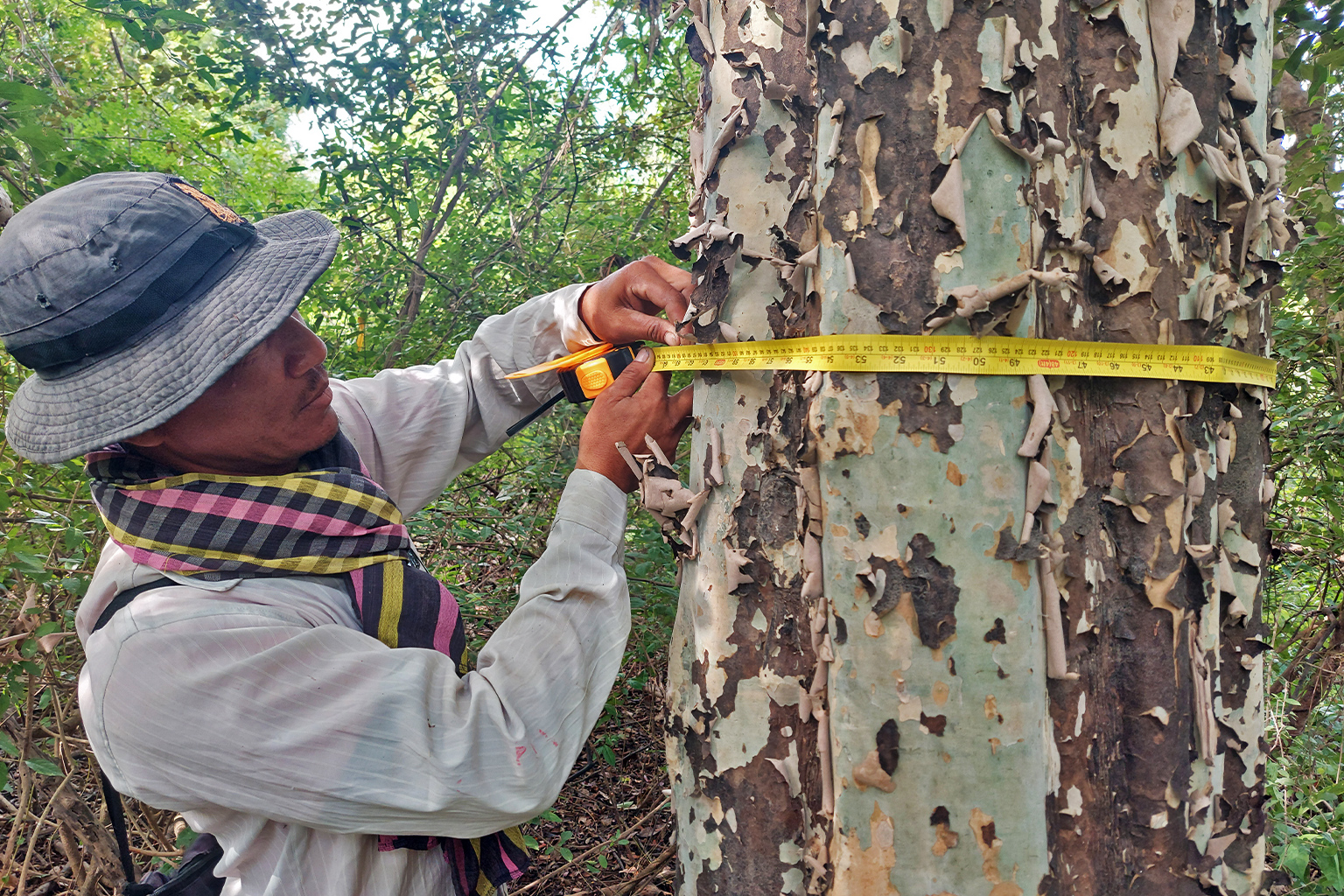
Bruno Bianchini, a Cambodia-based restoration economist who isn’t involved in the project, says this mix of new and mature trees is key: “It should include multiple native species [at] different stages of ecological succession, meaning different phases of recovery and maturity coexisting in the same landscape. This is critical for resilience.”
However, saving the flooded forest is arduous work. With temperatures during the dry season rising to 36° Celsius (97° Fahrenheit), Heng says it’s too hot for people to work outside, and the saplings in the nurseries also suffer.
Hogan, who isn’t part of this project, says any steps they take are worth it. “Obviously, if you can keep the flooded forest intact, that’s even better than reforestation, but once you lose the forest, then you have to do something about it. We’ve seen some fish populations coming back and I think that’s partially a result [of] efforts at reforestation and [a] crack down on illegal fishing.”
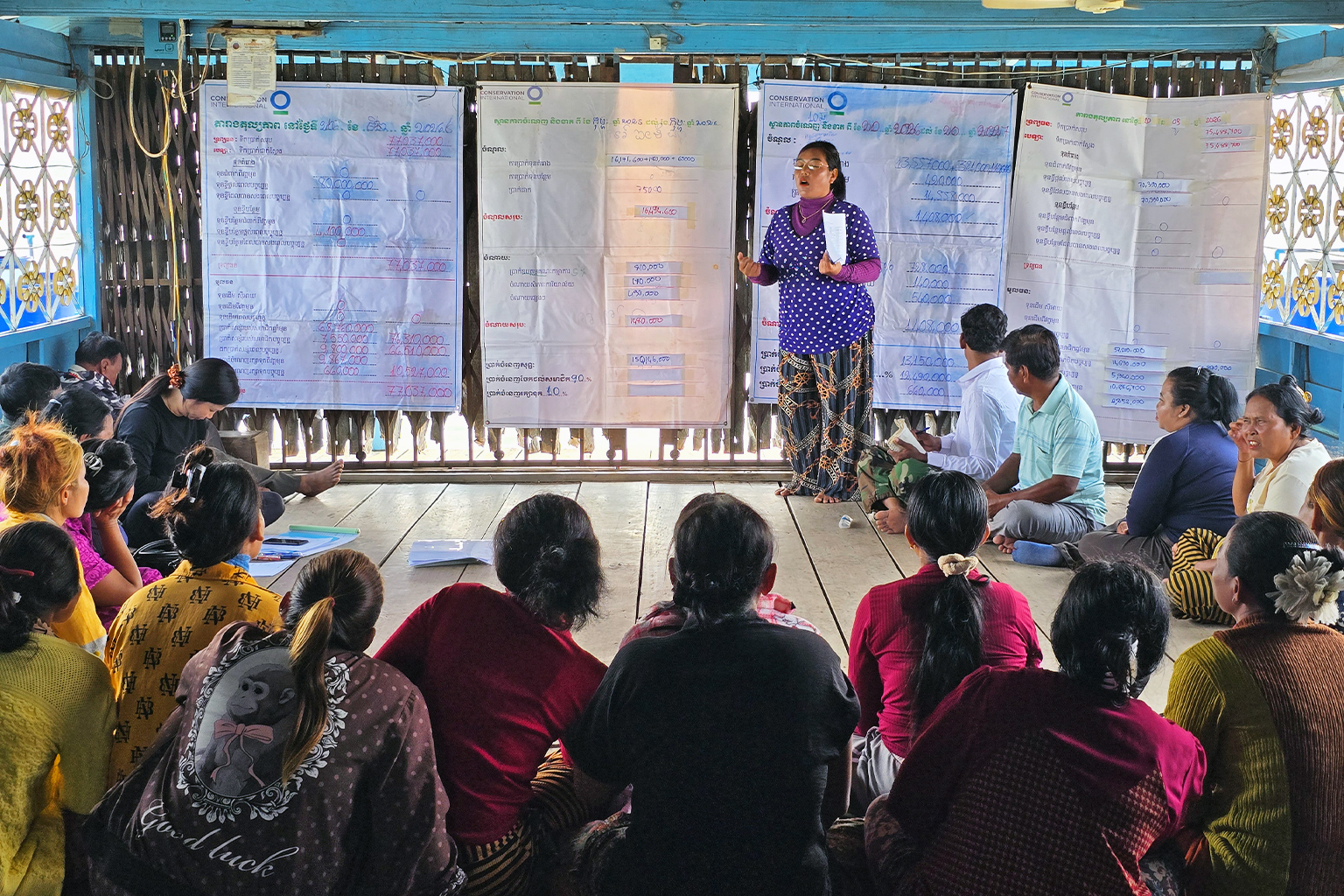
Yet, reforestation is only part of the Tonle Sap community’s approach. Heng says as they planted the saplings, it became very clear that if they didn’t attempt to control the wildfires, their hard work would go to waste. So the community created firefighting community patrol teams funded by community savings groups. These women-led groups were initially given $5,000 in capital by Conservation International, and they use the interest from this community fund to pay for firefighting equipment and promotional material to help raise awareness of wildfires.
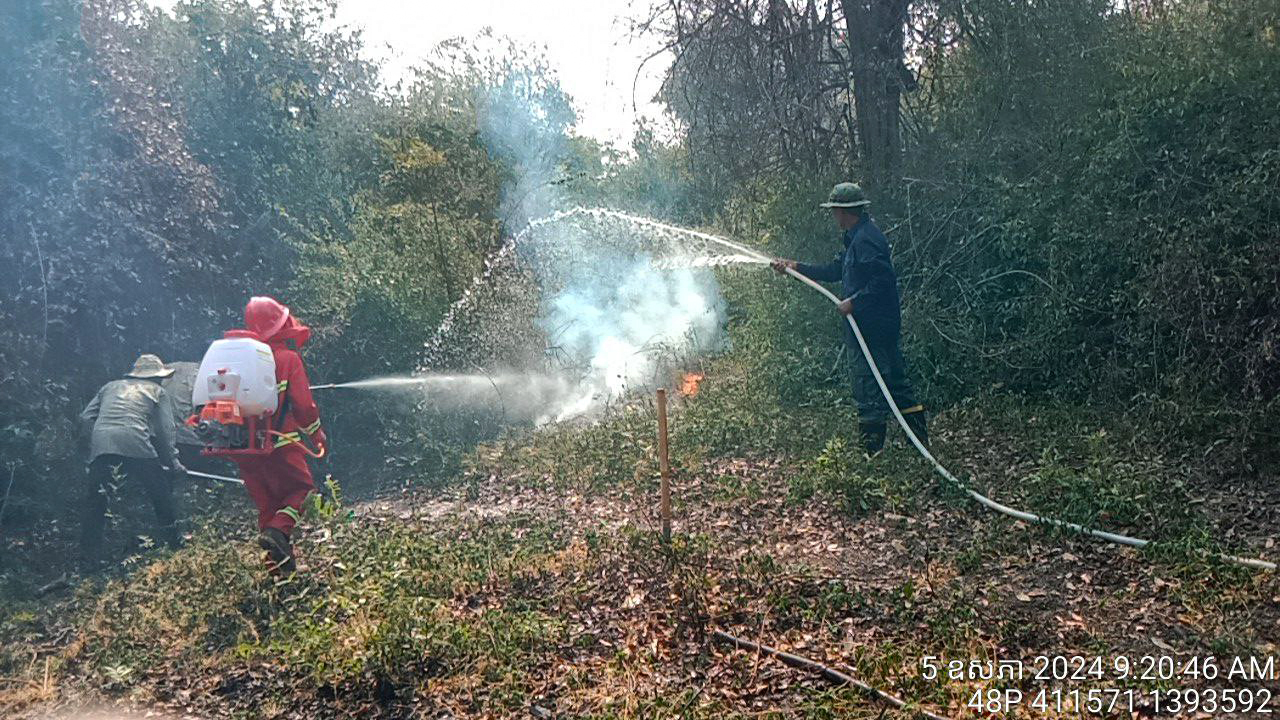
Australian firefighter Joe Tilley, who has fought wildfires in Australia and Canada, volunteered to train the Kampong Prak and Ou Ta Prok fishing communities in Tonle Sap on best practices. Since then, a further 15 communities have joined the program. “Because they’re people of the land, they understood the principles really quickly,” Tilley says. “When we talked about fire behavior being driven by wind or the safest way to approach a fire, [they] understood because of living every day in those conditions. It was simply a matter of showing them the techniques.” Tilley showed them how to kill wildfires using tools such as metal rakes to remove the fuel source around it.
“Before receiving proper firefighting equipment, local people attempted to put out fires by beating the flames with tree branches,” Heng says. “At that time, they did not have appropriate uniforms, equipment, or knowledge of fire safety and precautions, which made firefighting dangerous.”
In January 2022, the community teams took their firefighting to the next level by using OroraTech, a satellite technology that helps them detect fire risks early through satellite alerts. OroraTech identifies the exact location of the fire and sends its coordinates to a central number, which then forwards it to the individual community patrol teams via the messaging app Telegram.
Luon is one of the community firefighters who has experienced the tech firsthand: “The satellite showed the location of a possible fire. We went there quickly and were able to stop it before it spread into the protected flooded forest.”
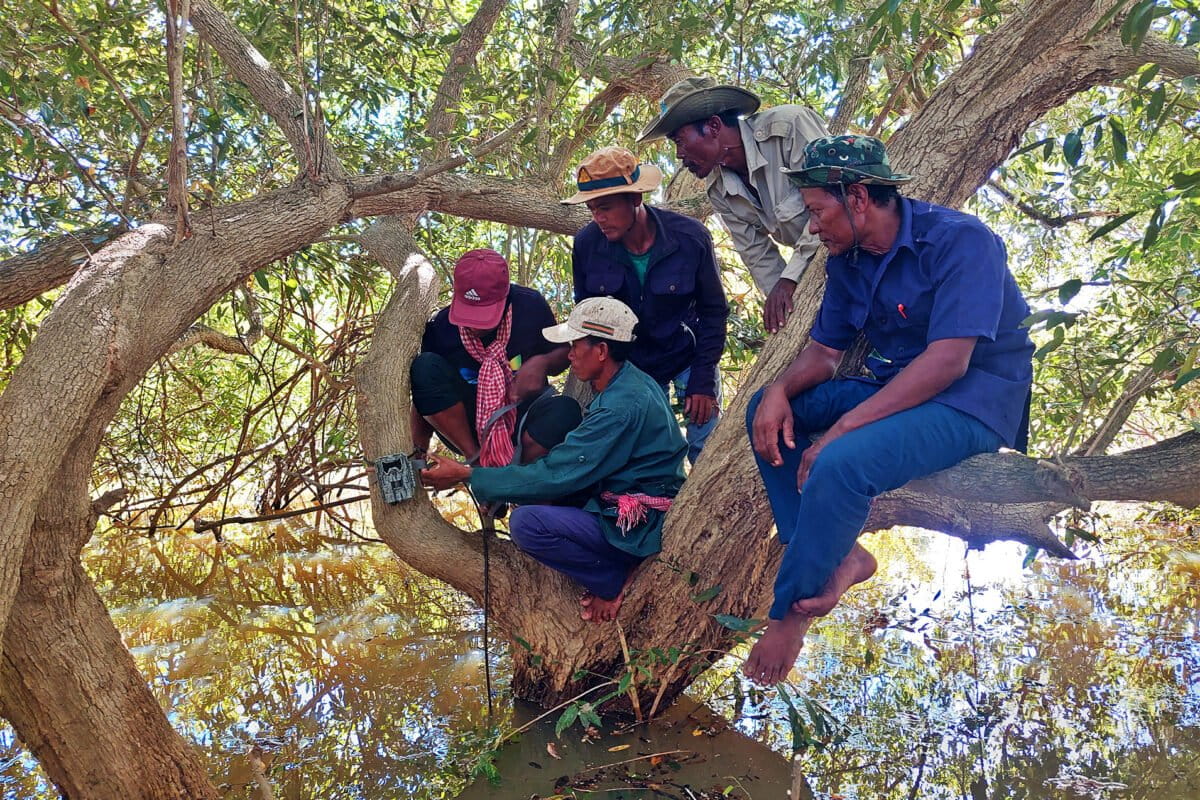
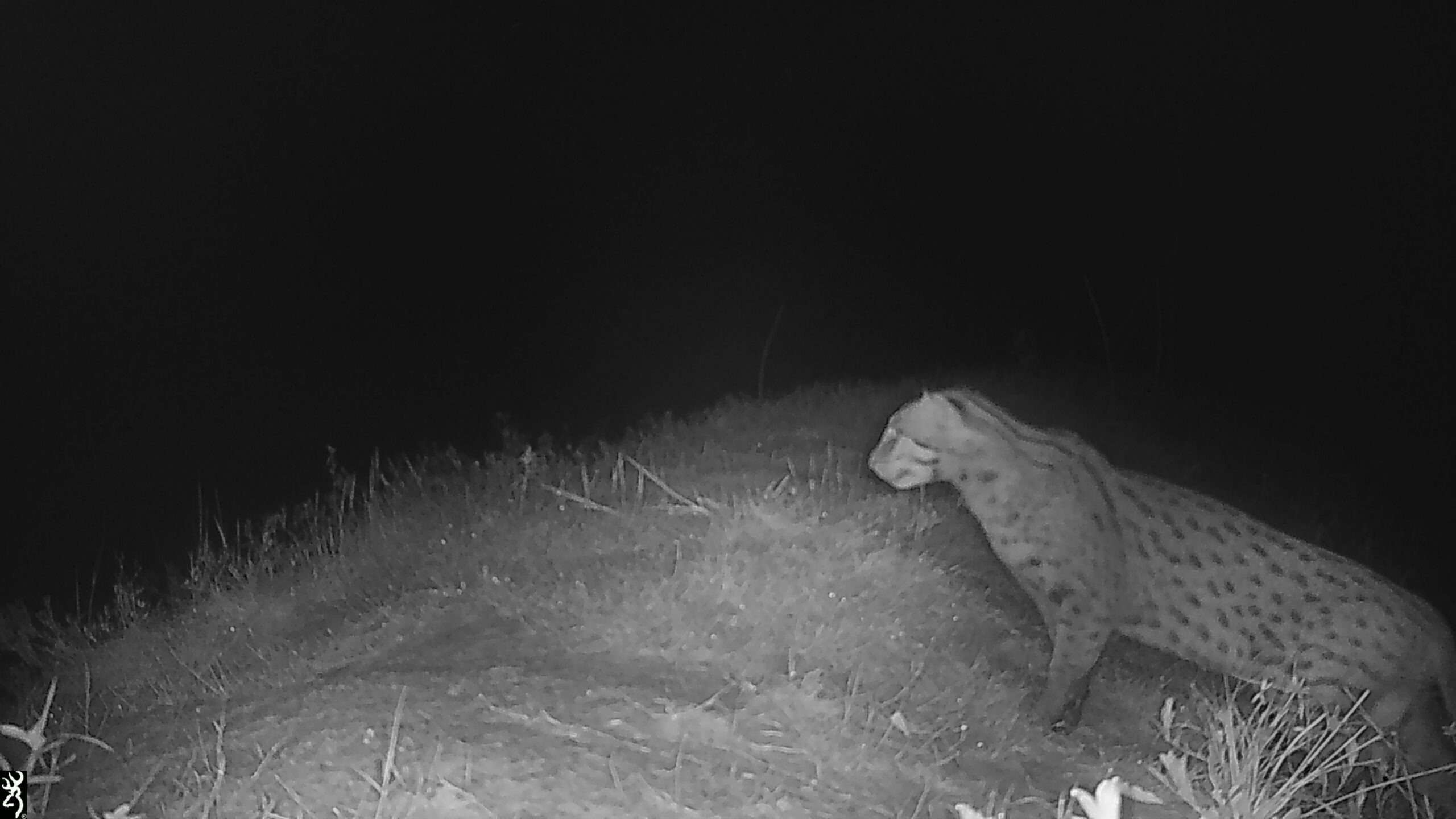
Now, the wildlife has started to return. For the first time in 10 years, the fishing cat, considered vulnerable on the IUCN Red List, has been spotted in the area on an infrared camera trap placed in the flooded forest by the community patrol team. The fishing cat was filmed in Pursat at night walking through the restored area in the forest. This sighting shows that efforts to revitalize the forest are going in the right direction.
“We use satellite alerts, yet it is the communities who make the real difference,” Heng says. “When communities receive timely information and have the skills and equipment to respond, they can stop small fires before they become large-scale forest loss. This combination of technology and local stewardship is essential for protecting Tonle Sap’s flooded forests.”
Banner image: A local guide training Community-Based Fire Management (CBFiM) members with camera trap set up. Image by Dong Tangkor.
Protecting peatlands and mangroves could halve Southeast Asia’s land-use emissions
Citation:
Lohani, S., Dilts, T., Weisberg, P., Null, S., & Hogan, Z. (2020). Rapidly accelerating deforestation in Cambodia’s Mekong River Basin: A comparative analysis of spatial patterns and drivers. Water, 12(8), 2191. doi:10.3390/w12082191
FEEDBACK: Use this form to send a message to the editor responsible for this story. If you want to post a public comment, you can do that at the bottom of the page.
