

- Monitoring of elephants on Mount Elgon, on the Uganda-Kenya border, shows a herd of elephants have crossed over to the Ugandan side, into areas they had largely abandoned since the 1970s.
- The Uganda Wildlife Authority says their return is a positive sign that efforts to restore degraded forest in Mount Elgon National Park is succeeding.
- Residents of Bukwo district, which overlaps with the national park, say elephants destroyed crops in 2025 but UWA rangers have so far prevented this in 2026.
According to monitoring with tracking collars by the Mount Elgon Foundation (MEF), last year at least 60 elephants crossed from Kenya into the Ugandan side of Mount Elgon, a vast volcanic mountain that straddles the border, returning to a part of their natural range where they’ve not been seen for over 40 years.
MEF funds community projects aimed at reducing forest degradation and raising awareness of environmental issues, as well as a team of 18 community scouts on the Kenyan side of the mountain, part of the East African Wild Life Society’s Mount Elgon Elephant Project. MEF’s chair, Chris Powles, told Mongabay that back in 2022, scouts tracked four elephants crossing the Suam river, which marks the border between the two countries.
In an email interview, Powles said a number of factors could explain the elephants’ return, though it’s impossible to say for certain what’s prompted them to reestablish themselves. “[These] include the growth of the elephant population on the Kenya side, the increasing human pressure on the Kenya side, the relative safety for them on the Uganda side as it is all national park (unlike in Kenya),” he wrote.
“And, maybe, the elephants alive from the time when others of them were killed in Uganda have now died naturally and so their memory of what happened in Uganda may have passed.”
In the late 1970s and 80s, elephants in Uganda and other parts of East Africa were aggressively hunted by ivory traffickers — including by combatants in Uganda’s civil war.
Caroline Asiimwe, responsible for research and ecological monitoring at the Uganda Wildlife Authority, said the elephant crossings from Kenya back into Mount Elgon on the Uganda side is a sign of species recovery.
“Mount Elgon used to historically host elephants, but then they disappeared when the habitat was degraded, but with the restoration progress that Uganda Wildlife Authority is making, we have seen elephants return,” Asiimwe told Mongabay.
“Using our drone technology, we saw a herd of elephants coming back, and since November, they have not returned to Kenya.”
Mount Elgon National Park’s montane forests are home to more than 300 bird species, including the endangered lammergeyer (Gypaetus barbatus), and to mammals including leopards, oribi (Ourebia ourebi) and elephants. On both sides of the border, the mountain is a UNESCO Biosphere Reserve, but Asiimwe said communities living in Bukwo and other districts around the mountain had severely degraded large areas, causing elephants to move to neighboring Kenya.
“Until these communities were removed, and we tried to restore the habitat, then we are seeing the elephants coming back,” Asiimwe said.
Mount Elgon is an important catchment area for water, and the UWA official told Mongabay the authority has been working to restore degraded forest. “The park is regenerating on its own, although UWA is growing some trees,” Samuel Ngirio, a community elder from Saptet village in Bukwo district, told Mongabay. “We now have artificial [non-native] trees, cyprus and eucalyptus, and the elephants are now entering regenerated areas.”
People living near the park have cautiously welcomed the return of elephants. “The surrounding communities accepted the return and presence of the elephants , it’s generally a mix of pride, economic optimism, significant anxiety regarding safety and livelihood losses, but [the communities] urge authorities to implement protective measures such as electric fencing, trenches and better compensation for losses for crops and livelihoods,” said Araptison Moses Malinga. He is chairperson of the Leaders Conservation Peace Initiative, a community organization composed of community elders created to foster dialogue and reduce tensions between the community and UWA.
Ngirio told Mongabay that in 2025, elephants did substantial damage to maize and banana plantations in the area. “My house is very near the national park,” he said. “The fields of my immediate neigbours, Julius Musobo and his brother Ben Cheptegei, were affected.”
He said residents have asked the Uganda Wildlife Authority for compensation. He also added that UWA personnel posted to the area have successfully scared elephants away from farmers’ fields this year.

UWA’s Asiimwe told Mongabay that the wildlife authority plans to train communities to grow crops that are less palatable to elephants as a way to reduce potential conflict.
She also said the presence of elephants could boost tourism in Bukwo district.
“Elephants are among the biggest attractions for wildlife tourism and could generate revenue, create jobs such as tour guides and rangers and support conservation funding,” Malinga said.
UWA’s executive director, James Musinguzi, said efforts are already underway to ensure coexistence between people and wildlife, which include restoring habitats, creating wildlife corridors to allow safe elephant movement and involving communities in conservation and eco-tourism initiatives.
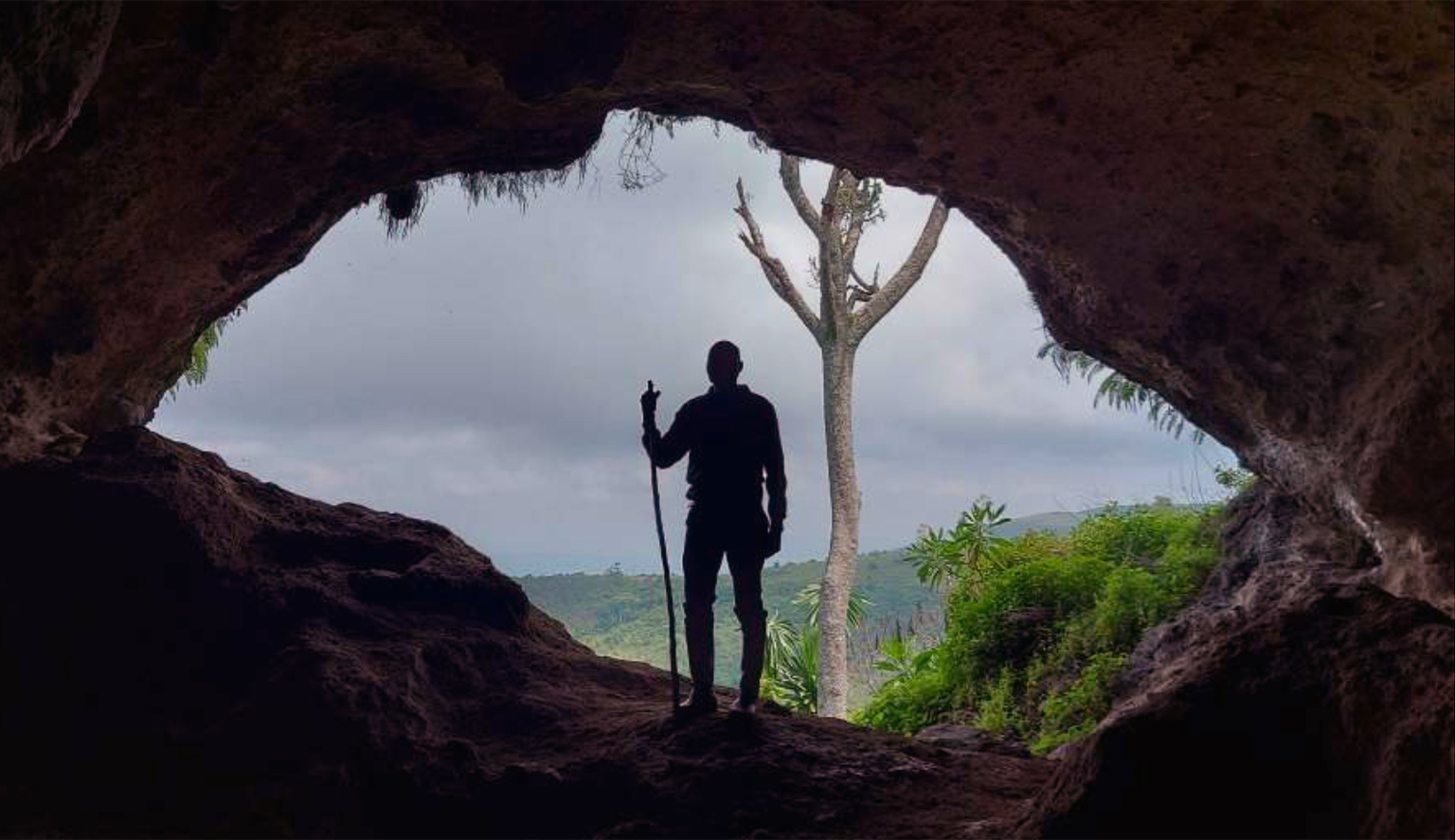
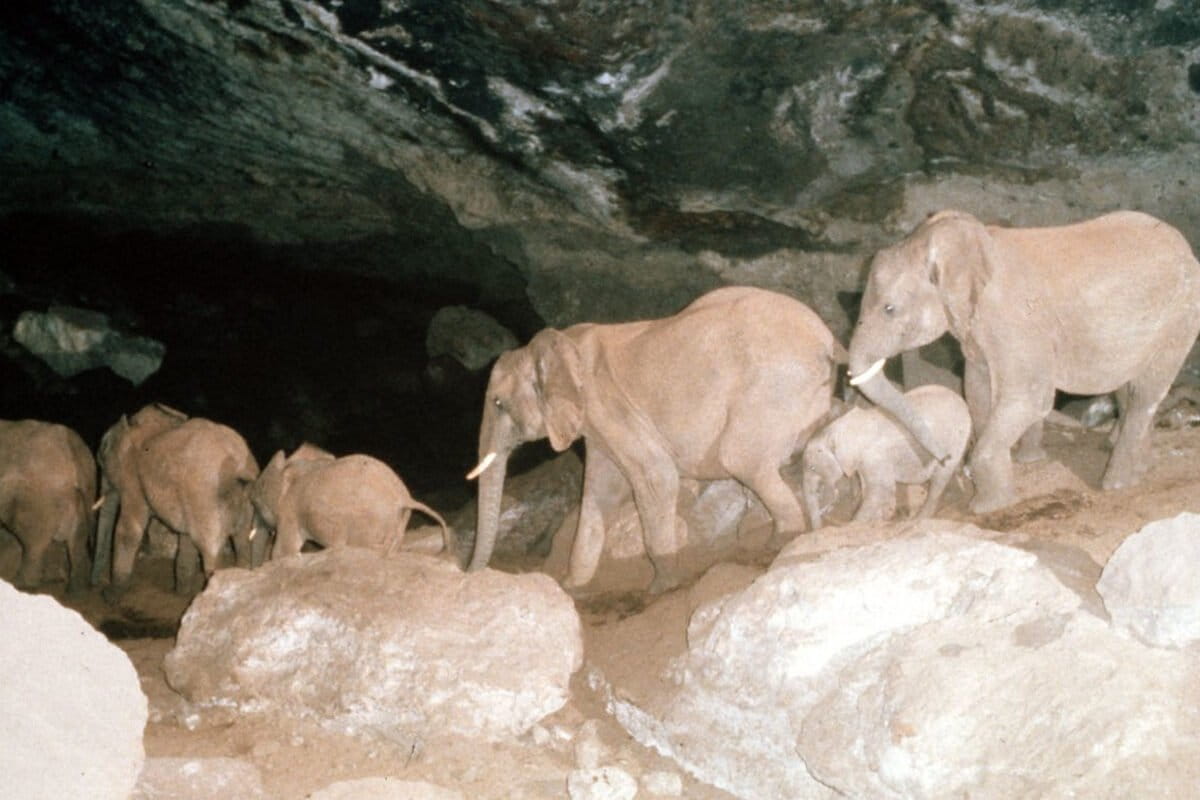
The elephants on Mount Elgon are known to enter caves in search of sodium-rich material, carving the caves’ walls into distinctive curved shapes. In February, MEF’s Powles visited the Ugandan side of the mountain, and found old tusking marks and the same distinctive shapes. Locals also shared stories of how elephants had used caves here in the past.
As elephants reclaim their historic range on Mount Elgon, the challenge now lies in balancing conservation success with the safety and livelihoods of the communities living alongside them.
Meanwhile, residents like Malinga are urging authorities to introduce stronger measures to keep elephants out of their fields, including electric fencing, trenches and improved compensation for crop and property damage.
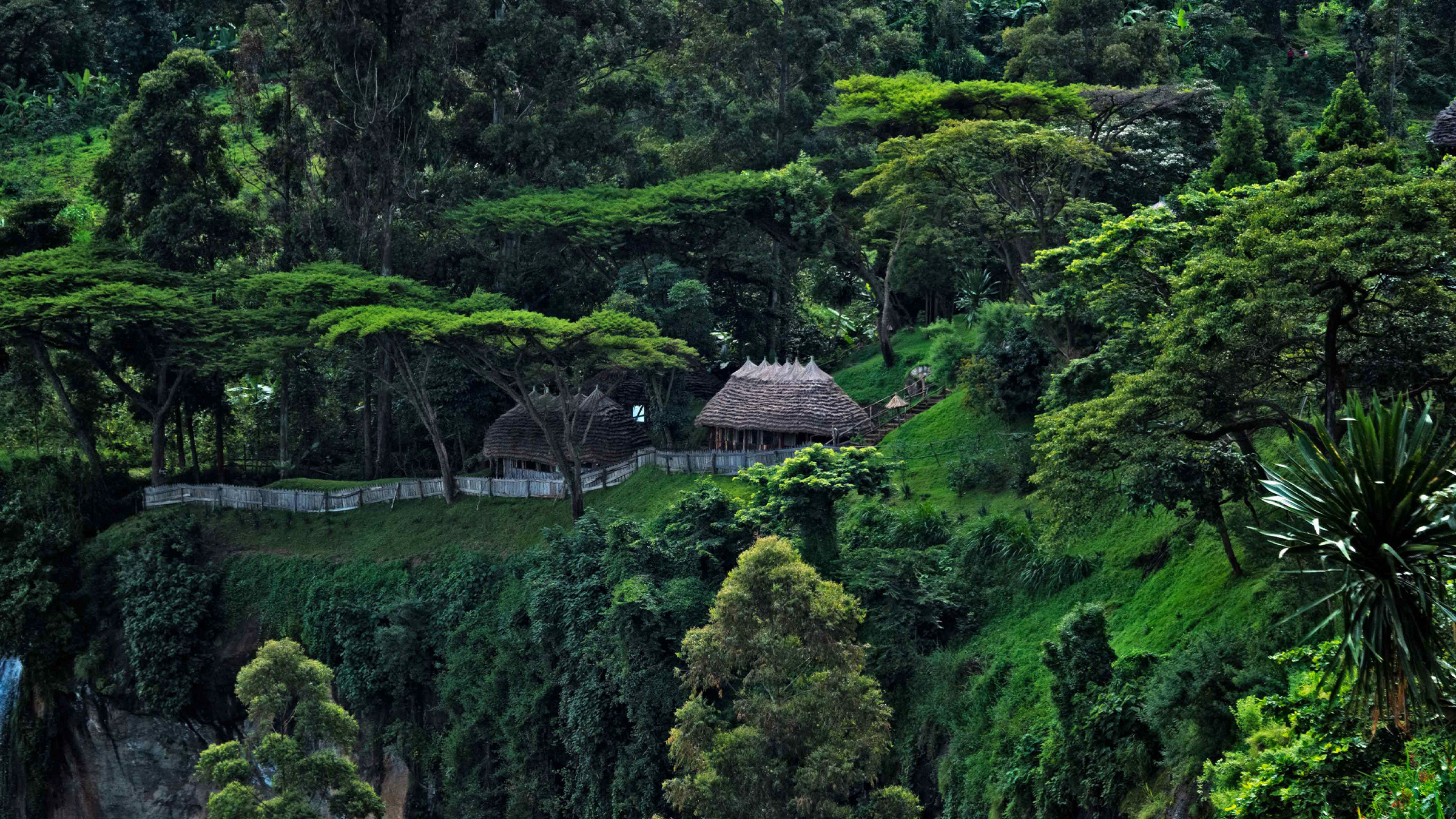
Banner image: Mount Elgon, Uganda. Image by Rod Waddington via Flickr (CC BY-SA 2.0).
As elephants return in eastern Zambia, communities adapt to coexistence
Feedback: Use this form to send a message to the author of this post. If you want to post a public comment, you can do that at the bottom of the page.
