

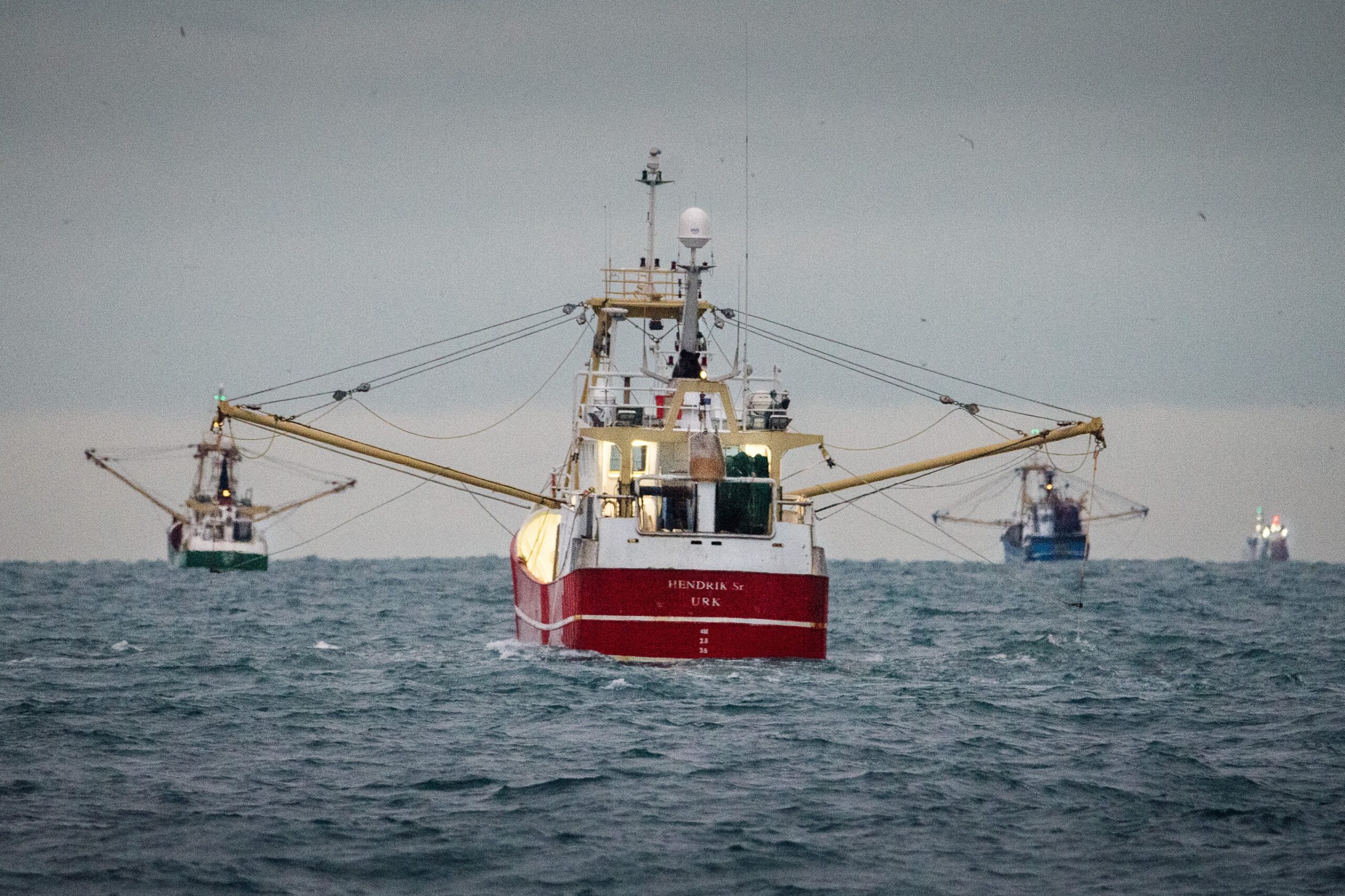
Europe’s fishing industry makes around 180 million euros ($210 million) every year in profits from bottom trawling, which involves dragging heavy fishing gear along seabeds. But a new study found when climate costs associated with the practice are calculated, society is paying a price up to 90 times higher than the fishing industry profits.
“Bottom trawl gear scrapes up the seafloor, releasing carbon that’s been stored in the ocean seabed for centuries,” lead author Katherine Millage, a marine researcher for National Geographic Pristine Seas, wrote in a statement.
That carbon release contributes to expensive climate impacts like reduced agriculture productivity and problems for human health. The cost calculations vary but are between 43 euros ($50) per metric ton of emissions on the low end and 161 euros ($188) on the high end.
“Even when we use a very conservative estimate of the social cost per metric ton of emitted CO₂, society is left bearing a heavy economic burden,” Millage said.
The CO2 emissions from disturbing the sediment cost between 4.87 billion euros and 18 billion euros ($5.7 billion to $21 billion) a year, the study found
However, bottom trawl and dredge fisheries do provide more than a quarter of global wild-caught fish and shellfish. The study calculated that economic benefit along with secondary benefits such as employment. Still, the net cost of bottom trawling adds up to between 2 billion euros and 16 billion euros ($2.3 billion and $19 billion) per year for Europeans.
Globally, bottom trawling catches around 3,000 marine fish species, including 237 threatened or endangered species.
Centuries of bottom trawling in Europe has caused widespread and sustained damage to the seafloor ecosystem. Though historical records describe rich ecosystems on Europe’s seabeds, there are none surviving today that meet the old descriptions.
Many European countries allow bottom trawling even in marine protected areas. In fact, the study found that more time was spent bottom trawling inside marine protected areas than in nearby unprotected areas.
According to their models, net benefits to society, such as the provision of protein and employment, would be maximized under a scenario where bottom trawling efforts were cut by at least half. European governments currently spend more than one billion euros ($1.2 billion) a year supporting bottom trawling, namely to secure food and jobs.
“Small-scale fishers in Europe … prove every single day that we can feed communities by catching fish sustainably — without disturbing spawning grounds or kicking up carbon,” Jerry Percy, the executive director of Low Impact Fishers of Europe who was not involved in the study, wrote in a statement.
Banner image: Bottom trawling fishing boats in Flanders Banks conservation area in France. Image © Lorraine Turci/Greenpeace.