
On April 13, 2026, TotalEnergies EP Congo announced it had discovered hydrocarbons on the Moho permit, offshore of the Republic of Congo. The company estimates the find could amount to nearly 100 million barrels of recoverable resources, though observers warn that the windfall won’t likely reach many Congolese citizens, roughly a third of whom live below the poverty line.
Many African countries rely on foreign oil and are struggling amid the war in Iran and blockage of the Strait of Hormuz. “The continent is facing a fuel energy crisis,” said Amos Wemanya, senior adviser on renewable energy and just transition at Power Shift Africa. “The fossil fuel industry is making windfall profits while people are suffering. This oil being discovered in the Republic of Congo, whose oil is it? Is it for the people of Congo or for multinational corporations?” he asked during a phone interview with Mongabay.
Congo’s national oil company, the National Petroleum Company of the Congo has a 15% stake in the recent find.
The Republic of the Congo is Africa’s third-largest oil exporter but it’s hard to pinpoint how much oil is actually produced. According to a World Bank report, it appears that Congolese oil companies underreport and undervalue their exports to reduce their tax bills. Meanwhile, more than half the population of Congo lives on less than $2 a day. Corruption and governance challenges have also contributed to the disconnect between industry profits and local poverty.
In a press release, TotalEnergies welcomed the discovery. “This new discovery on the Moho license benefits from its proximity to existing production infrastructure, enabling a short-cycle, low-cost development,” said Nicola Mavilla, TotalEnergies’ senior vice-president of exploration. “By leveraging our technical expertise and existing infrastructure, we are creating the conditions for future value-generating production for the Company.”
Since the United States and Isreal attacked Iran on Feb. 28, Iran has blocked the passage of vessels through the Strait of Hormuz, a critical chokepoint through which roughly a quarter of the world’s seaborne oil passed each day prior to the war. Nearly 20% of global liquified natural gas and roughly one-third of global fertilizer also once passed through the waterway. Following the closure of the strait, speculation in oil markets drove up prices in many countries.
“Many African countries depend on imported energy. Since the beginning of the crisis, prices for petroleum products have increased. This is affecting transport, food and the overall cost of living,” Wemanya said.
He said even oil-producing countries in Africa are struggling because they don’t refine oil to a usable state domestically.
“Most of the oil produced in African countries is not for African people, it is for export,” he said, adding, “We need to build energy sovereignty. We need to invest in energy systems that meet our needs [including] clean cooking, powering industries [and] agriculture that ensures food availability.”
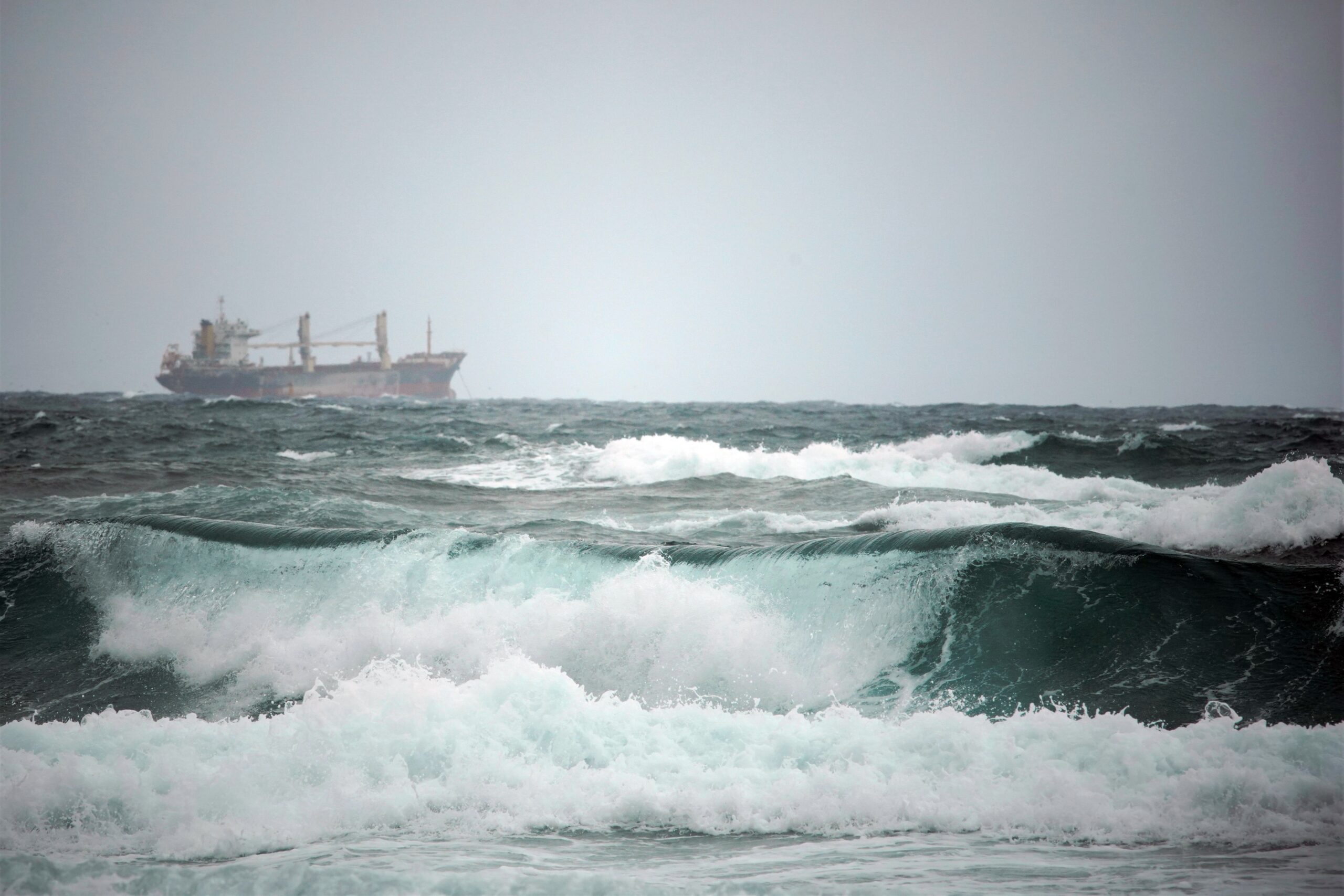
Banner image: Vessel near the coast. Image by ajs1980518 via Pixabay.