

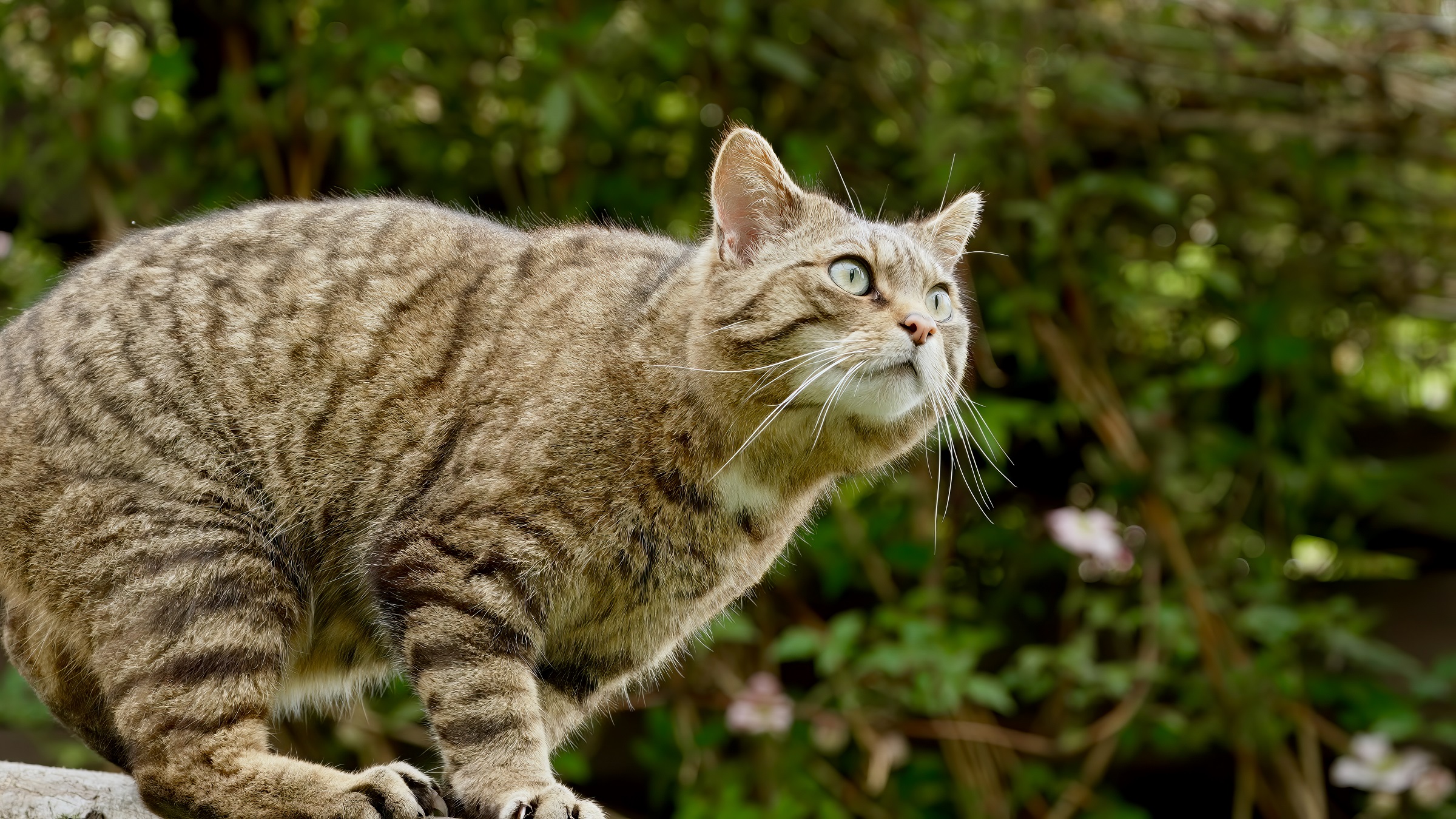
- European wildcats are making a comeback in the Czech Republic, where they’re critically endangered. Conservationists found evidence of this species breeding in the Lusatian Mountains.
- Though these wildcats, similar in size to large domestic cats, aren’t at risk range-wide, some populations face local extinction.
- Experts note that positive recovery in Central European countries is countered by declines and a lack of basic population data elsewhere.
A quiet comeback story is unfolding for the European wildcat in the Czech Republic’s Lusatian Mountains. Conservationists tracking this elusive species there have spotted a male and female, named Jonáš and Tonka, the first to be found in the region in nearly a century.
This small cat species lives in forests across Europe. It’s doing relatively well in some places and is imperiled in others, like the Czech Republic, where it’s critically endangered. The European wildcat (Felis silvestris), which is around the size of a large housecat, was wiped out because of disappearing habitat — and persecution. They were considered vermin and killed because they preyed on poultry and they were hunted for sport. More recently, they’re sometimes hybridizing, breeding with domestic cats.
Numbers are spotty across parts of their range, so overall population numbers and trends, whether they’re rebounding or declining, is currently unknown. That’s a challenge shared by many of the world’s 30-plus small wildcat species that are often overlooked by research and funding.
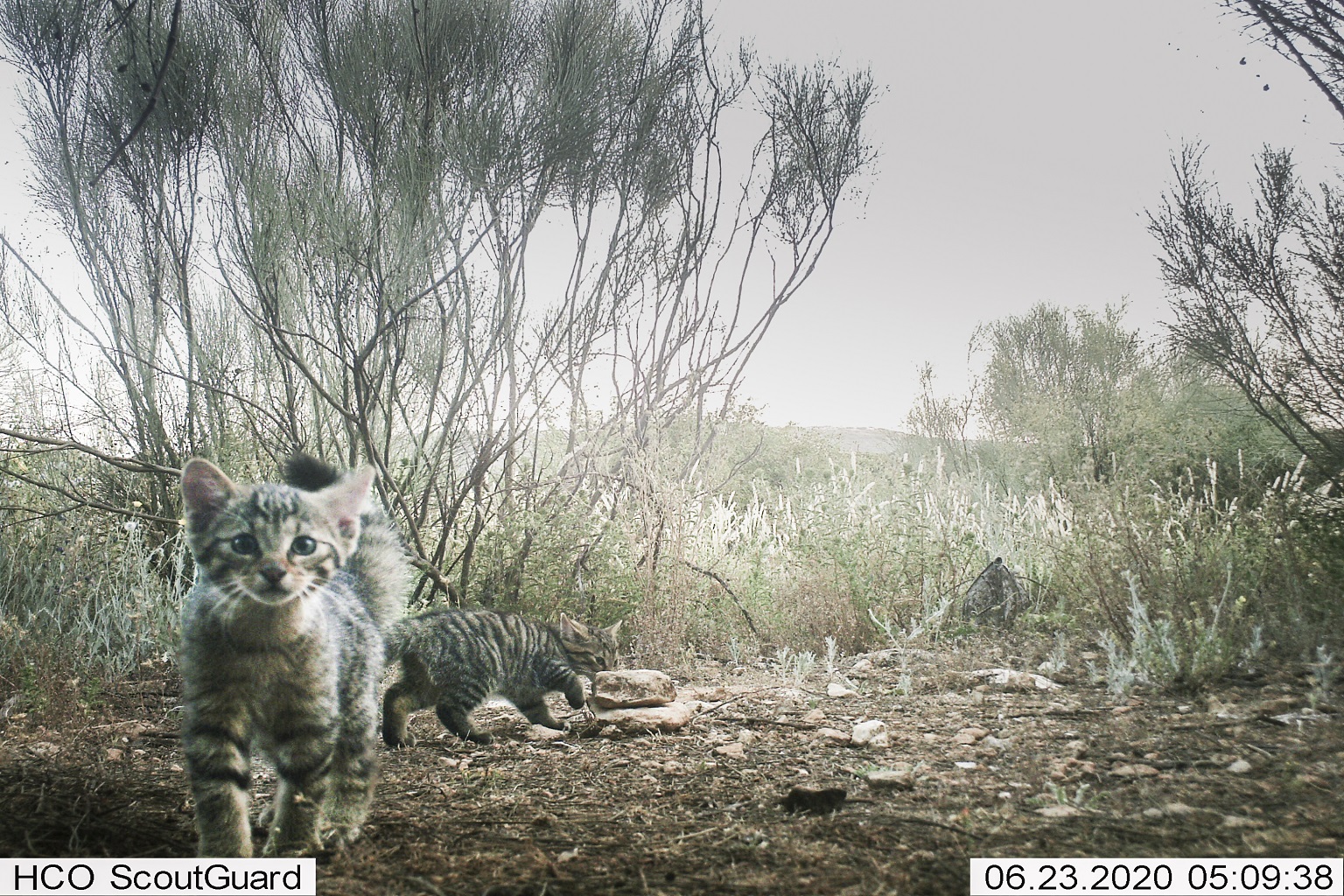
But they are hanging on in the Czech Republic. Earlier this year, Tonka gave birth to at least three kittens, offering hope that a slow wildcat recovery may be underway.
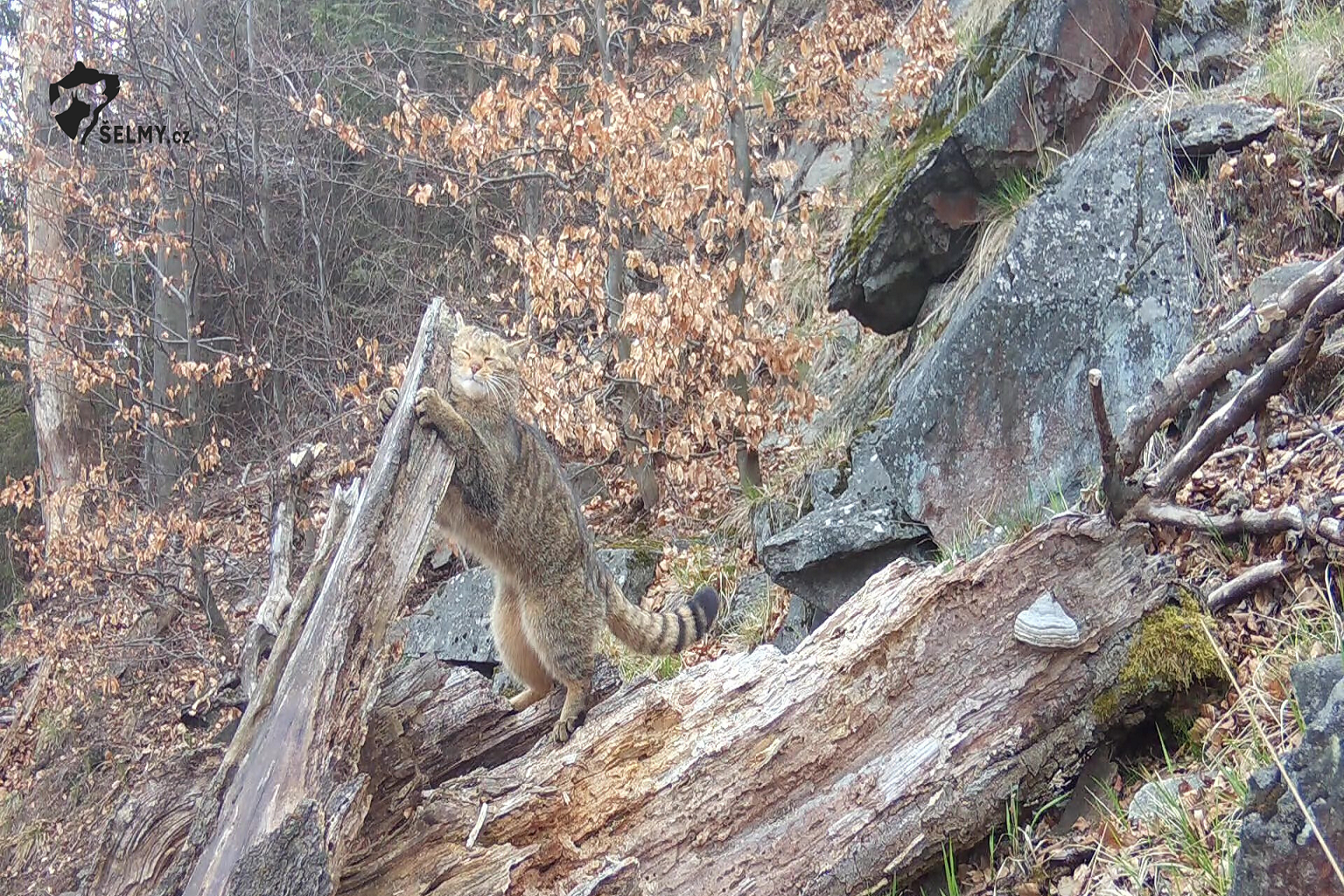
Conservationists set up “hair traps,” wooden posts smeared with a lure that attracts the wildcats, then analyzed DNA from fur they left behind when they rubbed on them to mark their territory, as cats do.
Genetically confirmed records of wildcat births are “exceedingly rare” in the country, said Kristýna Chroboková, field coordinator with the conservation NGO Hnutí DUHA Šelmy (Friends of the Earth Carnivore Conservation Program). That’s because wildcat monitoring is inherently demanding and highly specialized,” she said, which is why “confirmed records of reproduction are so exceptional.
A wildcat leaving a soft release enclosure in Scotland, as part of an ongoing reintroduction project in the Cairngorm National Park. Video courtesy of RZSS/ Saving wildcats.
“Equally noteworthy is the fact that Jonáš has been genetically verified as a pure wildcat — a finding that is far from guaranteed in a landscape with high domestic cat density,” she said.
This new litter shows that this natural forest area remains suitable for the species.
Wildcats are also returning to forests in other parts of the country, albeit in low numbers. “This is pure natural dispersal, not assisted by humans,” said Martin Duľa, a researcher at Mendel University in Brno. Yet its situation remains precarious and “it’s still an elusive species and very rare,” he said.
Comeback stories like that of Jonáš and Tonka are playing out elsewhere, with positive signs of recovery in some locations in Central Europe. But the risk of localized extinctions continues in other places. Against this backdrop, experts are calling for greater conservation attention for Europe’s oft-forgotten small cat.
A patchwork of recovery and extinction risk
European wildcat populations live across the European continent from Spain’s Iberian Peninsula through central and southern Europe to Türkiye. Its threat level overall ranks as “least concern,” according to the IUCN Red List. But the conservation picture varies widely across its range, exemplified by the Czech population’s perilous state.
In Germany and France, wildcats have moved back into historically occupied areas and are recovering. That’s aided by better-protected habitat and conservation measures that have greatly reduced hunting pressure and increased available food, Duľa said. The European wildcat’s prey varies across their range, but generally consists of rodents and rabbits.
There’s also progress in Italy, where the species was downlisted from near threatened to least concern in the most recent national Red List assessment in 2022. While that’s a positive sign, the population is fragmented, broken up into four main groups across the country, according to Lorenzo Lazzeri, a behavioral ecologist at the University of Siena. Without the ability to share genes, animals interbreed and may succumb to inherited diseases or become immunocompromised.
Even though the European wildcat isn’t in danger of extinction globally, it’s important to zoom in and look at its conservation at national and regional levels, especially where populations are reported to be in decline, Lazzeri said.
Protections have helped stave off further declines and possible localized extinctions, according to the IUCN’s Green List European wildcat assessment, published in 2025 , this list tracks species’ recovery. But it also notes that intensified actions could bring significant rebounds across the cat’s range.
A wildcat passes a camera trap in in Scotland’s Cairngorm National Park. Video courtesy of RZSS/ Saving wildcats.
European wildcats in Scotland are the most endangered. Extinction looms: The species was declared functionally extinct in the wild in 2018. However, there’s hope: More than 30 zoos, wildlife parks and private collections have teamed up in a captive breeding program that has released about 40 wildcats into the Scottish Highlands in Cairngorms National Park in recent years.
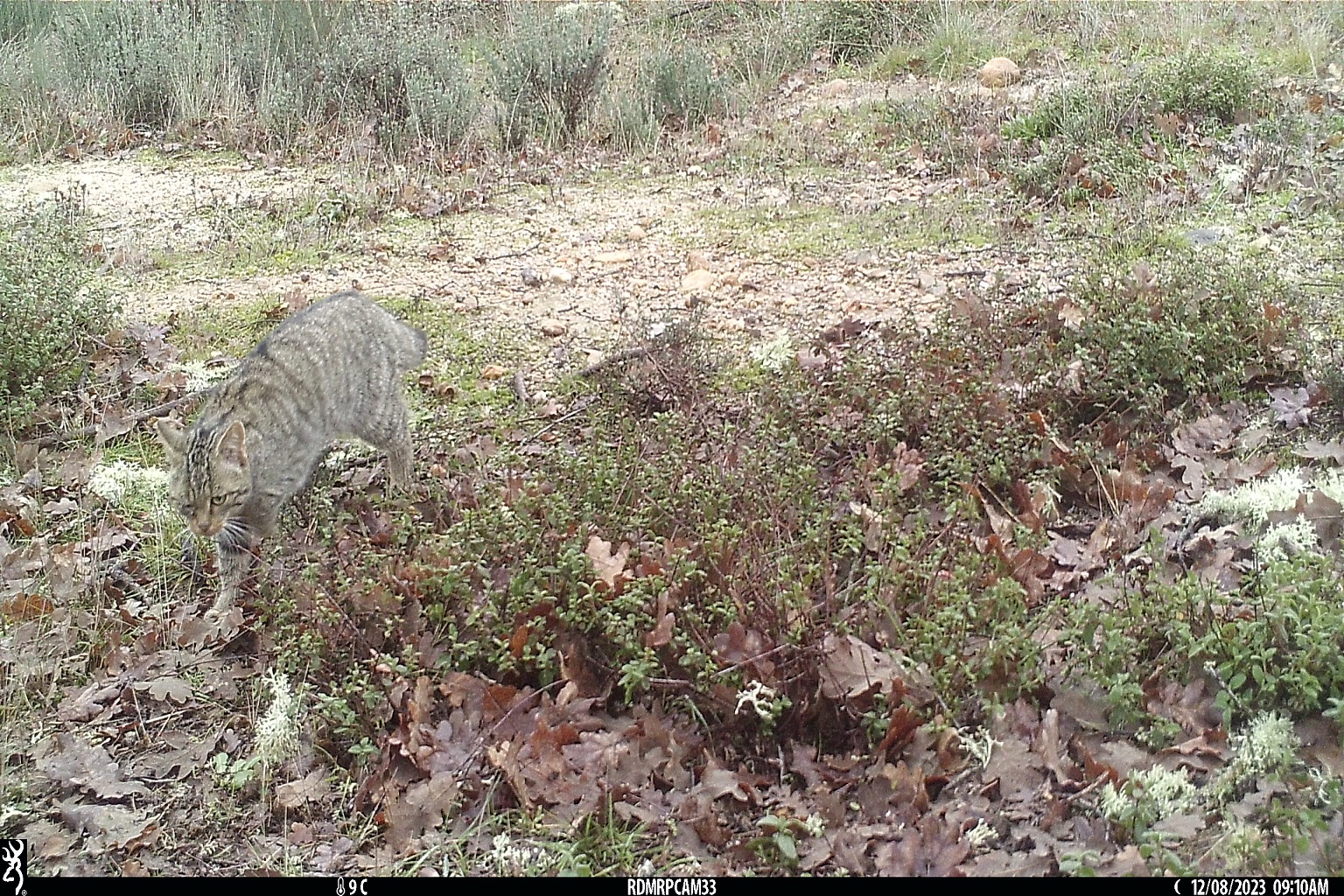
European wildcats living on the Iberian Peninsula are also in great danger. Portugal’s population is estimated at around 100 and slipping downward, potentially on Scotland’s trajectory, according to Pedro Ribeiro, a biologist with Rewilding Portugal, who said, “The wildcat is … becoming functionally extinct in Portugal.”
The situation is also troubling in neighboring Spain. Though not officially recognized on the threatened species list there, experts say the population in the south, which is genetically distinct from the Central European cats, likely warrants vulnerable or endangered status, according to Mariola Sánchez-Cerdá, a biologist at the University of Granada.
What this tale of recovery and decline highlights is the need for concerted protections range-wide, experts say. “We need to be more aware of some of the risks to wildcats, and ready to implement more conservation actions,” said David Barclay, who serves as an ex situ conservation manager with the Scottish nonprofit Saving Wildcats.
A tale of hybrids and human pressure
Small cats across the globe face a multitude of threats, and Europe’s wildcats are no different. Much of their historic decline came as human development engulfed their former habitat, and they were targeted by hunters, leaving scattered, disparate populations.
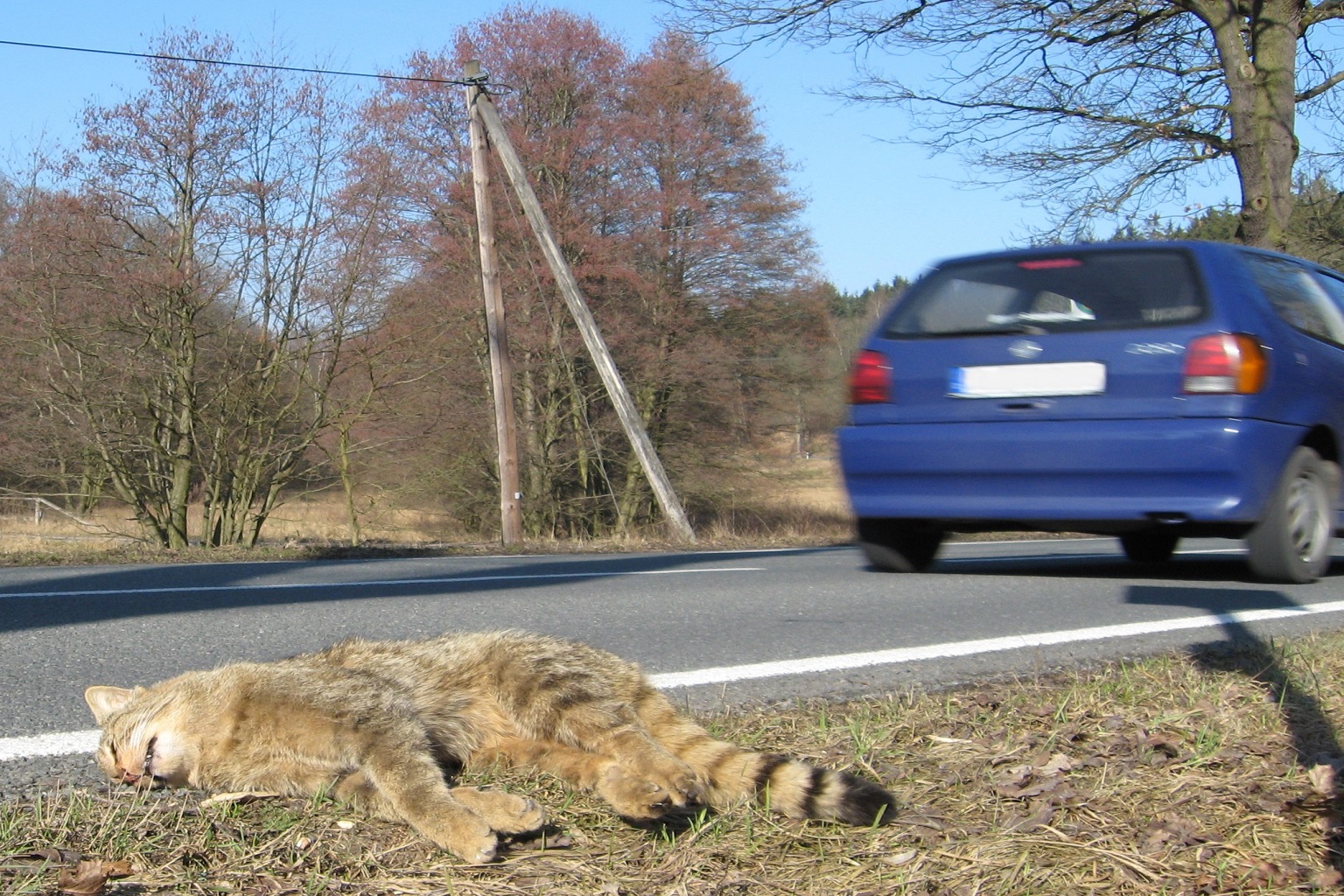
In some places, those pressures remain. In one study that tracked 211 of theses cats in 22 locations across Europe, researchers found that most deaths were human-caused, and roads were the deadliest threat. Collisions caused 57% of wildcat deaths , next came poaching, accounting for 22%.
Despite the wildcat’s diminutive size, it still needs ample space. “Even if the wildcat is small, its home range can go from one square kilometer to 50 [0.38 – 19.3 square miles],” said Matteo Bastianelli, who chairs a wildlife ecology and management program at Germany’s University of Freiburg. “We have found even bigger home ranges.”
Compounding these direct threats are highly fragmented habitat, low genetic diversity and diseases.
And then there’s the challenge of hybridization. Breeding with domestic cats is a major concern, but it isn’t uniform place to place. In some Central European countries, for example, rates of crossbreeding appear to be low. Yet in other countries, including Scotland and the Czech Republic, it’s a major challenge.
Though domestic cats have lived in Britain for more than 2,000 years, researchers fond that hybridization with European wildcats only began about 70 years ago, in the 1950s. Wildcat-domestic crossbreeds are now quite common, and they can produce fertile offspring, according to a study published in the journal Current Biology.
“This phenomenon has also been detected in Italy, Lazzeri said, but current studies do not allow a reliable estimate of the prevalence of hybrids in Italian populations.”
The only way to address this, experts say, is to manage feral cats living in wildcat habitat. It’s also important to vaccinate them to prevent the spread of disease.
Meanwhile, studies have identified telltale signs of low genetic diversity such as kinked tails in small, isolated populations. Inbreeding threatens their long-term survival.
A female wildcat and her kittens in Scotland’s Cairngorm National Park. Video courtesy of RZSS/ Saving wildcats.
Other poorly understood threats remain. Climate change could prove to be both a boon and a peril. On the one hand, it may favor wildcats, as winters become less severe, Lazzeri said. “On the other hand, harmful pathogens may take advantage of milder climate conditions.”
A range of pathogens and parasites threaten wildcat health, with warming temperatures facilitating their spread via ticks, fleas and other vectors. A 2023 study, for example, identified growing risk of eye disorders caused by the Thelazia callipaeda parasite, which is native to Asia and is now found in Europe. This parasite can infect a wide range of mammal species and move between them.
Disease is a real threat, especially where wildcats live near humans and their pet cats and dogs that can pass along a range of feline-specific viruses as well as canine distemper.
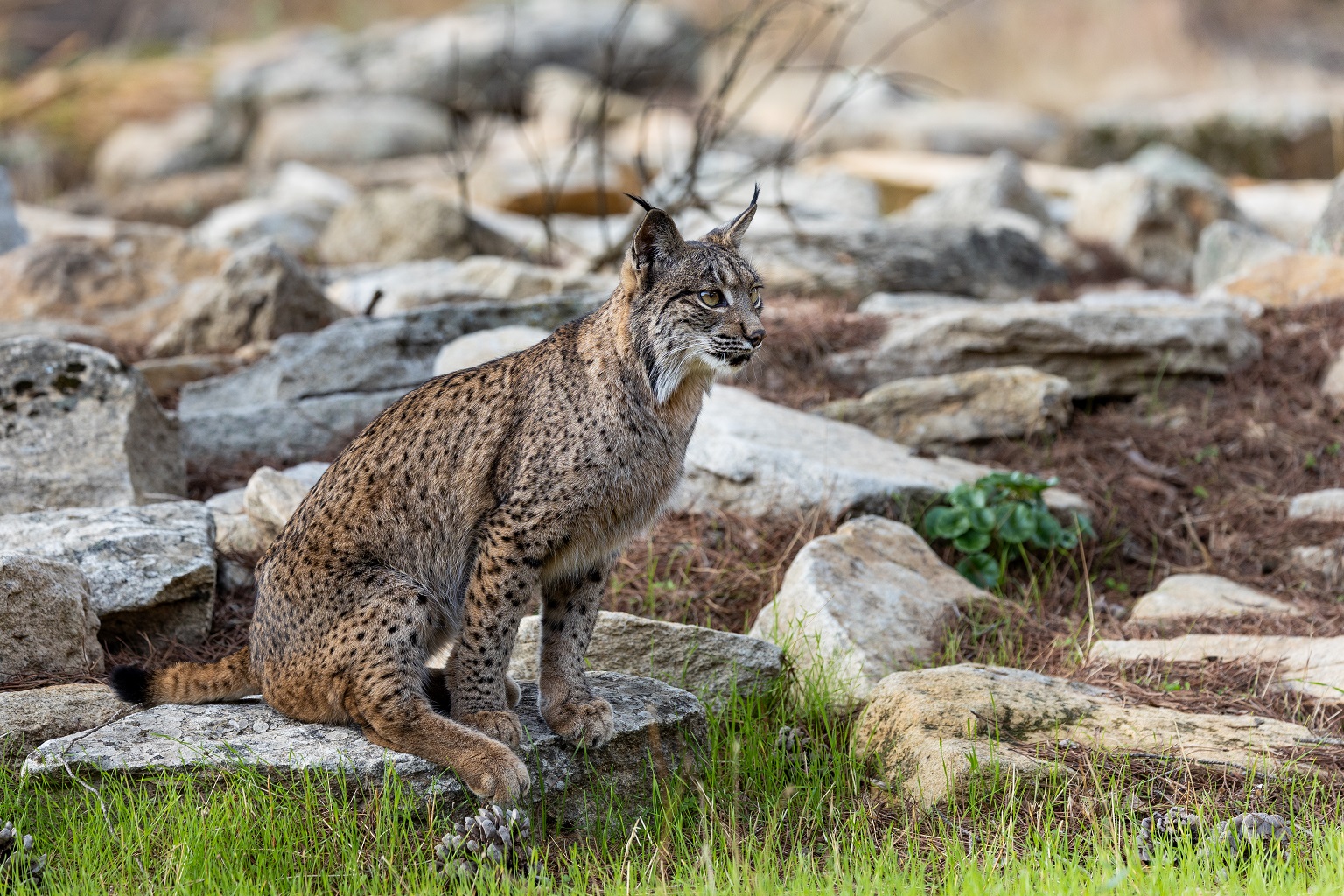
Even conservation wins can have unintended consequences. In Spain, there’s been an unfortunate impact on wildcats from the country’s successful Iberian lynx reintroduction. Since lynx and wildcats depend on the same small prey, particularly rabbits, the smaller wildcats have been pushed out of key hunting areas in some locations.
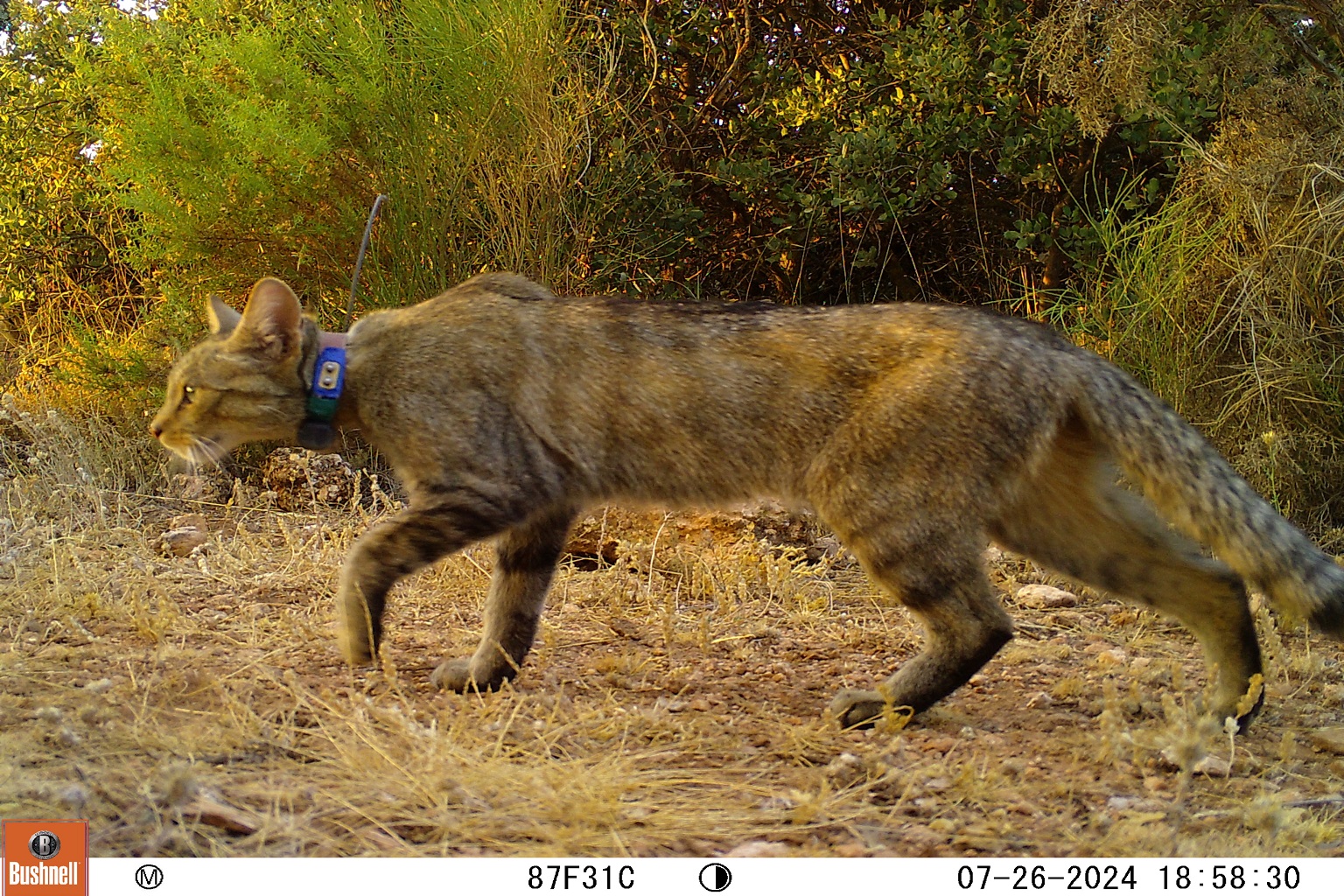
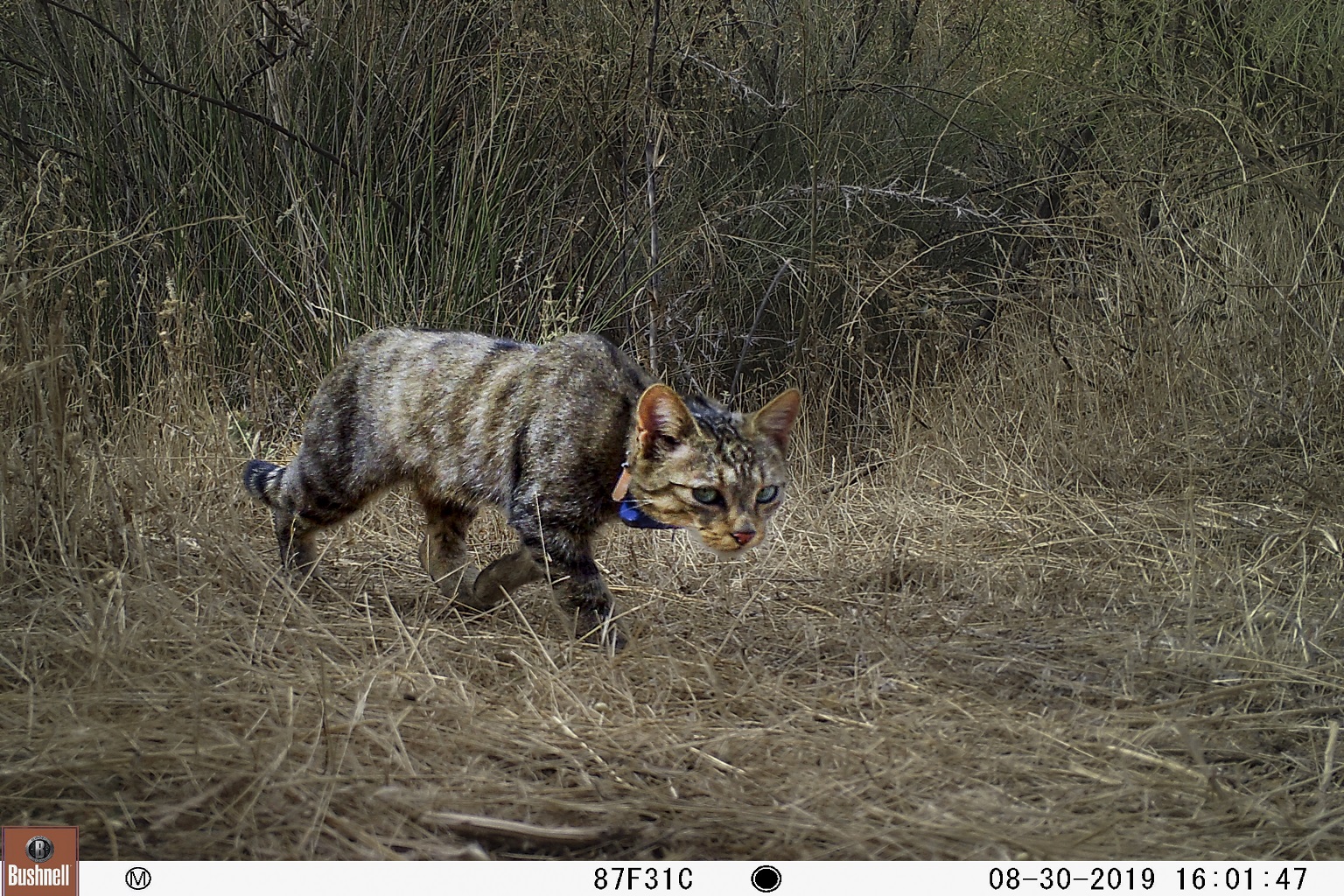
A female wildcat tracked by Sánchez-Cerdá and a team at the University of Granada over a seven-year period was among the displaced. She left when lynx returned to the area, moved into less suitable habitat in closer proximity to people, and was hit by a vehicle and killed when crossing a road. Sánchez-Cerdá said this female had been the “demographic motor” of the wildcat population there, giving birth to at least 10 kittens during her study.
When these cats are driven out, “They have to move to marginal or less optimal habitat, which can have a lot of implications for their survival and also reproductive efficiency,” Sánchez-Cerdá said.
A future for the wildcat
Yet the successful reintroduction of the Iberian lynx also offers hope that similar sustained conservation action could help wildcats rebound. In Portugal, for instance, the same captive facilities used to breed and ready Iberian lynx for release into the wild could be used for wildcats to bolster populations, Ribiero from Rewilding Portugal said.
Conservationists are pushing for wildcat captive breeding to happen earlier rather than later in Portugal, he added, “because the cats are basically gone.”
That process would follow the course of Scotland’s reintroduction. Though it’s still in early stages, there’s been success in breeding and releasing wildcats and, importantly, those cats have successfully birthed kittens, further repopulating the wild. Similar reintroduction projects are slated for other parts of the UK, including southwest England.
A critical part of Spain’s lynx reintroduction was “marketing” the cat, Sánchez-Cerdá said, giving people the opportunity to learn about it and fall in love with it. That is also needed for the wildcat in Spain and elsewhere, she said.
The need for Spanish authorities to recognize the wildcat’s threatened status is critical, she said. “Probably the first thing that the public administration should do is change the threat category.”
While much remains unknown about this species, there’s much to love about it. For example, Sánchez-Cerdá and her team have observed males and females sharing dens during the mating season and followed a wildcat mother who always gives birth to three kittens at a time, never more, never less. And they’re cute.
Bringing this small cat back, conservationists say, is a question of commitment, and of course, funding. For countries that still have viable populations, increasing conservation action is vital, Barclay said. Scotland’s experience provides a cautionary tale.
In his view, wildcats have been taken for granted: “There is that risk in Europe that if we don’t pay attention, we could lose [them] from some countries,” Barclay said.
Banner image: A European wildcat in Scotland, where 46 captive-bred wildcats have been released as part of an ongoing reintroduction project. The cats are repopulating former habitat in the Cairngorms mountain range in the eastern highlands. Image courtesy of Saving Wildcats.
Citations:
Lozano, J., Virgós, E., Cabezas-Díaz, S., & Mangas, J. G. (2007). Increase of large game species in Mediterranean areas: Is the European wildcat (Felis silvestris) facing a new threat? Biological Conservation, 138(3-4), 321-329. doi:10.1016/j.biocon.2007.04.027
Gil-Sánchez, J. M., Barea-Azcón, J. M., Jaramillo, J., Herrera-Sánchez, F. J., Jiménez, J., & Virgós, E. (2020). Fragmentation and low density as major conservation challenges for the southernmost populations of the European wildcat. PLOS ONE, 15(1), e0227708. doi:10.1371/journal.pone.0227708
Alves, B. S., Róis, A. S., Da Silva, A. M., Díaz-Ruiz, F., Barbero, J. F., Santos, N., … Ferreras, P. (2026). A tale of two felids: Virus circulation in European wildcats (Felis silvestris) and domestic cats (Felis catus) urges surveillance programs in natural populations. European Journal of Wildlife Research, 72(2). doi:10.1007/s10344-026-02082-y
Witzenberger, K. A., & Hochkirch, A. (2014). The genetic integrity of the ex-situ population of the European wildcat (Felis silvestris silvestris) is seriously threatened by introgression from domestic cats (Felis silvestris catus). PLOS One, 9(8), e106083. doi:10.1371/journal.pone.0106083
Steyer, K., Tiesmeyer, A., Muñoz-Fuentes, V., & Nowak, C. (2018). Low rates of hybridization between European wildcats and domestic cats in a human-dominated landscape. Ecology and Evolution, 8(4), 2290-2304. doi:10.1002/ece3.3650
Howard-McCombe, J., Jamieson, A., Carmagnini, A., Russo, I., Ghazali, M., Campbell, R., … Beaumont, M. A. (2023). Genetic swamping of the critically endangered Scottish wildcat was recent and accelerated by disease. doi:10.2139/ssrn.4528485
Lioy, F. G., Franculli, D., Calandri, S., Francescangeli, D., Pecorella, S., Gaudiano, L., … Anile, S. (2022). Show me your tail, if you have one! Is inbreeding depression occurring in wildcats (Felis silvestris silvestris) from Italy? Mammal Research, 67(2), 153-161. doi:10.1007/s13364-022-00627-5
Bertos, E., Sánchez-Cerdá, M., Virgós, E., Gil-Sánchez, J. M., & Moleón, M. (2023). Thelazia callipaeda as a potential new threat to European wildcats: Insights from an eco-epidemiological study. Veterinary Research Communications, 47(4), 2153-2160. doi:10.1007/s11259-023-10071-8
