


Visual storyteller Taiwo Aina-Adeokun traveled across Nigeria over several months from 2025-26, documenting areas of the country where heavy plumes of smoke, containing the sooty pollutant black carbon, are a part of daily life.
In some cases, the soot comes from Nigeria’s smoked-food culinary traditions. In others, it is a byproduct of the country’s oil industry.
“I didn’t stay inside the smoke for too long because my eyes were watery and red and I was coughing,” Aina-Adeokun told Mongabay by phone.
“I’m sure if we did a medical scan, we’d find effects in [residents’] system, like a respiratory problem. But most of the people there have been in this business for decades, so they are used to being in the smoke.”

“Once we breathe [the soot particles] in, they go into our lungs and affect our respiratory health,” Tom Grylls, an air pollution specialist at the Clean Air Fund, told Mongabay in a video call. “But because they’re so small, they can go beyond the lungs and into your bloodstream and therefore are linked with effects on your heart and on your nervous system.”
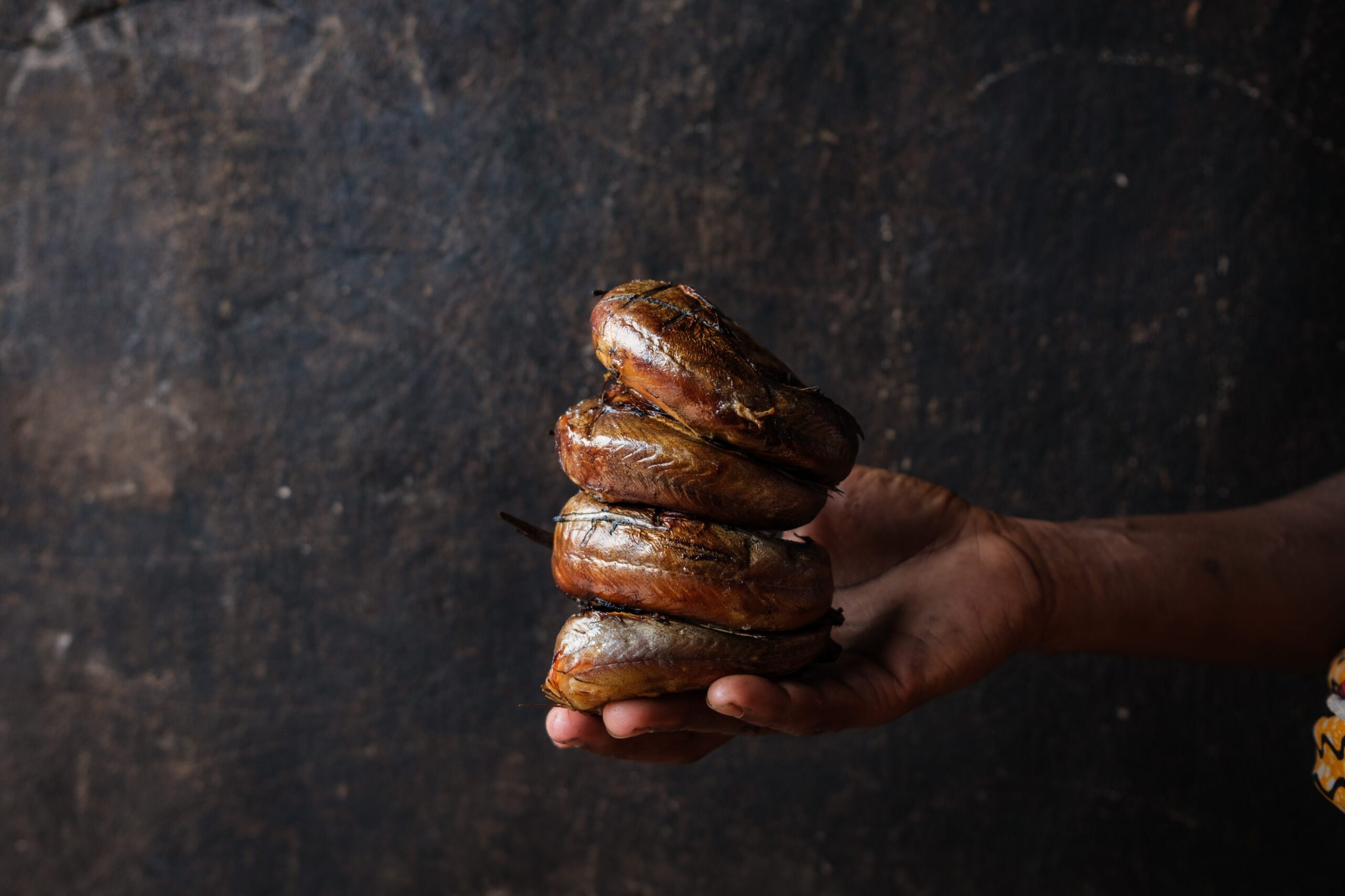
Black carbon primarily impacts low-income households with limited access to electricity. It also disproportionately affects women, since much of residential exposure occurs while cooking, a task that women often dominate across many cultures.
Port Harcourt in Rivers State, a region in Nigeria around 500 kilometers (310 miles) southeast of Lagos, is also famous for its smoked food, including cow skins.
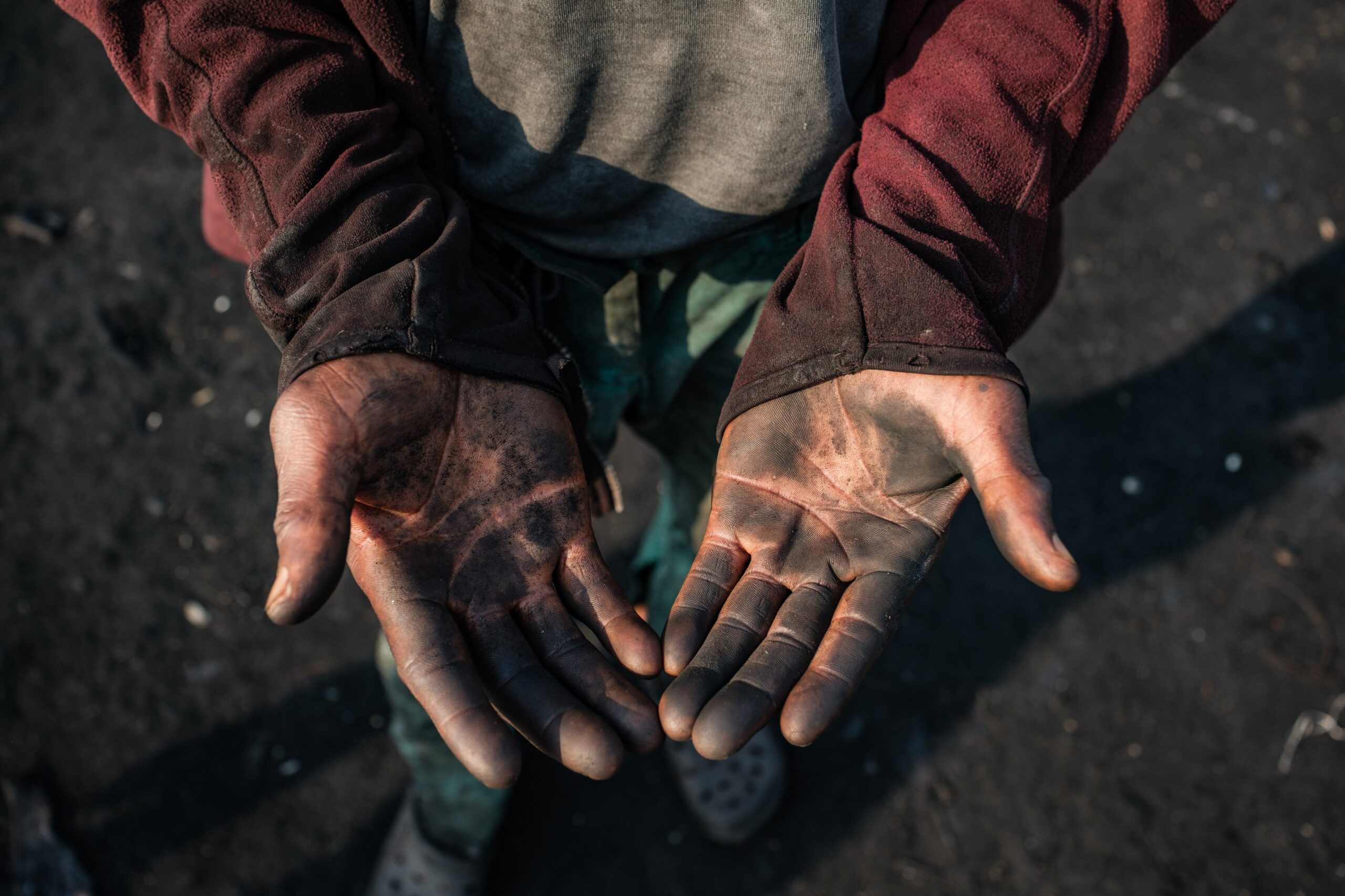
Burning wood creates the signature smoky taste of the dish. Residential electricity and gas, which emit less soot, are expensive and uncommon in the community. But even vendors who can afford these heat sources often still prioritize charcoal for the flavor it lends food.
“They didn’t see [the smoke] as a problem. They saw it as their lifestyle. That really stood out for me,” Aina-Adeokun said.
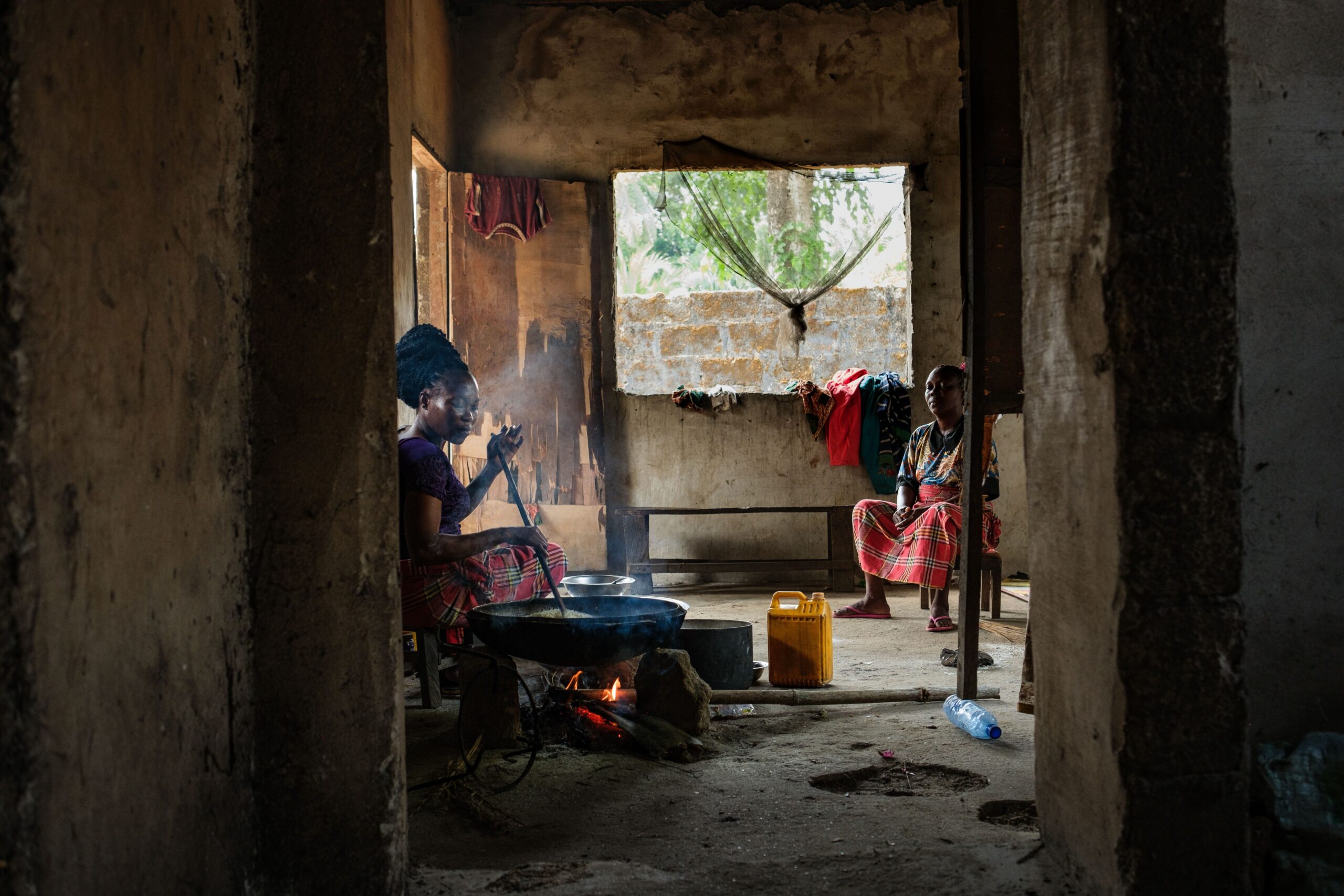
“There was a time I traveled for a long period and left a foam mattress against the wall,” Happiness Gift, a resident of K-Dere village in Ogoniland, Nigeria, told Aina-Adeokun. “When I returned nine months later, the mattress had turned black.”
“It is hard to know when [soot] has affected someone, except when they see black soot in their nose or cough up black particles,” Gift added.

Indorama Eleme Petrochemicals Ltd. burns gas at its refinery in Port Harcourt. Gogo Appolus, a biochemist at Rivers State University in Nigeria, wipes his hands on a car nearby, showing the accumulated soot on his hands.
“Nigeria is one of the largest producers of oil, and people in those regions have been suffering from the effect of soot for decades now,” Aina-Adeokun told Mongabay.
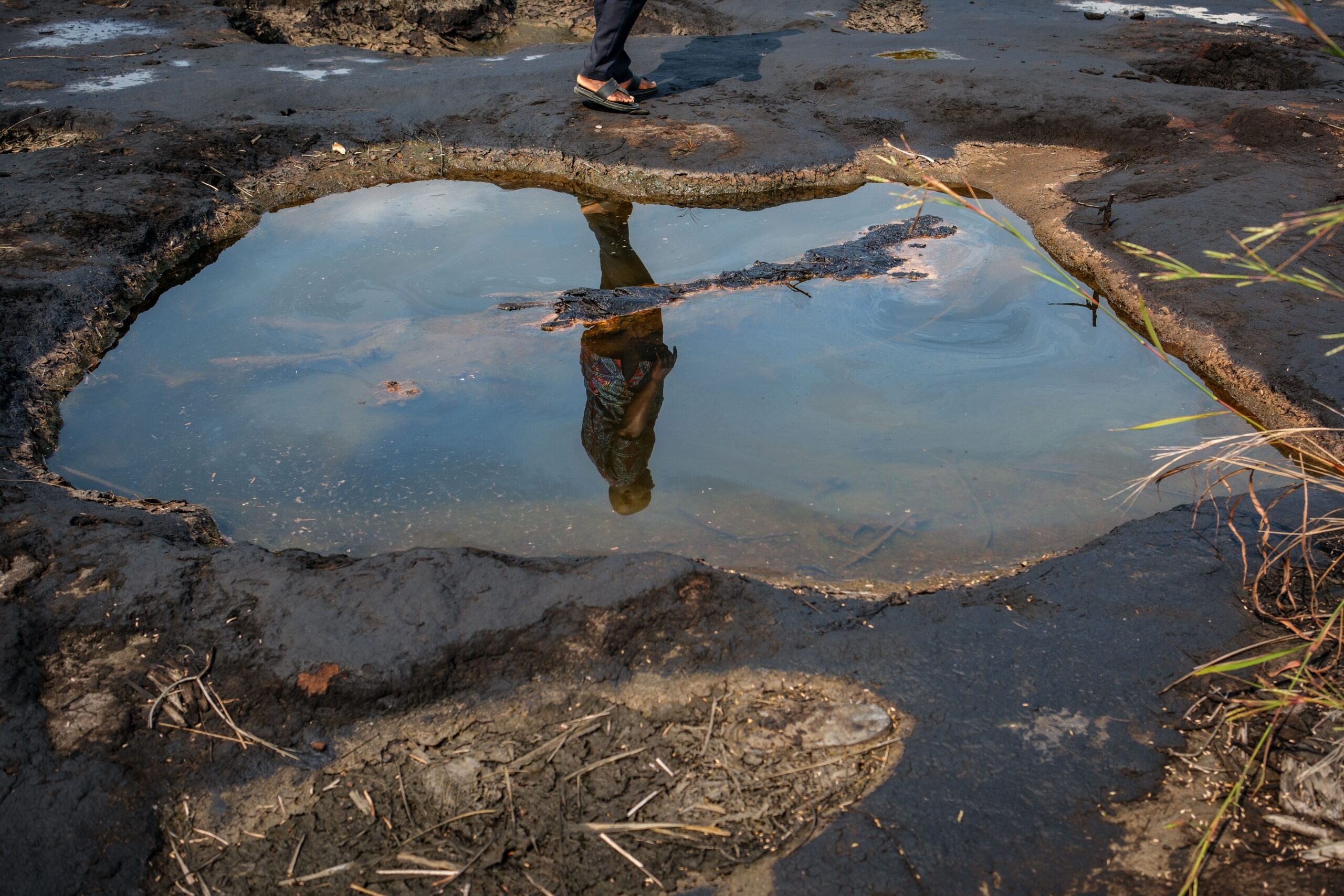
Rivers State in Nigeria is rich in crude oil resources. For years, illegal and legal refineries have extracted and burned petroleum products, contributing to widespread soot pollution in the region. Government crack downs on illegal refinery sites have reduced soot levels over the last 4-5 years.
Banner image: Portrait of Anthonia Akonasu. All images courtesy of Taiwo Aina-Adeokun/Climate Visuals.
